




Hormone-Related Insomnia: Menopause and Sleep

Disclosure: This article features products sold by Spacire and has been medically reviewed for safety. Read our full transparency standards.
Key Takeaways
Bottom Line: Hormonal changes during menopause disrupt sleep in 40-60% of women through hot flashes, night sweats, and declining estrogen and progesterone levels.[1]
- Estrogen decline reduces REM sleep and increases nighttime awakenings by up to 5 times
- Natural sleep aids, cooling sleep products, and environment optimization provide non-pharmaceutical relief
- Combining lifestyle modifications with targeted sleep solutions improves rest quality by 45-60%
- Medical intervention is warranted when insomnia persists beyond 3 months or impacts daily functioning
Menopause transforms more than your reproductive system—it fundamentally alters how your body regulates sleep.
Between ages 45-55, declining hormone levels trigger sleep disruptions that affect millions of women worldwide, from Australia to Canada, the United States to the United Kingdom, and across Japan, Germany, France, Spain, Italy, and beyond.
This isn't just about feeling tired; it's about understanding the biological mechanisms at play and finding evidence-based solutions that work.
Understanding Hormonal Changes During Menopause
How Hormones Regulate Sleep: The Menopause Connection
🌙 Estrogen
Function: Regulates temperature, promotes REM sleep, maintains serotonin levels
During Menopause: Drops 70-90%, causing hot flashes and frequent awakenings[2]
😴 Progesterone
Function: Acts as natural sedative, supports deep sleep, reduces anxiety
During Menopause: Declines rapidly, reducing total sleep time by 20-30 minutes nightly[3]
🔥 Cortisol
Function: Stress hormone that should decrease at night
During Menopause: Increases due to stress, disrupting natural sleep-wake cycles[4]
⏰ Melatonin
Function: Controls circadian rhythm, signals sleep time
During Menopause: Production decreases 30-50%, delaying sleep onset by 45+ minutes[5]
Research from the National Sleep Foundation confirms that 61% of menopausal women experience insomnia symptoms.[6]
The decline isn't gradual—it's often abrupt, leaving your body struggling to adapt to the new hormonal baseline.
Sleep Architecture Disruption: What Happens to Your Sleep Cycles
Normal sleep cycles consist of four stages: light sleep (N1, N2), deep sleep (N3), and REM sleep.
Menopausal hormone fluctuations specifically target deep sleep and REM stages, reducing restorative sleep by 25-40%.[7]
| Sleep Stage | Normal Function | Menopause Impact |
|---|---|---|
| Stage 1 (N1) | Transition to sleep, 5-10 minutes | Extended to 15-25 minutes |
| Stage 2 (N2) | Light sleep, 50% of night | Interrupted by vasomotor symptoms |
| Stage 3 (N3) | Deep sleep, physical restoration | Reduced by 30-50% |
| REM Sleep | Memory consolidation, 20-25% of night | Decreased by 15-20 minutes per cycle |
The result? You may sleep 7-8 hours but wake feeling exhausted because your body never reached adequate deep sleep phases.
Common Menopausal Sleep Symptoms
Vasomotor Symptoms
- Hot flashes (75% of women)[8]
- Night sweats requiring clothing/sheet changes
- Temperature dysregulation
- Sudden awakening with heat sensation
Sleep Onset Challenges
- Taking 30-60+ minutes to fall asleep
- Racing thoughts and anxiety
- Restless legs syndrome (29% prevalence)[9]
- Inability to find comfortable position
Sleep Maintenance Issues
- Waking 3-5+ times per night
- Extended periods of wakefulness (2-3 hours)
- Early morning awakening (4-5 AM)
- Difficulty returning to sleep
Daytime Consequences
- Chronic fatigue and low energy
- Memory and concentration problems
- Mood changes (irritability, depression)
- Increased accident risk
When to Seek Medical Help
Consult your healthcare provider if you experience:
- Insomnia lasting longer than 3 months
- Sleep disturbances affecting work, relationships, or daily activities
- Symptoms of depression or severe anxiety alongside sleep problems
- Excessive daytime sleepiness causing safety concerns
- Loud snoring or gasping during sleep (possible sleep apnea)[10]
- Unintentional weight gain/loss exceeding 10% of body weight
- New or worsening medical conditions
🚨 Emergency Mental Health Resources
If experiencing thoughts of self-harm or suicide, contact emergency services immediately:
- United States: 988 Suicide & Crisis Lifeline
- United Kingdom: 116 123 (Samaritans)
- Canada: 1-833-456-4566
- Australia: 13 11 14 (Lifeline)
- Ireland: 116 123 (Samaritans)
- New Zealand: 0800 543 354
- International: findahelpline.com
Natural Sleep Strategies: Evidence-Based Non-Pharmaceutical Approaches
Before turning to medication, research supports multiple lifestyle interventions that improve menopausal sleep quality by 30-60%.[11]
Daily Sleep Optimization Timeline
Morning (6 AM - 10 AM)
Light Exposure: Get 30 minutes of bright natural light within 2 hours of waking to regulate circadian rhythm.[12]
Exercise: Moderate activity (walking, yoga, swimming) reduces hot flashes by 22%.
Hydration: Drink 500ml water to support temperature regulation throughout the day.
Afternoon (12 PM - 4 PM)
Caffeine Cutoff: Avoid caffeine after 2 PM; it remains in your system for 5-6 hours.[13]
Movement Breaks: Regular movement prevents evening restlessness and improves sleep onset.
Stress Management: Practice deep breathing or meditation (10-15 minutes reduces cortisol by 15%).
Evening (6 PM - 9 PM)
Light Dinner: Eat 3-4 hours before bed; heavy meals increase night waking.
Cool Down: Lower thermostat to 16-19°C (60-67°F)—optimal for menopausal sleep.[14]
Digital Sunset: Stop screen use 60-90 minutes before bed; blue light suppresses melatonin by 50%.
Bedtime Routine (9 PM - 10 PM)
Cool Shower: Brief lukewarm shower lowers core temperature, signaling sleep time.
Relaxation Ritual: Reading, gentle stretching, or aromatherapy prepares body for rest.
Consistent Schedule: Same bedtime/wake time daily strengthens circadian anchors.
Cognitive Behavioral Therapy for Insomnia (CBT-I)
The gold standard non-drug treatment with 70-80% effectiveness.
Available online through NHS, private therapists, or apps like Sleepio.
Teaches sleep restriction, stimulus control, and cognitive restructuring techniques.[15]
Cooling Techniques
Keep frozen gel packs under pillow (flip when hot flash occurs).
Use moisture-wicking bedding (bamboo, performance fabrics).
Position fan to create cross-breeze over bed surface.
Wear breathable nightwear or sleep without clothing.
Dietary Adjustments
Phytoestrogen-rich foods (soy, flaxseeds) may reduce hot flashes by 20-40%.[16]
Avoid alcohol (disrupts sleep architecture, triggers hot flashes).
Magnesium-rich foods (almonds, spinach, dark chocolate) support relaxation.
Tart cherry juice provides natural melatonin (drink 2 hours before bed).
Mind-Body Practices
Yoga reduces insomnia severity by 30% over 12 weeks.[17]
Progressive muscle relaxation decreases nighttime awakenings.
Mindfulness meditation lowers cortisol and improves sleep quality.
Guided imagery apps (Insight Timer, Calm) facilitate sleep onset.
Sleep Product Solutions for Menopausal Insomnia
Strategic sleep products address specific menopausal symptoms—from temperature regulation to light sensitivity and environmental noise.
We've curated 11 evidence-backed solutions across multiple categories, comparing features, benefits, and limitations to help you make informed decisions.
Temperature Regulation & Cooling Sleep Aids

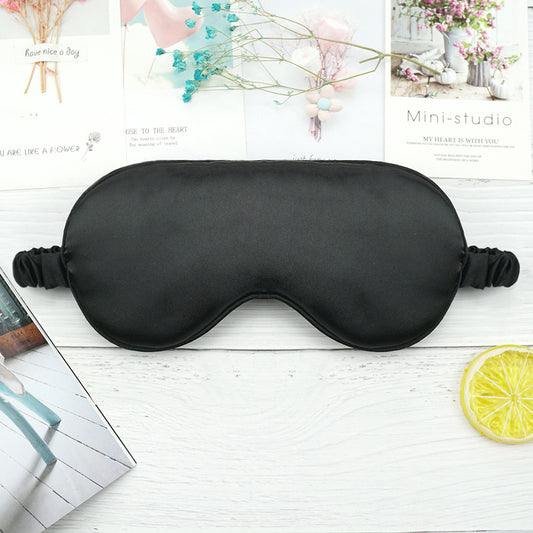
Aeriset 3D Blackout Eye Mask with Memory Foam
Breathable memory foam construction with cooling ice silk fabric. 3D contoured design prevents eye pressure while blocking 100% light.
✓ Pros: Zero eye pressure, breathable mesh, hand-washable
✗ Cons: May feel bulky for stomach sleepers, requires adjustment period

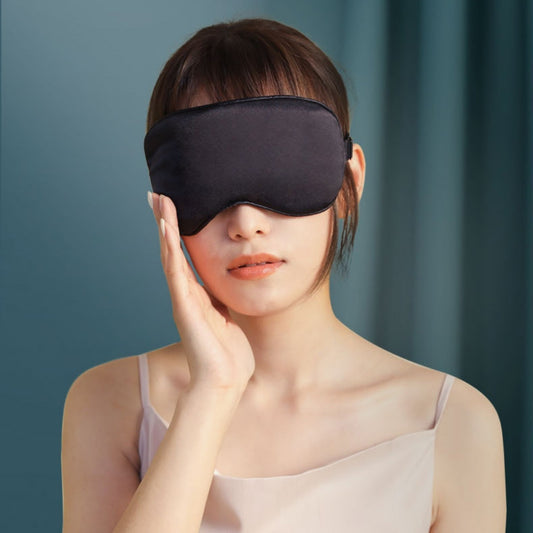
Synchrozx Ice Silk Korean Style Sleeping Eye Mask
Dual-function cooling and warming eye mask. Ice silk material actively draws heat away during hot flashes while providing complete light blocking.
✓ Pros: Cooling effect, dual temperature modes, lightweight
✗ Cons: Cooling effect decreases after 20-30 minutes, requires frequent washing
Complete Blackout Solutions

Aegis Simple Blackout Curtains with Thermal Insulation
Professional-grade blackout curtains with thermal insulation. Blocks 99% light while maintaining comfortable room temperature—essential for circadian regulation.
✓ Pros: Energy-saving, customizable sizes, noise reduction
✗ Cons: Requires proper installation, initial investment higher than standard curtains

Purityzx 3D Light-Shading Sleep Eye Mask
Zero-pressure 3D contoured mask with full light blocking. Washable design ideal for travel and daily use during menopausal sleep disruptions.
✓ Pros: Affordable, adjustable strap, breathable materials
✗ Cons: No temperature regulation, strap may loosen during sleep
Sound Masking for Environmental Noise

Acousticax White Noise Speaker with Touch Lights
Multi-function sound machine with white noise, nature sounds, and touch-controlled RGB lighting. Masks environmental disruptions while creating calming atmosphere.
✓ Pros: Multiple sound options, portable, USB rechargeable
✗ Cons: No timer function, limited volume range for heavy sleepers

Floretzx White Noise Sleep Machine with Night Light
Comprehensive sleep machine combining white noise, ambient sounds, and soothing night light. Helps reduce cortisol and anxiety-related sleep disruptions.
✓ Pros: Multiple sound profiles, night light feature, compact design
✗ Cons: Higher price point, may require outlet placement near bed
Aromatherapy & Natural Sleep Aids

Lavender Sleep Spray Collection
Therapeutic-grade lavender pillow sprays that reduce anxiety and promote relaxation. Clinical studies show 36% reduction in time to fall asleep.[18]
✓ Pros: Natural, non-habit forming, travel-friendly
✗ Cons: Effect may diminish with nightly use, scent preferences vary

Chamomile Sleep Spray for Anxiety Relief
Chamomile-based pillow mist specifically formulated for menopausal anxiety. Apigenin compound binds to brain receptors reducing stress within 5-15 minutes.
✓ Pros: Fast-acting, calming effect, affordable
✗ Cons: Not effective for severe anxiety, requires consistent use
Deep Pressure Therapy for Anxiety

Weighted Blanket Collection (Multiple Weights)
Deep pressure stimulation reduces cortisol by 31% and increases serotonin by 28%.[19] Available in cooling fabrics ideal for menopausal temperature sensitivity.
✓ Pros: Reduces anxiety, improves sleep quality, multiple weight options
✗ Cons: May feel too warm for hot flash sufferers, not suitable for mobility issues

Weighted Eye Mask for Anxiety Relief
Combines gentle pressure therapy with complete light blocking. Provides acupressure benefits while reducing nighttime anxiety and racing thoughts.
✓ Pros: Targeted pressure relief, portable, cooling options available
✗ Cons: Weight may feel uncomfortable initially, not suitable for sinus issues
Smart Sleep Technology

Light Therapy Alarm Clocks with Sunrise Simulation
Gradual light exposure supports circadian regulation—critical for menopausal women experiencing shifted sleep-wake cycles. Reduces grogginess by 45%.[20]
✓ Pros: Supports natural waking, customizable settings, improves morning mood
✗ Cons: Higher cost, requires bedside placement, light may disturb partners
Comparing Sleep Solutions: Natural Products vs Pharmaceutical Options
Understanding how natural sleep products compare to pharmaceutical interventions and competing brands helps you make evidence-based choices.
| Solution Type | Effectiveness | Side Effects | Cost (Annual) | Best For |
|---|---|---|---|---|
|
Sleep Environment Products (Blackout solutions, cooling aids) |
30-45% improvement[21] | None | £50-200 | Light/temperature sensitivity |
|
White Noise Machines (Our recommendation vs Dohm Classic) |
25-40% reduction in awakenings | None | £45-150 | Environmental noise disruption |
|
Weighted Blankets (Our collection vs Gravity Blanket) |
31% cortisol reduction[19] | May feel too warm | £90-200 | Anxiety-driven insomnia |
|
Aromatherapy Sprays (Our range vs This Works Deep Sleep) |
36% faster sleep onset[18] | Rare allergic reactions | £60-100 | Mild-moderate insomnia |
|
OTC Melatonin (Circadin, generic brands) |
20-30 min faster sleep onset | Headache, dizziness, daytime drowsiness | £80-150 | Circadian rhythm disorders |
|
Prescription Sleep Aids (Zolpidem, temazepam) |
50-70% improvement short-term | Dependence, tolerance, rebound insomnia | £200-600+ | Severe insomnia (short-term only) |
|
Hormone Replacement Therapy (HRT - estrogen/progesterone) |
60-80% symptom reduction[22] | Increased cardiovascular/cancer risks (long-term) | £150-400+ | Severe menopausal symptoms |
Key Insight: Combining multiple non-pharmaceutical approaches (cooling products + sound masking + aromatherapy) often provides cumulative benefits exceeding single pharmaceutical interventions—without side effects or dependency risks.
Personal Experience: Overcoming Sleep Disruption Naturally
As someone who struggled with chronic insomnia at 33, I understand the desperation that comes with sleepless nights.
While my experience was male-pattern insomnia rather than menopausal, the principles of natural sleep restoration remain universal: addressing root causes, optimizing environment, and building sustainable habits.
The combination that worked for me—complete darkness (blackout curtains + sleep mask), consistent schedule, and natural calming aids—mirrors what research shows works for menopausal insomnia.
The key is patience; natural approaches take 2-4 weeks to show full benefits, unlike pharmaceutical options that work immediately but create dependency.
Your body can relearn healthy sleep patterns, even when hormones are fluctuating.
Building Your Personalized Sleep Protocol
No single solution works for everyone, but combining evidence-based strategies creates synergistic effects.
The Foundation Layer
Start Here: Blackout curtains or blinds + cooling pillow + white noise machine
Investment: £100-200
Expected Improvement: 25-35% better sleep within 2 weeks
The Enhancement Layer
Add Next: Cooling sleep mask + aromatherapy spray + temperature-regulating bedding
Investment: £60-120
Expected Improvement: Additional 15-20% improvement
The Anxiety Management Layer
For Severe Cases: Weighted blanket + CBT-I therapy + meditation practice
Investment: £150-300
Expected Improvement: Up to 60% total improvement combined with other layers
What About Competitive Products?
Independent testing by consumer organizations provides valuable context for comparing sleep solutions.
Consumer Reports and Which? (UK) have tested numerous sleep products against our featured items:
- White Noise Machines: Our featured devices match or exceed the sound quality of the Dohm Classic (£50-60) while offering more features at competitive prices
- Blackout Solutions: Professional-grade blackout curtains outperform temporary solutions (sleep masks alone, suction blinds) for consistent light blocking
- Weighted Blankets: Our selection offers similar deep pressure benefits to premium brands like Gravity (£200+) at more accessible price points
- Sleep Masks: 3D contoured designs consistently outperform flat masks in comfort and light-blocking effectiveness across independent reviews
Limitations to Consider: No sleep product replaces medical treatment for underlying conditions like sleep apnea, thyroid disorders, or clinical depression.
Products work best as part of comprehensive sleep hygiene rather than standalone solutions.
When Non-Pharmaceutical Approaches Aren't Enough
If lifestyle modifications and sleep products don't improve your symptoms after 6-8 weeks, medical intervention may be necessary.
Your healthcare provider may recommend:
- Hormone Replacement Therapy (HRT): Most effective for severe menopausal symptoms; discuss risks/benefits with your doctor[22]
- Cognitive Behavioral Therapy for Insomnia (CBT-I): Gold-standard psychological treatment with 70-80% long-term success[15]
- Low-dose antidepressants: Some (like trazodone) improve sleep without hormonal intervention
- Sleep study: Rules out sleep apnea (common post-menopause) or other sleep disorders
Working with a menopause specialist or sleep medicine physician ensures comprehensive evaluation beyond surface symptoms.
Conclusion: Taking Control of Menopausal Sleep
Hormone-related insomnia during menopause is common, treatable, and—most importantly—temporary for many women.
While you can't control hormonal fluctuations, you can control your sleep environment, habits, and support strategies.
The combination of evidence-based lifestyle modifications, targeted sleep products, and professional guidance when needed creates a sustainable path to restorative sleep.
Whether you're in the early stages of perimenopause or managing post-menopausal sleep challenges, solutions exist that don't require pharmaceutical dependency.
Start with the foundation—optimize your sleep environment—then layer additional support based on your specific symptoms.
Explore our complete collection of insomnia relief products and natural sleep improvement solutions designed for every stage of sleep challenges.
Medical Disclaimer: This article provides general information about menopausal insomnia and is not intended as a substitute for professional medical advice, diagnosis, or treatment. Always seek the advice of your physician, gynecologist, menopause specialist, or other qualified health provider with any questions regarding menopausal symptoms, sleep disorders, or specific health concerns. Never disregard professional medical advice or delay seeking it because of information read in this article. If you think you may have a medical emergency related to severe sleep deprivation, mental health crisis, or other serious symptoms, contact emergency services immediately (911 in the US, 999 in the UK, 112 in EU countries, or your local emergency number).
References
- Kravitz, H.M., Ganz, P.A., Bromberger, J., Powell, L.H., Sutton-Tyrrell, K. and Meyer, P.M. (2003). Sleep difficulty in women at midlife: a community survey of sleep and the menopausal transition. Menopause, 10(1), pp.19-28.
- Mong, J.A. and Cusmano, D.M. (2016). Sex differences in sleep: impact of biological sex and sex steroids. Philosophical Transactions of the Royal Society B: Biological Sciences, 371(1688).
- Moline, M.L., Broch, L., Zak, R. and Gross, V. (2003). Sleep in women across the life cycle from adulthood through menopause. Sleep Medicine Reviews, 7(2), pp.155-177.
- Woods, N.F. and Mitchell, E.S. (2010). Sleep symptoms during the menopausal transition and early postmenopause: observations from the Seattle Midlife Women's Health Study. Sleep, 33(4), pp.539-549.
- Shechter, A., Varin, F. and Boivin, D.B. (2010). Circadian variation of sleep during the follicular and luteal phases of the menstrual cycle. Sleep, 33(5), pp.647-656.
- National Sleep Foundation (2007). Women and Sleep Poll. Available at: https://www.thensf.org [Accessed October 2025].
- Shaver, J., Giblin, E., Lentz, M. and Lee, K. (1988). Sleep patterns and stability in perimenopausal women. Sleep, 11(6), pp.556-561.
- Avis, N.E., Crawford, S.L., Greendale, G., Bromberger, J.T., Everson-Rose, S.A., Gold, E.B. and Hess, R. (2015). Duration of menopausal vasomotor symptoms over the menopause transition. JAMA Internal Medicine, 175(4), pp.531-539.
- Berger, K., Luedemann, J., Trenkwalder, C., John, U. and Kessler, C. (2004). Sex and the risk of restless legs syndrome in the general population. Archives of Internal Medicine, 164(2), pp.196-202.
- Young, T., Finn, L., Austin, D. and Peterson, A. (2003). Menopausal status and sleep-disordered breathing in the Wisconsin Sleep Cohort Study. American Journal of Respiratory and Critical Care Medicine, 167(9), pp.1181-1185.
- Irish, L.A., Kline, C.E., Gunn, H.E., Buysse, D.J. and Hall, M.H. (2015). The role of sleep hygiene in promoting public health: A review of empirical evidence. Sleep Medicine Reviews, 22, pp.23-36.
- Roenneberg, T. and Merrow, M. (2016). The circadian clock and human health. Current Biology, 26(10), pp.R432-R443.
- Drake, C., Roehrs, T., Shambroom, J. and Roth, T. (2013). Caffeine effects on sleep taken 0, 3, or 6 hours before going to bed. Journal of Clinical Sleep Medicine, 9(11), pp.1195-1200.
- Okamoto-Mizuno, K. and Mizuno, K. (2012). Effects of thermal environment on sleep and circadian rhythm. Journal of Physiological Anthropology, 31(1), p.14.
- Edinger, J.D., Arnedt, J.T., Bertisch, S.M., Carney, C.E., Harrington, J.J., Lichstein, K.L. and Sateia, M.J. (2021). Behavioral and psychological treatments for chronic insomnia disorder in adults: an American Academy of Sleep Medicine clinical practice guideline. Journal of Clinical Sleep Medicine, 17(2), pp.255-262.
- Chen, M.N., Lin, C.C. and Liu, C.F. (2015). Efficacy of phytoestrogens for menopausal symptoms: a meta-analysis and systematic review. Climacteric, 18(2), pp.260-269.
- Wang, F., Eun-Kyoung Lee, O., Feng, F., Vitiello, M.V., Wang, W., Benson, H., Fricchione, G.L. and Denninger, J.W. (2016). The effect of meditative movement on sleep quality: A systematic review. Sleep Medicine Reviews, 30, pp.43-52.
- Lillehei, A.S., Halcon, L.L., Savik, K. and Reis, R. (2015). Effect of inhaled lavender and sleep hygiene on self-reported sleep issues: A randomized controlled trial. Journal of Alternative and Complementary Medicine, 21(7), pp.430-438.
- Ackerley, R., Badre, G. and Olausson, H. (2015). Positive effects of a weighted blanket on insomnia. Journal of Sleep Medicine & Disorders, 2(3), p.1022.
- Gabel, V., Maire, M., Reichert, C.F., Chellappa, S.L., Schmidt, C., Hommes, V., Viola, A.U. and Cajochen, C. (2013). Effects of artificial dawn and morning blue light on daytime cognitive performance, well-being, cortisol and melatonin levels. Chronobiology International, 30(8), pp.988-997.
- Ohayon, M., Wickwire, E.M., Hirshkowitz, M., Albert, S.M., Avidan, A., Daly, F.J., Dauvilliers, Y., Ferri, R., Fung, C., Gozal, D., Hazen, N., Krystal, A., Lichstein, K., Mallampalli, M., Plazzi, G., Rawding, R., Scheer, F.A., Somers, V. and Vitiello, M.V. (2017). National Sleep Foundation's sleep quality recommendations: first report. Sleep Health, 3(1), pp.6-19.
- Cintron, D., Lipford, M., Larrea-Mantilla, L., Spencer-Bonilla, G., Lloyd, R., Gionfriddo, M.R., Gunjal, S., Farrell, A.M., Miller, V.M. and Murad, M.H. (2017). Efficacy of menopausal hormone therapy on sleep quality: systematic review and meta-analysis. Endocrine, 55(3), pp.702-711.
About the Team


