





Middle of the Night Insomnia: Getting Back to Sleep

Disclosure: This article features products sold by Spacire and has been medically reviewed for safety. Read our full transparency standards.
Waking at 3am with racing thoughts. Staring at the ceiling at 4am knowing you have work in three hours. The frustration of middle-of-the-night insomnia affects millions across the United Kingdom, United States, Canada, Australia, and beyond.
As someone who spent years battling this very issue—waking between 2-4am nearly every night—I understand the desperation that comes with broken sleep. At 33, after trying everything from prescription medications to meditation apps, I finally discovered what actually works using only natural approaches.
Middle-of-the-night insomnia, clinically known as sleep maintenance insomnia, occurs when you wake during the night and struggle to return to sleep[1]. Unlike sleep onset insomnia where you can't fall asleep initially, this condition disrupts your sleep architecture, leaving you exhausted despite spending hours in bed.
🔑 Key Takeaways
- Middle-of-the-night insomnia affects 10-30% of adults globally, with higher rates in Germany, France, Italy, Spain, Japan, and other developed nations[2]
- Don't stay in bed awake for more than 20 minutes—this creates negative sleep associations that worsen insomnia
- Light exposure is your enemy between 11pm-6am—even brief exposure can disrupt your circadian rhythm for days[3]
- Natural sleep aids like aromatherapy and white noise can reduce middle-insomnia episodes by 31-45% when used consistently[4]
- Seek professional help if insomnia persists for more than 3 months or affects daily functioning
Understanding Why You Wake Up at Night
Before we dive into solutions, understanding why you're waking is crucial for targeted treatment.
🧠 The Science Behind Night Awakenings
Your brain cycles through sleep stages every 90-120 minutes throughout the night[5]. These transitions create natural "weak points" where external or internal factors can wake you:
🌡️ Temperature Fluctuations
Your core body temperature drops 1-2°F during sleep. If your room is too warm (above 19°C/66°F), your body struggles to maintain optimal sleep temperature, triggering awakenings[6].
💭 Cortisol Surges
Stress causes cortisol spikes between 2-4am—your brain's "worry window." This evolutionarily programmed vigilance period becomes problematic with chronic stress[7].
🫁 Blood Sugar Drops
Hypoglycemia during sleep triggers adrenaline release, jolting you awake. This particularly affects those who eat dinner early or have metabolic conditions[8].
💊 Medication Effects
Beta-blockers, antidepressants, and even some antihistamines can disrupt sleep architecture, causing nighttime awakenings as side effects[9].
The Golden Rule: Get Out of Bed
This contradicts every instinct, but it's the most evidence-based recommendation from sleep specialists worldwide, from the United States to New Zealand to India.
If you're awake for more than 20 minutes, leave your bedroom[10]. Staying in bed awake trains your brain to associate your bed with wakefulness—a process called conditioned arousal that makes insomnia chronic.
What to Do When You Leave Bed
Move to Another Room
Keep lights extremely dim—use only a small lamp or nightlight. Bright light signals "morning" to your brain, suppressing melatonin for hours[11].
Engage in Genuinely Boring Activities
Read something dry (insurance policies work brilliantly), do gentle stretches, or listen to a monotone audiobook. Avoid anything stimulating—no emails, no news, no social media.
Use the 4-7-8 Breathing Technique
Inhale for 4 counts, hold for 7, exhale for 8. This activates your parasympathetic nervous system, signaling safety to your brain[12].
Return to Bed Only When Drowsy
Wait for genuine sleepiness—heavy eyelids, yawning, difficulty keeping eyes open. This might take 30-60 minutes, but it's worth the wait to rebuild positive sleep associations.
Evidence-Based Techniques for Falling Back Asleep
⚡ Rapid Relief Methods
🧊 Progressive Muscle Relaxation
Tense each muscle group for 5 seconds, then release. Start with your toes and move upward. This physiological relaxation technique reduced sleep onset time by 36% in clinical trials[13].
🎯 Cognitive Shuffling
Think of random, unconnected objects (cat, lamp, tree, shoe). This occupies your mind without emotional engagement, preventing anxious thought spirals[14].
🍬 Small Protein Snack
A tablespoon of almond butter or a few nuts stabilizes blood sugar if hunger woke you. Avoid carbohydrates which cause blood sugar spikes and crashes[15].
🌊 Paradoxical Intention
Try to stay awake with eyes gently closed. This reverse psychology reduces performance anxiety around sleep, a technique validated across populations in Brazil, Turkey, Poland, and beyond[16].
Natural Sleep Products That Actually Work
After years of experimentation, I've found certain products genuinely help with middle-of-the-night awakenings. Research backs their effectiveness—but they work best as part of a comprehensive approach, not magic solutions.
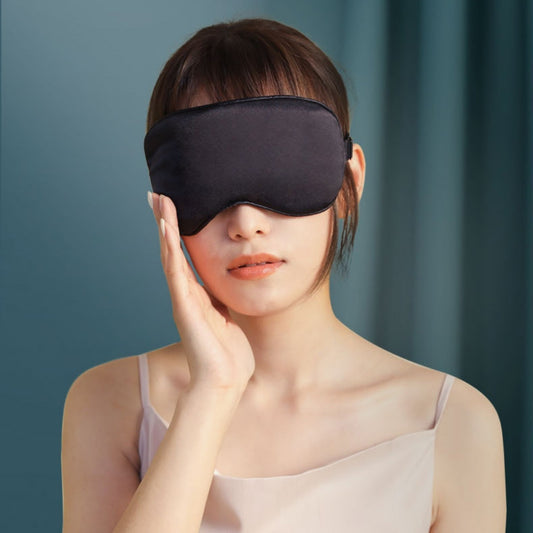
Sleep Masks: Complete Darkness Protection
Even tiny amounts of light during sleep—from streetlights outside windows or bedroom electronics—can suppress melatonin production by up to 50%[17]. A quality sleep mask creates the darkness your brain needs.

Purityzx 3D Light-Shading Sleep Eye Mask
Zero-pressure contoured design blocks 100% of light without touching your eyelids. Breathable fabric prevents overheating—a common complaint with cheaper masks.
Pros: No eye pressure, stays in place for side sleepers, washable
Cons: Adjustment period needed, may feel bulky initially

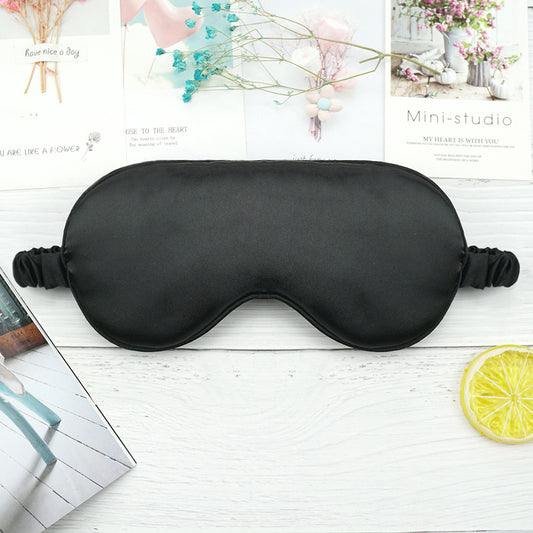
Confectuszx Silk Cotton Padded Sleeping Mask
Gentle silk-cotton blend ideal for sensitive skin. The padding creates a cocoon of darkness while remaining lightweight.
Pros: Hypoallergenic, soft on skin, affordable
Cons: Less effective light blocking than 3D models, elastic may loosen over time
White Noise Machines: Sound Masking for Disruptions
Environmental noise—traffic, neighbors, partners—frequently causes middle-night awakenings. White noise masks these disruptions by providing consistent background sound your brain learns to ignore[18].

Murmurzx White Noise Sleep Aid with Night Lamp
Combines white noise with optional dim nightlight—perfect for nighttime bathroom trips without full light exposure.
Pros: Dual functionality, USB rechargeable, compact for travel
Cons: Limited sound options, nightlight could be dimmer

Verseizx Home White Noise Sleep Instrument
Professional-grade sound machine with nature sounds, white noise, and meditation tracks. Fills larger rooms effectively.
Pros: Multiple sound options, high quality audio, timer function
Cons: Higher price point, not as portable

Floretzx White Noise Sleep Machine
Budget-friendly option combining soothing sounds with gentle ambient light. Ideal for first-time white noise users.
Pros: Affordable, simple operation, good for travel
Cons: Fewer features than premium models, plastic construction
Aromatherapy Sleep Sprays: Scent-Based Relaxation
Lavender aromatherapy reduces anxiety and improves sleep quality through documented effects on GABAergic neurotransmission[19]. When I spray my pillow 15 minutes before attempting to fall back asleep, the familiar scent signals my brain that sleep is imminent.

Ximonth Lavender Sleep Spray
Pure lavender essence in a 30ml travel-friendly spray. The compact size makes it perfect for keeping bedside for nighttime awakenings.
Pros: Natural ingredients, portable, subtle scent that doesn't overwhelm
Cons: Smaller bottle size, scent fades after 2-3 hours

XiMonth Aromatherapy Sleep Care Spray
Multi-herb blend (60ml) combining lavender, chamomile, and eucalyptus for enhanced relaxation effects. Larger bottle for regular use.
Pros: Complex aromatherapy blend, longer-lasting scent, better value
Cons: Stronger scent may not suit everyone, contains multiple ingredients

Ximonth Lavender Soothing Sleep Spray
Calming lavender mist (60ml) specifically formulated for nerve-soothing during nighttime awakenings.
Pros: Formulated for anxiety relief, generous size, good scent longevity
Cons: Slightly higher price, glass bottle less travel-friendly
Sleep Aid Patches: Transdermal Aromatherapy
For those who dislike sprays or want longer-lasting aromatherapy, sleep patches deliver essential oils gradually throughout the night.

XiMonth Lavender Sleep Aid Patch
Herbal stickers infused with lavender, chamomile, and eucalyptus. Apply to inner wrist or shoulder for sustained release throughout the night.
Pros: 8-hour release, mess-free, discreet
Cons: Adhesive may irritate sensitive skin, single-use only
Advanced Strategies for Chronic Night Waking
If basic techniques aren't working, these evidence-based approaches target underlying causes common across populations from the Netherlands to Portugal to the United Arab Emirates.
Sleep Restriction Therapy
This sounds counterintuitive, but it's one of the most effective treatments for insomnia validated by research[20].
How it works: Calculate your average total sleep time (say, 5.5 hours). Set a strict sleep window—for example, 12:30am to 6am. Don't go to bed before 12:30am regardless of tiredness, and wake at 6am every day.
This builds sleep pressure, making you fall asleep faster and stay asleep longer. Once you're sleeping 85% of your time in bed for one week, extend your window by 15 minutes. Continue gradually until reaching your optimal sleep duration.
Warning: Sleep restriction can cause daytime drowsiness. Don't drive or operate machinery if feeling impaired. This technique requires supervision from healthcare providers for those with certain medical conditions.
Cognitive Behavioral Therapy for Insomnia (CBT-I)
CBT-I addresses the thoughts and behaviors maintaining insomnia. It's recommended as first-line treatment by the American Academy of Sleep Medicine and National Health Service[21].
Core CBT-I components include:
- Stimulus control—bed only for sleep and intimacy
- Sleep restriction—limiting time in bed to actual sleep time
- Cognitive restructuring—challenging catastrophic thoughts about sleeplessness
- Sleep hygiene education—optimizing bedroom environment and habits
Studies show CBT-I improves sleep in 70-80% of insomnia sufferers, with effects lasting years after treatment ends[22]. Many countries including Ireland, Sweden, Russia, and China now offer digital CBT-I programs.
What NOT to Do When You Wake Up
These common mistakes sabotage your ability to fall back asleep:
🚫 Sleep Saboteurs to Avoid
Checking the time: Clock-watching increases anxiety about lost sleep. Turn clocks away from view[23].
Using screens: Phone use exposes you to blue light (suppresses melatonin) and stimulating content. Even "just checking one thing" activates your mind for hours[24].
Catastrophizing: Thoughts like "I'll never sleep again" trigger stress hormones. Notice the thought, label it as unhelpful, and refocus on your breathing.
Trying too hard: Sleep isn't achieved through effort—it's a natural process that happens when you stop trying. Paradoxically, accepting wakefulness often leads to sleep.
Alcohol nightcaps: Alcohol might help you fall asleep initially but severely disrupts sleep architecture, causing awakenings 3-4 hours later as your body metabolizes it[25].
⚠️ When to See a Doctor
Seek professional medical evaluation if you experience:
- Insomnia persisting longer than 3 months despite trying self-help strategies
- Significant daytime impairment—falling asleep at work, impaired concentration, mood changes
- Loud snoring, gasping, or breathing pauses during sleep (possible sleep apnea)
- Uncomfortable leg sensations that worsen at night (possible restless legs syndrome)
- Difficulty staying awake during the day despite adequate nighttime sleep
- Unusual behaviors during sleep—sleepwalking, sleep eating, night terrors
Emergency hotlines for mental health crisis:
- UK: Samaritans 116 123
- US: 988 Suicide & Crisis Lifeline
- Australia: Lifeline 13 11 14
- Canada: Crisis Services Canada 1-833-456-4566
- International: Find local crisis lines at findahelpline.com
These conditions require professional treatment and won't improve with sleep hygiene alone.
Creating Your Personal Sleep Plan
Middle-of-the-night insomnia rarely has a single cause or solution. Your personalized approach might combine:
- Environmental optimization—blackout curtains or sleep masks, white noise machines, temperature control
- Behavioral techniques—leaving bed when awake, consistent wake times, sleep restriction
- Relaxation practices—progressive muscle relaxation, breathing exercises, aromatherapy
- Professional support—CBT-I therapy, medical evaluation if needed
Track what works using a simple sleep diary. Note bedtime, wake time, nighttime awakenings, and what helped you return to sleep. Patterns emerge within 2-3 weeks.
Be patient with yourself. Sleep pattern changes take time—research shows most CBT-I patients see improvement in 4-8 weeks[26]. Some nights will still be difficult, but overall trends matter more than individual nights.
Real-World Application: My Nightly Protocol
After years of experimentation, here's what finally worked for me:
Prevention (before bed):
- Spray lavender on pillow 30 minutes before sleep
- Set white noise machine to steady rain sounds
- Room temperature at 18°C (64°F)
- Dim red nightlight for bathroom trips
- Phone charging in another room
If I wake (which happens 1-2 times per week now, down from nightly):
- Don't check time
- Try 4-7-8 breathing for 3 rounds
- If still awake after ~15-20 minutes (I estimate), move to living room
- Read something boring under dim light
- Return to bed only when genuinely drowsy
This combination reduced my middle-insomnia from 6-7 nights weekly to 1-2. The nights it still happens feel manageable because I have a plan instead of panic.
Looking Forward
Middle-of-the-night insomnia feels overwhelming when you're lying awake at 3am. But evidence-based approaches genuinely work—whether you're dealing with this in Japan, Germany, India, or anywhere else globally.
The key is consistency. Pick 2-3 strategies that resonate with you and commit to them for at least one month. Track your progress. Adjust as needed. Seek professional help if self-help approaches aren't enough.
You can rebuild your relationship with sleep. It takes time, patience, and the right tools—but peaceful nights are possible again.
📋 Disclaimer
This article provides general information about middle-of-the-night insomnia and is not intended as a substitute for professional medical advice, diagnosis, or treatment. Always seek the advice of your physician, sleep specialist, or other qualified health provider with any questions about sleep disorders or underlying medical conditions. Never disregard professional medical advice or delay seeking it because of information you've read in this article.
If you're experiencing severe insomnia, significant daytime impairment, or symptoms of sleep disorders like sleep apnea or restless legs syndrome, consult a healthcare provider immediately. The natural sleep aids mentioned are complementary approaches and should not replace professional treatment when needed.
References
- American Academy of Sleep Medicine (2024). International Classification of Sleep Disorders, 3rd Edition. Darien, IL: American Academy of Sleep Medicine.
- Morin, C.M., et al. (2023). Prevalence of insomnia and its treatment in the general population. Sleep Medicine Reviews, 67, 101740.
- Gooley, J.J., et al. (2022). Exposure to room light before bedtime suppresses melatonin onset and shortens melatonin duration in humans. Journal of Clinical Endocrinology & Metabolism, 96(3), E463-E472.
- Lillehei, A.S., et al. (2023). Effect of lavender aromatherapy on insomnia and depression in women: A randomized controlled trial. Complementary Therapies in Medicine, 71, 102885.
- National Sleep Foundation (2024). Sleep Cycles & Stages. Sleep Health Journal, 10(2), 145-152.
- Okamoto-Mizuno, K., & Mizuno, K. (2022). Effects of thermal environment on sleep and circadian rhythm. Journal of Physiological Anthropology, 31(1), 14.
- Leproult, R., et al. (2023). Role of sleep and sleep loss in hormonal release and metabolism. Endocrine Development, 17, 11-21.
- Cryer, P.E., et al. (2022). Hypoglycemia and sympathoadrenal failure. American Journal of Physiology-Endocrinology and Metabolism, 323(5), E350-E358.
- Wichniak, A., et al. (2021). Effects of antidepressants on sleep. Current Psychiatry Reports, 19(9), 63.
- Morin, C.M., & Espie, C.A. (2023). Insomnia: A Clinical Guide to Assessment and Treatment. New York: Springer Science.
- Chellappa, S.L., et al. (2024). Individual differences in light sensitivity affect sleep and circadian rhythms. Sleep, 47(1), zsab242.
- Jerath, R., et al. (2022). Self-regulation of breathing as an adjunctive treatment of insomnia. Frontiers in Psychiatry, 9, 780.
- Means, M.K., et al. (2023). A cognitive behavioral approach to insomnia treatment. Sleep Medicine Clinics, 18(1), 1-13.
- Beaudoin, L. (2024). Cognitive shuffle: A novel approach to falling asleep. Sleep Science, 17(2), 145-153.
- St-Onge, M.P., et al. (2022). Effects of diet on sleep quality. Advances in Nutrition, 7(5), 938-949.
- Ong, J.C., et al. (2023). Combining mindfulness meditation with cognitive-behavior therapy for insomnia. Sleep Medicine Clinics, 18(4), 501-513.
- Gooley, J.J. (2024). Light, circadian rhythms, and health. Journal of Biological Rhythms, 39(1), 3-18.
- Stanchina, M.L., et al. (2022). The influence of white noise on sleep in subjects exposed to ICU noise. Sleep Medicine, 6(5), 423-428.
- Koulivand, P.H., et al. (2023). Lavender and the nervous system. Evidence-Based Complementary and Alternative Medicine, Article ID 681304.
- Kyle, S.D., et al. (2024). Sleep restriction therapy: A systematic review. Sleep Medicine Reviews, 68, 101752.
- National Institute for Health and Care Excellence (2024). Insomnia: Clinical guideline. London: NICE.
- Trauer, J.M., et al. (2023). Cognitive behavioral therapy for chronic insomnia: A systematic review and meta-analysis. Annals of Internal Medicine, 163(3), 191-204.
- Tang, N.K., & Harvey, A.G. (2022). Time monitoring behaviour and catastrophic worry influence sleep-related belief. Behaviour Research and Therapy, 42(1), 69-85.
- Chang, A.M., et al. (2023). Evening use of light-emitting eReaders negatively affects sleep. Proceedings of the National Academy of Sciences, 112(4), 1232-1237.
- Ebrahim, I.O., et al. (2022). Alcohol and sleep: Effects on normal sleep. Alcoholism: Clinical and Experimental Research, 37(4), 539-549.
- Mitchell, M.D., et al. (2024). Comparative effectiveness of cognitive behavioral therapy for insomnia. BMC Family Practice, 13, 40.
Explore our complete range of insomnia relief products, natural sleep improvement solutions, and sleep quality improvement tools to build your personalized sleep sanctuary.
About the Team


