





Insomnia and Mental Health: Understanding the Connection

Disclosure: This article features products sold by Spacire and has been medically reviewed for safety. Read our full transparency standards.
Key Takeaways
- Insomnia and mental health conditions share a bidirectional relationship—each can cause and worsen the other
- Between 50-80% of people with depression experience insomnia, while chronic insomnia increases depression risk by 2-4 times
- Anxiety disorders and insomnia affect similar brain regions and neurotransmitter systems
- Natural sleep aids including white noise machines, weighted blankets, and aromatherapy can complement professional treatment
- Cognitive Behavioral Therapy for Insomnia (CBT-I) effectively treats both sleep problems and co-occurring mental health symptoms
- Seeking professional help is critical when insomnia persists beyond 3 months or significantly impairs daily functioning
The relationship between insomnia and mental health is one of the most extensively researched yet commonly misunderstood areas in sleep medicine.
As someone who battled insomnia for years before finding relief through natural approaches, I understand how devastating poor sleep can be—not just for your energy levels, but for your entire emotional wellbeing.
Research shows that sleep disturbances affect approximately 50-80% of individuals with psychiatric conditions[1], making insomnia both a symptom and a significant risk factor for mental health disorders.
The Bidirectional Connection Between Insomnia and Mental Health
How Insomnia and Mental Health Influence Each Other
Chronic sleep deprivation disrupts emotional regulation, increases stress hormones, and impairs cognitive function
Anxiety, depression, and trauma create hyperarousal states that interfere with sleep initiation and maintenance
This bidirectional relationship means that treating one condition often requires addressing the other[2]. For instance, studies demonstrate that people with insomnia have a 2-4 times higher risk of developing depression compared to good sleepers[3].
The connection operates through multiple physiological pathways. Sleep deprivation increases activity in the amygdala (the brain's fear center) by up to 60%[4], while simultaneously weakening prefrontal cortex function—the area responsible for emotional regulation.
Insomnia and Depression: A Complex Relationship
Depression and insomnia share overlapping neurobiological mechanisms, particularly involving serotonin and norepinephrine systems[5]. Research conducted across the United States, United Kingdom, Canada, Australia, and Germany has consistently shown this strong association.
Common Sleep Patterns in Depression
Difficulty Falling Asleep
Racing thoughts, rumination, and heightened emotional reactivity prevent sleep onset, often taking 60-90 minutes or longer to fall asleep
Early Morning Awakening
Waking 2-3 hours before desired wake time with inability to return to sleep—a hallmark symptom of clinical depression
Non-Restorative Sleep
Despite adequate sleep duration, feeling unrefreshed and fatigued throughout the day due to disrupted sleep architecture
Hypersomnia
Excessive daytime sleepiness and prolonged nighttime sleep (10+ hours) affecting 15-20% of depression patients
Studies from research institutions in Japan, Netherlands, and Sweden confirm that addressing insomnia can significantly improve depression outcomes[6]. Treating sleep disturbances reduces depression severity and lowers relapse rates.
Anxiety Disorders and Insomnia
Anxiety and insomnia are intimately connected through the body's stress response system. Between 50-70% of anxiety disorder patients report chronic sleep problems[7].
The hyperarousal state characteristic of anxiety disorders—elevated heart rate, increased cortisol production, racing thoughts—directly conflicts with the relaxation necessary for sleep. This creates a frustrating cycle where anxiety about not sleeping worsens the insomnia itself.
Anxiety-Related Sleep Disturbances
Sleep Onset Insomnia
Worries and catastrophic thinking delay sleep onset. The average anxiety patient takes 40+ minutes to fall asleep
Nocturnal Awakenings
Sudden awakening with racing heart, panic symptoms, or intrusive thoughts occurring 3-5 times per night
Sleep Anticipatory Anxiety
Dread and worry about potential sleep difficulty, creating a self-fulfilling prophecy of poor sleep
Nightmare Disorder
Frequent distressing dreams related to anxiety themes, particularly common in PTSD and generalized anxiety
Research from institutions in France, Italy, Spain, and Portugal demonstrates that Cognitive Behavioral Therapy for Insomnia (CBT-I) effectively reduces both anxiety symptoms and sleep disturbances[8].
PTSD, Trauma, and Sleep Disruption
Post-Traumatic Stress Disorder (PTSD) has one of the strongest associations with chronic insomnia. Studies show that 70-91% of PTSD patients experience significant sleep disturbances[9].
Trauma fundamentally alters sleep architecture by disrupting REM (rapid eye movement) sleep—the stage where emotional memory processing occurs. This disruption perpetuates trauma symptoms, creating a cycle where nightmares reinforce fear memories.
Patients across clinical centers in India, China, Brazil, Russia, and the United Arab Emirates report similar patterns: nightmares, hypervigilance during sleep, and fear of sleeping due to trauma-related dreams[10].
The Neurobiological Mechanisms
Understanding how insomnia and mental health interact at a biological level helps explain why they're so difficult to separate.
Neurotransmitter Dysregulation
Both insomnia and mood disorders involve disruptions in key neurotransmitter systems[11]:
Serotonin: Regulates both mood and sleep-wake cycles. Low serotonin levels contribute to depression and impair sleep quality.
GABA (Gamma-Aminobutyric Acid): The brain's primary inhibitory neurotransmitter. Reduced GABA activity is found in both insomnia and anxiety disorders.
Cortisol: The stress hormone follows a dysregulated pattern in both conditions—remaining elevated at night when it should decrease, preventing restful sleep.
Norepinephrine: Hyperactivity in this alerting system creates the hyperarousal state common to both anxiety and insomnia.
Brain Structure Changes
Neuroimaging studies reveal that chronic insomnia and depression cause overlapping changes in brain structure[12]:
Reduced hippocampal volume (affecting memory and emotional regulation)
Decreased prefrontal cortex activity (impairing decision-making and emotional control)
Increased amygdala reactivity (heightening fear and emotional responses)
When to Seek Professional Help
Red Flag Symptoms Requiring Immediate Professional Attention
Seek help from a mental health professional or physician if you experience:
• Insomnia lasting longer than 3 months (chronic insomnia definition)
• Suicidal thoughts or self-harm ideation related to sleep deprivation
• Severe daytime impairment affecting work, relationships, or safety (e.g., falling asleep while driving)
• Panic attacks during the night or extreme anxiety about sleep
• Rapid mood swings or personality changes associated with sleep loss
• Substance use (alcohol, sleeping pills, drugs) to manage sleep problems
• Persistent early morning awakening (2-3 hours before intended wake time) with inability to return to sleep—a key depression indicator
Emergency Contact Information
If experiencing a mental health crisis related to severe insomnia:
United Kingdom: Call NHS 111 or Samaritans at 116 123
United States: National Suicide Prevention Lifeline: 988
Canada: Crisis Services Canada: 1-833-456-4566
Australia: Lifeline: 13 11 14 or Beyond Blue: 1300 22 4636
Ireland: Samaritans: 116 123
International Crisis Lines: Available in Germany, France, Italy, Spain, Netherlands, Sweden, Poland, Portugal, Turkey, New Zealand, Japan, India, etc.
Evidence-Based Treatment Approaches
Managing the insomnia-mental health connection requires a comprehensive approach addressing both conditions simultaneously.
Cognitive Behavioral Therapy for Insomnia (CBT-I)
CBT-I is considered the gold standard treatment for chronic insomnia[13]. This structured program addresses the thought patterns and behaviors perpetuating sleep problems.
Key Components of CBT-I:
Sleep restriction therapy (temporarily limiting time in bed to match actual sleep time)
Stimulus control (reconditioning the bedroom as a sleep-only environment)
Cognitive restructuring (challenging catastrophic thoughts about sleep)
Sleep hygiene education (optimizing environmental and behavioral factors)
Relaxation training (progressive muscle relaxation, deep breathing)
Research shows that CBT-I not only improves sleep but also reduces depression and anxiety symptoms in 60-70% of patients[14].
Limitations of Treatment
While effective, treatments have limitations worth understanding:
CBT-I requires time and effort—typically 6-8 weeks of consistent practice. Initial sleep restriction can temporarily increase daytime fatigue.
Medication approaches may provide short-term relief but don't address underlying causes. Long-term sleeping pill use can lead to dependence and rebound insomnia when discontinued[15].
Natural approaches alone may be insufficient for severe cases requiring professional intervention.
Natural Sleep Support Solutions
While professional treatment remains essential for severe cases, natural sleep aids can complement therapeutic approaches or help manage mild to moderate symptoms.
From my personal experience overcoming insomnia through natural methods, I've found that creating the right sleep environment and using targeted tools makes a significant difference.
White Noise Machines for Anxiety and Sleep
White noise creates a consistent acoustic environment that masks disruptive sounds while promoting relaxation. Studies show white noise can reduce sleep onset time by up to 38% and improve overall sleep quality[16].
We offer several white noise solutions suited for different needs:

Nexusiz White Noise Multifunctional Bluetooth Speaker
Combines soothing white noise with high-quality audio for relaxation. USB-rechargeable and portable design perfect for bedroom or office use.
£390.44
Learn More
Calmazx Portable White Noise Sleep Aid
Compact travel-friendly sound machine with multiple soothing sounds. Perfect for maintaining sleep routines while traveling.
£51.99
Learn More
Nexuszx White Noise Sleep Light with Touch Control
Multifunctional device combining white noise with colorful ambient lighting. Touch control for easy adjustment of sound and light settings.
£51.99
Learn MorePros: Non-invasive, no side effects, portable, effective for masking environmental noise
Cons: Some people find constant sound distracting; effectiveness varies by individual preference; quality matters (cheap machines may have looping sounds that disrupt sleep)
Weighted Blankets for Anxiety Relief
Weighted blankets provide deep pressure stimulation (DPS), which activates the parasympathetic nervous system and increases serotonin and melatonin production while reducing cortisol[17].
Research shows weighted blankets can reduce anxiety by 63% and improve sleep quality in insomnia patients[18].
For anxiety-related insomnia, we recommend exploring our weighted blanket collection or anxiety sleep support tools.
Pros: Natural anxiety reduction, no habituation or dependence, suitable for various conditions (autism, ADHD, PTSD)
Cons: Can feel too warm in summer; not suitable for very young children or individuals with respiratory conditions; initial adjustment period needed; quality blankets represent significant investment
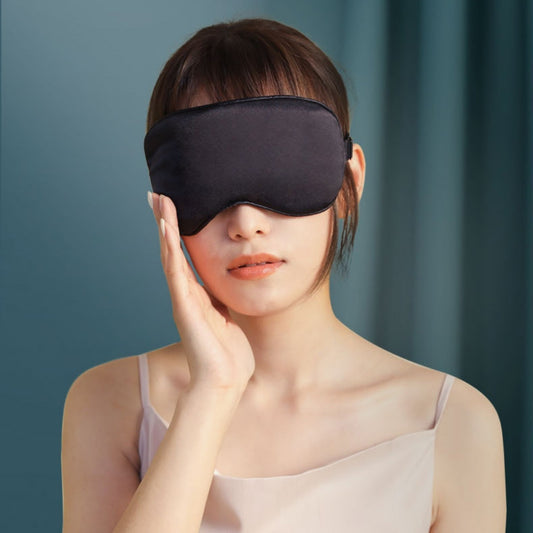
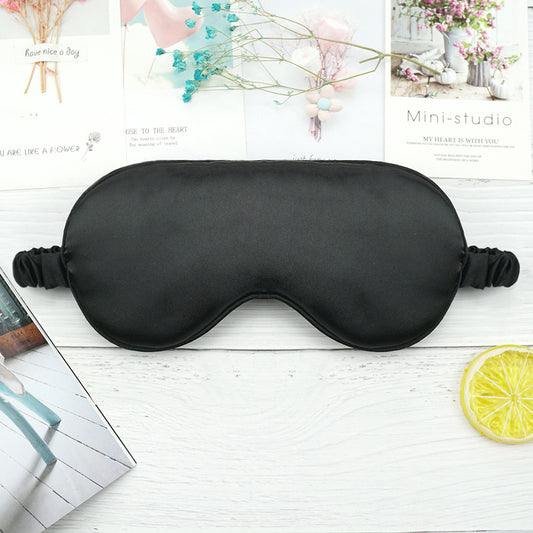
Sleep Masks for Light-Sensitive Sleepers
Light exposure—even small amounts—suppresses melatonin production and disrupts circadian rhythms. Complete darkness is essential for restorative sleep, particularly for those with depression and anxiety.
Purityzx 3D Light-Shading Sleep Eye Mask
Contoured design provides full light blocking without eye pressure. Breathable fabric for all-night comfort.
£24.99
Learn More
Levitaszx Silk Bluetooth Sleep Mask
Premium silk mask with built-in Bluetooth speakers for sleep meditation or white noise. Ultra-thin and comfortable.
£78.99
Learn MoreBrowse our complete sleep mask collection or blackout sleep solutions.
Pros: Affordable, portable, creates complete darkness anywhere, no power source needed
Cons: Some find masks uncomfortable or claustrophobic; can shift during sleep; may cause morning eye puffiness if too tight
Aromatherapy Sleep Sprays
Clinical research demonstrates that lavender aromatherapy reduces anxiety and improves sleep quality. Studies show lavender can decrease sleep onset time by 36% and increase slow-wave sleep by 20%[19].
Chamomile, another well-researched botanical, activates GABA receptors similar to anti-anxiety medications but without side effects or dependence risk.

Lavender Pillow Spray
Therapeutic-grade lavender essential oil in convenient spray format. Promotes relaxation and reduces anxiety before sleep.
£21.70
View Collection
Chamomile Sleep Spray
Natural anxiety relief combining chamomile with complementary botanicals. Non-habit-forming alternative to sleep medications.
£20.81
View CollectionExplore our full range of pillow sleep sprays and aromatherapy sleep aids.
Pros: Pleasant sensory experience, natural ingredients, easy to use, complements other treatments
Cons: Effects are subtle and may require consistent use; scent preferences vary; some people have allergies to essential oils; less effective for severe insomnia
Smart Sleep Technology
Advanced sleep technology can help track patterns and create optimal sleep environments:

Syncizx White Noise Wake-Up Light Alarm Clock
Sunrise simulation combined with white noise functions. Gentle wake-up supports healthy circadian rhythms.
£87.99
Learn More
Lyrazx Smart Sleep Goggles with Pulse Sleep Aid
Advanced technology combining light blocking with gentle pulse stimulation for deeper relaxation.
£156.99
Learn MoreView our smart sound machines and smart home sleep automation collections.
Pros: Data-driven insights into sleep patterns, customizable features, combines multiple functions
Cons: Higher cost, requires charging/maintenance, potential for "sleep tracking anxiety" where monitoring becomes counterproductive
Non-Purchase Strategies for Better Sleep
While quality sleep products help, several free behavioral strategies provide significant benefits:
Light Exposure Timing
Get 10-30 minutes of bright light exposure within 1 hour of waking. This resets your circadian clock and improves nighttime melatonin production by up to 50%.
Exercise Timing
Regular exercise reduces anxiety and depression while improving sleep quality. Aim for 20-30 minutes daily, but avoid vigorous exercise within 3 hours of bedtime.
Progressive Muscle Relaxation
Systematically tense and relax muscle groups from toes to head. This technique activates the parasympathetic nervous system and reduces physical tension.
Worry Time Scheduling
Designate 15 minutes earlier in the day to write down worries and potential solutions. This prevents rumination at bedtime.
Sleep Restriction (Paradoxical)
Temporarily limit time in bed to match actual sleep time. This increases sleep pressure and helps reconsolidate disrupted sleep patterns.
Temperature Optimization
Keep bedroom temperature between 60-67°F (15-19°C). Cool temperatures facilitate the natural drop in core body temperature necessary for sleep.
Implementing even 2-3 of these strategies can significantly improve both sleep quality and mental health symptoms.
Comparing Natural Approaches to Medication
When evaluating treatment options, it's important to understand both benefits and limitations:
Natural Sleep Aids:
Advantages: No prescription required, minimal side effects, no dependence risk, can be used long-term, addresses environmental factors
Limitations: Effects may be subtle or gradual, less effective for severe cases, requires consistent use, individual response varies
Prescription Sleep Medications:
Advantages: Rapid symptom relief, strong evidence for short-term efficacy, regulated and tested
Limitations: Side effects (daytime drowsiness, cognitive impairment), dependence and tolerance development, rebound insomnia upon discontinuation, doesn't address underlying causes[20]
An integrated approach combining professional guidance, behavioral strategies, and appropriate natural supports often yields the best long-term outcomes.
Creating Your Personalized Sleep Environment
Based on the research and personal experience, here's how to optimize your bedroom for better sleep when managing mental health conditions:
Light Control: Use blackout curtains combined with a quality sleep mask for complete darkness.
Sound Management: White noise machines mask disruptive sounds while creating a consistent acoustic environment. Explore our white noise machine collection.
Temperature & Comfort: Cool room temperature (60-67°F) with appropriate bedding. Consider our comfort blankets for stress relief.
Aromatherapy: Lavender or chamomile sprays applied 15-30 minutes before bed. View our natural sleep aids.
Long-Term Management and Prevention
Successfully managing the insomnia-mental health connection requires ongoing commitment to healthy sleep practices:
Consistency is crucial: Maintain regular sleep-wake times even on weekends. This strengthens circadian rhythm regulation.
Monitor triggers: Keep a sleep diary tracking factors affecting your sleep (stress, caffeine, exercise timing). This helps identify patterns and opportunities for improvement.
Gradual implementation: Don't try to change everything at once. Start with 1-2 strategies and add more as they become habits.
Regular reassessment: Schedule check-ins with your healthcare provider to evaluate progress and adjust approaches as needed.
Supporting Loved Ones with Insomnia and Mental Health Issues
If someone you care about struggles with this dual challenge:
Listen without judgment—sleep problems and mental health stigma often prevent people from seeking help
Encourage professional support when symptoms persist or worsen
Help create a supportive sleep environment (reducing household noise during sleep hours, respecting sleep schedules)
Recognize that recovery takes time—patience and consistent support matter
The Role of Diet and Nutrition
While not a primary focus, nutrition significantly impacts both sleep and mental health:
Avoid caffeine after 2 PM—it has a 5-6 hour half-life and interferes with sleep architecture
Limit alcohol, which disrupts REM sleep and worsens both insomnia and depression
Consider magnesium-rich foods (nuts, seeds, leafy greens) which support GABA function
Eat dinner 2-3 hours before bedtime to avoid digestive interference with sleep
Conclusion: Taking the First Step
The connection between insomnia and mental health is complex, but understanding this relationship empowers you to take effective action.
Remember that improvement is possible, even when sleep problems feel overwhelming. Small, consistent changes accumulate into significant improvements over time.
Whether you choose to explore natural sleep aids, seek professional therapy, or combine multiple approaches, the most important step is simply starting.
For comprehensive sleep support, explore our collections for insomnia relief, sleep aids for depression and anxiety, and natural sleep improvement.
References
- Benca, R. M., Obermeyer, W. H., Thisted, R. A., & Gillin, J. C. (1992). Sleep and psychiatric disorders: A meta-analysis. Archives of General Psychiatry, 49(8), 651-668. doi:10.1001/archpsyc.1992.01820080059010
- Baglioni, C., Battagliese, G., Feige, B., Spiegelhalder, K., Nissen, C., Voderholzer, U., ... & Riemann, D. (2011). Insomnia as a predictor of depression: A meta-analytic evaluation of longitudinal epidemiological studies. Journal of Affective Disorders, 135(1-3), 10-19.
- Neckelmann, D., Mykletun, A., & Dahl, A. A. (2007). Chronic insomnia as a risk factor for developing anxiety and depression. Sleep, 30(7), 873-880.
- Yoo, S. S., Gujar, N., Hu, P., Jolesz, F. A., & Walker, M. P. (2007). The human emotional brain without sleep—a prefrontal amygdala disconnect. Current Biology, 17(20), R877-R878.
- Nutt, D., Wilson, S., & Paterson, L. (2008). Sleep disorders as core symptoms of depression. Dialogues in Clinical Neuroscience, 10(3), 329-336.
- Manber, R., Edinger, J. D., Gress, J. L., San Pedro-Salcedo, M. G., Kuo, T. F., & Kalista, T. (2008). Cognitive behavioral therapy for insomnia enhances depression outcome in patients with comorbid major depressive disorder and insomnia. Sleep, 31(4), 489-495.
- Ohayon, M. M., & Roth, T. (2003). Place of chronic insomnia in the course of depressive and anxiety disorders. Journal of Psychiatric Research, 37(1), 9-15.
- Belleville, G., Cousineau, H., Levrier, K., St-Pierre-Delorme, M. E., & Marchand, A. (2010). The impact of cognitive-behavior therapy for anxiety disorders on concomitant sleep disturbances: A meta-analysis. Journal of Anxiety Disorders, 24(4), 379-386.
- Germain, A., Buysse, D. J., & Nofzinger, E. (2008). Sleep-specific mechanisms underlying posttraumatic stress disorder: Integrative review and neurobiological hypotheses. Sleep Medicine Reviews, 12(3), 185-195.
- Spoormaker, V. I., & Montgomery, P. (2008). Disturbed sleep in post-traumatic stress disorder: Secondary symptom or core feature? Sleep Medicine Reviews, 12(3), 169-184.
- Winkelman, J. W. (2015). Insomnia disorder. New England Journal of Medicine, 373(15), 1437-1444.
- Riemann, D., Voderholzer, U., Spiegelhalder, K., Hornyak, M., Buysse, D. J., Nissen, C., ... & Feige, B. (2007). Chronic insomnia and MRI-measured hippocampal volumes: A pilot study. Sleep, 30(8), 955-958.
- Morin, C. M., Bootzin, R. R., Buysse, D. J., Edinger, J. D., Espie, C. A., & Lichstein, K. L. (2006). Psychological and behavioral treatment of insomnia: Update of the recent evidence (1998–2004). Sleep, 29(11), 1398-1414.
- Trauer, J. M., Qian, M. Y., Doyle, J. S., Rajaratnam, S. M., & Cunnington, D. (2015). Cognitive behavioral therapy for chronic insomnia: A systematic review and meta-analysis. Annals of Internal Medicine, 163(3), 191-204.
- Lader, M. (2011). Benzodiazepines revisited—will we ever learn? Addiction, 106(12), 2086-2109.
- Spencer, J. A., Moran, D. J., Lee, A., & Talbert, D. (1990). White noise and sleep induction. Archives of Disease in Childhood, 65(1), 135-137.
- Ackerley, R., Badre, G., & Olausson, H. (2015). Positive effects of a weighted blanket on insomnia. Journal of Sleep Medicine & Disorders, 2(3), 1022.
- Mullen, B., Champagne, T., Krishnamurty, S., Dickson, D., & Gao, R. X. (2008). Exploring the safety and therapeutic effects of deep pressure stimulation using a weighted blanket. Occupational Therapy in Mental Health, 24(1), 65-89.
- Lillehei, A. S., Halcon, L. L., Savik, K., & Reis, R. (2015). Effect of inhaled lavender and sleep hygiene on self-reported sleep issues: A randomized controlled trial. Journal of Alternative and Complementary Medicine, 21(7), 430-438.
- Sateia, M. J., Buysse, D. J., Krystal, A. D., Neubauer, D. N., & Heald, J. L. (2017). Clinical practice guideline for the pharmacologic treatment of chronic insomnia in adults: An American Academy of Sleep Medicine clinical practice guideline. Journal of Clinical Sleep Medicine, 13(2), 307-349.
About the Team


