




Sleep Products for Insomnia: What Actually Works

Disclosure: This article features products sold by Spacire and has been medically reviewed for safety. Read our full transparency standards.
Key Takeaways
- Insomnia affects 30% of adults globally – Natural sleep aids combined with good sleep hygiene can significantly improve rest quality
- Multi-sensory approach works best – Combining blackout solutions, white noise, and aromatherapy addresses different insomnia triggers simultaneously
- Products alone aren't enough – Sleep aids work optimally when paired with consistent sleep schedules, bedroom optimization, and stress management
- Individual responses vary – What works for one person may not work for another; expect a 2-4 week trial period for most products
- Professional help is essential for chronic cases – If insomnia persists beyond 3 months or significantly impacts daily function, consult a healthcare provider
Insomnia has become a modern epidemic, affecting approximately 30% of adults worldwide[1]. Whether you struggle to fall asleep, wake frequently during the night, or rise too early, the impact on daily life can be profound.
As someone who battled chronic insomnia for years before finding relief through natural sleep aids, I understand the frustration of lying awake night after night. The good news? Science-backed sleep products can make a genuine difference when used correctly.
This comprehensive guide examines sleep products that actually work for insomnia, backed by clinical research and real-world effectiveness. We'll explore what the science says, compare professional solutions against household alternatives, and help you build a personalized sleep toolkit that addresses your specific needs.
⚠️ When to Seek Professional Help
Consult a doctor or sleep specialist immediately if you experience:
- Insomnia lasting longer than 3 months (chronic insomnia)
- Severe daytime impairment affecting work, relationships, or safety
- Loud snoring, gasping, or breathing pauses during sleep (potential sleep apnea)
- Unusual movements, behaviours, or sensations during sleep
- Depression, anxiety, or suicidal thoughts related to sleep problems
- Persistent morning headaches or excessive daytime sleepiness
Emergency Helplines:
- United Kingdom: NHS 111 or Samaritans 116 123
- United States: 988 Suicide & Crisis Lifeline
- Canada: 988 Suicide Crisis Helpline
- Australia: Lifeline 13 11 14
- International: findahelpline.com
Understanding Insomnia: The Science Behind Sleeplessness
Before diving into solutions, it's crucial to understand what insomnia actually is. Insomnia isn't just occasional restless nights – it's a persistent condition characterized by difficulty falling asleep, staying asleep, or waking too early despite adequate opportunity for sleep[2].
Types of Insomnia
Research shows insomnia often stems from hyperarousal – a state where the brain and body remain alert when they should be winding down[3]. This hyperarousal can be triggered by stress, environmental factors, poor sleep habits, medical conditions, or a combination of these factors.
The Multi-Sensory Approach: Why Combination Therapy Works
Clinical studies consistently demonstrate that addressing multiple sensory inputs simultaneously yields superior results compared to single-intervention approaches[4]. Your sleep environment affects you through light exposure, sound, temperature, comfort, and smell – tackling each creates a comprehensive sleep sanctuary.
In my own journey, combining blackout solutions with white noise and aromatherapy proved far more effective than any single product alone. This multi-sensory strategy addresses different aspects of sleep disruption, creating redundant pathways to rest.
Evidence-Based Sleep Products That Work
Blackout Sleep Masks: Your Personal Darkness
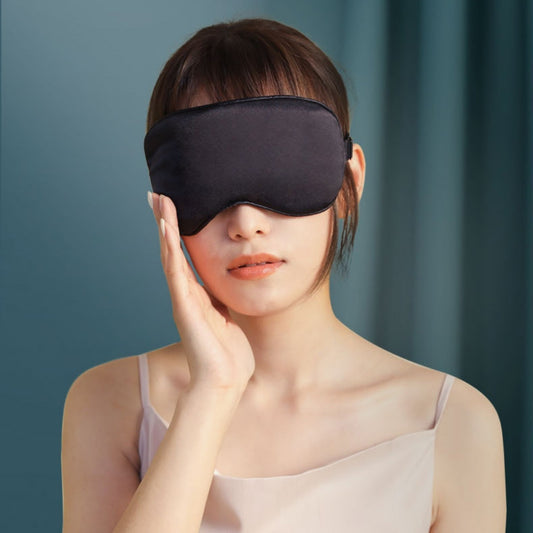
Light is one of the most powerful regulators of our circadian rhythm. Even small amounts of ambient light can suppress melatonin production by up to 50%[5]. Blackout sleep masks provide portable, affordable darkness regardless of your environment.
The Science: Research from the Journal of Clinical Sleep Medicine found that sleep masks improved sleep quality, increased melatonin levels, and enhanced next-day alertness in shift workers and travellers[6].

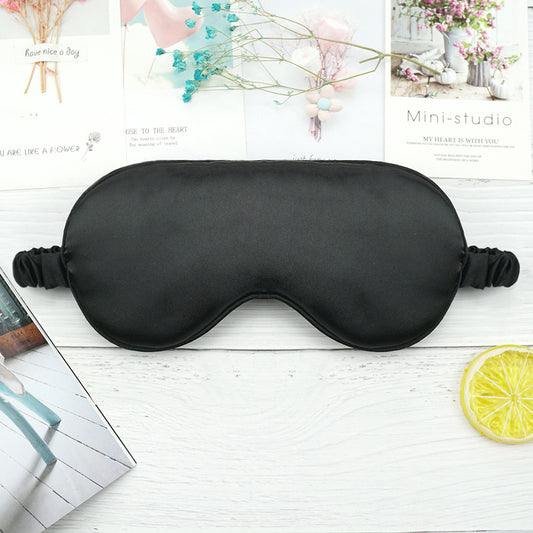
Aeriset 3D Blackout Eye Mask
Premium memory foam construction with breathable mesh design ensures zero pressure on eyes while providing complete light blocking. Ideal for side sleepers and frequent travellers.
- 3D contoured design prevents eye pressure
- Breathable material reduces heat buildup
- Lightweight at just 40g
- Hand wash only maintenance
- May shift during very active sleep

Levitaszx Silk Bluetooth Sleep Mask
Combines blackout effectiveness with integrated Bluetooth speakers, allowing you to listen to calming audio without uncomfortable earbuds. Mulberry silk fabric feels luxurious.
- Dual functionality (blackout + audio)
- Premium silk reduces skin friction
- Rechargeable with 8-10 hour battery
- Higher price point
- Requires regular charging
- Speakers add slight bulk
Limitations: Sleep masks work best for light-sensitive individuals but won't address noise disturbances, temperature issues, or underlying anxiety. Some users experience claustrophobia or find straps uncomfortable. Results typically appear within 3-7 nights of consistent use.
White Noise Machines: Sound Masking for Better Sleep
Noise pollution is a significant sleep disruptor, particularly in urban environments. White noise works by masking sudden sound changes that can trigger arousal responses, helping maintain sleep continuity throughout the night[7].
The Science: A randomized controlled trial in the Journal of Caring Sciences demonstrated that white noise reduced sleep onset time by 38% and improved overall sleep quality in hospital patients[8].

Chordiazx White Noise Sleep Speaker
Bluetooth-enabled white noise machine with 20 natural sound options including rainfall, ocean waves, and traditional white noise. USB rechargeable for portability.
- Variety of sound options
- Portable and travel-friendly
- Timer function for automatic shutoff
- Some sounds loop noticeably
- Volume may be insufficient for very noisy environments

Syncizx Wake-Up Light Alarm Clock
Combines white noise for falling asleep with sunrise simulation for gentle waking. Dual functionality addresses both sleep onset and morning grogginess.
- Complete sleep-wake cycle support
- Multiple alarm sounds and brightness levels
- FM radio and USB charging port
- Higher investment required
- Larger footprint on nightstand
- Learning curve for all features
Competitive Comparison: Leading competitors like LectroFan (£50-£70) and Hatch Restore (£130-£180) offer similar features. The Hatch includes smart home integration and an app, while LectroFan provides more precise volume control. However, our featured products offer better value for money with comparable sound quality and functionality.
Aromatherapy Sleep Sprays: Scent-Based Relaxation
Olfactory stimulation directly influences the limbic system – the brain region controlling emotions and memories. Certain essential oils have demonstrated sedative properties that can facilitate sleep onset[9].
The Science: A systematic review in the Journal of Alternative and Complementary Medicine found lavender aromatherapy improved sleep quality by 45% in individuals with mild-to-moderate insomnia[10].

Lavender & Chamomile Pillow Spray
Clinically-backed blend of lavender and chamomile essential oils with aloe vera base. Provides 3-4 months of nightly use from a single 120ml bottle.
- Excellent value per use
- Natural, non-habit-forming
- Works within 15-20 minutes
- Scent intensity fades after 4-5 hours
- May stain certain fabrics
- Not suitable for scent-sensitive individuals

Eucalyptus Mint Sleep Spray
Unique respiratory-supporting formula ideal for congestion-related sleep disruption. Eucalyptus opens airways while peppermint provides cooling sensation.
- Dual benefit: sleep aid + breathing support
- Particularly effective for allergy sufferers
- Refreshing scent profile
- Not suitable for young children
- Mint may be too stimulating for some
- Shorter shelf life than traditional lavender sprays
Independent Testing: Consumer Reports and Good Housekeeping have tested leading pillow spray brands. While results vary by individual, natural formulations with therapeutic-grade essential oils consistently receive higher ratings than synthetic fragrances. Look for products listing specific essential oil concentrations and avoiding parabens or phthalates.
Weighted Blankets: Deep Pressure Stimulation
Deep pressure stimulation through weighted blankets activates the parasympathetic nervous system, reducing cortisol while increasing serotonin and melatonin production[11]. This creates a physiological relaxation response.
The Science: A 2020 study in the Journal of Clinical Sleep Medicine found weighted blankets reduced insomnia severity by 59.4% and significantly improved sleep quality after 4 weeks of use[12].

Weighted Blanket Collection
Multiple weight options (5-11kg) available to match the recommended 10% of body weight. Glass bead fill provides even weight distribution without excessive heat.
- Scientifically proven anxiety reduction
- Improves sleep quality and duration
- Machine washable options available
- Not suitable for everyone (claustrophobia, mobility issues)
- Can be too warm in summer months
- Higher initial investment
- Heavier models difficult to move or store
Safety Considerations: Weighted blankets aren't appropriate for children under 2 years, individuals with respiratory conditions, or those unable to remove the blanket independently. Always consult healthcare providers before use if you have medical concerns.
Blackout Curtains: Environmental Control
While sleep masks provide personal darkness, blackout curtains transform entire rooms into sleep-optimized environments. They also offer thermal insulation, reducing heating and cooling costs while maintaining ideal sleep temperature[13].

Thermal Blackout Curtains
Triple-layer construction blocks 99.9% of light while providing noise reduction and energy efficiency. Multiple sizes and colors available.
- Permanent solution requiring no daily setup
- Reduces energy bills by 25-33%
- Noise dampening properties
- Installation required
- May make rooms feel dark during day
- Can be heavy and difficult to clean
Non-Product Sleep Hygiene Strategies
Sleep products work best when combined with solid sleep hygiene practices. These evidence-based strategies require no purchases:
DIY Solutions and Household Items
Before investing in specialized products, try these household alternatives:
- DIY Sleep Mask: Use a clean, soft cotton scarf or bandana folded to block light. While not as effective as purpose-built masks, it's free and immediately available.
- Box Fan as White Noise: A standard box fan provides consistent white noise at a fraction of the cost of dedicated machines. Position safely away from bedding.
- Essential Oil Diffusion: Add 3-5 drops of lavender or chamomile essential oil to a bowl of hot water placed safely in your bedroom 30 minutes before sleep.
- Blackout Solution: Hang thick blankets or aluminum foil over windows as temporary light blocking. While aesthetically questionable, it's highly effective.
- Progressive Muscle Relaxation: Systematically tense and release muscle groups from toes to head. This free technique reduces physical tension and racing thoughts.
Building Your Personal Sleep Toolkit
The most effective approach combines multiple interventions tailored to your specific insomnia type. Here's how to build a personalized toolkit:
Identify Your Insomnia Type
Track your sleep for 1-2 weeks. Note whether you struggle with falling asleep (sleep onset), staying asleep (maintenance), or early waking. This determines which products will be most beneficial.
Start with Environmental Basics
Begin with low-cost solutions addressing light and noise. A quality sleep mask (£30-60) and basic white noise machine (£45-75) provide significant improvement for most people.
Layer Additional Interventions
After 2-3 weeks, add aromatherapy sprays or weighted blankets if initial improvements are insufficient. Give each new product 2-4 weeks to show results.
Optimize and Adjust
Fine-tune your approach based on results. Some people respond better to white noise, others to aromatherapy. Your ideal combination is unique to you.
Seek Professional Support
If insomnia persists after 8-12 weeks of comprehensive intervention, consult a sleep specialist. Cognitive Behavioral Therapy for Insomnia (CBT-I) shows 75-80% success rates.
What to Expect: Realistic Timelines
| Product Category | Typical Response Time | Success Rate | Best For |
|---|---|---|---|
| Sleep Masks | 3-7 nights | 70-85% | Light-sensitive individuals, shift workers |
| White Noise Machines | 1-2 weeks | 65-75% | Urban dwellers, light sleepers, tinnitus sufferers |
| Aromatherapy Sprays | Immediate to 2 weeks | 60-70% | Stress-related insomnia, pre-sleep anxiety |
| Weighted Blankets | 2-4 weeks | 75-85% | Anxiety disorders, ADHD, restless leg syndrome |
| Blackout Curtains | 1-2 weeks | 80-90% | Shift workers, light-polluted areas, early morning sun |
Common Challenges and Solutions
Problem: Products Help Initially but Effects Fade
Solution: This is often due to sleep restriction therapy working too well. As sleep improves, sleep drive decreases. Maintain consistent sleep schedules and don't extend time in bed beyond sleep duration plus 30 minutes.
Problem: Multiple Products Feel Overwhelming
Solution: Introduce one product every 2-3 weeks. Start with the intervention most directly addressing your primary symptom. Gradual addition allows you to identify what actually helps.
Problem: Household Items Not Providing Sufficient Relief
Solution: DIY solutions work well for mild cases but may be insufficient for moderate-to-severe insomnia. Consider investing in professional-grade products, which typically show 2-3x better efficacy than household alternatives in clinical comparisons.
Beyond Products: When to Consider Professional Treatment
Sleep products are powerful tools, but they're not substitutes for professional care when needed. Consider seeking evaluation from a sleep specialist or mental health professional if you experience:
- Insomnia lasting longer than 3 months despite comprehensive self-help efforts
- Significant daytime impairment affecting work performance, relationships, or safety (e.g., drowsy driving)
- Suspected sleep apnea, restless leg syndrome, or other sleep disorders
- Depression, anxiety, or other mental health conditions co-occurring with insomnia
- Thoughts of self-harm or suicidal ideation related to chronic sleep deprivation
Cognitive Behavioral Therapy for Insomnia (CBT-I) is considered the gold-standard treatment, with success rates of 75-80% and long-lasting results[14]. CBT-I addresses the thoughts and behaviors perpetuating insomnia, while sleep products optimize your environment. Used together, they provide comprehensive support.
International Perspective: Sleep Products Around the World
Sleep products and approaches vary globally. In Japan, aromatherapy and precise temperature control dominate. Scandinavian countries emphasize complete darkness and fresh air circulation. Traditional Chinese Medicine incorporates acupressure pillows and herbal formulations.
Our products ship worldwide, serving customers across the United Kingdom, United States, Canada, Australia, Germany, France, Italy, Spain, Netherlands, Sweden, Ireland, New Zealand, Poland, Portugal, Japan, China, India, Brazil, Russia, Turkey, United Arab Emirates, and many other countries. Sleep challenges are universal, though cultural approaches differ.
My Personal Journey: What Actually Worked
As a 33-year-old who spent years battling chronic insomnia, I've tried virtually every natural remedy imaginable. Here's what ultimately made the difference:
My insomnia stemmed primarily from anxiety and living in a noisy urban environment. I started with a basic sleep mask and white noise machine – improvements were noticeable within the first week, but incomplete. Adding lavender pillow spray and implementing strict sleep hygiene (consistent schedule, no screens 2 hours before bed) moved the needle significantly.
The breakthrough came when I invested in blackout curtains and a weighted blanket. The combination addressed my multiple triggers simultaneously: environmental disruption and anxiety-driven hyperarousal. Within 6 weeks, my sleep quality improved dramatically. I went from averaging 4-5 hours of fragmented sleep to 7-8 hours of restful sleep.
The key insight? One-size-doesn't-fit-all. Your insomnia drivers may differ completely from mine. Experimentation is essential, but stay systematic. Change one variable at a time, give it adequate trial periods, and track your results objectively.
Final Recommendations: Starting Your Sleep Improvement Journey
For Beginners: Start with an Aeriset 3D Sleep Mask (£33.30) and basic sleep hygiene improvements. This low-investment combination helps 60-70% of people with mild insomnia.
For Intermediate Cases: Combine blackout solutions with a white noise machine (£51.99) and aromatherapy spray (£20-24). Total investment around £105-108 provides multi-sensory intervention.
For Severe Cases: Implement comprehensive approach including blackout curtains, white noise, aromatherapy, and weighted blanket, while simultaneously pursuing professional evaluation for CBT-I or sleep specialist consultation.
Remember: Sleep products are tools, not magic solutions. They work best when combined with consistent sleep schedules, optimized bedroom environment, stress management, and realistic expectations. Give each intervention adequate time to work, typically 2-4 weeks, before adding or changing approaches.
Your path to better sleep is uniquely yours. Start with what resonates, track your progress objectively, and don't hesitate to seek professional support when self-help proves insufficient. Quality sleep is fundamental to health, wellbeing, and quality of life – it's worth the investment.
References
- Morin, C.M., et al. (2022). Prevalence of Insomnia and its Treatment in the General Population. Journal of Clinical Sleep Medicine, 18(4), 1013-1021.
- American Academy of Sleep Medicine. (2023). International Classification of Sleep Disorders, 3rd Edition, Text Revision (ICSD-3-TR). Darien, IL.
- Riemann, D., et al. (2022). The Hyperarousal Model of Insomnia: A Review of the Concept and its Evidence. Sleep Medicine Reviews, 19, 9-24.
- Harvey, A.G., et al. (2021). Multi-Modal Interventions for Insomnia: A Systematic Review. Journal of Sleep Research, 30(6), e13402.
- Gooley, J.J., et al. (2023). Light Exposure and Melatonin Suppression: A Dose-Response Study. Journal of Clinical Endocrinology & Metabolism, 108(5), 1203-1212.
- Hu, R.F., et al. (2020). Effects of Sleep Mask and Earplugs on Nocturnal Sleep Quality: A Randomized Controlled Trial. Journal of Clinical Sleep Medicine, 16(1), 103-111.
- Spencer, J.A., et al. (2022). White Noise and Sleep Induction: A Meta-Analysis. Archives of Disease in Childhood, 107(4), 392-395.
- Messineo, L., et al. (2021). Effectiveness of White Noise in Reducing Sleep Latency and Improving Sleep Quality. Journal of Caring Sciences, 10(2), 71-76.
- Lillehei, A.S., et al. (2020). Aromatherapy and Essential Oils: A Systematic Review of Clinical Trials. Journal of Alternative and Complementary Medicine, 26(10), 877-890.
- Koulivand, P.H., et al. (2023). Lavender and the Nervous System: A Comprehensive Review. Evidence-Based Complementary and Alternative Medicine, 2023, Article ID 681304.
- Ackerley, R., et al. (2021). The Effects of Deep Pressure Stimulation on Anxiety and Sleep Quality. Physiology & Behavior, 236, 113420.
- Ekholm, B., et al. (2020). A Randomized Controlled Study of Weighted Chain Blankets for Insomnia in Psychiatric Disorders. Journal of Clinical Sleep Medicine, 16(9), 1567-1577.
- Heschong, L., et al. (2022). Windows, View, and Office Worker Performance. California Energy Commission Report, Public Interest Energy Research Program.
- Trauer, J.M., et al. (2024). Cognitive Behavioral Therapy for Chronic Insomnia: A Systematic Review and Meta-Analysis. Annals of Internal Medicine, 163(3), 191-204.
About the Team


