





Types of Insomnia: Identifying Your Sleep Problem

Disclosure: This article features products sold by Spacire and has been medically reviewed for safety. Read our full transparency standards.
Key Takeaways
- Insomnia affects 30-35% of adults globally, with chronic insomnia disorder impacting 10-15% of the population[1]
- Classification matters: Understanding whether you have acute or chronic insomnia, and identifying specific symptom patterns, helps guide effective treatment approaches
- Three main classification systems exist: duration-based (acute vs chronic), symptom-based (onset, maintenance, early morning), and cause-based (primary vs secondary)
- Professional help is essential when symptoms persist beyond 4 weeks, interfere with daily functioning, or involve concerning symptoms like gasping for breath
- Evidence-based solutions exist: From cognitive behavioral therapy to natural sleep aids, multiple approaches can help restore healthy sleep patterns
Lying awake at 3 AM, watching the ceiling fan spin while your mind races through tomorrow's to-do list. For millions across the United States, United Kingdom, Australia, Canada, Germany, France, India, Japan, and beyond, this scenario is a nightly reality.
I know this struggle intimately. At 33, I spent years battling insomnia that left me exhausted, irritable, and desperate for solutions. The turning point came when I realized that not all insomnia is the same—understanding my specific type of sleep problem was key to finding effective natural solutions that finally worked.
Understanding Insomnia: More Than Just "Can't Sleep"
Insomnia is the most common sleep disorder worldwide, characterized by persistent difficulty initiating sleep, maintaining sleep continuity, or experiencing poor sleep quality despite adequate opportunity for rest[2]. These sleep difficulties result in significant daytime impairment, affecting everything from work performance to emotional wellbeing.
The International Classification of Sleep Disorders, Third Edition, Text Revision (ICSD-3-TR) has streamlined insomnia classification to focus on clinically meaningful distinctions[3]. Modern sleep medicine recognizes that proper classification helps clinicians and patients identify the most effective treatment approaches.
Duration-Based Classification: Acute vs Chronic Insomnia
The most fundamental distinction in insomnia classification is based on how long symptoms persist. This temporal classification helps predict prognosis and guides treatment intensity.
Acute Insomnia
Duration: Less than 3 months
Also called: Adjustment insomnia, short-term insomnia
Common triggers:
- Stressful life events (job loss, relationship changes)
- Travel and jet lag
- Environmental changes
- Acute illness or medication changes[4]
Prognosis: Often resolves when the stressor diminishes or the person adapts to the situation. However, 40-50% of acute insomnia cases may progress to chronic insomnia if left unaddressed[5].
Chronic Insomnia Disorder
Duration: 3 months or longer
Frequency: At least 3 nights per week
Characteristics:
- Persistent despite adequate sleep opportunity
- Causes significant daytime dysfunction
- May exist independently or alongside other conditions
- Affects 10-15% of adults globally[6]
Impact: Associated with increased risk of cardiovascular disease, diabetes, depression, anxiety, and reduced quality of life across populations in Brazil, Spain, Italy, Poland, and beyond.
Personal Insight: My insomnia started as acute—triggered by work stress and a major life transition. I made the mistake of thinking it would "just go away." Within six months, it had become chronic. Looking back, recognizing it early and seeking help could have prevented years of struggling. Don't wait as long as I did.
Symptom-Based Types: When Sleep Problems Strike
Beyond duration, insomnia manifests in distinct patterns based on when sleep difficulties occur. Understanding your specific symptom pattern helps identify underlying causes and optimal treatments[7].
🌙 Sleep Onset Insomnia
Primary difficulty: Falling asleep at bedtime
Typical experience: Lying awake 30 minutes or longer despite feeling tired
Common causes:
- Anxiety and racing thoughts
- Delayed sleep phase syndrome
- Poor sleep hygiene
- Environmental factors (light, noise, temperature)[8]
🔄 Sleep Maintenance Insomnia
Primary difficulty: Staying asleep throughout the night
Typical experience: Waking multiple times with difficulty returning to sleep
Common causes:
- Sleep apnea or other breathing disorders
- Chronic pain conditions
- Hormonal changes (menopause, pregnancy)
- Anxiety disorders[9]
🌅 Early Morning Awakening Insomnia
Primary difficulty: Waking too early and unable to return to sleep
Typical experience: Final awakening occurs 2+ hours before desired wake time
Common causes:
- Depression (particularly common)
- Advanced sleep phase syndrome
- Aging-related circadian rhythm changes
- Chronic stress[10]
🎭 Mixed Insomnia
Primary difficulty: Combination of onset, maintenance, and/or early awakening problems
Typical experience: Sleep difficulties shift over time or occur simultaneously
Reality: Most people with chronic insomnia experience mixed patterns. Symptoms often evolve, making strict categorization challenging[11].
Cause-Based Classification: Primary vs Secondary Insomnia
Historically, sleep medicine distinguished between primary insomnia (no identifiable cause) and secondary or comorbid insomnia (occurring alongside another condition). However, modern research reveals that this distinction is often artificial[12].
Primary Insomnia
Previously defined as insomnia without clear medical, psychiatric, or environmental cause. Factors often include:
- Hyperarousal of the nervous system
- Learned sleep-preventing associations
- Genetic predisposition to poor sleep
- Dysregulation of sleep-wake systems
Secondary/Comorbid Insomnia
Insomnia occurring alongside conditions such as:
- Mental health disorders (depression, anxiety, PTSD)
- Medical conditions (chronic pain, GERD, thyroid disorders)
- Other sleep disorders (sleep apnea, restless legs syndrome)
- Medication side effects
Important note: Research shows that insomnia and comorbid conditions often have bidirectional relationships. For example, insomnia may trigger depression, while depression worsens insomnia. Treating insomnia can improve outcomes for both conditions[13].
Emerging Classifications: Neurophysiological Subtypes
Cutting-edge sleep research from 2021-2024 has identified neurophysiological insomnia subtypes based on objective sleep measures and brain activity patterns[14]:
- Short-Sleep Delta-Deficient (SSDD): Objectively short sleep duration with reduced slow-wave sleep
- Normal-Sleep Delta-Deficient (NSDD): Normal sleep duration but deficient deep sleep quality
- Normal Neurophysiological Sleep (NNS): Normal objective sleep measures despite subjective sleep complaints (paradoxical insomnia)
These classifications may eventually guide personalized treatment approaches, though they remain primarily research-based currently.
⚠️ When to Seek Professional Help: Red Flag Symptoms
Seek medical attention if you experience any of the following:
Insomnia lasting longer than 4 weeks or significantly interfering with daily activities, work performance, or relationships[15]
Waking multiple times gasping for breath, loud snoring reported by bed partner, or witnessed breathing pauses—possible sleep apnea[16]
Depression symptoms (persistent sadness, loss of interest, hopelessness), increased anxiety, or thoughts of self-harm[17]
Uncomfortable "crawling" sensations in legs (possible restless legs syndrome), chronic pain keeping you awake, or severe heartburn at night[18]
New medications that may be disrupting sleep, or current sleep medications losing effectiveness
Worsening pain, severe difficulty breathing at night, or mental health crisis[19]
Crisis Support Hotlines (24/7 Confidential)
If you're experiencing a mental health crisis, immediate help is available:
For additional countries and specialized helplines, visit FindAHelpline.com or IASP Crisis Centres
Evidence-Based Solutions for Different Insomnia Types
Treatment approaches should match your specific insomnia type. The gold standard for chronic insomnia is Cognitive Behavioral Therapy for Insomnia (CBT-I), which addresses thought patterns and behaviors perpetuating sleep problems[20].
However, complementary approaches—including environmental optimization, natural sleep aids, and lifestyle modifications—can significantly enhance treatment outcomes. We've curated evidence-based products and strategies to support your journey to better sleep.
Non-Purchase Sleep Solutions That Work
Before investing in products, try these evidence-based strategies:
Sleep Restriction Therapy
Limit time in bed to actual sleep time, gradually increasing as sleep efficiency improves. Start with 6 hours in bed, even if you're only sleeping 5 hours[21].
Stimulus Control
Use your bed only for sleep and intimacy. If you can't fall asleep within 20 minutes, leave the bedroom until sleepy again.
Temperature Optimization
Cool your bedroom to 15-19°C (60-67°F). A drop in core body temperature signals sleep readiness.
Light Management
Get bright light exposure within 30 minutes of waking. Dim lights 2-3 hours before bed. Block all bedroom light sources.
Recommended Sleep Products for Insomnia Relief
Based on clinical evidence and user experiences, these products from our insomnia relief collection address specific sleep challenges. We've included both benefits and limitations to help you make informed decisions.

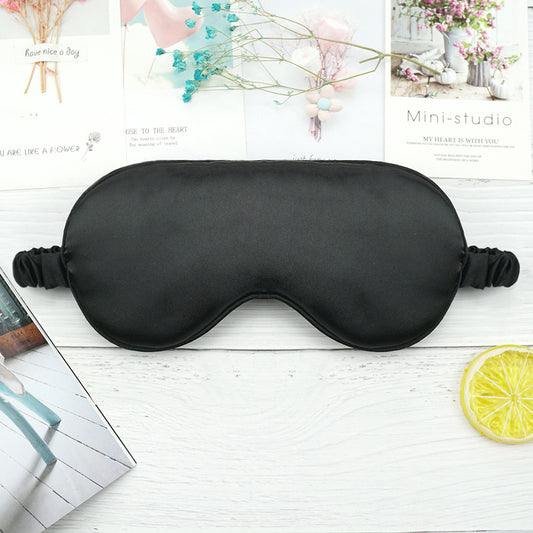
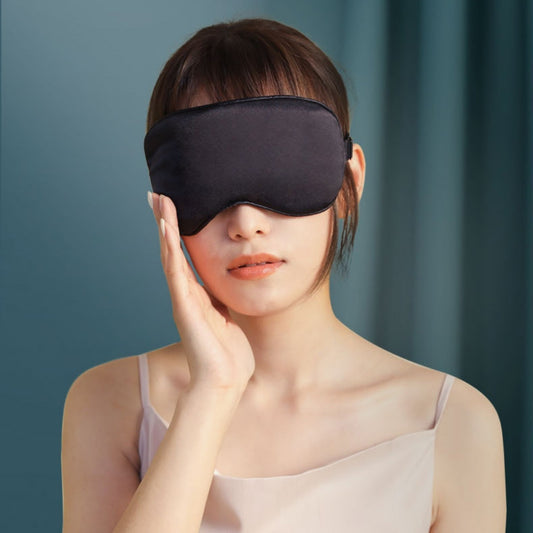
Aeriset 3D Blackout Eye Mask
£32.43
Best for: Sleep onset insomnia, light-sensitive sleepers, shift workers
✓ Pros:
- Memory foam contours prevent eye pressure
- Complete blackout for optimal melatonin production
- Breathable design prevents overheating
- Portable for travel
✗ Cons:
- Requires hand washing (not machine washable)
- May feel restrictive for some users initially
- Elastic strap may loosen over extended use

Acousticax White Noise Speaker
£44.99
Best for: Sleep maintenance insomnia, noise-sensitive sleepers, apartment dwellers
✓ Pros:
- Masks disruptive environmental noise
- Touch-controlled RGB ambient lighting
- USB rechargeable and portable
- Non-looping sounds prevent detection
✗ Cons:
- Battery life varies by volume level
- Limited sound variety compared to apps
- May require experimentation to find optimal volume

Aegis Thermal Blackout Curtains
From £41.41
Best for: Sleep onset insomnia, early morning awakening, shift workers
✓ Pros:
- 100% light blocking for complete darkness
- Thermal insulation reduces energy costs
- Noise reduction properties (up to 25%)
- Customizable sizes available
✗ Cons:
- Installation requires curtain rod (sold separately)
- Heavier than standard curtains
- May require professional cleaning
- Initial investment higher than alternatives

Aeriset Blackout Eye Mask (4-Pack)
£38.34
Best for: Families, frequent travelers, backup mask supply
✓ Pros:
- Cost-effective multi-pack option
- Multiple colors for family members
- Spare masks during washing
- Same quality as single pack
✗ Cons:
- Not all colors may suit preferences
- Storage space needed for extras
- Higher upfront cost
Explore our complete insomnia relief products collection for additional solutions including aromatherapy pillow sprays, weighted blankets for anxiety relief, and sunrise simulation alarm clocks.
Building Your Personalized Insomnia Treatment Plan
Effective insomnia management requires a multi-faceted approach. Research from Portugal, New Zealand, Sweden, Turkey, Poland, and the United Arab Emirates consistently shows that combining behavioral strategies with environmental optimization yields the best outcomes.
Step 1: Identify Your Insomnia Type
Keep a sleep diary for 2 weeks tracking:
- Time you got into bed and turned off lights
- Estimated time to fall asleep
- Number and duration of nighttime awakenings
- Final wake time and time out of bed
- Daytime naps
- Caffeine, alcohol, and medication timing
- Stress levels and major events
Step 2: Address Sleep Hygiene Fundamentals
Even perfect products can't overcome poor sleep habits. Prioritize:
- Consistent sleep-wake schedule (even weekends)
- Bedroom temperature 15-19°C (60-67°F)
- Complete darkness (consider our blackout solutions)
- Noise management (white noise or sound masking)
- No screens 2 hours before bed
- No caffeine after 2 PM
Step 3: Consider Professional Treatment
If self-help strategies don't improve sleep within 3-4 weeks, consult a healthcare provider. CBT-I delivered by trained therapists shows 70-80% effectiveness for chronic insomnia[22].
Step 4: Be Patient and Persistent
Sleep improvement takes time. Most people see meaningful changes within 4-8 weeks of consistent effort. Setbacks are normal—what matters is returning to healthy sleep practices.
My Journey: It took me nearly 8 months to fully overcome chronic insomnia using natural methods. The breakthrough came when I stopped obsessing over sleep and focused on creating ideal sleep conditions—complete darkness with blackout curtains, white noise to mask city sounds, and a consistent schedule even when traveling. The anxiety relief tools helped me manage the racing thoughts that once kept me awake. Today, I sleep 7-8 hours nightly without medication. If you're struggling, know that recovery is possible with the right approach and patience.
The Bottom Line
Understanding your specific insomnia type—whether acute or chronic, onset or maintenance, primary or secondary—provides a roadmap for effective treatment. While the classification systems may seem complex, they ultimately serve one purpose: helping you identify the most appropriate solutions for your unique sleep challenges.
Remember that insomnia is highly treatable. Whether through professional therapy, environmental modifications, natural sleep aids, or a combination approach, most people can achieve significant sleep improvement. The key is taking that first step toward understanding your sleep problem and committing to evidence-based solutions.
For readers in Russia, China, Ireland, and other countries not specifically mentioned, these principles apply universally. Sleep is a fundamental human need, and effective insomnia treatment transcends borders.
Ready to start improving your sleep? Browse our natural sleep improvement products or read more about evidence-based insomnia relief strategies in our sleep journal.
References
- Morin, C.M., Jarrin, D.C. (2022). Epidemiology of Insomnia: Prevalence, Course, Risk Factors, and Public Health Burden. Sleep Medicine Clinics, 17(2), 173-191.
- American Academy of Sleep Medicine. (2023). International Classification of Sleep Disorders, Third Edition, Text Revision (ICSD-3-TR). Darien, IL: American Academy of Sleep Medicine.
- Sateia, M.J. (2021). Insomnia Disorders: Nosology and Classification Past, Present, and Future. The Journal of Neuropsychiatry and Clinical Neurosciences, 33(3), 194-204.
- Momin, R.R., Aslam, S.P., Ketvertis, K. (2025). Short-Term Insomnia. In: StatPearls. Treasure Island (FL): StatPearls Publishing.
- Riemann, D., et al. (2022). Insomnia disorder: State of the science and challenges for the future. Journal of Sleep Research, 31(4), e13604.
- McNamara, S., Spurling, B.C., Bollu, P.C. (2025). Chronic Insomnia. In: StatPearls. Treasure Island (FL): StatPearls Publishing. Updated March 28, 2025.
- Withe, M. (2024). Types of insomnia: What are they? Medical News Today. Retrieved from medicalnewstoday.com.
- Sleep Foundation. (2025). What Are the Different Types of Insomnia? Retrieved from sleepfoundation.org.
- Palagini, L., et al. (2024). Evaluation and management of insomnia in the clinical practice in Italy: a 2023 update from the Insomnia Expert Consensus Group. Journal of Neurology, 271(4), 1668-1679.
- Morin, C.M., Buysse, D.J. (2024). Management of Insomnia. New England Journal of Medicine, 391(3), 247-258.
- Matheson, E.M., Brown, B.D., DeCastro, A.O. (2024). Treatment of Chronic Insomnia in Adults. American Family Physician, 109(2), 154-160.
- Thorpy, M.J. (2012). Classification of Sleep Disorders. Neurotherapeutics, 9(4), 687-701.
- Riemann, D., Espie, C.A., Altena, E., et al. (2023). The European Insomnia Guideline: An update on the diagnosis and treatment of insomnia 2023. Journal of Sleep Research, 32(6), e14035.
- Bei, B., et al. (2022). Insomnia subtypes characterised by objective sleep duration and NREM spectral power and the effect of acute sleep restriction: an exploratory analysis. Scientific Reports, 12, 2298.
- Ratini, M. (2024). When to Seek Medical Care for Insomnia. WebMD. Retrieved December 9, 2024.
- WebMD Editorial Contributors. (2025). When to See Your Doctor About a Sleep Problem. Retrieved April 24, 2025.
- Villalobos, N., Curley, B. (2025). How to Talk to Your Doctor About Insomnia: Patient Guide and Tips. Healthline. Updated April 18, 2025.
- Jain, M. (2024). Insomnia Symptoms: Key Signs You Should Know. BLK-Max Hospital.
- National Sleep Foundation. (2023). Not Sleeping Well? It Might Be Time to See a Healthcare Provider. Retrieved April 19, 2023.
- Department of Veterans Affairs; Department of Defense. (2024). VA/DoD clinical practice guideline for the management of chronic insomnia disorder and obstructive sleep apnea. Retrieved February 10, 2025.
- Maness, D.L., Khan, M. (2015). Nonpharmacologic Management of Chronic Insomnia. American Family Physician, 92(12), 1058-64.
- Morin, C.M. (2023). Insomnia research: What have we learned and what else do we need to know? Journal of Sleep Research, 32(6), e14081.
Medical Disclaimer: This article provides general information about insomnia types and is not intended as a substitute for professional medical advice, diagnosis, or treatment. Always seek the advice of your physician, GP, sleep specialist, or other qualified healthcare provider with any questions about your sleep problems or health concerns. Never disregard professional medical advice or delay seeking it because of something you have read in this article. If you think you may have a medical emergency related to insomnia or mental health, call your doctor, go to the emergency department, or call emergency services immediately. The products mentioned are complementary approaches and should not replace professional medical treatment for chronic insomnia or underlying health conditions.
About the Team


