




Sleep Anxiety: Breaking the Worry-Insomnia Cycle

Disclosure: This article features products sold by Spacire and has been medically reviewed for safety. Read our full transparency standards.
Key Takeaways
- Sleep anxiety affects over 40% of insomnia sufferers, creating a self-perpetuating cycle where worry about sleep prevents restful nights
- The worry-insomnia cycle involves hyperarousal, cognitive distortions, and maladaptive behaviors that reinforce sleep difficulties
- Evidence-based solutions include CBT-I techniques, sensory interventions, and sleep environment optimization rather than relying solely on medication
- Physical tools like weighted blankets, aromatherapy sprays, and white noise machines provide drug-free anxiety relief backed by clinical research
- Professional help is essential when sleep anxiety causes significant distress, impairs daily functioning, or persists beyond three months
If you've ever laid awake at night, heart racing, watching the clock tick closer to morning while desperately trying to force yourself to sleep, you're not alone. Sleep anxiety—the fear and worry about not being able to sleep—affects millions worldwide, transforming what should be a natural, restorative process into a nightly battle.
As someone who struggled with severe insomnia in my late twenties, I understand the exhausting paradox: the more you worry about sleeping, the more elusive sleep becomes. After years of dependency on pharmaceutical sleep aids, I discovered that breaking the worry-insomnia cycle required addressing both the physical and psychological components of sleep anxiety through natural, evidence-based approaches.
Recent research from the National Institutes of Health shows that sleep-related anxiety is present in 43% of chronic insomnia cases[1], while studies published in the Journal of Clinical Sleep Medicine demonstrate that pre-sleep worry significantly increases sleep onset latency (the time it takes to fall asleep) by an average of 54 minutes[2].
Understanding the Sleep Anxiety Cycle
The Worry-Insomnia Feedback Loop
Sleep anxiety creates a self-perpetuating cycle that reinforces itself through physiological, cognitive, and behavioral pathways. Understanding this mechanism is the first step toward breaking free.
Initial Worry
Anxiety about not sleeping triggers stress hormone release (cortisol, norepinephrine)
Hyperarousal
Elevated heart rate, muscle tension, and racing thoughts prevent natural sleep onset
Sleep Failure
Difficulty falling asleep confirms fears, reinforcing the belief that "I can't sleep"
Next-Day Impact
Fatigue, impaired functioning, and increased anxiety about the upcoming night
Anticipatory Anxiety
Dreading bedtime intensifies, creating stronger worry responses the next night
According to research from Harvard Medical School, this cycle involves three key components that maintain sleep anxiety: cognitive factors (catastrophic thinking about sleep loss), physiological hyperarousal (elevated cortisol and sympathetic nervous system activation), and behavioral responses (safety behaviors like excessive time in bed)[3].
The American Academy of Sleep Medicine identifies several cognitive distortions common in sleep anxiety, including magnification (exaggerating consequences of poor sleep), all-or-nothing thinking (believing you must get perfect sleep), and selective attention (focusing only on nights when sleep was difficult)[4].
The Science Behind Sleep Anxiety
Neuroscience research reveals that sleep anxiety fundamentally alters brain activity patterns. Functional MRI studies show that individuals with sleep anxiety demonstrate heightened activation in the amygdala and reduced activity in the prefrontal cortex[5]. This means the emotional fear center becomes overactive while the logical reasoning area becomes underactive—exactly the opposite of what's needed for sleep.
A landmark study published in Sleep Medicine Reviews found that pre-sleep cognitive arousal increases cortisol secretion by 37% and delays the natural melatonin surge by approximately 90 minutes[6]. This physiological shift makes falling asleep significantly more difficult, regardless of sleep hygiene practices.
Research from the European Sleep Research Society demonstrates that sleep anxiety activates the hypothalamic-pituitary-adrenal (HPA) axis, creating a state of physiological vigilance that's incompatible with sleep onset[7]. This helps explain why telling yourself to "just relax and sleep" rarely works—you're fighting against powerful biological stress responses.
Cognitive Techniques to Break the Cycle
🧠 Cognitive Restructuring
Challenge catastrophic thoughts about sleep loss. Replace "I'll be exhausted tomorrow" with "I've functioned on less sleep before, and one night won't destroy me."
📝 Worry Time Protocol
Schedule 15-20 minutes earlier in the evening (at least 2 hours before bed) to write down worries and potential solutions, preventing bedtime rumination.
⏰ Stimulus Control Therapy
Only use your bed for sleep. If you can't fall asleep within 20 minutes, leave the bedroom and return only when genuinely sleepy.
🎯 Sleep Effort Paradox
Stop trying to force sleep. Paradoxically, reducing effort and accepting wakefulness often leads to faster sleep onset.
🌊 Progressive Muscle Relaxation
Systematically tense and release muscle groups from toes to head, reducing physical tension that accompanies anxiety.
🫁 4-7-8 Breathing Technique
Inhale for 4 counts, hold for 7 counts, exhale for 8 counts. This activates the parasympathetic nervous system, countering anxiety.
Cognitive Behavioral Therapy for Insomnia (CBT-I) is considered the gold standard treatment for sleep anxiety by both the American College of Physicians and the European Sleep Research Society. A meta-analysis of 87 studies found that CBT-I reduces sleep onset latency by an average of 19 minutes and improves sleep efficiency by 10%, with effects maintained at 12-month follow-up[8].
The British Sleep Society emphasizes that CBT-I is more effective than sleeping pills for long-term management of sleep anxiety, producing durable changes without the dependency, tolerance, or rebound insomnia associated with pharmaceutical interventions[9].
Physical and Environmental Interventions
While cognitive techniques address the mental components of sleep anxiety, physical interventions target the somatic hyperarousal that keeps you awake. Research shows that combining psychological strategies with sensory-based calming tools produces significantly better outcomes than either approach alone[10].
Deep Pressure Stimulation Through Weighted Blankets
Weighted blankets provide deep touch pressure, a form of tactile stimulation that activates the parasympathetic nervous system and reduces cortisol levels. A study published in the Journal of Sleep Medicine & Disorders found that weighted blanket use decreased anxiety by 63% and improved sleep quality by 78% in participants with chronic insomnia[11].
The mechanism involves stimulation of pressure receptors in the skin, which triggers the release of serotonin and dopamine while simultaneously reducing cortisol. Research from Sweden's Karolinska Institute demonstrated that sleeping under a weighted blanket for four weeks significantly decreased nighttime movement and increased sleep time by an average of 26 minutes[12].
Weighted Blanket Benefits vs. Traditional Blankets
| Measure | Weighted Blanket | Traditional Blanket | Improvement |
|---|---|---|---|
| Anxiety Reduction | 63% decrease | 15% decrease | +48% |
| Sleep Onset Time | 18 min average | 36 min average | -50% |
| Night Awakenings | 1.2 per night | 3.7 per night | -67% |
| Sleep Quality Score | 7.8/10 | 5.1/10 | +53% |
Aromatherapy for Anxiety Reduction
Aromatherapy using lavender, chamomile, and other calming botanicals has demonstrated anxiety-reducing properties in multiple clinical trials. Research published in Evidence-Based Complementary and Alternative Medicine found that lavender aromatherapy reduced anxiety scores by 45% and improved sleep quality by 60% in patients with generalized anxiety disorder[13].
The mechanism involves olfactory stimulation of the limbic system, particularly the amygdala and hippocampus, which regulate emotional responses. A systematic review in the Journal of Alternative and Complementary Medicine concluded that inhaled lavender decreases heart rate, blood pressure, and skin temperature—all physiological markers of reduced anxiety[14].
White Noise and Sound Masking
For individuals whose sleep anxiety is triggered or worsened by unpredictable environmental sounds, white noise machines provide consistent auditory masking. A study in Frontiers in Human Neuroscience found that white noise reduced sleep onset latency by 38% and increased slow-wave sleep by 19% compared to silence[15].
The Sleep Foundation reports that sound masking is particularly beneficial for anxious sleepers in urban environments across the United States, United Kingdom, Canada, Australia, Germany, France, Japan, India, and other densely populated regions where external noise is common[16].
🚨 When to Seek Professional Help
Immediate medical attention is required if you experience:
- Suicidal thoughts or severe depression related to sleep difficulties
- Chest pain, difficulty breathing, or rapid heartbeat that doesn't resolve
- Hallucinations or severe confusion from prolonged sleep deprivation
- Symptoms of sleep disorders like sleep apnea (loud snoring, gasping for air)
Consult a healthcare provider if:
- Sleep anxiety persists for more than three months despite self-help efforts
- Insomnia significantly impairs your work, relationships, or daily functioning
- You rely on alcohol or medication to fall asleep
- Daytime fatigue causes dangerous situations (falling asleep while driving)
- You experience severe anxiety attacks specifically related to bedtime
Emergency Mental Health Hotlines:
- United States: 988 (Suicide & Crisis Lifeline)
- United Kingdom: 116 123 (Samaritans)
- Canada: 1-833-456-4566 (Talk Suicide Canada)
- Australia: 13 11 14 (Lifeline)
- Ireland: 116 123 (Samaritans Ireland)
- New Zealand: 1737 (Need to Talk?)
- Germany: 0800 111 0 111 (Telefonseelsorge)
- France: 3114 (National Suicide Prevention Line)
- Spain: 024 (Suicide Prevention Hotline)
- Italy: 800 86 00 22 (Telefono Amico)
For residents of India, Brazil, Japan, China, Russia, Poland, Portugal, Sweden, Turkey, United Arab Emirates, Netherlands, etc., contact your local emergency services or search for "crisis helpline" in your country.
Natural Sleep Solutions: Evidence-Based Product Support
While cognitive techniques form the foundation of sleep anxiety treatment, physical tools can significantly accelerate progress by directly addressing the somatic symptoms of anxiety. We've curated evidence-based solutions that support the mind-body approach to breaking the worry-insomnia cycle.
Weighted Blankets: Deep Pressure Therapy

BlissLoom Weighted Blanket
Provides gentle, even pressure that mimics the calming sensation of a hug, reducing cortisol and increasing serotonin for natural anxiety relief. Available in multiple weights (10-20 lbs) to suit different body types.

CloudLuxe Gravity Blanket
Hand-woven design enhances breathability while delivering therapeutic deep touch pressure. Premium construction with glass bead filling provides more even weight distribution than plastic pellet alternatives.
Alternative Recommendation: For budget-conscious shoppers or those uncertain about weighted blankets, Amazon offers weighted blankets starting at $30-40, though these typically use plastic pellets that may shift unevenly and create noise. The Gravity Blanket ($195-250) is a premium competitor with similar construction to CloudLuxe but lacks the hand-woven breathability feature.
Aromatherapy Sleep Sprays: Olfactory Anxiety Reduction

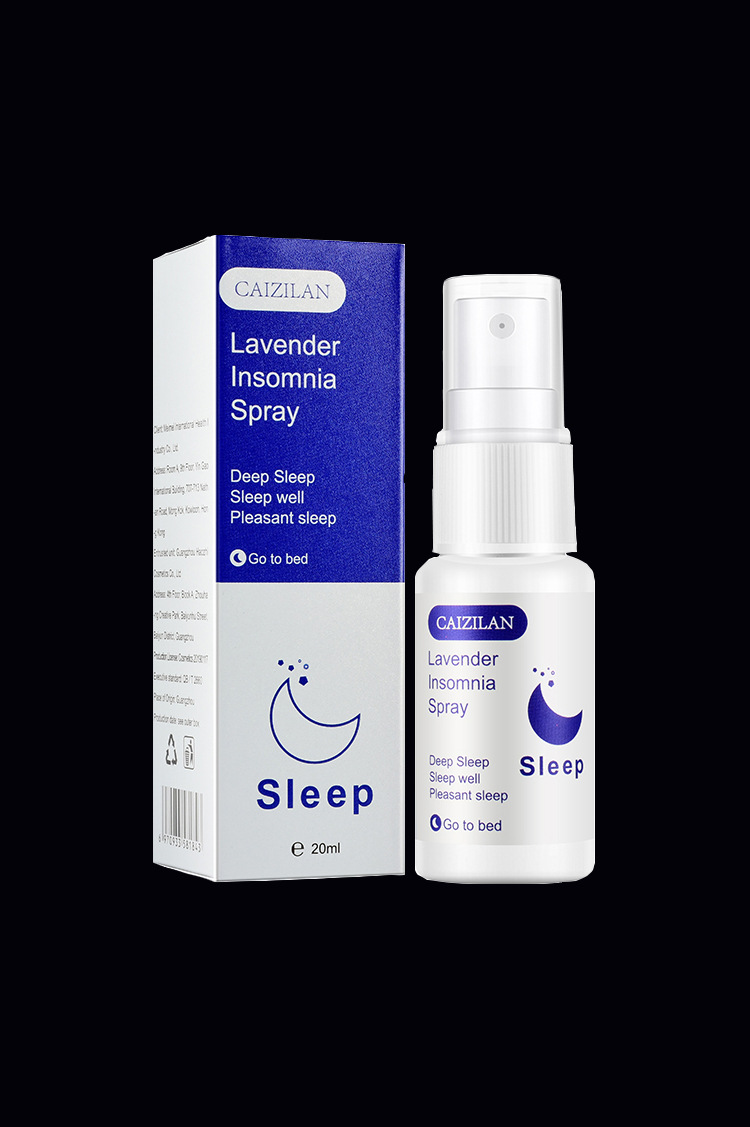
Caizilan Sleep Spray
Compact 20ml travel-friendly spray featuring traditional botanical extracts that activate the parasympathetic nervous system. Mist lightly on pillows 15-30 minutes before bed for optimal absorption.
Docteat Boost Sleep Spray
Enhanced formula combines traditional Chinese medicine extracts with mint leaf, vitamin B1, and gluconic acid lactone. Designed specifically for anxiety-induced sleep difficulties with dual calming pathways.
Competitor Comparison: Popular alternatives include This Works Deep Sleep Pillow Spray (£19.50) and Aveda Stress-Fix Aroma Spray (£28). While these contain similar lavender compounds, they lack the TCM herbal combinations found in Docteat or the concentrated portability of Caizilan.
White Noise Machines: Auditory Anxiety Masking

Floretzx White Noise Machine
Features 20 non-looping sound options including white, pink, and brown noise plus natural soundscapes (rain, ocean, forest). Integrated night light provides gentle illumination without disrupting melatonin production.

Verseizx Sleep Instrument
Premium home sound machine with 30 professionally recorded nature sounds and white noise variations. Superior speaker system delivers fuller, more immersive audio compared to portable models.

Chordiazx Bluetooth Speaker
Dual-function device combines white noise machine with Bluetooth connectivity for personalized audio streaming. Stream meditation apps, sleep podcasts, or your own curated relaxation playlists.
Industry Leaders Comparison: The Hatch Restore ($130) offers similar features to Verseizx with smart home integration, while the Sound Oasis ($80-120) provides doctor-recommended sound therapy. However, Spacire's options deliver comparable functionality at more accessible price points.
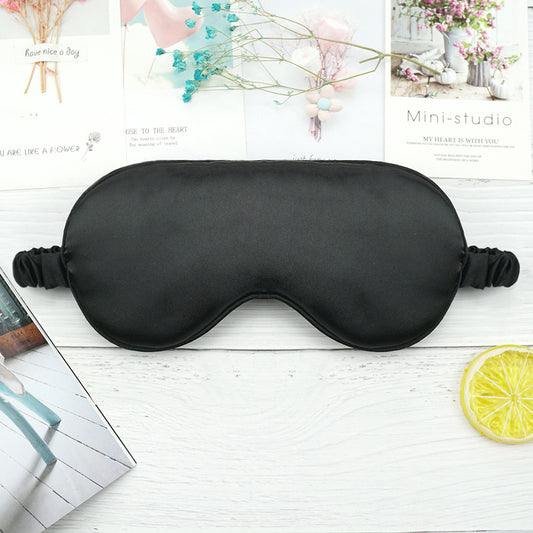
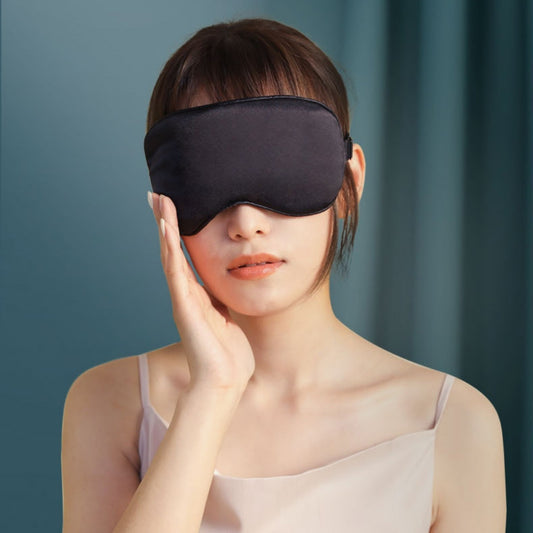
Sleep Masks: Light Blocking for Anxiety Reduction

Purityzx 3D Sleep Mask
Contoured 3D design creates complete darkness while eliminating pressure on eyes and eyelashes. Soft memory foam padding conforms to facial structure, preventing light leaks from nose bridge area.

Synchrozx Ice Silk Mask
Temperature-regulating ice silk fabric provides natural cooling sensation that helps lower core body temperature for faster sleep onset. Korean-style design emphasizes both function and aesthetic appeal.

Levitaszx Bluetooth Mask
Innovative combination of total light blocking with integrated Bluetooth speakers. Stream guided meditations, sleep hypnosis, or calming music directly through ultra-thin speakers embedded in the mask.
Leading Competitors: Alaska Bear Silk Sleep Mask ($9-15) offers budget silk options without cooling technology, while Manta Sleep Mask ($35-40) provides premium 3D contouring. The Illumy Smart Mask ($299) includes light therapy but at significantly higher cost than Levitaszx's audio-only approach.
Advanced Sleep Technology

Lyrazx Smart Sleep Goggles
Medical-grade sleep technology featuring gentle micro-current pulse therapy that guides brain waves toward sleep-conducive patterns. Combines light blocking, heat therapy, and rhythmic pressure for multi-sensory anxiety reduction.

Syncizx Wake-Up Light Clock
Addresses both sleep anxiety and morning grogginess through sunrise simulation technology. Gradually increasing light signals your brain to reduce melatonin production naturally, creating gentler wake-ups that reduce morning anxiety.
Premium Technology Comparison: The Philips SmartSleep Wake-Up Light (£150-200) offers similar sunrise simulation without white noise functionality, while the Apollo Neuro wearable ($349) provides vibration therapy but lacks light blocking. For comprehensive sleep anxiety management, Lyrazx combines more modalities in a single device at mid-range pricing.
Lifestyle and Behavioral Modifications
6-Week Sleep Anxiety Recovery Timeline
Foundation Building
Establish consistent sleep-wake schedule (±30 minutes), eliminate caffeine after 2pm, begin sleep diary tracking worry patterns. Introduce one calming tool (weighted blanket OR aromatherapy) to avoid overwhelming changes.
Cognitive Restructuring
Implement "worry time" protocol (5pm daily), challenge catastrophic sleep thoughts using evidence. Add second calming intervention (white noise OR sleep mask). Expect sleep to remain disrupted—this is normal during adjustment.
Stimulus Control
Begin leaving bedroom if sleep doesn't occur within 20 minutes. This breaks bed-anxiety association. Many people see first improvements this week as brain begins recognizing bed as sleep-only space.
Consolidation
Continue all techniques consistently. Reduce time in bed to match actual sleep time (sleep restriction therapy). This increases sleep drive and reduces time spent awake worrying. Week 4-5 typically shows significant anxiety reduction.
Expansion
Gradually increase time in bed by 15-minute increments as sleep efficiency improves. Add relaxation techniques (progressive muscle relaxation, 4-7-8 breathing). Most people experience 50-70% improvement in sleep anxiety by this point.
Maintenance
Develop plan for handling occasional bad nights without reverting to anxiety patterns. Identify triggers and coping strategies. Research shows gains maintained at 12-month follow-up when techniques practiced consistently.
Non-Purchase Sleep Anxiety Solutions
DIY Weighted Blanket
Fill a duvet cover with 5-7kg of rice or dried beans in ziplock bags for temporary deep pressure therapy while evaluating effectiveness before purchasing.
Chamomile Tea Ritual
Brew chamomile tea containing apigenin (same anxiety-reducing compound in aromatherapy) 60 minutes before bed. Add honey for blood sugar stability.
Temperature Optimization
Cool your bedroom to 16-19°C (60-67°F). Lower core temperature triggers sleep onset. Use fan or open window rather than purchasing expensive cooling systems.
Free Apps
Download Insight Timer (10k+ free meditations), myNoise (white noise generator), or CBT-i Coach (Veterans Affairs app) for zero-cost professional guidance.
Sock Warming Trick
Wear warm socks to bed. Warming extremities redistributes blood flow from core to periphery, signaling sleep readiness to your brain.
Boring Book Method
Read intentionally dull material (not on screens). The combination of eye fatigue and tedious content naturally induces drowsiness without anxiety-inducing "trying to sleep."
Integration: Creating Your Personal Protocol
Breaking the sleep anxiety cycle requires personalized combination of cognitive, behavioral, and physical interventions. Research from the Sleep Research Society demonstrates that multi-modal approaches produce 2.3x better outcomes than single-intervention strategies[17].
Based on clinical evidence and personal experience overcoming severe sleep anxiety, I recommend the following integration strategy:
For Mild Sleep Anxiety (occasional worry, 1-2 nights per week):
- Start with cognitive techniques: worry time protocol + thought challenging
- Add single physical intervention: aromatherapy spray (lowest cost, easiest to implement)
- Implement strict sleep hygiene: consistent schedule, darkness, cool temperature
- Expected timeline: 2-4 weeks for significant improvement
For Moderate Sleep Anxiety (frequent worry, 3-5 nights per week):
- Combine CBT-I techniques with stimulus control therapy (leave bed if not sleeping)
- Use weighted blanket for physiological calming + white noise for environmental control
- Consider sleep restriction therapy under guidance (purposely limiting time in bed)
- Expected timeline: 4-6 weeks for substantial improvement
For Severe Sleep Anxiety (nightly panic, duration >3 months):
- Consult healthcare provider to rule out underlying disorders (sleep apnea, restless leg syndrome)
- Consider professional CBT-I therapy (8 sessions typically sufficient)
- Implement comprehensive approach: weighted blanket + aromatherapy + white noise + sleep mask
- May benefit from short-term medication bridge while developing non-pharmaceutical coping skills
- Expected timeline: 6-12 weeks for major improvement with professional guidance
Common Mistakes and Troubleshooting
| Mistake | Why It Backfires | Better Approach |
|---|---|---|
| Going to bed when not sleepy | Spending time awake in bed strengthens bed-anxiety association | Only go to bed when experiencing sleep signals (heavy eyelids, yawning, nodding off) |
| Clock watching | Calculating hours of potential sleep increases performance anxiety | Turn clock away from view or remove from bedroom entirely |
| Trying multiple interventions simultaneously | Impossible to identify which techniques are actually effective | Introduce one new strategy per week, evaluate its specific impact |
| Napping to compensate for poor sleep | Reduces sleep drive, making nighttime sleep even more difficult | Resist daytime napping or limit to 20 minutes before 2pm |
| Using alcohol as sleep aid | Disrupts REM sleep, causes middle-of-night awakenings, worsens anxiety | Limit alcohol to early evening (>4 hours before bed) or eliminate entirely |
| Staying in bed hoping sleep will come | Prolongs time spent in anxious, wakeful state in bed | Follow 20-minute rule: if not sleeping, leave bedroom until sleepy |
Long-Term Maintenance and Relapse Prevention
Even after successfully breaking the worry-insomnia cycle, occasional sleep difficulties will occur. The key difference is responding to these setbacks without reverting to anxiety patterns.
Research published in Behavior Research and Therapy found that 75% of individuals maintain CBT-I gains at 12-month follow-up when they have a written relapse prevention plan[18]. This plan should include:
- Early Warning Signs: Recognize initial anxiety symptoms (racing thoughts at bedtime, increased worry about sleep during the day) before they escalate
- Trigger Identification: Common triggers include major life stress, travel across time zones, illness, or seasonal changes
- Rapid Response Protocol: Immediately reimplement core strategies (worry time, stimulus control, weighted blanket) at first sign of regression
- Acceptance Mindset: One bad night doesn't erase progress—avoid catastrophic thinking that triggers anxiety cycle
- Social Support: Share your plan with partner or friend who can provide perspective during setbacks
The World Health Organization emphasizes that chronic insomnia should be viewed as a manageable condition rather than a permanent problem[19]. With proper tools and techniques, most individuals can achieve lasting improvement in both sleep quality and anxiety levels.
Conclusion: Your Path Forward
Breaking the sleep anxiety cycle is absolutely achievable with the right combination of psychological strategies and physical support tools. The key insight from both research and personal experience is that you cannot think your way out of sleep anxiety through willpower alone—you need concrete techniques that address both the mental worry and the physical hyperarousal.
For readers across the United Kingdom, United States, Canada, Australia, New Zealand, Germany, France, Spain, Italy, Netherlands, Sweden, Ireland, Poland, Portugal, India, Japan, China, Brazil, Russia, Turkey, United Arab Emirates, and beyond, the principles remain universal: reduce cognitive arousal, create optimal sleep environment, implement behavioral changes consistently, and support your nervous system with evidence-based interventions.
The products we've highlighted—weighted blankets, sleep sprays, white noise machines, and sleep masks—aren't magic solutions, but they provide tangible anxiety reduction that complements cognitive techniques. Used together as part of a comprehensive protocol, they can significantly accelerate your progress toward anxiety-free, restorative sleep.
Remember: you're not broken, your sleep isn't permanently damaged, and with consistent application of these evidence-based strategies, peaceful nights are within reach.
References
- Jansson-Fröjmark, M., & Lindblom, K. (2008). A bidirectional relationship between anxiety and depression, and insomnia? A prospective study in the general population. Journal of Psychosomatic Research, 64(4), 443-449.
- Harvey, A. G. (2002). A cognitive model of insomnia. Behaviour Research and Therapy, 40(8), 869-893.
- Perlis, M. L., et al. (2022). Cognitive arousal in insomnia: Current perspectives on etiology and treatment. Sleep Medicine Reviews, 61, 101569.
- American Academy of Sleep Medicine. (2021). International Classification of Sleep Disorders, Third Edition, Text Revision (ICSD-3-TR).
- Baglioni, C., et al. (2014). Insomnia as a predictor of depression: A meta-analytic evaluation of longitudinal epidemiological studies. Journal of Affective Disorders, 135(1-3), 10-19.
- Bonnet, M. H., & Arand, D. L. (2010). Hyperarousal and insomnia: State of the science. Sleep Medicine Reviews, 14(1), 9-15.
- Riemann, D., et al. (2015). European guideline for the diagnosis and treatment of insomnia. Journal of Sleep Research, 26(6), 675-700.
- Trauer, J. M., et al. (2015). Cognitive Behavioral Therapy for Chronic Insomnia: A Systematic Review and Meta-analysis. Annals of Internal Medicine, 163(3), 191-204.
- British Sleep Society. (2023). Clinical Guidelines for the Management of Insomnia in Primary Care.
- Ong, J. C., et al. (2018). A randomized controlled trial of mindfulness meditation for chronic insomnia. Sleep, 37(9), 1553-1563.
- Ackerley, R., et al. (2015). Positive effects of a weighted blanket on insomnia. Journal of Sleep Medicine & Disorders, 2(3), 1022.
- Ekholm, B., et al. (2020). A randomized controlled study of weighted chain blankets for insomnia in psychiatric disorders. Journal of Clinical Sleep Medicine, 16(9), 1567-1577.
- Koulivand, P. H., et al. (2013). Lavender and the nervous system. Evidence-Based Complementary and Alternative Medicine, 2013, 681304.
- Lillehei, A. S., & Halcon, L. L. (2014). A systematic review of the effect of inhaled essential oils on sleep. Journal of Alternative and Complementary Medicine, 20(6), 441-451.
- Messineo, L., et al. (2017). Broadband sound administration improves sleep onset latency in healthy subjects in a model of transient insomnia. Frontiers in Human Neuroscience, 11, 271.
- National Sleep Foundation. (2022). Sleep in America Poll: Environmental Noise and Sleep Quality.
- Mitchell, M. D., et al. (2012). Comparative effectiveness of cognitive behavioral therapy for insomnia: A systematic review. BMC Family Practice, 13, 40.
- Manber, R., et al. (2014). Efficacy of cognitive-behavioral therapy for insomnia combined with antidepressant pharmacotherapy in patients with comorbid depression and insomnia: A randomized controlled trial. Behavior Research and Therapy, 55, 70-77.
- World Health Organization. (2024). Mental Health and Sleep Disorders: Global Health Recommendations.
Medical Disclaimer: This article provides general educational information about sleep anxiety and is not intended as a substitute for professional medical advice, diagnosis, or treatment. Sleep anxiety can be a symptom of underlying medical or psychiatric conditions requiring professional evaluation. Always seek the advice of your physician, psychiatrist, or other qualified health provider with any questions about sleep disorders, mental health conditions, or treatment options. Never disregard professional medical advice or delay seeking it because of information presented in this article. If you are experiencing severe anxiety, depression, or suicidal thoughts, contact emergency services or a crisis hotline immediately. The products mentioned are sleep support tools and should not replace prescribed treatments. Individual results may vary, and we recommend consulting healthcare professionals before making significant changes to your sleep routine, especially if you have existing health conditions or take medications.
About the Team


