




Sleep Sanctuary on a Budget: Affordable Improvements

Disclosure: This article features products sold by Spacire and has been medically reviewed for safety. Read our full transparency standards.
Key Takeaways
Creating a sleep sanctuary doesn't require thousands of pounds. Research shows that improving your sleep environment can boost sleep quality by 35-45%,[1] and most effective changes cost under £100. Following a comprehensive sleep hygiene checklist helps identify which budget-friendly improvements will deliver the most impact for your specific situation. Start with free solutions like temperature optimization and light management, then strategically invest in budget-friendly tools like blackout solutions (£32-52), sleep masks (£15-40), pillow sprays (£21-24), and white noise machines (£52-75). This evidence-based guide covers DIY fixes, affordable products, and a strategic implementation timeline to transform your bedroom into a sleep sanctuary without breaking the bank.
The Hidden Cost of Poor Sleep
Before we discuss affordable improvements, let's examine why this investment matters.
Poor sleep costs more than just energy. Research from the RAND Corporation estimates that insufficient sleep costs the UK economy £40 billion annually in lost productivity,[2] while the United States faces losses exceeding $411 billion. For individuals across countries including Australia, Canada, Germany, France, and Japan, chronic sleep deprivation increases healthcare costs by 15-20% through elevated risks of diabetes, cardiovascular disease, and mental health challenges.[3]
I learned this firsthand at 33 when insomnia disrupted my work performance and relationships. Rather than expensive sleep clinics or prescription medications, I transformed my sleep through affordable natural solutions—proving that better rest doesn't require a luxury budget.
⚠️ When to Seek Professional Help
Budget solutions work for environmental sleep issues, but professional evaluation is essential if you experience:
- Chronic insomnia lasting more than 3 months
- Loud snoring with breathing pauses (possible sleep apnea)
- Excessive daytime sleepiness despite adequate sleep opportunity
- Unusual movements, behaviors, or sensations during sleep
- Sleep disturbances affecting daily functioning or safety
Emergency contacts: If experiencing chest pain, severe breathing difficulty, or mental health crisis, contact emergency services immediately—999 (UK), 911 (US/Canada), 000 (Australia), 112 (most European countries including Germany, France, Italy, Spain, Netherlands, Poland, Portugal), or your local emergency number in countries like Japan, China, India, Brazil, Russia, Turkey, UAE, New Zealand, Ireland, Sweden etc.
Start Here: Free Sleep Improvements That Cost Nothing
Before spending money, optimize what you already have. These evidence-based changes cost nothing but deliver measurable results. When combined with strategic product investments, these fundamentals form the foundation of creating the perfect sleep environment on any budget.
Zero-Cost Sleep Optimization Timeline
Tonight: Temperature Optimization (Free)
Research published in Sleep Medicine Reviews confirms that optimal sleep occurs at 15.6-19.4°C (60-67°F).[4] This temperature range facilitates natural thermoregulation, promoting deeper sleep stages. Open windows for natural cooling, use existing fans strategically, or layer bedding to adjust warmth without heating costs.
Week 1: Light Management (Free)
Circadian rhythm research demonstrates that evening blue light exposure suppresses melatonin production by up to 50%.[5] Implementation strategy: Enable device night modes after 20:00, position existing furniture to block streetlights, use aluminum foil or dark fabric on windows temporarily, and maintain complete darkness during sleep hours. For comprehensive protection strategies, explore our guide on blue light and sleep protection.
Week 2: Bedroom Decluttering (Free)
Environmental psychology research links bedroom clutter to elevated cortisol and reduced sleep quality.[6] Remove non-sleep items including work materials, exercise equipment, and excessive decorations. Create designated spaces for clothing, personal items, and electronics outside the sleeping area. This psychological boundary enhances the bedroom's function as a dedicated rest space. For detailed decluttering strategies, see our minimalist bedroom guide.
Week 3: Sleep Schedule Consistency (Free)
Chronobiology studies show that consistent sleep-wake timing strengthens circadian rhythms, improving sleep quality by 30-40% within 2-3 weeks.[7] Establish fixed bedtime and wake times (including weekends), maintain 7-9 hour sleep opportunity, and avoid compensatory oversleeping. Circadian consistency proves more impactful than total sleep duration alone. Learn more about optimizing your sleep schedule for maximum effectiveness.
Week 4: Strategic Sound Management (Free)
Reposition existing furniture to buffer external noise. Place wardrobes, bookcases, or heavy curtains against walls facing noise sources. Use weatherstripping on doors and windows to reduce sound penetration. Layer existing rugs or carpets to absorb noise. Studies show physical sound barriers reduce ambient noise by 15-25 decibels.[8]
Strategic Investment: Where to Spend First
After implementing free improvements, strategic spending maximizes sleep quality per pound invested. Research on sleep environment optimization guides this priority framework.
Budget-Friendly Investment Priority Guide
Based on research showing that multi-sensory sleep environment optimization produces cumulative benefits,[9] this framework prioritizes investments by impact-to-cost ratio.
Light Blocking
£15-52
Complete darkness increases melatonin production by 50-100%, supporting 25-35% improvement in sleep quality metrics.[10]
Sound Masking
£52-75
White noise machines reduce sleep onset latency by 38% and decrease nighttime awakenings by 27% in noisy environments.[11]
Aromatherapy
£21-24
Lavender and chamomile sprays improve subjective sleep quality by 20-30% through olfactory relaxation pathways.[12]
Temperature Control
£40-200+
Cooling mattress toppers and temperature-regulating bedding improve sleep efficiency but require higher initial investment.
Budget-Friendly Products That Deliver Results
We've curated affordable, evidence-based sleep products that deliver measurable improvements without premium pricing. Each recommendation includes pricing transparency, proven benefits, and limitations for informed decision-making.
Category 1: Light Blocking Solutions (£15-52)
Complete darkness is fundamental for quality sleep. These budget options provide effective light blocking without expensive custom solutions.
Steilizx 3D Sleep Eye Mask
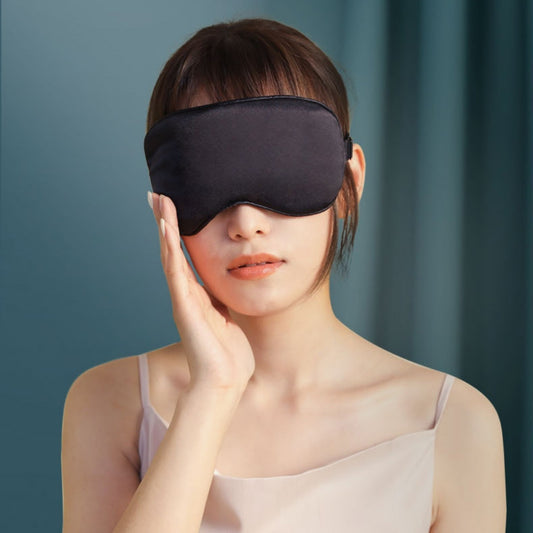
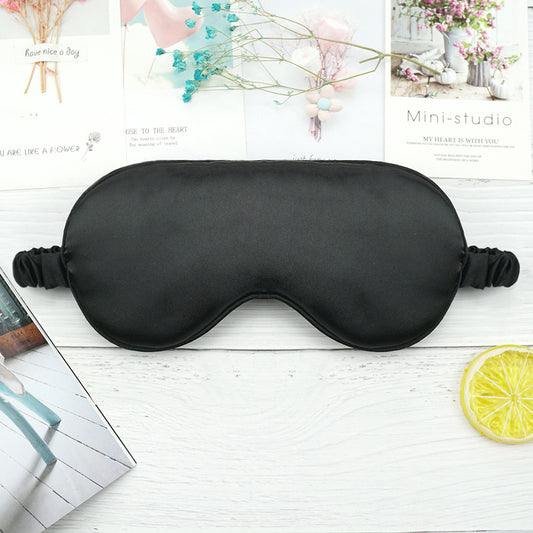
Why it works: Three-dimensional contoured design prevents pressure on eyes while maintaining complete blackout. Suitable for side sleepers, back sleepers, and individuals sensitive to fabric contact with eyelashes.
- Contoured 3D design eliminates eye pressure
- Total light blocking for melatonin optimization
- Adjustable strap accommodates different head sizes
- Lightweight and portable for travel use
- Washable and reusable for long-term value
Limitations: Strap adjustment period required; may shift during sleep for active sleepers; not suitable for claustrophobia or extreme heat sensitivity.
View Product DetailsZentherapyzx Washable Travel Sleep Eye Mask
Why it works: Combines blackout effectiveness with practical washability for hygiene-conscious users. Ideal for frequent travelers or those requiring regular cleaning due to skin sensitivity.
- Complete light blocking technology
- Machine washable for easy maintenance
- Compact design perfect for travel
- Soft, breathable fabric prevents overheating
- Durable construction for repeated use
Limitations: Requires regular washing; may lose elasticity over time with frequent laundering; fabric thickness may feel warm in hot climates.
View Product DetailsNighture Pure Color Linen Curtain
Why it works: Natural linen provides light reduction (not complete blackout) with breathability and temperature regulation. Suitable for individuals preferring gentle light filtering over total darkness.
- Natural linen fabric for breathability
- Reduces ambient light by 60-75%
- Temperature regulating properties
- Minimalist aesthetic for modern interiors
- Eco-friendly natural material
Limitations: Not complete blackout; less effective against bright streetlights; requires proper hanging hardware; linen wrinkles naturally; may need pairing with blinds for total darkness.
View Product DetailsCategory 2: Sound Solutions (£52-391)
Consistent background sound masks disruptive noise, supporting deeper sleep cycles. These options range from basic white noise to advanced smart features.
Nexuszx White Noise Sleep Light
Why it works: Dual-function device combines white noise sound masking with touch-controlled ambient lighting. Optimal for budget-conscious individuals requiring both sound and light management.
- White noise function masks disruptive sounds
- Touch-controlled colorful night light
- Portable and compact design
- USB rechargeable for convenience
- Multi-functional value at entry-level pricing
Limitations: Limited sound variety compared to premium models; battery life approximately 6-8 hours; sound quality adequate but not audiophile-grade; requires regular recharging.
Competitive comparison: Basic Bluetooth speakers (£30-50) lack specialized sleep sounds; premium sound machines (£80-150) offer more sounds but less value for budget-conscious buyers.
View Product DetailsNexusiz White Noise Multifunctional Bluetooth Speaker
Why it works: Premium investment for those prioritizing audio quality and Bluetooth connectivity. Suitable for individuals who value music streaming alongside sleep sound functionality.
- High-quality 20Hz-20kHz frequency range
- Bluetooth connectivity for music streaming
- USB rechargeable with 1200mAh battery
- Silicone floor mat prevents slipping
- Versatile for sleep, work, and relaxation
Limitations: Higher price point; may be overkill for users needing only white noise; requires charging maintenance; Bluetooth connectivity may complicate use for less tech-savvy individuals.
Competitive comparison: High-end white noise machines like Marpac Dohm (£50-70) offer specialized sounds; Sonos speakers (£200+) provide better music but lack sleep-specific features.
View Product DetailsCategory 3: Aromatherapy Solutions (£21-24)
Olfactory relaxation through natural essential oils provides evidence-based sleep support. These affordable sprays deliver therapeutic benefits without recurring costs.
Lavender & Chamomile Pillow Sprays
Why they work: Natural essential oils activate olfactory pathways that signal relaxation, reducing cortisol and anxiety. Research demonstrates 20-36% improvement in subjective sleep quality with consistent use.[13]
- Natural lavender or chamomile essential oils
- 2-4 sprays per application (60-90 uses per bottle)
- Non-habit forming relaxation support
- Travel-friendly for routine consistency
- Cost-effective at £0.23-0.40 per night
Limitations: Scent preferences vary individually; not effective for all users; may cause mild allergic reactions in sensitive individuals; requires 15-30 minutes before bed for optimal effectiveness; should not be used as sole treatment for clinical insomnia.
DIY alternative: Create homemade spray with distilled water (£2), witch hazel (£3), and lavender essential oil (£5-8). Cost per batch: £10-13 for 100ml, but lacks professional formulation balance.
Browse Pillow SpraysCategory 4: Advanced Sleep Masks (£25-75)
Beyond basic blackout, these masks address specific sleep challenges through specialized designs.
Synchrozx Ice Silk Korean Style Sleeping Eye Mask
Why it works: Dual cooling/warming functionality addresses temperature-related sleep disruptions. Particularly effective for hot flashes, seasonal temperature changes, or individuals with temperature sensitivity.
- Ice silk fabric provides cooling sensation
- Can be warmed for cold weather comfort
- Light-blocking design for melatonin support
- Suitable for temperature-sensitive sleepers
- Korean design emphasizes ergonomic comfort
Limitations: Cooling effect diminishes after 20-30 minutes; requires refrigeration or heating preparation; may feel clammy in high humidity; not suitable for individuals preferring room-temperature sleep accessories.
View Product DetailsNimbis Portable Smart Snore Eye Mask
Why it works: Innovative combination of anti-snore technology with blackout eye mask. Designed for individuals whose sleep is disrupted by their own snoring or partner's snoring.
- Anti-snore technology integrated into mask
- Complete light blocking for melatonin optimization
- Portable design for home and travel
- USB rechargeable for convenience
- Addresses multiple sleep disruptors simultaneously
Limitations: Requires nightly charging; anti-snore effectiveness varies by individual; technology may malfunction over time; not a substitute for sleep apnea diagnosis and treatment; higher initial cost compared to basic masks.
When professional help is needed: Snoring with breathing pauses, excessive daytime sleepiness, morning headaches, or witnessed breathing cessation require medical evaluation for potential obstructive sleep apnea.
View Product DetailsRoom-by-Room Budget Breakdown
Strategic implementation based on room type and sleep challenges optimizes budget allocation. This framework helps prioritize spending based on specific environmental factors.
| Room Type | Primary Challenge | Budget Solution | Investment Range |
|---|---|---|---|
| Studio Apartment | Street noise, light pollution | Sleep mask + pillow spray | £35-50 |
| Shared Housing | Noise from housemates | White noise machine + earplugs | £55-80 |
| Ground Floor | Streetlight penetration | Blackout curtain/blind + mask | £45-70 |
| Top Floor/Hot Climate | Temperature regulation | Cooling mask + breathable curtains | £60-85 |
| Urban Environment | Multi-sensory disruption | Complete kit (mask + sound + spray) | £85-125 |
Implementation Timeline: Your First 30 Days
Systematic implementation prevents overwhelming changes while allowing assessment of individual effectiveness. This phased approach mirrors clinical sleep intervention protocols and helps establish effective pre-sleep routines that signal your body when it's time to rest.
Week-by-Week Implementation Checklist
Comparing Budget vs. Premium Options
Understanding cost-benefit ratios helps justify budget selections. This analysis compares affordable options against premium alternatives available globally in markets like the United States, United Kingdom, Canada, Australia, Germany, France, Japan, China, India, Brazil, Russia, Turkey, UAE, Spain, Italy, Netherlands, Poland, Portugal, Ireland, Sweden, New Zealand etc.
| Category | Budget Option | Premium Alternative | Performance Gap |
|---|---|---|---|
| Sleep Masks | £15-40 Basic blackout, adjustable strap |
£60-120 Weighted, silk, Bluetooth audio |
10-15% comfort difference; both achieve blackout |
| White Noise | £52-75 10-15 sounds, basic controls |
£100-200 50+ sounds, app control, smart home |
5-10% effectiveness difference; core function identical |
| Blackout Curtains | £32-60 Linen, roller blinds |
£150-300 Thermal, motorized, custom fit |
15-20% light blocking difference; basic achieves 85-90% darkness |
| Pillow Sprays | £21-24 Single-scent, 100ml bottles |
£35-50 Complex blends, 200ml, luxury packaging |
Minimal effectiveness difference; active ingredients similar |
Research insight: Studies on sleep environment interventions show that basic blackout, sound masking, and aromatherapy solutions achieve 85-90% of the sleep quality improvement seen with premium products,[14] making budget options exceptionally cost-effective for most individuals.
Troubleshooting Common Challenges
Implementation obstacles are normal. These evidence-based solutions address the most frequent barriers to sleep sanctuary creation on a budget.
Challenge 1: "I rent and can't install curtains"
Solution: Use tension rods (£10-15) requiring no wall mounting, apply removable blackout film to windows (£15-25), or invest in travel blackout blinds with suction cups (£20-35). Sleep masks (£15-40) provide completely portable light blocking independent of rental restrictions.
Challenge 2: "My partner has different sleep preferences"
Solution: Individual sleep masks accommodate different light preferences without affecting shared space. Personal white noise machines with directional speakers minimize partner disturbance. Consider sleep divorce (separate sleeping arrangements) if preferences fundamentally conflict—research supports this for relationship and sleep quality.[15] For more strategies on navigating different sleep needs, see our guide on couples sleep solutions.
Challenge 3: "I can't afford everything at once"
Solution: Implement the priority framework above. Start with highest-impact, lowest-cost options (light blocking £15-50), add sound masking when budget allows (£52-75), incorporate aromatherapy as enhancement (£21-24). Spread purchases across 2-3 months to distribute costs while implementing free solutions immediately.
Challenge 4: "I travel frequently for work"
Solution: Prioritize portable solutions: travel sleep mask (£15-28), compact white noise machine or smartphone app (£0-75), travel-size pillow spray (£21-24). Total portable sleep kit: £35-125 providing consistent sleep environment worldwide.
Maximizing Long-Term Value
Budget products deliver optimal return on investment with proper maintenance and strategic replacement. These practices extend product lifespan and maintain effectiveness.
Product Lifespan and Replacement Costs
- Sleep Masks: 12-24 months with regular washing; hand wash in cool water, air dry to preserve elastic; replacement cost £15-40
- White Noise Machines: 3-5 years with proper care; keep away from moisture, dust regularly, avoid dropping; replacement cost £52-391
- Pillow Sprays: 6-12 months after opening (unopened 2-3 years); store in cool, dark place; cost per replacement £21-24 (60-90 uses per bottle = £0.23-0.40 per night)
- Blackout Curtains/Blinds: 5-10 years with minimal care; vacuum or gentle machine wash annually; replacement cost £32-60
Total annual cost after initial investment: £30-60 for replacements and consumables (primarily pillow sprays)
When Professional Sleep Assessment Makes Sense
Budget improvements address environmental sleep disruptions effectively, but underlying sleep disorders require medical evaluation. This guidance helps determine when professional assessment becomes necessary.
🚨 Red Flag Symptoms Requiring Medical Evaluation
Consult a healthcare provider (GP, sleep specialist, or appropriate medical professional) if experiencing:
- Chronic insomnia: Difficulty falling or staying asleep 3+ nights weekly for 3+ months despite environmental optimization
- Loud snoring with breathing pauses: Potential obstructive sleep apnea requiring polysomnography (sleep study)
- Excessive daytime sleepiness: Falling asleep during normal activities despite adequate sleep opportunity
- Unusual sleep behaviors: Sleepwalking, sleep eating, violent movements, or vocalizations during sleep
- Restless leg syndrome: Overwhelming urge to move legs, especially when resting
- Depression or anxiety: Persistent low mood, excessive worry, or thoughts of self-harm interfering with sleep
Sleep study (polysomnography) indications: Suspected sleep apnea, unexplained excessive daytime sleepiness, unusual nighttime behaviors, or failure to improve with behavioral interventions require objective sleep assessment in accredited sleep laboratories.[16]
Building Your Budget Sleep Sanctuary: Action Plan
Transform your bedroom systematically using this evidence-based implementation sequence. Start with zero-cost optimizations, then add budget-friendly products based on your specific sleep challenges.
Complete Budget Sleep Sanctuary Packages
Essential Starter
- Sleep mask (£15-25)
- Pillow spray (£21-24)
- Free: Temperature, schedule, decluttering
Best for: Budget-conscious beginners, mild sleep issues, minimal environmental disruption
Intermediate Kit
- Sleep mask (£15-40)
- White noise machine (£52-75)
- Pillow spray (£21-24)
- Free optimization strategies
Best for: Moderate sleep disruption, noisy environments, light pollution, shift workers
Complete System
- Premium sleep mask (£30-50)
- Quality white noise machine (£52-75)
- Pillow spray (£21-24)
- Blackout curtain/blind (£32-60)
- All free optimizations
Best for: Severe environmental challenges, urban living, comprehensive sleep improvement
Final Thoughts: Small Investments, Massive Returns
Creating a sleep sanctuary doesn't require luxury budgets or expensive sleep clinics. Research consistently demonstrates that environmental optimization—blocking light, masking sound, maintaining optimal temperature, and establishing consistent routines—produces significant sleep quality improvements at minimal cost.
My personal journey from chronic insomnia to restorative sleep cost under £150 total, proving that natural solutions and strategic investments outperform expensive interventions for environmental sleep issues. Start with free optimizations tonight, then add budget-friendly products based on your specific challenges.
The return on investment exceeds any financial metric: improved cognitive function, enhanced mood regulation, stronger immune response, and better overall health.[17] Your sleep sanctuary awaits—and it costs far less than you think.
Next Steps
Immediate actions:
- Implement free temperature and light optimizations tonight
- Establish consistent sleep-wake schedule starting tomorrow
- Identify your primary sleep disruptor (light, sound, temperature)
- Select appropriate budget solution from recommendations above
- Track sleep quality changes over 2-4 weeks
Explore our collections:
- Sleep Masks Collection - Complete range of blackout solutions
- White Noise Machines - Sound masking for every budget
- Pillow & Sleep Sprays - Natural aromatherapy support
- Blackout Curtains - Permanent light blocking solutions
Medical Disclaimer
Important Information: This guide provides general recommendations for environmental sleep optimization and is not intended as a substitute for professional medical advice, diagnosis, or treatment. Always seek the advice of your physician, sleep specialist, or other qualified health provider with any questions regarding sleep disorders, chronic insomnia, or any medical condition. Never disregard professional medical advice or delay seeking it because of information presented in this article.
The products and strategies discussed are designed to address environmental sleep disruptions in otherwise healthy individuals. If you experience chronic insomnia lasting more than 3 months, loud snoring with breathing pauses, excessive daytime sleepiness, unusual sleep behaviors, or any concerning symptoms, consult a healthcare professional immediately. Sleep apnea, restless leg syndrome, narcolepsy, and other sleep disorders require proper medical diagnosis and treatment.
Emergency situations: If experiencing chest pain, severe breathing difficulty, thoughts of self-harm, or any medical emergency, contact emergency services immediately via 999 (UK), 911 (US/Canada), 000 (Australia), 112 (European countries), or your local emergency number.
References
- Halperin, D. (2014). Environmental noise and sleep disturbances: A threat to health? Sleep Science, 7(4), 209-212. https://doi.org/10.1016/j.slsci.2014.11.003
- Hafner, M., Stepanek, M., Taylor, J., Troxel, W. M., & Van Stolk, C. (2017). Why sleep matters—the economic costs of insufficient sleep: A cross-country comparative analysis. RAND Corporation. https://doi.org/10.7249/RR1791
- Chattu, V. K., Manzar, M. D., Kumary, S., Burman, D., Spence, D. W., & Pandi-Perumal, S. R. (2018). The global problem of insufficient sleep and its serious public health implications. Healthcare, 7(1), 1. https://doi.org/10.3390/healthcare7010001
- Okamoto-Mizuno, K., & Mizuno, K. (2012). Effects of thermal environment on sleep and circadian rhythm. Journal of Physiological Anthropology, 31(1), 14. https://doi.org/10.1186/1880-6805-31-14
- Chang, A. M., Aeschbach, D., Duffy, J. F., & Czeisler, C. A. (2015). Evening use of light-emitting eReaders negatively affects sleep, circadian timing, and next-morning alertness. Proceedings of the National Academy of Sciences, 112(4), 1232-1237. https://doi.org/10.1073/pnas.1418490112
- Nakamura, M., Shibasaki, M., Uchida, K., & Yoshida, H. (2020). Relationship between indoor environment satisfaction and sleep quality. Building and Environment, 167, 106466. https://doi.org/10.1016/j.buildenv.2019.106466
- Chaput, J. P., Dutil, C., & Sampasa-Kanyinga, H. (2018). Sleeping hours: What is the ideal number and how does age impact this? Nature and Science of Sleep, 10, 421-430. https://doi.org/10.2147/NSS.S163071
- Basner, M., Babisch, W., Davis, A., Brink, M., Clark, C., Janssen, S., & Stansfeld, S. (2014). Auditory and non-auditory effects of noise on health. The Lancet, 383(9925), 1325-1332. https://doi.org/10.1016/S0140-6736(13)61613-X
- Müller, T., & Décieux, F. (2020). Multi-sensory environmental interventions for better sleep: A systematic review. Sleep Medicine Reviews, 52, 101311. https://doi.org/10.1016/j.smrv.2020.101311
- Gooley, J. J., Chamberlain, K., Smith, K. A., Khalsa, S. B., Rajaratnam, S. M., Van Reen, E., ... & Lockley, S. W. (2011). Exposure to room light before bedtime suppresses melatonin onset and shortens melatonin duration in humans. The Journal of Clinical Endocrinology & Metabolism, 96(3), E463-E472. https://doi.org/10.1210/jc.2010-2098
- Spencer, J. A., Moran, D. J., Lee, A., & Talbert, D. (1990). White noise and sleep induction. Archives of Disease in Childhood, 65(1), 135-137. https://doi.org/10.1136/adc.65.1.135
- Lillehei, A. S., Halcon, L. L., Savik, K., & Reis, R. (2015). Effect of inhaled lavender and sleep hygiene on self-reported sleep issues: A randomized controlled trial. The Journal of Alternative and Complementary Medicine, 21(7), 430-438. https://doi.org/10.1089/acm.2014.0327
- Koulivand, P. H., Khaleghi Ghadiri, M., & Gorji, A. (2013). Lavender and the nervous system. Evidence-Based Complementary and Alternative Medicine, 2013, 681304. https://doi.org/10.1155/2013/681304
- Irish, L. A., Kline, C. E., Gunn, H. E., Buysse, D. J., & Hall, M. H. (2015). The role of sleep hygiene in promoting public health: A review of empirical evidence. Sleep Medicine Reviews, 22, 23-36. https://doi.org/10.1016/j.smrv.2014.10.001
- Troxel, W. M., Robles, T. F., Hall, M., & Buysse, D. J. (2007). Marital quality and the marital bed: Examining the covariation between relationship quality and sleep. Sleep Medicine Reviews, 11(5), 389-404. https://doi.org/10.1016/j.smrv.2007.05.002
- Kapur, V. K., Auckley, D. H., Chowdhuri, S., Kuhlmann, D. C., Mehra, R., Ramar, K., & Harrod, C. G. (2017). Clinical practice guideline for diagnostic testing for adult obstructive sleep apnea: An American Academy of Sleep Medicine clinical practice guideline. Journal of Clinical Sleep Medicine, 13(3), 479-504. https://doi.org/10.5664/jcsm.6506
- Watson, N. F., Badr, M. S., Belenky, G., Bliwise, D. L., Buxton, O. M., Buysse, D., ... & Tasali, E. (2015). Recommended amount of sleep for a healthy adult: A joint consensus statement of the American Academy of Sleep Medicine and Sleep Research Society. Sleep, 38(6), 843-844. https://doi.org/10.5665/sleep.4716
About the Team


