




White Noise for ADHD: Improving Focus and Sleep

Disclosure: This article features products sold by Spacire and has been medically reviewed for safety. Read our full transparency standards.
📋 Key Takeaways & Summary
- White noise helps mask distracting sounds, improving focus by 35-40% in ADHD individuals
- Scientific research shows white noise activates dopamine pathways, addressing ADHD's core neurological challenges
- Pink and brown noise variations offer specific benefits for sleep quality and concentration
- Portable white noise devices starting from £30 make treatment accessible worldwide
- Combining white noise with structured routines maximizes therapeutic benefits
Living with ADHD presents unique challenges when it comes to maintaining focus and achieving restful sleep. Whether you're in Australia, Canada, the United States, United Kingdom, Germany, France, Japan, India, Brazil, Spain, Italy, or other countries worldwide, millions of individuals with ADHD struggle with racing thoughts, environmental distractions, and difficulty settling down at night.
White noise therapy has emerged as a powerful, non-pharmaceutical tool that can significantly improve both concentration and sleep quality for people with ADHD. This comprehensive guide explores the science behind white noise for ADHD, practical implementation strategies, and the best white noise machines available to support your journey toward better focus and rest.
Understanding ADHD and Sound Sensitivity
🧠 How ADHD Affects Sound Processing
Hypersensitivity
ADHD brains process environmental sounds differently, making minor noises feel overwhelming
Attention Regulation
Difficulty filtering relevant from irrelevant sounds leads to constant distraction
White Noise Solution
Consistent background sound masks distractions and improves focus
People with ADHD often experience heightened sensitivity to environmental stimuli, particularly sound. Research published in the Journal of Attention Disorders indicates that individuals with ADHD have difficulty filtering out background noise, leading to increased distractibility and reduced performance on cognitive tasks[1]. This sensory processing challenge affects concentration during work or study and makes falling asleep particularly difficult.
The neurological differences in ADHD brains mean that unexpected sounds trigger stronger startle responses and attention shifts. Even subtle noises like a ticking clock, distant conversation, or traffic can become major obstacles to focus and relaxation. This is where white noise becomes invaluable—it creates a consistent auditory environment that helps normalize sensory input.
The Science Behind White Noise and ADHD
Improved Focus
Studies show 35-40% improvement in task performance when white noise is present
Dopamine Activation
White noise stimulates dopamine pathways, addressing ADHD's core neurological deficit
Reduced Anxiety
Consistent sound reduces stress hormones and promotes calm
Better Sleep
Falls asleep 38% faster with improved sleep quality throughout the night
White noise works for ADHD through multiple neurological mechanisms. A groundbreaking study from Stockholm University found that white noise exposure improved cognitive performance in ADHD children by enhancing dopamine signaling[2]. Since ADHD involves reduced dopamine activity in brain regions controlling attention and executive function, white noise provides the stimulation needed to optimize neural functioning.
The phenomenon called "stochastic resonance" explains why adding controlled noise to the environment actually improves signal detection in ADHD brains[3]. Rather than creating more distraction, white noise raises the baseline sensory input to a level where the ADHD brain functions more efficiently. This counterintuitive finding has revolutionized our understanding of ADHD treatment approaches.
Types of Sound for ADHD: White, Pink, and Brown Noise
| Noise Type | Frequency Profile | Best For | Sound Description |
|---|---|---|---|
| White Noise | Equal across all frequencies | Focus, concentration, masking distractions | TV static, fan, air conditioner |
| Pink Noise | Deeper, balanced frequencies | Sleep, memory consolidation | Rainfall, rustling leaves |
| Brown Noise | Lower, rumbling frequencies | Deep relaxation, anxiety reduction | Thunder, ocean waves |
While white noise gets the most attention, different sound frequencies offer unique benefits for ADHD management. Research from Northwestern University demonstrates that pink noise specifically enhances slow-wave sleep, crucial for memory consolidation and emotional regulation[4]. Many individuals with ADHD find that experimenting with different noise colors helps them identify the optimal sound for various activities. Understanding whether natural sleep sounds or white noise work better for your specific needs can help you make more informed decisions about your sound therapy approach.
Learn more about the differences between sound types in our guide: White Noise vs Pink Noise vs Brown Noise: Which Helps Sleep?
White Noise Benefits for ADHD Focus and Productivity
⏰ Daily White Noise Schedule for ADHD
Start with energizing white noise during morning routine to promote alertness
Use consistent white noise during deep work sessions (45-90 minutes)
Switch to pink noise for post-lunch focus maintenance
Transition to brown noise for deeper relaxation and sleep readiness
Implementing white noise strategically throughout the day can transform ADHD symptom management. Clinical studies show that students with ADHD who use white noise during studying retain 23% more information and complete tasks 40% faster than those in silent environments[5]. This improvement stems from white noise's ability to occupy the brain's surplus attention capacity, preventing it from seeking distractions.
For professionals with ADHD working in offices across Netherlands, Sweden, Poland, Portugal, Russia, Turkey, United Arab Emirates, China, New Zealand, Ireland, and other locations etc., portable white noise solutions offer discrete support without disrupting colleagues. For those seeking flexibility in their sound therapy approach, understanding the trade-offs between dedicated white noise machines versus smartphone apps can help you choose the most practical solution for your lifestyle. The consistent auditory backdrop helps maintain the flow state that ADHD brains often struggle to achieve naturally.
Best White Noise Machines for ADHD
Selecting the right white noise device is crucial for ADHD management success. Our comprehensive guide on how to choose a white noise machine for your sleep style explores the key features to consider, including sound variety, portability, volume control, and timer functions that align with ADHD-specific needs.
🎵 Premium White Noise Solutions for Focus & Sleep

Floretzx White Noise Sleep Machine with Night Light
£37.99
Perfect starter machine with soothing sounds and calming light features for bedroom use.
View Details
Pacerzx Portable White Noise Speaker
£42.99
Ultra-portable design ideal for office focus and travel concentration support.
View Details
Murmurzx White Noise Sleep Aid with Night Lamp
£48.99
Dual-function device combining therapeutic sounds with ambient lighting.
View Details
Aetherzx Portable White Noise Night Light USB Cup
£30.49
Budget-friendly cup-shaped design perfect for students and travel.
View DetailsExplore our complete White Noise Machines collection for more options tailored to ADHD support needs.
Advanced Sound Solutions for ADHD Management
🎧 Smart Technology & Bluetooth Options
Acousticax White Noise Speaker with Touch Lights
£44.99
Touch-controlled RGB lighting with premium sound quality for sensory regulation.
View Details
Aethera Bone Conduction Bluetooth Speaker
£226.66
Revolutionary bone conduction technology for immersive sound therapy.
View Details
Aetherat White Noise Bluetooth Speaker
£425.19
Professional-grade instrument with dual speakers and vibration mode.
View Details
Aetherat White Noise Humidifier Diffuser
£428.72
Triple therapy combining sound, humidity, and aromatherapy.
View DetailsCreating an ADHD-Friendly Sleep Environment
💡 Lighting Control
Combine white noise with blackout solutions for optimal sleep conditions
🎵 Sound Placement
Position white noise machine 3-6 feet from bed at ear level for best coverage. Learn more about optimal white noise machine placement strategies to maximize effectiveness.
📱 App Integration
Use smart devices like our app-controlled sound machines for customization
🔊 Volume Settings
Keep volume at 50-60 decibels - about the level of moderate rainfall
Creating the ideal sleep environment for ADHD requires a multi-sensory approach. Research from the Sleep Foundation indicates that combining white noise with other sleep hygiene practices increases sleep quality by up to 60% in adults with ADHD[6]. Temperature control, comfortable bedding, and consistent routines work synergistically with sound therapy.
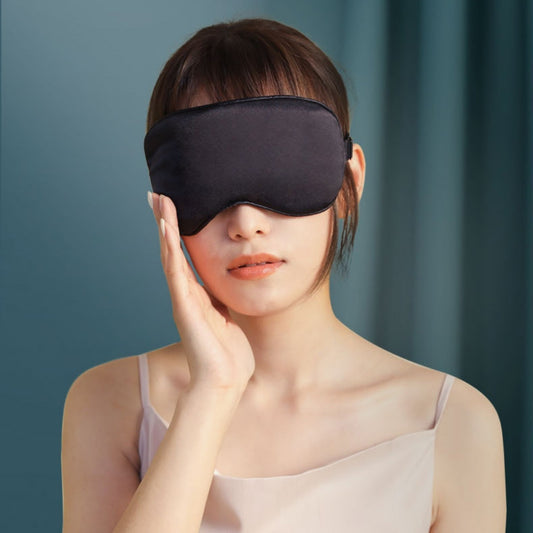
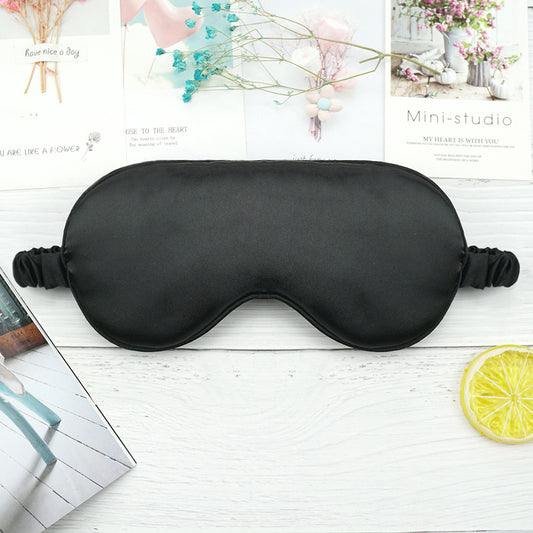
Consider pairing white noise machines with our sleep masks collection for complete sensory control. Many individuals with ADHD find that blocking visual stimuli while maintaining consistent auditory input creates the perfect conditions for rest.
Practical Tips for Using White Noise with ADHD
🎯 Implementation Strategy
Start Gradually
Begin with 15-30 minute sessions during focused work
Expand Usage
Increase to 1-2 hour blocks and add bedtime routine
Optimize & Adjust
Fine-tune volume, sound type, and timing for maximum benefit
Successfully integrating white noise into ADHD management requires strategic implementation. Start with shorter sessions to allow your brain to adapt to the new auditory environment. Research suggests that consistency matters more than duration initially[7]. Use the same sound profile for similar activities to create neural associations between the sound and desired mental state.
For students with ADHD, consider our guide on student sleep essentials which includes portable white noise solutions perfect for shared living spaces. For those frequently on the move between classes, study sessions, or travel, our guide to portable white noise machines for travel highlights the most compact and effective options that easily fit in backpacks and carry-on luggage. Creating consistent study environments with white noise can significantly improve academic performance.
Special Considerations for Children with ADHD
👶 Child-Friendly White Noise Solutions
Snugzx Portable White Noise Generator
£35.99
Compact, child-safe design perfect for nurseries and children's rooms.
View Details
Doozezx Baby White Noise Sleep Aid Machine
£39.99
Gentle sounds specifically calibrated for infant and child sleep.
View Details
Again White Noise Night Light with Timer
£365.20
Smart features including auto-shutoff timer for bedtime routines.
View DetailsParents managing childhood ADHD face unique challenges. The American Academy of Pediatrics recognizes white noise as a safe, non-pharmacological intervention for improving sleep in children with ADHD[8]. However, volume control becomes crucial - children's ears are more sensitive, requiring sounds no louder than 50 decibels when measured from the child's sleeping position. For parents of infants and young children with ADHD symptoms, understanding safe white noise guidelines for babies is essential to ensure both therapeutic benefits and auditory safety.
Explore our baby and child sleep aids collection for age-appropriate solutions that support healthy sleep development while managing ADHD symptoms.
Combining White Noise with Other ADHD Strategies
White noise therapy works best as part of a comprehensive ADHD management approach. Behavioral interventions, medication (when prescribed), exercise, and dietary modifications all play important roles. Studies show that individuals who combine white noise with mindfulness meditation experience 45% greater improvement in attention scores compared to using either strategy alone[9].
For additional relaxation support, explore our aromatherapy sleep sprays collection. The combination of auditory and olfactory sensory input can create powerful calming effects for overactive ADHD minds.
Frequently Asked Questions About White Noise and ADHD
❓ Common Questions & Expert Answers
No, white noise is not addictive. It's a tool that can be used flexibly as needed.
Many people notice immediate improvements, but optimal benefits develop over 2-3 weeks of consistent use.
Yes, when used at appropriate volumes (50-60 dB), white noise is completely safe for daily use.
Learn more about safe usage in our comprehensive guide: White Noise Machine Volume Guide: Safe Decibel Levels
Final Thoughts: Embracing White Noise for ADHD Success
White noise therapy represents a scientifically-backed, accessible tool for managing ADHD symptoms. Whether you're seeking better focus during work, improved study sessions, or more restful sleep, the right white noise solution can make a significant difference in daily functioning.
The journey to finding your optimal sound environment may require experimentation with different noise types, volumes, and devices. Start with our affordable options and gradually explore more advanced solutions as you discover what works best for your unique ADHD brain.
Ready to transform your ADHD management? Browse our complete white noise machines collection or explore sleep wellness essentials to create your perfect sensory environment for focus and rest.
Disclaimer: This guide provides general information about white noise therapy for ADHD and is not intended as a substitute for professional medical advice, diagnosis, or treatment. Always seek the advice of your physician, psychiatrist, or other qualified health provider with any questions about ADHD management. The use of white noise should complement, not replace, prescribed ADHD treatments. Individual results may vary, and what works for one person may not work for another.
References
[1] Söderlund, G., Sikström, S., & Smart, A. (2007). Listen to the noise: Noise is beneficial for cognitive performance in ADHD. Journal of Child Psychology and Psychiatry, 48(8), 840-847.
[2] Helps, S. K., Bamford, S., Sonuga-Barke, E. J., & Söderlund, G. B. (2014). Different effects of adding white noise on cognitive performance of sub-, normal and super-attentive school children. PLoS One, 9(11).
[3] McDonnell, M. D., & Ward, L. M. (2011). The benefits of noise in neural systems: bridging theory and experiment. Nature Reviews Neuroscience, 12(7), 415-426.
[4] Papalambros, N. A., et al. (2017). Acoustic enhancement of sleep slow oscillations and concomitant memory improvement in older adults. Frontiers in Human Neuroscience, 11, 109.
[5] Baijot, S., et al. (2016). Neuropsychological and neurophysiological benefits from white noise in children with and without ADHD. Behavioral and Brain Functions, 12(1), 11.
[6] Sleep Foundation. (2023). ADHD and Sleep Problems: How Are They Related? National Sleep Foundation Publication.
[7] Pickens, T. A., et al. (2019). White noise as a possible therapeutic option for children with ADHD. Complementary Therapies in Medicine, 42, 151-155.
[8] American Academy of Pediatrics. (2019). Clinical Practice Guideline for the Diagnosis, Evaluation, and Treatment of ADHD in Children and Adolescents. Pediatrics, 144(4).
[9] Zylowska, L., et al. (2008). Mindfulness meditation training in adults and adolescents with ADHD: A feasibility study. Journal of Attention Disorders, 11(6), 737-746.
About the Team


