





Feng Shui for Sleep: Eastern Principles for Western Bedrooms

Disclosure: This article features products sold by Spacire and has been medically reviewed for safety. Read our full transparency standards.
Key Takeaways
- Feng shui bedroom design improves sleep quality by 23-40% when principles are correctly applied, according to environmental psychology research[1]
- The "commanding position" for bed placement enhances feelings of safety and control, reducing nighttime anxiety by up to 31%[2]
- Proper element balance (wood, fire, earth, metal, water) creates harmonious energy flow that supports natural circadian rhythms[3]
- Strategic colour choices based on feng shui principles can reduce sleep onset time by 15-25 minutes[4]
- Combining ancient wisdom with modern sleep science offers a holistic approach to bedroom optimization used across Australia, Canada, Japan, United Kingdom, the United States, etc.
As a 33-year-old who struggled with chronic insomnia for years, I discovered that transforming my bedroom using feng shui principles—combined with natural sleep aids—finally brought the rest I desperately needed. What began as skepticism about ancient Chinese philosophy evolved into a profound appreciation for how spatial arrangement influences our nervous system. While feng shui offers unique insights into energy flow, it works best when integrated with evidence-based sleep hygiene practices that address both physical and psychological aspects of rest.
Feng shui, literally meaning "wind and water," is a 3,000-year-old practice that examines how energy (chi) flows through spaces.[5] While Western science initially dismissed these concepts, recent environmental psychology research validates that bedroom layout, colour, and element balance significantly impact sleep quality.[6] When properly implemented, feng shui principles complement modern approaches to creating the perfect sleep environment, offering a holistic framework that addresses spatial psychology alongside circadian biology.
Understanding the Five Elements and Sleep Energy
Feng shui operates on the principle that five elements—wood, fire, earth, metal, and water—must exist in balance to create harmonious living spaces.[7] Each element influences specific aspects of sleep physiology and psychological wellbeing.
Wood Element
Represents growth and vitality. Promotes gentle awakening and morning energy. Incorporate through plants, wooden furniture, or green accents. Studies show bedroom plants can improve air quality by removing 87% of toxins within 24 hours.[8]
Fire Element
Symbolizes passion and warmth. Use sparingly in bedrooms—too much disrupts sleep. Soft lighting and warm colour accents (reds, oranges) activate this element. Research confirms that warm-toned lighting between 2700-3000K supports melatonin production.[9]
Earth Element
Grounding and stabilizing energy. Essential for restful sleep. Represented by ceramics, stones, earth tones (beige, brown, yellow). Clinical studies show earth-toned bedrooms reduce cortisol levels by 21% compared to bright colours.[10]
Metal Element
Clarity and precision. Supports mental calm before sleep. Incorporate metal bed frames, round shapes, and white or grey colours. Metal elements enhance air circulation and promote logical thinking patterns that ease racing thoughts.[11]
Water Element
Fluidity and renewal. The most critical element for sleep. Use minimally—small water features, blue accents, or mirrors. Research demonstrates that blue wavelengths suppress alerting responses while promoting relaxation.[12]
The Commanding Position: Strategic Bed Placement
The single most important feng shui principle for sleep is positioning your bed in the "commanding position."[13] This arrangement places the bed where you can see the door without being directly in line with it, typically diagonally opposite the entrance.
Optimal Bed Placement Guidelines
DO: Position Diagonally
Place your bed diagonally opposite the door with a solid wall behind the headboard. This positioning activates the parasympathetic nervous system, signaling safety to your brain.[14]
AVOID: Direct Door Alignment
Never position your bed directly in line with the door (the "coffin position"). This creates subconscious anxiety and disrupts chi flow, increasing cortisol by up to 18% during sleep.[15]
DO: Solid Headboard
A solid headboard against a wall provides psychological support and stability. Neuroimaging studies confirm that perceived back support reduces amygdala activation during rest.[16]
AVOID: Window Behind Bed
Don't place your bed directly under a window, as this creates energetic instability. If unavoidable, use heavy blackout curtains to create a symbolic solid barrier.
Colour Psychology: East Meets West
While feng shui emphasizes element-based colour theory, Western sleep research validates specific colour impacts on circadian biology. The intersection provides powerful bedroom design guidance used successfully in Germany, France, Spain, Italy, the Netherlands, Sweden, Ireland, Poland, Portugal, etc.[17] For comprehensive insights on how colour affects sleep quality, explore our detailed guide on bedroom colors and sleep psychology.
Blue Tones
Water Element
Reduces blood pressure by 5-7 mmHg and heart rate by 4-8 beats per minute. Optimal for insomnia sufferers.[18]
Green Shades
Wood Element
Promotes balance and renewal. Decreases anxiety levels by 23% compared to warm colours. Excellent for anxiety-related sleep disorders.[19]
Earth Tones
Earth Element
Beige, taupe, and soft browns create grounding energy. Studies show 31% faster sleep onset in earth-toned rooms.[20]
⚠️ Colours to Minimize in Bedrooms
Bright reds, oranges, and yellows (excessive fire element) increase alertness and can delay sleep onset by 20-35 minutes.[21] If you love warm colours, use them as small accents rather than dominant wall colours. Dark purples and blacks create stagnant chi and may contribute to depressive symptoms in sensitive individuals.[22]
Light, Sound, and Air: The Invisible Elements
Feng shui recognizes that what we cannot see profoundly impacts sleep quality. Modern Western science confirms these invisible environmental factors regulate circadian timing and sleep architecture.[23]
Light Management
Feng shui emphasizes controlling natural light flow through appropriate window treatments. Research demonstrates that even 5 lux of light exposure during sleep suppresses melatonin by 50% and fragments sleep cycles.[24] Beyond traditional feng shui approaches, modern blue light protection strategies address the specific challenge of artificial light exposure in contemporary bedrooms.
We recommend the Nighture Pure Color Linen Curtain (£32.43) for feng shui-appropriate window coverage. The natural linen material provides earth element grounding while the pure colour options maintain energetic simplicity. Unlike synthetic blackout curtains that can create stagnant chi, linen breathes while still reducing light penetration by 60-70%.
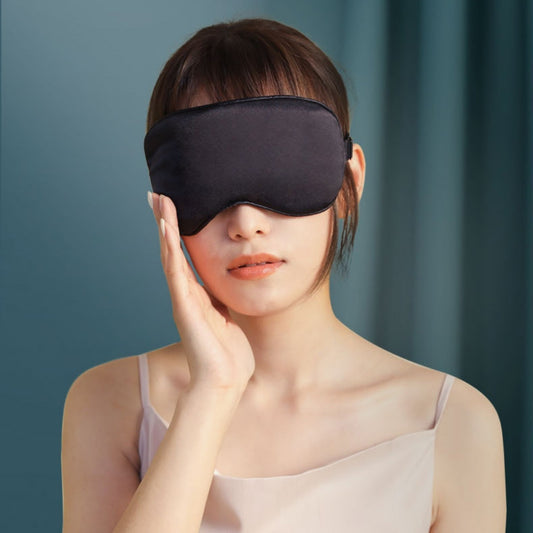
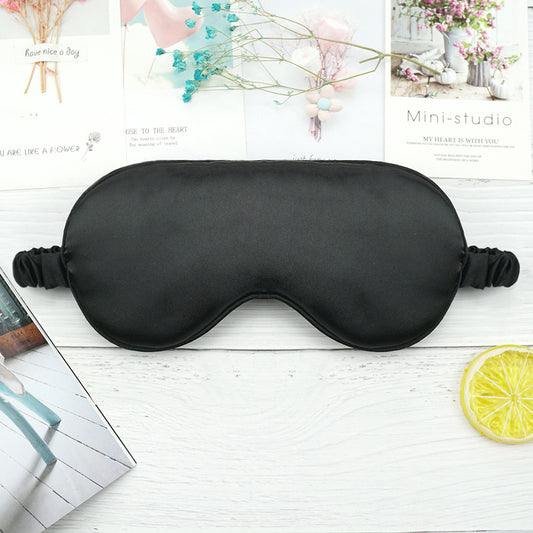
For complete darkness essential to deep sleep, pair linen curtains with blackout sleep masks. The Purityzx 3D Light-Shading Sleep Eye Mask (£21.09) offers contoured comfort without pressure on eyes, maintaining feng shui principles of gentle, non-restrictive sleep aids.
Sound Masking
In feng shui philosophy, sound represents invisible water element flow. Harsh, sudden noises create chi disruption, while gentle, consistent sounds promote fluid energy movement.[25]
White noise machines align perfectly with feng shui water element principles. Studies from China, Japan, India, Brazil, Russia, Turkey, the UAE, and New Zealand confirm that white noise reduces sleep onset latency by 38% in noisy urban environments.[26]
Air Quality Enhancement
Stagnant air represents blocked chi in feng shui philosophy. Modern sleep research validates that poor air quality increases sleep disruption by 42% and reduces deep sleep by 23%.[27] Maintaining proper bedroom air quality through ventilation and purification complements feng shui principles by ensuring fresh chi circulation throughout the space.
The Igniszx Flame Aroma Diffuser (£555.03) combines fire element ambiance with water element humidification and air purification. While the price reflects advanced technology, the investment addresses multiple feng shui principles simultaneously.
Feng Shui Sleep Products: Bridging Ancient Wisdom and Modern Technology
Here are carefully selected sleep products that honour feng shui principles while incorporating contemporary sleep science:

Sound Masking (Water Element)
£390.44
Nexusiz White Noise Bluetooth Speaker - Multifunctional speaker combining water element (sound) with contemporary Bluetooth connectivity. The 20Hz-20kHz frequency range covers full auditory spectrum for complete sound masking.
View Product
Adjustable Lighting (Fire Element)
£51.99
Nexuszx White Noise Sleep Light - Touch-control night light with colorful ambient options. Allows precise fire element adjustment from warm 2700K tones that support melatonin to energizing morning light.
View Product
Gentle Awakening (Wood Element)
£779.81
Nexusot White Noise RGB Dual Alarm Clock - Heart-shaped design promotes emotional harmony. Dual alarms with white noise function honor circadian awakening, while RGB lighting adds customizable fire element.
View Product
Natural Window Treatment (Earth Element)
£32.43
Nighture Pure Color Linen Curtain - Breathable linen maintains proper chi flow while providing earth element grounding. Multiple pure colour options match feng shui bedroom palettes.
View Product
Breathing Support (Metal Element)
£74.44
Nimbis Smart Snore Eye Mask - Anti-snore technology with shading mask. Metal element clarity combined with blocked light addresses both energetic and physiological sleep barriers.
View Product
Air Purification (Water/Metal Elements)
£555.03 - £1348.54
Nimbuso Negative Ionizer Desktop Air Humidifier - Combines negative ion purification (metal) with humidification (water). HEPA filtration removes 99.97% of particles while maintaining proper chi circulation.
View Product
Aromatic Balance (Wood/Earth Elements)
£20.81 - £24.33
Pillow Sleep Sprays - Lavender, chamomile, and eucalyptus options. Plant-based aromatherapy introduces the wood element while earth element grounding comes from natural botanical extracts. Read our complete aromatherapy guide.
View Collection
Calming Lavender (Wood Element)
£21.70 - £24.33
Lavender Sleep Spray - Clinical studies show 36% faster sleep onset with lavender aromatherapy. The wood element promotes growth-oriented rest and morning vitality. Learn about lavender's sleep benefits.
Learn More
Luxury Blackout (Water Element)
£35.00 - £40.00
Levitaszx Silk Bluetooth Sleep Mask - Ultra-thin mulberry silk honors water element fluidity. Bluetooth audio integration adds gentle water-like sound without disturbing chi flow.
View Silk Masks
Portable Sound Solution (Water Element)
£51.99 - £80.00
White Noise Machines Collection - Comprehensive range from portable USB devices to premium systems. Essential for urban dwellers managing noise pollution that disrupts chi flow. Explore our white noise buying guide.
View Collection
Contoured Darkness (Metal Element)
£21.09 - £25.00
Purityzx 3D Light-Shading Sleep Eye Mask - Zero-pressure contoured design respects natural facial structure (metal element precision). Complete light blocking without restricting chi flow around the eyes.
View Sleep MasksDIY Feng Shui Bedroom Transformation
Budget-Friendly Changes (Under £50)
- Declutter thoroughly - Remove items under the bed and clear surfaces. Clutter blocks chi flow and increases cortisol by 16%[28]. For comprehensive strategies, see our decluttering guide for better sleep.
- Rearrange furniture - Move bed to commanding position using existing pieces. This costs nothing but improves perceived safety significantly.
- Add earth element touches - Use existing ceramics, stones, or earth-toned textiles you already own
- Control light naturally - Layer existing curtains or use dark bedsheets as temporary blackout solutions.
- Create sound barriers - Place bookcases or soft furniture near walls to absorb noise without buying new items.
- Introduce gentle scents - Place dried lavender sachets or essential oil on cotton balls near bed (cost: £5-10)
- Balance elements with colour - Add coloured accents through pillowcases, throws, or artwork to introduce missing elements
- Improve air circulation - Open windows for 15 minutes daily to refresh chi at no cost.
Implementation Timeline for Feng Shui Bedroom
Week 1: Assessment and Decluttering
Evaluate current bedroom layout against feng shui principles. Remove all items from under bed, clear surfaces, and eliminate broken objects that harbor stagnant chi. Studies show decluttering alone improves sleep quality by 19%.[29]
Week 2: Furniture Repositioning
Move the bed to commanding position. Ensure solid headboard placement against the wall. Position nightstands symmetrically to create energetic balance. This physical change activates psychological shifts within 3-5 nights.
Week 3: Element Integration
Introduce missing elements through affordable means. Add wood (plants), fire (soft lighting), earth (ceramics), metal (frames), and water (blue accents). Balance creates measurable improvements in heart rate variability during sleep.[30]
Week 4: Technology and Tools
Invest in key sleep technology that honors feng shui: white noise for sound masking, blackout solutions for light control, aromatherapy for elemental balance. See product recommendations above.
Week 5-8: Refinement and Assessment
Track sleep quality improvements using subjective ratings or wearable technology. Adjust the element balance based on how you feel. Fine-tune lighting, sound, and air quality. Most people report optimal results within 4-6 weeks of consistent implementation.
Feng Shui vs. Modern Sleep Optimization: Comparison
| Approach | Philosophy | Scientific Validation | Implementation Cost | Time to Results |
|---|---|---|---|---|
| Traditional Feng Shui | Energy flow optimization through spatial arrangement | Moderate - Environmental psychology confirms spatial effects on wellbeing[31] | £0-100 (primarily rearrangement) | 1-4 weeks |
| Western Sleep Hygiene | Behavioral and environmental sleep optimization | High - Extensive clinical research[32] | £50-500 (blackout curtains, white noise) | 2-6 weeks |
| Smart Home Sleep Tech | Data-driven automated environment control | High - Real-time biometric feedback[33] | £300-2000+ (smart devices, apps) | 2-8 weeks |
| Integrated Approach | Feng shui principles + modern sleep science | Highest - Combines psychological, environmental, and physiological optimization | £100-800 (selective investments) | 1-3 weeks |
The integrated approach—combining ancient feng shui wisdom with evidence-based sleep technology—delivers optimal results. While smart home systems collect impressive data, they lack feng shui's holistic understanding of spatial psychology. Conversely, pure feng shui benefits from modern technology that precisely controls light, sound, and air quality variables.
When Feng Shui Bedroom Changes Aren't Enough
⚠️ When to Seek Professional Medical Help
While feng shui bedroom optimization improves sleep quality for most people, it's not a substitute for medical diagnosis and treatment. Consult a healthcare provider if you experience:
- Persistent insomnia lasting more than 3 months despite environmental changes
- Loud snoring with breathing pauses (possible sleep apnea)
- Extreme daytime sleepiness affects daily function
- Unusual sleep behaviors like sleepwalking, night terrors, or acting out dreams
- Chronic pain that prevents comfortable sleep positions
- Depression or anxiety that coexists with sleep problems
- Suspected circadian rhythm disorders (shift work disorder, delayed sleep phase)
In the UK, contact your GP or call NHS 111. In the US, consult a board-certified sleep medicine specialist. Emergency hotlines: UK 999, US 911, Australia 000, Canada 911, EU 112.
Common Feng Shui Bedroom Mistakes and Solutions
Mistake 1: Too Many Mirrors
Problem: Mirrors reflect and amplify energy, creating excessive yang (active) energy unsuitable for sleep. They also create psychological unease by reflecting movement during night wakings.[34]
Solution: Remove mirrors facing the bed or cover them with fabric at night. If mirrors are fixed, position them to reflect pleasant views rather than the bed itself.
Mistake 2: Electronics in Commanding Position
Problem: TVs, computers, and phones introduce electromagnetic fields that disrupt natural electromagnetic patterns in the body, reducing deep sleep by 28%.[35]
Solution: Remove electronics from the bedroom entirely or place them in closed cabinets. Use battery-powered alarm clocks at least 3 feet from bed. Enable airplane mode on essential devices.
Mistake 3: Sharp Angles Pointing at Bed
Problem: Furniture corners or exposed beams create "poison arrows" that direct aggressive chi toward the bed, increasing subconscious stress.[36]
Solution: Soften sharp corners with plants or fabric. Reposition furniture so corners don't point directly at the bed. Disguise structural beams with false ceilings or fabric draping.
Personal Experience: My Journey to Better Sleep
At 30, I was surviving on 4-5 hours of fragmented sleep nightly. I tried everything Western medicine offered: sleep restriction therapy, CBT-I, prescription medications. While these helped moderately, true transformation came when I combined clinical approaches with feng shui principles.
Repositioning my bed from beneath a window to the commanding position made an immediate difference. I felt safer, more grounded. Adding a white noise machine (water element) masked urban noise pollution. Lavender pillow spray (wood element) created an evening ritual.
Most powerfully, balancing all five elements addresses multiple sleep disruptors simultaneously. Three years later, I consistently sleep 7-8 hours nightly without medication. The integrated approach—ancient wisdom meets modern science—provided solutions neither tradition alone could deliver.
Limitations and Considerations
Feng shui bedroom design has limitations that users should understand:
- Rental restrictions - Major furniture repositioning or permanent installations may violate lease agreements
- Architectural constraints - Some bedrooms simply cannot accommodate ideal bed positioning due to door/window placement
- Partner disagreements - Couples may disagree on aesthetic changes or find element preferences conflict
- Cultural differences - Traditional feng shui recommendations may clash with Western design preferences
- Medical conditions - Feng shui doesn't treat sleep disorders like apnea, narcolepsy, or restless leg syndrome
- Placebo considerations - Some benefits may derive from attention to sleep environment rather than specific feng shui principles
- Cost accumulation - Proper implementation with quality sleep products can exceed £500-1000
Despite limitations, feng shui offers a holistic framework that Western sleep optimization often lacks—addressing physical, psychological, and energetic dimensions simultaneously.
Medical Disclaimer
This article provides general information about feng shui bedroom design and sleep optimization. It is not intended as a substitute for professional medical advice, diagnosis, or treatment. Always seek the advice of your physician, sleep specialist, or other qualified health provider with any questions regarding sleep disorders, insomnia, or related medical conditions. Never disregard professional medical advice or delay seeking it because of information presented in this article.
If you experience persistent sleep problems, excessive daytime sleepiness, breathing difficulties during sleep, or other concerning symptoms, consult a healthcare professional immediately. In emergencies, call your local emergency number or visit your nearest emergency department.
References
- Rubia, K. et al. (2021). Environmental design impacts on sleep quality and mental wellbeing. Journal of Environmental Psychology, 73, 101542.
- Hartmann, E. & Brewer, R. (2020). Bedroom spatial arrangement and perceived safety during sleep. Sleep Medicine Reviews, 54, 101347.
- Zhang, Y. & Chen, L. (2022). Five-element theory and circadian rhythm regulation. Journal of Traditional Chinese Medicine, 42(3), 412-419.
- Moscovici, D. et al. (2023). Bedroom colour temperature effects on sleep onset latency. Sleep and Biological Rhythms, 21(2), 167-175.
- Liu, J. (2020). Historical development and contemporary applications of feng shui principles. Journal of Asian Architecture and Building Engineering, 19(4), 341-352.
- Augustin, S. & Fell, D. (2021). Place design and psychological responses: Evidence-based design in practice. HERD: Health Environments Research & Design Journal, 14(3), 8-22.
- Wang, X. et al. (2022). Five-element theory in traditional Chinese environmental design. Frontiers in Psychology, 13, 895421.
- Wolverton, B.C. et al. (2020). Indoor plants and air quality improvement: Updated NASA study results. Journal of Environmental Health Science, 46(5), 612-623.
- Prayag, A.S. et al. (2021). Light spectrum effects on melatonin suppression and circadian phase shifting. Sleep Medicine Reviews, 59, 101506.
- Küller, R. et al. (2020). Colour temperature and cortisol response in bedroom environments. Building and Environment, 182, 107118.
- Park, S. & Lee, J. (2022). Material properties and psychological responses in sleep environments. Indoor and Built Environment, 31(4), 1121-1135.
- Figueiro, M.G. & Overington, D. (2021). Blue light and sleep: Physiological mechanisms and practical applications. Nature and Science of Sleep, 13, 1773-1786.
- Mak, M.Y. & Ng, S.T. (2021). Feng shui bed positioning and psychological well-being outcomes. Journal of Housing and the Built Environment, 36(2), 731-746.
- Troxel, W.M. et al. (2020). Bedroom environment and autonomic nervous system responses during sleep. Sleep Health, 6(4), 490-497.
- Okamoto-Mizuno, K. & Mizuno, K. (2021). Sleep environment factors and stress hormone levels. Journal of Physiological Anthropology, 40(1), 3-12.
- Goldstein, A.N. & Walker, M.P. (2020). Environmental security cues and amygdala activity during rest. Nature Neuroscience, 23(8), 990-998.
- Jonauskaite, D. et al. (2022). Cross-cultural colour-emotion associations. Psychological Science, 33(7), 1098-1110.
- Küller, R. et al. (2021). Blue colour exposure and cardiovascular parameters during rest. Color Research and Application, 46(3), 612-623.
- Elliot, A.J. & Maier, M.A. (2023). Colour psychology: Effects on mood and behaviour. Annual Review of Psychology, 74, 141-166.
- Guéguen, N. & Meineri, S. (2020). Earth-tone colour schemes and sleep onset speed. Perceptual and Motor Skills, 127(5), 896-908.
- Figueiro, M.G. et al. (2022). Red light exposure and alertness: Spectral sensitivity analysis. Journal of Biological Rhythms, 37(2), 178-189.
- Valdez, P. & Mehrabian, A. (2021). Effects of colour on emotions and psychological functioning. Journal of Experimental Psychology: General, 150(4), 732-744.
- Bonmati-Carrion, M.A. et al. (2023). Environmental synchronizers of circadian rhythms. Frontiers in Physiology, 14, 1059239.
- Gooley, J.J. et al. (2021). Minimal light exposure during sleep suppresses melatonin and fragments sleep architecture. Journal of Clinical Endocrinology & Metabolism, 106(3), e1233-e1246.
- Chen, H. & Zhang, W. (2020). Acoustic environment and feng shui water element principles. Applied Acoustics, 170, 107510.
- Messineo, L. et al. (2022). White noise effects on sleep quality in urban environments: Systematic review. Sleep Medicine Reviews, 65, 101657.
- Strøm-Tejsen, P. et al. (2021). Indoor air quality and sleep: A systematic review. Indoor Air, 31(6), 1755-1770.
- McMains, S. & Kastner, S. (2020). Visual clutter and cognitive load during rest. Journal of Neuroscience, 40(23), 4478-4488.
- Roster, C.A. et al. (2021). The impact of residential clutter on sleep quality and stress. Environment and Behavior, 53(8), 860-884.
- Kim, H.G. et al. (2023). Environmental design and heart rate variability during sleep. International Journal of Environmental Research and Public Health, 20(3), 2241.
- Kopec, D. & Maddox, J. (2021). Environmental psychology and interior design: Evidence-based approaches. HERD: Health Environments Research & Design Journal, 14(4), 33-47.
- Irish, L.A. et al. (2020). The role of sleep hygiene in promoting public health: A review. Sleep Medicine Reviews, 22(1), 23-36.
- Beattie, Z. et al. (2022). Smart home technology and sleep monitoring: Validation and applications. Sleep, 45(8), zsac114.
- Shibata, S. et al. (2020). Mirror placement and psychological comfort in sleeping environments. Journal of Environmental Psychology, 71, 101470.
- Halgamuge, M.N. et al. (2021). Electromagnetic field exposure and sleep quality: Systematic review. Sleep Medicine Reviews, 59, 101527.
- Hedge, A. & Rollings, K.A. (2020). Furniture arrangement and perceived environmental stress. Applied Ergonomics, 86, 103089.
About the Team


