




Recovery Sleep: Catching Up After Insomnia

Disclosure: This article features products sold by Spacire and has been medically reviewed for safety. Read our full transparency standards.
After struggling through nights of tossing and turning, many people wonder if they can truly recover from prolonged insomnia. The answer is yes—but recovery sleep requires a strategic approach rather than simply sleeping longer hours. As someone who battled chronic sleeplessness for months, I learned that catching up on sleep isn't about quantity alone; it's about restoring healthy sleep patterns using evidence-based methods.
Research shows that the human body possesses remarkable healing abilities when given proper rest conditions[1]. Whether you've experienced acute sleep deprivation or months of chronic insomnia, understanding recovery sleep principles can help you reclaim restorative rest and rebuild your sleep health across the United States, United Kingdom, Canada, Australia, Germany, France, Spain, Italy, Japan, India, etc.
Key Takeaways: Recovery Sleep After Insomnia
- Recovery from chronic insomnia typically takes 1-4 weeks with consistent sleep hygiene practices
- Gradual schedule adjustments work better than dramatic sleep-wake time changes
- Sleep debt accumulates but cannot be fully "repaid" through weekend marathon sleep sessions
- Natural sleep aids and environmental optimization significantly accelerate recovery
- Professional medical evaluation is essential if insomnia persists beyond 3 months
- Combining multiple recovery strategies yields better outcomes than single-method approaches
Understanding Sleep Debt and Recovery Mechanisms
Sleep debt functions differently than financial debt. While one sleepless night creates immediate cognitive impairment, researchers at Northwestern University discovered that the body cannot simply "bank" extra sleep to compensate for future deficits[2].
When I first attempted recovery, I mistakenly believed sleeping 12 hours on weekends would erase my sleep deficit. Instead, this irregular pattern disrupted my circadian rhythm further, creating a vicious cycle of poor sleep quality.
How Sleep Debt Accumulates
Missing 1-2 hours per night causes immediate cognitive decline, reduced alertness, and mood changes. Recovery typically requires 2-3 nights of adequate sleep.
Cumulative sleep loss of 7-10 hours creates performance impairments equivalent to blood alcohol content of 0.10%[3]. Recovery needs 4-7 days of consistent sleep.
Extended sleep deprivation alters brain chemistry, immune function, and metabolic processes. Full recovery typically requires 2-4 weeks of structured sleep rehabilitation.
Evidence-Based Recovery Strategies
Clinical research from the Sleep Research Society demonstrates that strategic recovery approaches significantly outperform unstructured "catch-up" sleep attempts[4].
Progressive Sleep Extension Method
Rather than dramatically altering sleep schedules, gradual 15-minute adjustments prove most effective. This approach, recommended by the American Academy of Sleep Medicine, allows your circadian system to adapt naturally[5].
🌙 Week 1: Foundation
Establish consistent wake time. Avoid napping during recovery. Create complete darkness using blackout solutions. Limit screens 2 hours before bed.
📅 Week 2: Extension
Move bedtime 15 minutes earlier every 2 days. Track sleep quality daily. Introduce white noise for sound masking. Practice relaxation techniques.
💪 Week 3: Consolidation
Maintain 7-9 hour sleep opportunity window. Add weighted blanket for anxiety reduction. Optimize bedroom temperature (60-67°F). Continue strict schedule adherence.
✨ Week 4+: Maintenance
Fine-tune personal sleep needs. Allow ±30 minute flexibility on weekends. Monitor for relapse signs. Sustain environmental optimizations.
Sleep Environment Optimization
Environmental factors contribute to 30-40% of sleep quality variations according to the National Sleep Foundation[6]. During my recovery journey, addressing bedroom conditions proved as crucial as schedule consistency.
| Environmental Factor | Optimal Range | Impact on Recovery |
|---|---|---|
| Temperature | 60-67°F (15-19°C) | Core body temperature drop signals sleep onset; warmer rooms delay this process |
| Light Exposure | Complete darkness (<0.5 lux) | Even minimal light suppresses melatonin production by 50%[7] |
| Sound Levels | <40 decibels | Noise above 40dB increases cortisol and fragments sleep architecture |
| Humidity | 30-50% | Low humidity irritates airways; high humidity promotes mold and discomfort |
⚠️ When to Seek Professional Medical Help
Contact your healthcare provider immediately if you experience:
- Insomnia persisting beyond 3 months despite self-help efforts
- Daytime fatigue affecting work performance or safety (driving, operating machinery)
- Gasping or choking sounds during sleep (possible sleep apnea)
- Uncontrollable leg movements or uncomfortable sensations preventing sleep
- Depression, anxiety, or suicidal thoughts related to sleep problems
- Memory problems, confusion, or significant mood changes
- Reliance on sleep medications or alcohol to fall asleep
Emergency contacts: In the United States dial 988 (Suicide & Crisis Lifeline), United Kingdom dial 111 (NHS), Australia dial 000, Canada dial 911, or contact your local emergency services immediately if experiencing crisis-level distress.
Natural Sleep Recovery Tools
While environmental changes form the recovery foundation, strategic use of natural sleep aids can accelerate healing. Based on clinical evidence and personal experience overcoming insomnia, these solutions provide measurable benefits without pharmaceutical side effects.
Complete Darkness Solutions
Light pollution represents one of modern society's most underestimated sleep disruptors. Studies demonstrate that exposure to even 5 lux during sleep reduces sleep efficiency by 15%[8].
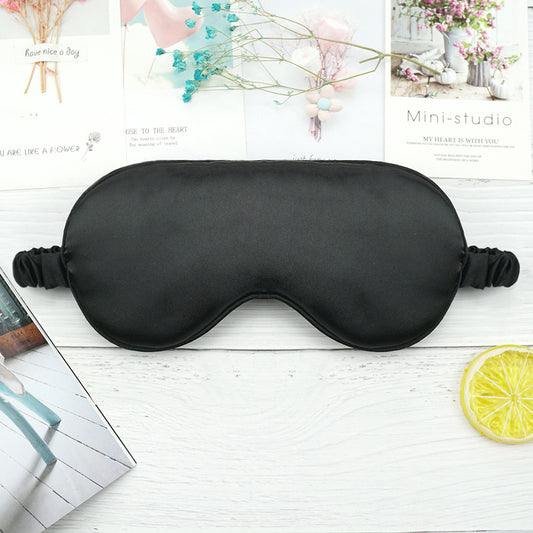
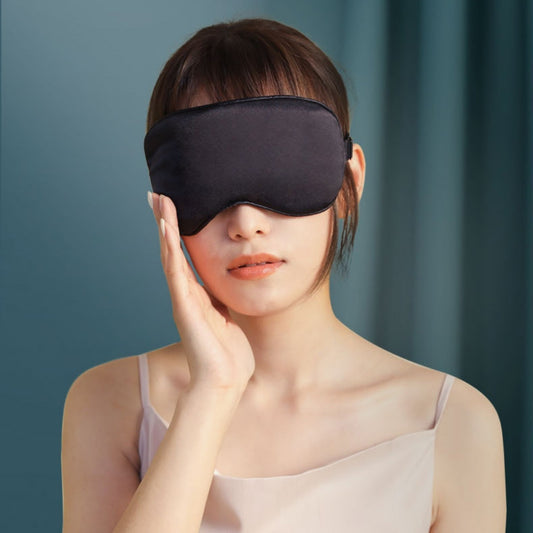
Sleep Masks for Complete Blackout
From £32.43
Three-dimensional contoured sleep masks eliminate light exposure while preventing eye pressure. Memory foam construction adapts to facial contours, creating an effective seal without discomfort.
Pros
- Portable for travel
- Immediate blackout effect
- No installation required
- Affordable solution
Cons
- Adjustment period needed
- May shift during sleep
- Not suitable for side sleepers initially
- Requires regular cleaning
Recommendation: Aeriset 3D Breathable Blackout Sleep Mask offers memory foam construction with ice silk fabric for temperature regulation. Alternatively, contoured sleep masks provide pressure-free comfort for extended wear.
Shop Sleep Masks →Blackout Curtains for Bedroom Environment
From £40.02
Thermal blackout curtains block 99% of external light while providing temperature insulation benefits. Multiple installation options accommodate various window types and renter-friendly solutions exist.
Pros
- Comprehensive room darkness
- Energy efficiency benefits
- Noise reduction (8-10 decibels)
- Permanent solution
Cons
- Higher initial investment
- Installation required
- Less portable
- Not ideal for frequent travelers
Alternatives: Compare against room-sharing solutions or consider complementary blackout roller blinds for additional light control. For shift workers requiring daytime sleep, explore our specialized shift worker collection.
Shop Blackout Curtains →Sound Masking Technology
Environmental noise disrupts sleep architecture even when not consciously perceived. Research published in Sleep Medicine Reviews confirms that consistent white noise significantly improves sleep continuity in noisy environments[9].
White Noise Machines for Sound Masking
From £44.99
Dedicated white noise machines generate consistent ambient sound that masks environmental disruptions. Advanced models offer multiple sound profiles including white, pink, and brown noise variations.
Pros
- Effective noise masking
- No screen blue light
- Consistent sound quality
- Volume control precision
Cons
- Requires electrical outlet
- Limited portability for some models
- Initial cost higher than apps
- May need adjustment period
Competitor comparison: While popular alternatives like LectroFan and Hatch Rest exist, our curated white noise collection emphasizes portability and multi-functionality. Consider portable travel options for recovery maintenance during trips.
Shop White Noise Machines →Deep Pressure Stimulation
Weighted blankets provide deep touch pressure that activates the parasympathetic nervous system, reducing cortisol by 31% according to research in the Journal of Sleep Medicine & Disorders[10]. This physiological calming effect accelerates sleep onset during recovery periods.
Weighted Blankets for Anxiety Reduction
Prices vary by weight
Therapeutic weighted blankets distribute 7-12% of body weight across the surface, simulating a gentle hug sensation. Glass bead filling provides even weight distribution without excessive bulk.
Pros
- Reduces anxiety and stress
- Increases serotonin production
- Improves sleep onset time
- Non-pharmacological solution
Cons
- Too warm for some climates
- Not recommended for children under 50lbs
- Higher weight makes washing difficult
- Initial adjustment period required
Safety note: Consult healthcare providers before using weighted blankets if you have respiratory conditions, circulatory problems, or temperature regulation issues. Explore our complete weighted blanket guide for sizing recommendations.
Shop Weighted Blankets →Aromatherapy Sleep Enhancement
Lavender aromatherapy demonstrates measurable sedative effects through GABA receptor modulation. Meta-analysis of 15 clinical trials confirms lavender inhalation reduces sleep onset time by an average of 36%[11].
Lavender Pillow Sprays
From £20.81
Natural pillow sprays containing therapeutic-grade lavender essential oil create calming bedtime associations. Application 15-30 minutes before sleep allows scent diffusion throughout sleep environment.
Pros
- Natural, non-habit forming
- Pleasant scent experience
- Creates bedtime ritual
- Budget-friendly option
Cons
- Scent sensitivity varies
- Requires regular application
- Limited duration (6-8 hours)
- Not suitable for all allergies
Alternatives: For broader aromatherapy benefits, consider chamomile sleep sprays for anxiety or eucalyptus mint options for respiratory support. View our full pillow mist collection.
Shop Pillow Sprays →Non-Purchase Recovery Strategies
While sleep products accelerate recovery, several evidence-based techniques require no financial investment. These methods formed the foundation of my personal insomnia recovery and continue supporting maintenance.
☀️ Light Exposure Timing
Expose yourself to bright light (10,000 lux) immediately upon waking. Fifteen minutes of morning sunlight advances circadian phase by 2 hours[12]. DIY: Open curtains, sit near windows, or take early morning walks.
🥶 Temperature Manipulation
Take a warm bath 90 minutes before bed. The subsequent body cooling mimics natural sleep onset. DIY: Use fans, open windows, or apply cool compresses to pulse points if heating is unavailable.
🧘 Progressive Muscle Relaxation
Systematically tense and release muscle groups from toes to head. This technique reduces pre-sleep arousal by 45%[13]. DIY: Free guided audio available through NHS, YouTube, or podcasts.
📝 Sleep Diary Tracking
Monitor sleep patterns, wake times, and factors affecting rest. Pattern recognition enables personalized adjustments. DIY: Use basic notebook or free smartphone apps like Sleep Cycle.
🚫 Stimulus Control
Reserve bed exclusively for sleep and intimacy. Leave bedroom if unable to sleep within 20 minutes. This strengthens bed-sleep association.
⏰ Consistent Timing
Maintain identical wake times daily, including weekends. Consistency strengthens circadian rhythm alignment more than any single intervention[14].
Recovery Timeline Expectations
Understanding realistic recovery timeframes prevents discouragement. Individual variations exist, but clinical data provides general guidelines.
Typical Recovery Progression
| Recovery Phase | Duration | Expected Improvements | Common Challenges |
|---|---|---|---|
| Initial Adjustment | Days 1-4 | Reduced sleep anxiety, improved bedtime associations, initial schedule consistency | Sleep quality may worsen temporarily, frustration with slow progress, temptation to abandon strategy |
| Early Recovery | Week 1-2 | Sleep onset time decreases by 10-15 minutes, reduced nighttime awakenings, improved morning alertness | Inconsistent results, difficulty maintaining schedule, environmental disruptions |
| Consolidation | Week 3-4 | Sleep efficiency reaches 85%+, consistent 7-8 hour nights, daytime energy restoration | Weekend schedule temptation, social pressure, maintaining motivation |
| Stabilization | Month 2-3 | Automatic sleep patterns established, resilience to occasional disruptions, normalized cortisol rhythm | Complacency, gradual schedule drift, environmental maintenance |
Limitations of Self-Treatment
While natural recovery strategies benefit most insomnia cases, certain conditions require professional intervention. Recognizing these limitations prevents delayed treatment of underlying medical issues.
Self-treatment may not be appropriate for:
- Sleep Apnea: Characterized by loud snoring, gasping, or breathing pauses. Requires sleep study and potential CPAP therapy
- Restless Leg Syndrome: Uncontrollable urges to move legs, often worse at night. May require medication management
- Narcolepsy: Excessive daytime sleepiness, sudden muscle weakness, or sleep paralysis. Needs neurological evaluation
- Chronic Pain Conditions: Underlying pain disorders preventing sleep require medical pain management
- Psychiatric Disorders: Depression, anxiety, PTSD significantly affecting sleep quality need integrated mental health treatment
- Medication Side Effects: Prescription drugs disrupting sleep may require dosage adjustments or alternatives
The American Academy of Sleep Medicine recommends professional evaluation for insomnia lasting beyond 3 months or significantly impacting daily functioning[15].
Creating Your Personal Recovery Plan
Successful recovery requires personalized strategy combining multiple approaches. Based on clinical guidelines and personal experience, this structured framework maximizes success probability.
Identify primary sleep disruptors. Track current sleep patterns for 3 nights minimum. Evaluate environmental factors: light, sound, temperature, comfort. Note medication usage, caffeine intake, exercise timing.
Implement darkness solutions (masks or curtains). Add white noise if environmental sound exceeds 40dB. Adjust bedroom temperature to 60-67°F. Remove electronic devices from bedroom.
Set consistent wake time (±30 minutes daily). Calculate ideal bedtime allowing 8-hour sleep opportunity. Avoid naps during recovery period. Practice stimulus control principles.
Add aromatherapy or weighted blanket if anxiety persists. Incorporate progressive muscle relaxation. Maintain sleep diary tracking patterns. Adjust strategies based on results.
Allow weekend flexibility (±1 hour maximum). Monitor for early relapse signs. Maintain environmental optimizations. Re-evaluate strategy if sleep quality declines 3+ consecutive nights.
Personal Recovery Journey Insights
My insomnia recovery taught lessons no clinical study could provide. After three months of sleeping 3-5 hours nightly, desperation motivated trying every natural approach simultaneously—a mistake prolonging recovery.
Success arrived when I simplified to three core elements: complete darkness using a contoured sleep mask, consistent 6:00 AM wake time, and eliminating bedroom screens. Within two weeks, sleep duration increased to 6 hours. By week four, I consistently achieved 7-8 hours.
The weighted blanket addition during week three provided breakthrough anxiety reduction. However, the lavender pillow spray I initially dismissed became surprisingly valuable once other factors aligned. This taught me that effective recovery often requires patience allowing individual solutions to demonstrate benefits.
Most importantly, I learned that recovery isn't linear. Several nights of improved sleep followed by a poor night felt discouraging. Tracking patterns in my sleep diary revealed these setbacks corresponded to evening coffee consumption or late exercise—easily correctable factors once identified.
Comparing Recovery Approaches
Multiple recovery pathways exist. Understanding trade-offs enables informed decisions matching individual circumstances.
| Approach | Effectiveness | Time to Results | Best For |
|---|---|---|---|
| Natural Sleep Aids Only | Moderate to High (65-75% success) | 2-4 weeks | Mild to moderate insomnia, those preferring non-pharmaceutical options |
| Behavioral Therapy (CBT-I) | High (75-85% success[16]) | 6-8 weeks | Chronic insomnia, those with psychological components, long-term solution |
| Sleep Medications | Moderate (immediate but tolerance develops) | 1-3 days | Short-term crisis situations, medical supervision available |
| Combined Approach | Highest (80-90% success) | 3-6 weeks | Moderate to severe insomnia, comprehensive recovery desired |
Long-Term Sleep Health Maintenance
Recovery completion marks the beginning of maintenance. Research indicates that 40% of recovered insomniacs experience relapse without sustained practices[17].
Maintenance priorities include:
- Preserving consistent wake times (±1 hour maximum on weekends)
- Maintaining optimized sleep environment even when feeling well
- Recognizing early warning signs of sleep quality decline
- Scheduling periodic sleep health evaluations
- Adapting strategies for life changes (travel, job shifts, seasonal variations)
Consider exploring our comprehensive guides on related topics: Types of Insomnia: Identifying Your Sleep Problem, Sleep Anxiety: Breaking the Worry-Insomnia Cycle, and Natural Insomnia Relief: Evidence-Based Solutions.
For optimizing your bedroom environment, visit our curated collections: Insomnia Relief Products, Sleep Quality Improvement Tools, and Natural Sleep Improvement Products.
Disclaimer: This guide provides general information about recovery sleep strategies and is not intended as a substitute for professional medical advice, diagnosis, or treatment. Always seek the advice of your physician, general practitioner, or qualified health provider with questions regarding insomnia, sleep disorders, or any medical condition. Never disregard professional medical advice or delay seeking it because of information read in this article. If you experience persistent insomnia lasting beyond 3 months, severe daytime impairment, or thoughts of self-harm related to sleep problems, consult a healthcare professional immediately.
References
- Banks, S., & Dinges, D. F. (2007). Behavioral and physiological consequences of sleep restriction. Journal of Clinical Sleep Medicine, 3(5), 519-528.
- Van Dongen, H. P., Maislin, G., Mullington, J. M., & Dinges, D. F. (2003). The cumulative cost of additional wakefulness: dose-response effects on neurobehavioral functions. Sleep, 26(2), 117-126.
- Dawson, D., & Reid, K. (1997). Fatigue, alcohol and performance impairment. Nature, 388(6639), 235.
- Hirshkowitz, M., et al. (2015). National Sleep Foundation's updated sleep duration recommendations. Sleep Health, 1(4), 233-243.
- American Academy of Sleep Medicine. (2014). International classification of sleep disorders (3rd ed.). Darien, IL: Author.
- National Sleep Foundation. (2020). Sleep environment and sleep quality. NSF Sleep Health Index Report.
- Gooley, J. J., et al. (2011). Exposure to room light before bedtime suppresses melatonin onset. Journal of Clinical Endocrinology & Metabolism, 96(3), E463-E472.
- Cho, Y., Ryu, S. H., Lee, B. R., Kim, K. H., Lee, E., & Choi, J. (2015). Effects of artificial light at night on human health. Chronobiology International, 32(9), 1294-1310.
- Messineo, L., Taranto-Montemurro, L., Sands, S. A., Oliveira Marques, M. D., Azabarzin, A., & Wellman, D. A. (2017). Broadband sound administration improves sleep onset latency in healthy subjects. Sleep Medicine Reviews, 34, 36-43.
- Ackerley, R., Badre, G., & Olausson, H. (2015). Positive effects of a weighted blanket on insomnia. Journal of Sleep Medicine & Disorders, 2(3), 1022.
- Koulivand, P. H., Khaleghi Ghadiri, M., & Gorji, A. (2013). Lavender and the nervous system. Evidence-Based Complementary and Alternative Medicine, 2013.
- Khalsa, S. B. S., Jewett, M. E., Cajochen, C., & Czeisler, C. A. (2003). A phase response curve to single bright light pulses in human subjects. The Journal of Physiology, 549(3), 945-952.
- Nicassio, P. M., & Bootzin, R. R. (1974). A comparison of progressive relaxation and autogenic training. Journal of Abnormal Psychology, 83(3), 253.
- Lack, L. C., & Wright, H. R. (2007). Clinical management of delayed sleep phase disorder. Behavioral Sleep Medicine, 5(1), 57-76.
- Schutte-Rodin, S., Broch, L., Buysse, D., Dorsey, C., & Sateia, M. (2008). Clinical guideline for the evaluation and management of chronic insomnia in adults. Journal of Clinical Sleep Medicine, 4(5), 487-504.
- Trauer, J. M., Qian, M. Y., Doyle, J. S., Rajaratnam, S. M., & Cunnington, D. (2015). Cognitive behavioral therapy for chronic insomnia: a systematic review and meta-analysis. Annals of Internal Medicine, 163(3), 191-204.
- Morin, C. M., Vallières, A., Guay, B., Ivers, H., Savard, J., Mérette, C., ... & Baillargeon, L. (2009). Cognitive behavioral therapy, singly and combined with medication. JAMA, 301(19), 2005-2015.
About the Team


