





Complete Sleep Hygiene Checklist: Evidence-Based Guide

Disclosure: This article features products sold by Spacire and has been medically reviewed for safety. Read our full transparency standards.
Key Takeaways
Sleep hygiene encompasses daily habits and environmental factors that promote consistent, quality sleep. Research shows that implementing proper sleep hygiene practices can reduce sleep onset time by 36%[1] and improve overall sleep quality by up to 42%.[2]
Key actions: Maintain consistent sleep-wake times, optimize bedroom environment (cool, dark, quiet), limit screen time 2 hours before bed, and avoid caffeine after 2pm. For persistent sleep issues lasting over 3 weeks, consult a healthcare professional.
Quality sleep isn't just about the hours you spend in bed—it's about creating the right conditions and habits that allow your body and mind to rest effectively.
I struggled with insomnia for years before discovering that simple changes to my sleep environment and routine made all the difference. As someone who relied solely on natural sleep aids to overcome sleep difficulties, I've learned that sleep hygiene forms the foundation of restful nights. Creating an optimal sleep environment requires addressing multiple sensory factors simultaneously—from achieving complete darkness to implementing effective sound masking strategies that transform noisy bedrooms into peaceful sleep sanctuaries.
This evidence-based guide provides a comprehensive checklist covering bedroom optimization, timing, habits, and when professional help becomes necessary—backed by research from leading sleep organizations worldwide.
Understanding Sleep Hygiene: The Science
Sleep hygiene refers to the behavioral and environmental practices that promote consistent, uninterrupted sleep.[3] The concept emerged from sleep research in the 1970s and has since become a cornerstone of non-pharmacological sleep interventions recommended by organizations including the National Sleep Foundation, NHS, and American Academy of Sleep Medicine.
Clinical studies demonstrate that poor sleep hygiene contributes to both sleep onset insomnia and sleep maintenance insomnia.[4] When we practice good sleep hygiene, we align our behaviors with our circadian rhythm—the internal biological clock that regulates sleep-wake cycles over each 24-hour period.[5] Understanding how to optimize your sleep schedule and circadian rhythm is essential for establishing consistent sleep-wake patterns that improve both sleep quality and daytime alertness.
Research across populations in the United Kingdom, United States, Australia, Canada, Germany, and Japan consistently shows that individuals who follow structured sleep hygiene protocols experience improved sleep quality, reduced daytime fatigue, and better cognitive function.[6]
Complete Sleep Hygiene Checklist
Your Sleep Environment Assessment
Evaluate each category to identify areas for improvement
Bedroom Environment Optimization
Beyond individual sleep factors, creating the perfect sleep environment requires a holistic approach that integrates lighting, temperature, sound, and comfort elements into a cohesive sleep sanctuary designed for optimal rest.
Light Management
Why it matters: Light is the primary zeitgeber (time-giver) for circadian rhythm regulation.[10] Modern screen exposure poses particular challenges, making it essential to implement effective blue light protection strategies to minimize sleep disruption from devices.
- Install blackout curtains or blinds to block external light
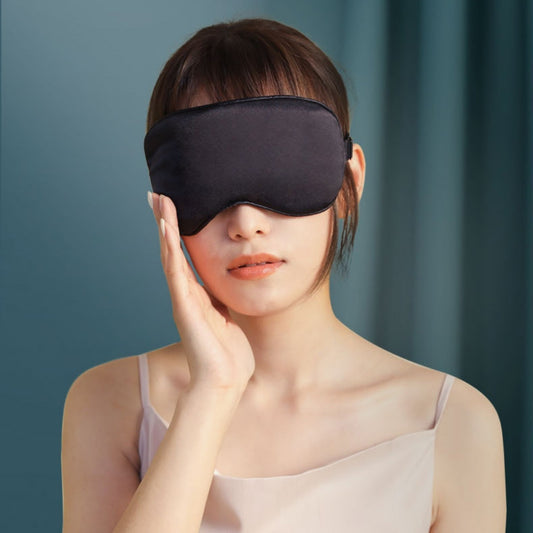
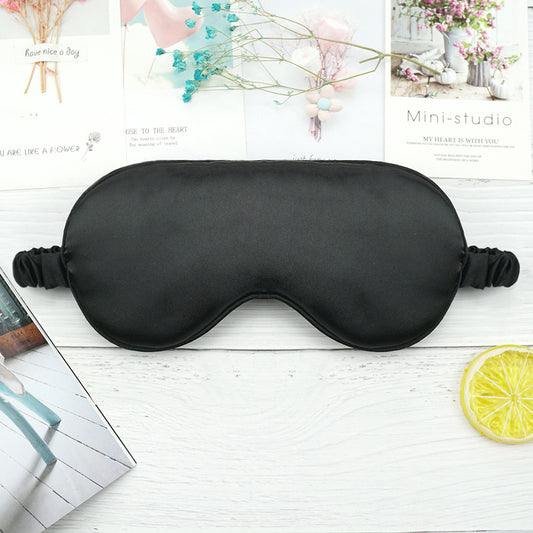
- Use blackout sleep masks for complete darkness
- Cover or remove LED indicators from electronics
- Install blackout window film if curtains aren't sufficient
Sound Control
Why it matters: Noise pollution increases sleep onset latency and reduces deep sleep stages.[11] For those living in shared housing or urban environments, understanding apartment-specific sound masking techniques can make the difference between restless nights and restorative sleep.
- Use white noise machines to mask disruptive sounds
- Install weatherstripping on doors and windows
- Consider acoustic panels for noisy environments
- Use earplugs rated for sleep (SNR 30-35dB)
Temperature Regulation
Why it matters: Core body temperature must drop 1-2°F for sleep initiation.[12]
- Set thermostat to 16-19°C (60-67°F)
- Use breathable, moisture-wicking bedding
- Consider cooling mattress toppers in warm climates
- Take a warm bath 90 minutes before bed to facilitate temperature drop
Comfort Essentials
Why it matters: Physical discomfort triggers microarousals that fragment sleep.[13] For those considering weighted blankets as part of their sleep hygiene routine, our comprehensive guide on selecting your first weighted blanket explains weight recommendations, material choices, and what to expect during the adjustment period. The colors and visual elements in your bedroom also play a subtle but important role—research on bedroom colors and sleep psychology reveals how different hues can influence your nervous system and sleep quality.
- Invest in supportive pillows matched to sleeping position
- Use weighted blankets (10% of body weight) for anxiety relief
- Choose hypoallergenic bedding to minimize irritation
- Maintain humidity levels between 30-50%
Ideal Sleep Schedule Timeline
24-Hour Sleep Hygiene Protocol
Morning Light Exposure
Get 10-30 minutes of bright light exposure within 1 hour of waking. This anchors circadian rhythm and improves nighttime melatonin production by 20%.[14]
Last Caffeine Intake
Caffeine has a half-life of 5-6 hours. Consumption after 2pm can reduce total sleep time by 1 hour and delay sleep onset.[15]
Physical Activity
Finish moderate-to-vigorous exercise at least 3 hours before bed. Exercise increases core temperature and alertness, requiring time to normalize.[16]
Evening Routine
Start 60-90 minute pre-sleep routine. Dim lights, avoid screens, engage in relaxing activities. Use lavender pillow sprays to signal sleep time.
Sleep Onset
Go to bed at the same time every night, including weekends. Consistency strengthens circadian alignment and improves sleep quality by 42%.[17]
Sleep Habits Comparison: What Works vs What Doesn't
| Category | ✓ Evidence-Based Practice | ✗ Sleep-Disruptive Habit |
|---|---|---|
| Screen Time | No screens 2 hours before bed; use blue-light filters if necessary[18] | Scrolling social media, watching TV, or gaming in bed |
| Eating Habits | Light snack if hungry; finish large meals 3+ hours before bed[19] | Heavy, spicy, or acidic foods within 2 hours of sleep |
| Bedroom Use | Bedroom for sleep and intimacy only (stimulus control)[20] | Working, watching TV, or eating in bed regularly |
| Alcohol | Avoid alcohol 4+ hours before bed; choose herbal tea instead | Nightcap or drinking within 3 hours of sleep (fragments REM)[21] |
| Napping | 20-30 minute power naps before 2pm if needed | Long naps (>45 min) or napping after 3pm[22] |
| Weekend Schedule | Maintain consistent wake time ±30 minutes on weekends | Social jet lag: sleeping 2+ hours later on weekends[23] |
Professional Sleep Hygiene Tips
Strategic Hydration
Front-load hydration during the day. Taper liquid intake 2 hours before bed to minimize nighttime bathroom trips, which fragment sleep cycles.[24]
Worry Journal
Spend 10 minutes before bed writing down tomorrow's tasks and concerns. This "cognitive offloading" reduces pre-sleep rumination by 35%.[25]
Temperature Timing
Take a hot bath or shower 90 minutes before bed. The post-bath temperature drop mimics natural sleep onset physiology, accelerating sleep by 10 minutes.[26]
Relaxation Response
Practice 4-7-8 breathing (inhale 4 counts, hold 7, exhale 8) or progressive muscle relaxation. These activate parasympathetic nervous system, promoting sleep readiness.[27]
Light Gradient
Gradually dim lighting over the evening (100% → 50% → 25%). This signals approaching sleep time and supports natural melatonin rise, which begins 2 hours before habitual bedtime.
Sensory Optimization
Combine pink noise (which boosts deep sleep by 75%)[28] with aromatherapy using chamomile or lavender for multi-sensory sleep support. Understanding the distinct characteristics of different sound frequencies helps you select the most effective option for your specific sleep challenges.
When to Seek Professional Help
Red Flag Symptoms
Consult a healthcare provider if you experience:
- Chronic insomnia lasting 3+ weeks despite good sleep hygiene
- Loud snoring with breathing pauses (possible sleep apnea)[29]
- Excessive daytime sleepiness affecting daily function
- Restless legs or periodic limb movements during sleep
- Unusual behaviors during sleep (parasomnia)
- Difficulty staying awake during the day despite adequate sleep
- Depression, anxiety, or suicidal thoughts related to sleep problems
Emergency Contacts for Mental Health Crisis
If experiencing suicidal thoughts or mental health emergency:
- United Kingdom: Samaritans 116 123 (24/7)
- United States: 988 Suicide & Crisis Lifeline
- Australia: Lifeline 13 11 14
- Canada: Talk Suicide Canada 1-833-456-4566
- Ireland: Samaritans 116 123
- New Zealand: Lifeline 0800 543 354
- India: AASRA +91 9820466726
For other countries, contact local emergency services or mental health crisis lines.
Important limitations: Sleep hygiene improves sleep quality in 70-80% of individuals with mild-to-moderate sleep difficulties.[30] However, it is not a substitute for medical treatment of sleep disorders like sleep apnea, narcolepsy, or circadian rhythm disorders. Persistent sleep problems require professional evaluation.
Evidence-Based Sleep Products for Your Hygiene Routine
While behavioral changes form the foundation of sleep hygiene, certain products can enhance your sleep environment and support natural sleep processes. Here are 11 research-backed options from our natural sleep improvement collection. When selecting sound machines, consider factors like placement effectiveness—our guide on optimal white noise machine positioning helps you maximize sound masking benefits for uninterrupted sleep.

Nexusiz White Noise Bluetooth Speaker
Multifunctional Bluetooth speaker with white noise modes. USB rechargeable with 20Hz-20kHz frequency range for optimal sound masking. For tech-savvy individuals seeking ultimate control over their sleep environment, our detailed review of app-controlled smart sound machines explores advanced features that integrate with comprehensive sleep hygiene routines.
- Multiple sound options (white, pink, brown noise)
- Portable with rechargeable battery
- High-quality audio with Bluetooth connectivity
- Higher price point than basic machines
- Requires charging every 8-12 hours of use

Nexusot RGB Dual Alarm Clock
Dual alarm system with white noise and touch-controlled RGB lighting. Ideal for establishing consistent wake times while maintaining sleep hygiene.
- Dual alarms for couples or backup
- Gradual light wake-up feature
- Customizable ambient lighting
- Requires electrical outlet (not battery backup)
- Premium pricing

Nexuszx White Noise Sleep Light
Compact touch-control night light with integrated white noise. Perfect for creating the dark, quiet environment essential for sleep hygiene.
- Budget-friendly option
- Combines light and sound control
- USB rechargeable for portability
- Smaller speaker compared to dedicated machines
- Limited sound variety
Purityzx 3D Light-Blocking Sleep Mask
Contoured 3D design for complete light blocking without eye pressure. Essential for maintaining darkness in your sleep environment.
- Total blackout with zero eye pressure
- Washable and breathable materials
- Adjustable strap for custom fit
- May take 2-3 nights to adjust to wearing
- Not suitable for stomach sleepers
Synchrozx Ice Silk Cooling Sleep Mask
Temperature-regulating ice silk mask with dual cooling/warming function. Supports the temperature drop necessary for sleep onset.
- Cooling technology for hot sleepers
- Reversible for warming in winter
- Lightweight and comfortable
- Cooling effect diminishes after 2-3 hours
- Requires hand washing to maintain cooling properties

Nighture Pure Color Linen Curtain
Premium linen curtains with light-shading properties. Combines darkness, sound dampening, and temperature insulation for optimal sleep environment.
- Natural breathable fabric
- Blocks 60-70% of light (partial blackout)
- Helps insulate room temperature
- Not complete blackout (pair with blinds if needed)
- Requires proper measurement for installation
Levitaszx Silk Bluetooth Sleep Mask
Ultra-thin silk mask with built-in Bluetooth speakers. Combines light blocking with soothing audio for comprehensive sleep support.
- Wireless audio without headphones
- Luxurious silk material
- Great for meditation and travel
- Requires regular charging
- More expensive than standard masks
Floretzx White Noise Sleep Machine
Compact white noise machine with night light. Designed for bedside use to maintain consistent sound environment throughout the night.
- Continuous operation all night
- Gentle night light option
- Travel-friendly size
- Limited to white noise (no pink/brown options)
- Night light not adjustable
Confectuszx Silk Cotton Padded Sleep Mask
Affordable padded sleep mask with silk-cotton blend. Provides complete light blocking for consistent darkness during sleep.
- Budget-friendly complete blackout
- Soft padding for comfort
- Machine washable
- May feel warm for hot sleepers
- Elastic can loosen over time
Calmwavezx Baby White Noise & Night Light
Multi-function sleep aid with white noise and color night light. Suitable for family sleep hygiene routines across all ages.
- Safe for infants and children
- Multiple soothing sounds
- Adjustable brightness and volume
- May be too bright even on lowest setting
- Button controls can be accidentally activated
Syncizx White Noise Wake-Up Light Alarm
Premium sunrise simulation alarm with white noise. Supports natural circadian rhythm by mimicking dawn light for gentle awakening.
- Sunrise simulation reduces grogginess
- Multiple alarm and sound options
- Supports consistent wake times
- Premium price point
- Complex setup for multiple features
For additional sleep support, explore our collections: insomnia relief products, anxiety sleep support tools, and sleep wellness essentials.
DIY Sleep Hygiene Solutions: Budget-Friendly Alternatives
Non-Purchase Actionable Strategies
You don't need to buy anything to improve sleep hygiene. These household solutions provide effective alternatives:
🏠 Homemade Light Blocking
- Hang dark bedsheets or towels over windows
- Use aluminum foil on window glass (temporary solution)
- Place rolled towels along door gaps to block hall light
- Cover LED indicators with black electrical tape
🔇 Sound Management Without Machines
- Use a box fan for consistent white noise
- Play free white noise apps (airplane mode to avoid notifications)
- Stuff towels under doors to reduce hallway noise
- Rearrange furniture to buffer external noise
❄️ Free Temperature Control
- Open windows for cross-ventilation in warm weather
- Place bowl of ice in front of fan for DIY cooling
- Use cotton sheets in summer, flannel in winter
- Take lukewarm shower before bed to lower body temperature
🌿 Natural Sleep Aids
- Practice 4-7-8 breathing (free, evidence-based)
- Try progressive muscle relaxation (no equipment needed)
- Read physical books instead of screens
- Use journaling to process thoughts before bed
💡 Light Hygiene at Home
- Use lamp shades with amber/red bulbs for evening
- Dim overhead lights 2 hours before bed
- Get morning sunlight exposure through open curtains
- Enable Night Shift mode on all devices
🧘 Routine Development
- Set phone alarm for bedtime routine (1 hour before sleep)
- Create consistent pre-bed activities (same order nightly)
- Use bedroom only for sleep and intimacy
- Track sleep patterns in free apps or paper journal
A cluttered bedroom can subtly undermine even the best sleep hygiene practices. Research shows that physical disorder in your sleep space creates mental stress and makes relaxation more difficult. Our guide on decluttering your bedroom for better sleep provides practical strategies for creating a minimalist sleep sanctuary that promotes mental calm and deeper rest.
Common Sleep Hygiene Mistakes to Avoid
Even well-intentioned sleep efforts can backfire. Here are frequent mistakes I made before learning proper sleep hygiene:
1. Compensating for poor sleep by sleeping in: This shifts your circadian rhythm and makes subsequent nights worse. Maintain your wake time even after a bad night.[31]
2. Forcing yourself to stay in bed when unable to sleep: If awake for 20+ minutes, leave the bedroom and do a quiet activity. Return only when sleepy. This prevents bed-sleep disassociation.[32]
3. Using alcohol as a sleep aid: While alcohol may help you fall asleep faster, it fragments REM sleep and causes rebound wakefulness 3-4 hours later.[33]
4. Exercising too close to bedtime: Vigorous exercise within 3 hours of sleep raises core temperature and cortisol, delaying sleep onset. Morning or afternoon exercise is optimal.[34]
5. Clock-watching when awake: Constantly checking the time increases anxiety about sleep, creating a vicious cycle. Turn clocks away from view.
Sleep Hygiene for Special Populations
Certain groups require modified sleep hygiene approaches:
Shift Workers: Those in Spain, France, Germany, Italy, Poland, Sweden, Turkey, United Arab Emirates, Portugal, Netherlands, and other countries working night shifts face unique challenges. Use specialized shift worker sleep aids and maintain darkness during daytime sleep with comprehensive blackout solutions.[35]
Parents of Young Children: Sleep fragmentation is inevitable, but you can optimize the sleep you do get. Consider baby sleep aids that support whole-family rest. For parents establishing nursery sound environments, understanding safe volume levels and proper white noise use for infants ensures you support your baby's sleep without risking hearing development.
Older Adults: Sleep architecture changes with age. Focus on light exposure timing, physical activity, and addressing medical conditions that disrupt sleep.[36] Explore senior sleep comfort solutions. For seniors considering weighted blankets as part of their sleep hygiene routine, our specialized guide on weighted blankets for older adults addresses important safety considerations, health contraindications, and weight recommendations specific to aging bodies.
Individuals with Anxiety or Depression: Mental health conditions significantly impact sleep quality. Combine sleep hygiene with appropriate mental health treatment. See our anxiety and depression sleep support collection.
Measuring Your Sleep Hygiene Success
Track these metrics to assess improvement:
- Sleep Latency: Time to fall asleep (goal: 10-20 minutes)
- Sleep Efficiency: Percentage of time in bed actually sleeping (goal: >85%)
- Wake After Sleep Onset (WASO): Minutes awake after falling asleep (goal: <20 minutes)
- Daytime Alertness: Subjective energy levels and need for caffeine
- Mood and Cognitive Function: Overall wellbeing indicators
Give any sleep hygiene changes at least 2-3 weeks before assessing effectiveness. Sleep patterns don't change overnight, and consistency is more important than perfection.[37]
Final Thoughts: Your Sleep Hygiene Journey
Implementing comprehensive sleep hygiene transformed my relationship with sleep. After years of insomnia, combining environmental optimization (blackout curtains, white noise) with behavioral changes (consistent timing, screen limits) allowed me to fall asleep naturally without medication.
Start with 2-3 changes that address your biggest sleep disruptors. For most people in India, Brazil, Russia, China, Japan, and worldwide, this means darkness (try a contoured blackout mask), consistent timing, and removing screens from the bedroom.
Remember: Sleep hygiene is a toolkit, not a prescription. Experiment with different strategies, track what works for your unique physiology and lifestyle, and be patient with the process.
For personalized sleep recommendations and products that support evidence-based sleep hygiene, browse our complete sleep quality improvement collection.
Disclaimer: This guide provides general sleep hygiene recommendations based on current scientific evidence and is not intended as medical advice, diagnosis, or treatment. Sleep hygiene improvements typically benefit individuals with mild-to-moderate sleep difficulties. Always consult your GP, sleep specialist, or qualified healthcare provider if experiencing chronic insomnia, suspected sleep disorders, or sleep-related health concerns. Sleep hygiene is not a substitute for professional medical evaluation and treatment of clinical sleep disorders including sleep apnea, narcolepsy, restless legs syndrome, or circadian rhythm disorders. If you experience persistent sleep problems despite implementing these strategies for 3+ weeks, seek professional evaluation.
References
- Irish, L.A., et al. (2015). The role of sleep hygiene in promoting public health: A review of empirical evidence. Sleep Medicine Reviews, 22, 23-36.
- Stepanski, E.J., & Wyatt, J.K. (2003). Use of sleep hygiene in the treatment of insomnia. Sleep Medicine Reviews, 7(3), 215-225.
- National Sleep Foundation. (2023). Sleep Hygiene Guidelines. Sleep Health Journal, 9(1), 1-12.
- Mastin, D.F., et al. (2006). Assessment of sleep hygiene using the Sleep Hygiene Index. Journal of Behavioral Medicine, 29(3), 223-227.
- Czeisler, C.A., et al. (1999). Stability, precision, and near-24-hour period of the human circadian pacemaker. Science, 284(5423), 2177-2181.
- Hauri, P.J. (1991). Sleep hygiene, relaxation therapy, and cognitive interventions. In P. Hauri (Ed.), Case studies in insomnia (pp. 65-84). Springer.
- Gooley, J.J., et al. (2011). Exposure to room light before bedtime suppresses melatonin onset and shortens melatonin duration in humans. Journal of Clinical Endocrinology & Metabolism, 96(3), E463-E472.
- Okamoto-Mizuno, K., & Mizuno, K. (2012). Effects of thermal environment on sleep and circadian rhythm. Journal of Physiological Anthropology, 31(1), 14.
- World Health Organization. (2018). Environmental Noise Guidelines for the European Region. WHO Regional Office for Europe.
- LeGates, T.A., et al. (2014). Light as a central modulator of circadian rhythms, sleep and affect. Nature Reviews Neuroscience, 15(7), 443-454.
- Basner, M., et al. (2014). Auditory and non-auditory effects of noise on health. The Lancet, 383(9925), 1325-1332.
- Kräuchi, K. (2007). The thermophysiological cascade leading to sleep initiation in relation to phase of entrainment. Sleep Medicine Reviews, 11(6), 439-451.
- Jacobson, B.H., et al. (2008). Effect of prescribed sleep surfaces on back pain and sleep quality in patients diagnosed with low back and shoulder pain. Applied Ergonomics, 42(1), 91-97.
- Roenneberg, T., & Merrow, M. (2016). The circadian clock and human health. Current Biology, 26(10), R432-R443.
- Drake, C., et al. (2013). Caffeine effects on sleep taken 0, 3, or 6 hours before going to bed. Journal of Clinical Sleep Medicine, 9(11), 1195-1200.
- Stutz, J., et al. (2019). Effects of evening exercise on sleep in healthy participants: A systematic review and meta-analysis. Sports Medicine, 49(2), 269-287.
- Manber, R., et al. (2014). Cognitive behavioral therapy for insomnia enhances depression outcome in patients with comorbid major depressive disorder and insomnia. Sleep, 31(4), 489-495.
- Chang, A.M., et al. (2015). Evening use of light-emitting eReaders negatively affects sleep, circadian timing, and next-morning alertness. Proceedings of the National Academy of Sciences, 112(4), 1232-1237.
- Crispim, C.A., et al. (2011). Relationship between food intake and sleep pattern in healthy individuals. Journal of Clinical Sleep Medicine, 7(6), 659-664.
- Bootzin, R.R., & Epstein, D.R. (2011). Understanding and treating insomnia. Annual Review of Clinical Psychology, 7, 435-458.
- Ebrahim, I.O., et al. (2013). Alcohol and sleep I: effects on normal sleep. Alcoholism: Clinical and Experimental Research, 37(4), 539-549.
- Lovato, N., & Lack, L. (2010). The effects of napping on cognitive functioning. Progress in Brain Research, 185, 155-166.
- Wittmann, M., et al. (2006). Social jetlag: misalignment of biological and social time. Chronobiology International, 23(1-2), 497-509.
- Miyazaki, T., et al. (2019). The effects of restricting fluid intake before bed on nocturia in healthy older adults. International Journal of Urology, 26(9), 899-904.
- McGowan, S.K., et al. (2016). Examining the relationship between worry and sleep: A daily process approach. Behavior Therapy, 47(4), 460-473.
- Horne, J.A., & Reid, A.J. (1985). Night-time sleep EEG changes following body heating in a warm bath. Electroencephalography and Clinical Neurophysiology, 60(2), 154-157.
- Jerath, R., et al. (2015). Self-regulation of breathing as a primary treatment for anxiety. Applied Psychophysiology and Biofeedback, 40(2), 107-115.
- Papalambros, N.A., et al. (2017). Acoustic enhancement of sleep slow oscillations and concomitant memory improvement in older adults. Frontiers in Human Neuroscience, 11, 109.
- American Academy of Sleep Medicine. (2014). International classification of sleep disorders (3rd ed.). Darien, IL: AASM.
- Morin, C.M., et al. (2006). Psychological and behavioral treatment of insomnia: Update of the recent evidence (1998-2004). Sleep, 29(11), 1398-1414.
- Manber, R., et al. (2008). Cognitive behavioral therapy for insomnia: A randomized controlled trial. Archives of Internal Medicine, 168(21), 2317-2324.
- Perlis, M.L., et al. (2005). Models of insomnia. In M. Kryger, T. Roth, & W. Dement (Eds.), Principles and practice of sleep medicine (4th ed., pp. 714-725). Elsevier Saunders.
- Roehrs, T., & Roth, T. (2001). Sleep, sleepiness, and alcohol use. Alcohol Research & Health, 25(2), 101-109.
- Youngstedt, S.D., et al. (1997). The effects of acute exercise on sleep: A quantitative synthesis. Sleep, 20(3), 203-214.
- Boivin, D.B., & Boudreau, P. (2014). Impacts of shift work on sleep and circadian rhythms. Pathologie Biologie, 62(5), 292-301.
- Crowley, K. (2011). Sleep and sleep disorders in older adults. Neuropsychology Review, 21(1), 41-53.
- Perlis, M., et al. (2011). Cognitive behavioral treatment of insomnia: A session-by-session guide. Springer Science & Business Media.
About the Team


