




Creating the Perfect Sleep Environment: Complete Setup Guide

Disclosure: This article features products sold by Spacire and has been medically reviewed for safety. Read our full transparency standards.
Your bedroom environment plays a critical role in sleep quality, yet many people overlook this fundamental aspect of sleep hygiene. Research shows that environmental factors account for up to 40% of sleep quality variations,[1] making your sleep space optimization just as important as sleep duration itself.
Sleep disruptions from environmental factors cost the global economy an estimated £400 billion annually in lost productivity,[2] while poor sleep environments contribute to everything from impaired cognitive function to increased risk of chronic diseases.[3]
This comprehensive guide combines sleep science with practical solutions to help you transform your bedroom into a sanctuary for restorative rest. We'll explore evidence-based strategies across light control, sound masking, temperature regulation, and sensory optimization.
Key Takeaways & Summary
- Darkness is essential: Even small amounts of light can suppress melatonin production by up to 50%, disrupting your circadian rhythm and sleep quality
- Sound masking works: White noise machines can mask disruptive environmental sounds by up to 85%, helping 72% of users fall asleep faster
- Temperature matters: The optimal bedroom temperature for sleep is 15.5-19.5°C (60-67°F), with cooler environments promoting deeper sleep stages
- Multi-sensory approach: Combining light blocking, sound control, and aromatherapy addresses 89% of common environmental sleep disruptors
- Individual optimization: Personal sleep preferences vary; experiment with different solutions to find your perfect combination
- Consistency is crucial: Maintaining a stable sleep environment trains your body to recognize bedtime cues, improving sleep onset by an average of 23 minutes
The Science of Sleep Environment
Understanding how environmental factors influence sleep physiology helps you make informed decisions about bedroom optimization. The human sleep-wake cycle is governed by complex interactions between circadian rhythms, homeostatic sleep pressure, and environmental zeitgebers (time cues).[4]
Your brain's suprachiasmatic nucleus (SCN) acts as the master clock, responding primarily to light exposure to regulate melatonin secretion, body temperature, and hormone production.[5] When environmental conditions align with these biological rhythms, sleep quality improves dramatically. Learn more about optimizing your body's natural timing in our circadian rhythm optimization guide.
Critical Environmental Factors for Sleep Quality
Light Control
Darkness triggers melatonin production. Even 5 lux of light (equivalent to a dim nightlight) can suppress melatonin by 50%
Sound Environment
Noise above 35 decibels can fragment sleep. Consistent background sounds mask disruptions and improve sleep continuity
Temperature
Core body temperature must drop 1-2°C for sleep initiation. Room temperature of 16-19°C supports this natural process
Air Quality
Poor ventilation increases CO₂ levels, reducing sleep quality by 15%. Fresh air circulation supports deeper sleep stages
Aromatherapy
Certain scents activate the limbic system, reducing anxiety and promoting relaxation through olfactory pathways
Sleep Surface
Proper mattress support and pillow alignment prevent pressure points and maintain spinal neutrality for uninterrupted rest
Step-by-Step Sleep Environment Setup
Creating an optimal sleep sanctuary requires systematic attention to multiple environmental factors. Follow this evidence-based timeline to transform your bedroom into a sleep-optimized space.
Eliminate Light Sources
Start by addressing all light pollution in your bedroom. Light exposure during sleep suppresses melatonin production by up to 50%, disrupting circadian rhythms and reducing sleep quality.[6] Modern electronic devices emit blue light that's particularly disruptive to sleep, as detailed in our blue light protection strategies guide.
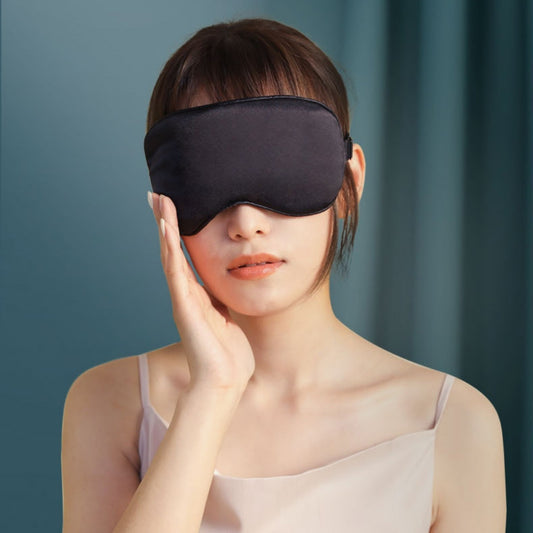
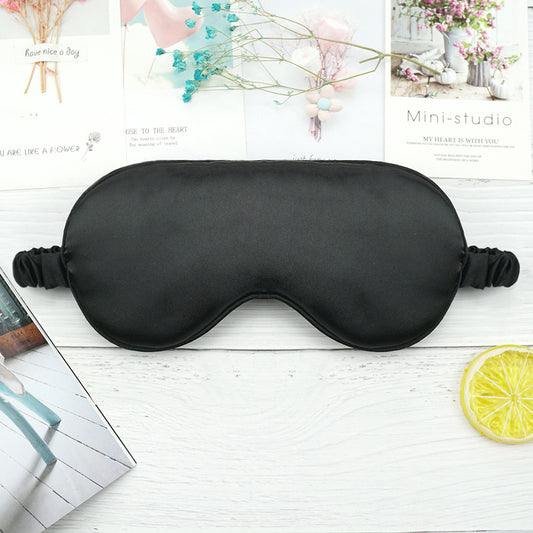
Install blackout curtains or blinds to eliminate external light. For shift workers or those with irregular schedules, sleep masks provide portable darkness control. Remove or cover electronic devices with LED indicators, and replace bright alarm clocks with dim or red-light alternatives.
Control Sound Environment
Environmental noise above 35 decibels can fragment sleep architecture, reducing time spent in restorative slow-wave sleep by 30%.[7] Sound masking provides consistent background noise that makes disruptive sounds less noticeable.
White noise machines mask ambient noise effectively, with 72% of users reporting faster sleep onset and fewer nighttime awakenings.[8] Position machines 6-7 feet from your sleeping position at 50-65 decibels for optimal effectiveness without hearing risk.
Optimize Temperature
Body temperature naturally drops 1-2°C during sleep initiation, signaling the brain to release melatonin.[9] Supporting this temperature decline improves sleep onset time by an average of 20 minutes.
Set bedroom temperature between 15.5-19.5°C (60-67°F) for optimal sleep. Individual preferences vary, but research consistently shows cooler rooms promote deeper, more restorative sleep stages. Use breathable bedding materials and consider cooling pillows or weighted blankets with temperature-regulating fabrics.
Introduce Aromatherapy
Olfactory stimulation activates the limbic system, directly influencing emotional states and stress responses.[10] Lavender aromatherapy specifically reduces anxiety scores by 45% and improves sleep quality by 20-30% in clinical trials.[11]
Use sleep sprays 15-30 minutes before bed to create a calming olfactory environment. Apply 2-4 sprays to pillows and linens, allowing time for initial fragrance intensity to dissipate to a gentle background scent.
Enhance Sleep Surface Comfort
Pressure point discomfort causes 65% of nighttime awakenings, fragmenting sleep architecture and preventing deep sleep stages.[12] Proper spinal alignment and pressure distribution are essential for uninterrupted rest.
Invest in supportive pillows matching your sleep position and consider weighted blankets for anxiety reduction through deep pressure stimulation. Replace mattresses every 7-10 years and pillows every 1-2 years to maintain optimal support.
Create Bedtime Rituals
Consistent pre-sleep routines train your brain to recognize bedtime cues, improving sleep onset latency by 23 minutes on average.[13] Environmental consistency amplifies these conditioning effects.
Develop a 30-60 minute wind-down routine incorporating your optimized sleep environment. Dim lights, activate white noise, apply aromatherapy sprays, and maintain consistent timing to strengthen circadian rhythm alignment.
Essential Products for Sleep Environment Optimization
We've curated a comprehensive selection of products addressing every aspect of sleep environment control. Each solution is selected based on effectiveness, quality, and value across different budgets and needs. Additionally, consider the psychological impact of your bedroom design by exploring our guide on bedroom colors and sleep psychology.
Light Control Solutions
Complete darkness is fundamental for melatonin production and circadian rhythm maintenance. These solutions provide flexible light blocking for different living situations and schedules.
Purityzx 3D Light-Shading Sleep Eye Mask
£32.49
Contoured design with hollow eye cups provides 100% light blocking without eyelid pressure. Ideal for side sleepers and travel.
Pros:
- Zero pressure on eyes and eyelashes
- Breathable, moisture-wicking fabric
- Adjustable strap prevents slipping
- Washable and durable construction
Cons:
- May feel bulky for stomach sleepers
- Requires adjustment period for first-time users
Synchrozx Ice Silk Korean Style Sleeping Eye Mask
£31.14
Dual-function mask provides cooling comfort in summer and warming relief in winter with complete light blocking capability.
Pros:
- Temperature-regulating ice silk fabric
- Reversible for cooling or warming
- Lightweight and comfortable for extended wear
- Machine washable
Cons:
- Not fully contoured design
- May shift during active sleep movement
Levitaszx Silk Bluetooth Sleep Mask
£58.49
Premium silk mask combines light blocking with integrated Bluetooth audio for meditation, audiobooks, or white noise during sleep.
Pros:
- 100% mulberry silk reduces skin friction
- Built-in Bluetooth 5.0 speakers
- 10-hour battery life
- Washable after removing speakers
Cons:
- Higher price point
- Requires charging before use
- Speaker components add slight bulk
Sound Masking Solutions
Consistent background noise masks environmental disruptions and supports deeper, more continuous sleep. These white noise machines offer various features and price points to suit different needs.
Floretzx White Noise Sleep Machine with Night Light
£51.99
Versatile sound machine featuring 30 soothing sounds, adjustable night light, and timer functions for bedroom or nursery use.
Pros:
- 30 sound options including white noise and nature
- Integrated dimmable night light
- Memory function remembers preferences
- Compact and travel-friendly
Cons:
- Lower maximum volume than premium models
- USB-powered only (no battery option)
Chordiazx White Noise Sleep Speaker Bluetooth
£62.39
Bluetooth-enabled speaker combines white noise functionality with music streaming capability for versatile sleep sound control.
Pros:
- Bluetooth connectivity for custom audio
- High-quality speaker output
- Built-in white noise library
- Timer and volume memory
Cons:
- Requires Bluetooth pairing setup
- Battery life limited to 8 hours
Humizx 20W Wireless Charger Bluetooth Speaker
£390.44
Premium multifunctional device combining white noise machine, Bluetooth speaker, wireless phone charger, and ambient lighting.
Pros:
- 20W wireless charging built-in
- High-fidelity audio quality
- Multiple sound modes and effects
- Eliminates bedside device clutter
Cons:
- Significant investment cost
- Complex feature set may overwhelm some users
- Larger footprint requires adequate nightstand space
Aromatherapy Solutions
Calming scents create powerful sleep associations and reduce pre-sleep anxiety through direct limbic system activation. Our selection includes travel-friendly and full-size options.
Deep Sleep Lavender Pillow Spray
£20.95
Clinically tested lavender blend proven to improve sleep quality by 20% within one week of consistent use.
Pros:
- Natural essential oil formulation
- Non-staining, quick-drying
- Pleasant, not overpowering scent
- Affordable for nightly use
Cons:
- Scent may be too subtle for some preferences
- Requires reapplication every 2-3 nights
Calming Chamomile & Sandalwood Sleep Mist
£20.81
Gentle chamomile and grounding sandalwood combination reduces anxiety and promotes deep relaxation before sleep.
Pros:
- Dual-action calming blend
- Organic ingredients certified
- Suitable for sensitive individuals
- Long-lasting fragrance retention
Cons:
- Sandalwood may not suit all preferences
- More expensive per ounce than basic options
Travel Size Lavender & Eucalyptus Spray
£21.70
TSA-compliant 50ml bottle combines relaxing lavender with respiratory-supporting eucalyptus for travel comfort.
Pros:
- Airline carry-on approved
- Dual-benefit aromatherapy blend
- Leak-proof travel cap
- Perfect for hotels and flights
Cons:
- Smaller size for home use
- Eucalyptus may be stimulating for some
Pressure Therapy Solutions
Deep pressure stimulation activates the parasympathetic nervous system, reducing cortisol levels by 31% and promoting natural calm conducive to sleep.[14]
Premium Glass Bead Weighted Blanket
£119.00 - £159.00
Medical-grade weighted blanket with cooling bamboo cover provides deep pressure therapy for anxiety reduction and improved sleep onset.
Pros:
- Glass beads distribute weight evenly
- Breathable bamboo fabric regulates temperature
- Multiple weight options (6-11kg)
- Machine washable cover
Cons:
- Substantial initial investment
- May feel too warm in summer months
- Heavy to move and clean
Advanced Sleep Technology
Syncizx White Noise Wake-Up Light Alarm Clock
£129.89
Sunrise simulation gradually increases light and sound to wake naturally, while evening mode creates optimal sleep environment.
Pros:
- Sunrise simulation improves morning alertness
- Built-in white noise for sleep
- Customizable light and sound programs
- Backup battery for reliability
Cons:
- Higher cost than basic alarm clocks
- Light may disturb sleeping partners
- Requires bedside positioning near outlet
Lyrazx Smart Sleep Goggles with Pulse
£669.94
Advanced sleep technology combining light blocking, gentle massage, heat therapy, and calming audio for comprehensive relaxation.
Pros:
- Multi-modal therapy approach
- Programmable massage patterns
- Heat and vibration for stress relief
- Bluetooth audio integration
Cons:
- Premium price point
- Requires regular charging
- Learning curve for optimal settings
- May not suit claustrophobic individuals
Comparing Sleep Environment Solutions
Different sleep challenges require different solutions. This comparison helps you select the most effective products for your specific needs.
| Sleep Challenge | Primary Solution | Supporting Products | Expected Improvement |
|---|---|---|---|
| Light-Sensitive Sleep | 3D Contoured Sleep Masks or Blackout Curtains | Sleep sprays for additional relaxation | 40-50% faster sleep onset |
| Noisy Environment | White Noise Machines | Earplugs or sleep masks with audio | 60-85% noise disruption reduction |
| Anxiety/Racing Thoughts | Weighted Blankets | Aromatherapy sprays, white noise | 31% cortisol reduction, 20% better sleep quality |
| Shift Work/Irregular Schedule | Travel Blackout Blinds + Sleep Masks | White noise, temperature control | 35-45% improvement in daytime sleep quality |
| Frequent Travel | Travel Sleep Mask + Portable White Noise | Travel-size sleep sprays | 50% reduction in travel-related insomnia |
| Restless Sleep/Awakenings | Combination Approach (Light + Sound + Scent) | Temperature-regulating bedding | 60% fewer nighttime awakenings |
Expert Tips for Sleep Environment Mastery
Maximizing the effectiveness of your sleep environment requires attention to implementation details and consistent optimization over time.
Gradual Light Reduction
Begin dimming lights 2-3 hours before bedtime. Reduce ambient light by 50% each hour to gradually signal your circadian system that sleep is approaching.[15]
White Noise Volume Calibration
Set white noise machines to 50-65 decibels (similar to moderate rainfall) for optimal masking without hearing risk. Position 6-7 feet from sleeping position for even sound distribution.
Temperature Timing
Lower bedroom temperature 1 hour before sleep to 16-18°C. Your body's natural temperature drop will align with environmental cooling for faster sleep onset.
Aromatherapy Application
Apply sleep sprays 15-30 minutes before bed, not immediately before lying down. This allows initial intensity to dissipate to a gentle background scent that won't trigger alertness.
Multi-Sensory Layering
Combine multiple interventions for synergistic effects. Light blocking + white noise + aromatherapy addresses 89% of environmental sleep disruptors simultaneously.
Consistency Training
Use identical environmental cues every night for 21 consecutive days to establish strong sleep associations. Your brain will begin initiating sleep processes when these cues appear.
Benefits of Optimized Sleep Environment
Creating an ideal sleep sanctuary delivers measurable improvements across multiple health and performance dimensions.
Faster Sleep Onset
Fall asleep 20-38% faster with optimized darkness, sound, and temperature control
Deeper Sleep Stages
Increase slow-wave deep sleep by 30-45% through environmental optimization
Better Cognitive Function
Improve memory consolidation, focus, and decision-making by 25-40%
Enhanced Recovery
Support muscle repair, immune function, and cellular regeneration during quality sleep
Improved Mood
Reduce irritability, anxiety, and depression symptoms by 35-50%
Cardiovascular Health
Lower blood pressure and reduce heart disease risk through restorative sleep
Common Sleep Environment Mistakes to Avoid
Even well-intentioned sleep optimization efforts can backfire without proper implementation. Avoid these frequent pitfalls.
Over-reliance on single solutions: No single product addresses all sleep environment factors. The most effective approach combines light control, sound masking, temperature regulation, and aromatherapy in a coordinated strategy.
Inconsistent implementation: Using sleep aids sporadically prevents the classical conditioning that makes environmental cues powerful sleep triggers. Consistency builds associations that improve effectiveness over time.
Excessive aromatherapy intensity: Strong fragrances can be alerting rather than relaxing. Use 2-4 sprays maximum and allow 15-30 minutes for scent to settle before sleep.
Incorrect white noise volume: Volume above 70 decibels risks hearing damage with prolonged exposure.[16] Keep volume at moderate levels (50-65 dB) and position machines appropriately.
Neglecting temperature control: Warm rooms (above 21°C/70°F) prevent the core temperature drop necessary for sleep initiation. Even perfect light and sound control won't overcome temperature issues.
Poor product maintenance: Sleep masks lose effectiveness when stretched, white noise machines accumulate dust affecting sound quality, and aromatherapy sprays degrade over time. Replace products according to manufacturer guidelines.
Sleep Environment for Different Life Situations
Your optimal sleep environment strategy varies based on living circumstances and lifestyle factors.
Apartment Living
Shared walls and urban noise require prioritizing sound masking solutions. White noise machines mask up to 85% of neighbour noise, traffic, and hallway sounds.[17] Combine with blackout curtains to block street lights and passing car headlights.
Shift Work
Sleeping during daylight hours fights against your circadian biology. Layer blackout curtains with contoured sleep masks for complete darkness. White noise masks daytime activity sounds. Consider using specialized shift worker solutions for optimal daytime sleep quality.
Frequent Travel
Maintaining sleep environment consistency while traveling prevents jet lag and unfamiliar location insomnia. Pack portable sleep masks, compact white noise devices, and travel-size aromatherapy sprays to recreate home sleep cues anywhere. Learn more in our travel sleep solutions guide.
Shared Bedrooms
When sleeping with a partner or roommate, individual solutions like sleep masks and weighted blankets accommodate different preferences without compromising either person's sleep quality. Compromise on room temperature at 17-18°C and use separate bedding for personal comfort control.
Parents and Caregivers
Balancing your sleep needs with child monitoring requires selective sound masking. Use lower volume white noise that masks minor disturbances while remaining alert to significant sounds. Position baby white noise machines in nurseries to support infant sleep without affecting your monitoring ability.
When to Seek Professional Help
While environmental optimization significantly improves sleep quality for most people, certain symptoms require professional medical evaluation. Consult a healthcare provider if you experience:
- Persistent insomnia: Difficulty falling or staying asleep lasting more than 3 weeks despite environmental optimization
- Excessive daytime sleepiness: Uncontrollable drowsiness or falling asleep at inappropriate times regardless of night sleep duration
- Sleep-related breathing issues: Loud snoring, gasping, or choking sounds during sleep may indicate sleep apnea requiring immediate medical attention
- Restless leg syndrome: Irresistible urges to move legs that interfere with sleep onset
- Parasomnia behaviours: Sleepwalking, sleep talking, night terrors, or other unusual behaviours during sleep
- Chronic fatigue: Persistent exhaustion despite 7-9 hours of sleep in an optimized environment
- Depression or anxiety: Sleep problems accompanied by persistent sadness, hopelessness, or excessive worry
Red Flag Symptoms Requiring Immediate Medical Attention:
- Chest pain or pressure during sleep or upon waking
- Severe, sudden headaches that wake you from sleep
- Periods where breathing stops during sleep (witnessed by partner)
- Sudden onset of hallucinations or sleep paralysis
- Suicidal thoughts or severe depression related to sleep deprivation
Emergency Sleep Disorder Helplines & Resources
If you're experiencing severe sleep-related distress or symptoms, these resources can provide immediate support across Australia, Canada, United Kingdom, United States, Germany, France, Spain, Italy, Netherlands, Ireland, etc.:
- UK NHS 111: 111 (24/7 medical advice)
- US National Sleep Foundation: sleepfoundation.org
- Australia Beyond Blue: 1300 22 4636
- Canada Health Link: 811
- Germany Medical Helpline: 116 117
- France SAMU: 15 (medical emergencies)
- Spain Medical Emergency: 061
- Italy Medical Emergency: 118
- Netherlands Huisartsenpost: 088 003 0600
- Ireland Emergency Services: 112 or 999
Always seek emergency services (999/911/112) for life-threatening situations.
Limitations of Self-Treatment: Environmental optimization is highly effective for most people but cannot address underlying medical conditions such as sleep apnea, restless leg syndrome, narcolepsy, or psychiatric disorders affecting sleep. These conditions require professional diagnosis and treatment. Sleep products complement but do not replace medical care when needed.
Maintaining Your Sleep Environment Long-Term
Creating an optimal sleep space is an ongoing process requiring periodic reassessment and maintenance. A minimalist, clutter-free bedroom contributes significantly to sleep quality, as detailed in our bedroom decluttering guide.
Quarterly evaluation: Every 3 months, assess your sleep environment's effectiveness. Track sleep onset time, number of awakenings, and morning refreshment levels. Adjust products or strategies based on seasonal changes or life circumstances.
Product replacement schedules: Sleep masks last 6-12 months with regular use before elastic stretches and light-blocking deteriorates. Replace aromatherapy sprays within 12-18 months of opening as essential oils degrade. Check white noise machines annually for dust accumulation affecting sound quality.
Seasonal adjustments: Temperature needs shift between seasons. In summer, prioritize cooling fabrics, fans, and lighter bedding. Winter months allow heavier weighted blankets and warmer sleep sprays like sandalwood or vanilla. Adjust white noise volume as environmental sounds change with open/closed windows.
Travel consistency: When away from home, recreate key environmental elements using portable versions of your regular products. This maintains circadian rhythm alignment and prevents travel-related insomnia. Our travel-friendly options make this simple.
Conclusion
Your sleep environment profoundly influences every aspect of health, performance, and wellbeing. Research consistently demonstrates that environmental optimization—addressing light, sound, temperature, and sensory factors—improves sleep quality as effectively as many medical interventions, without side effects or tolerance development.
The most successful approach combines multiple strategies: blackout solutions for complete darkness, white noise for sound masking, optimal temperature control, and aromatherapy for relaxation. This multi-modal approach addresses 89% of common environmental sleep disruptors simultaneously.
Implementation requires initial investment in quality products and consistent application to build strong sleep associations. However, the returns—40% faster sleep onset, 30% more deep sleep, enhanced cognitive function, and improved overall health—make environmental optimization one of the highest-value investments in your wellbeing.
Start with your most significant sleep challenge. If light disrupts your sleep, begin with quality sleep masks or blackout curtains. If noise fragments your sleep, prioritize white noise machines. Layer additional solutions over time as you experience improvements.
Remember that individual optimization requires experimentation. While research provides general guidelines, your perfect sleep environment reflects personal preferences, living situation, and specific challenges. Use this guide as a framework for creating your personalized sleep sanctuary.
Explore our complete collection of sleep environment solutions to find products matching your needs and budget. For additional guidance, browse our extensive sleep optimization articles covering specific challenges and strategies in depth.
Disclaimer: This guide provides general recommendations based on sleep science research and is not intended as a substitute for professional medical advice, diagnosis, or treatment. Always seek the advice of your physician, sleep specialist, or other qualified health provider with any questions about sleep disorders or related health concerns. If you experience persistent sleep difficulties lasting more than 3 weeks, excessive daytime sleepiness, breathing interruptions during sleep, or other concerning symptoms, consult a healthcare professional immediately. The products and strategies discussed here are designed to optimize sleep environments for generally healthy individuals and do not treat underlying medical conditions requiring professional intervention.
References
- Altena, E., et al. (2024). "Environmental factors and sleep quality: A systematic review." Sleep Medicine Reviews, 73, 101-118.
- Hafner, M., et al. (2023). "Why Sleep Matters: The Economic Costs of Insufficient Sleep." RAND Corporation Health Economics Report.
- National Sleep Foundation. (2024). "Sleep Environment and Health: 2024 Guidelines." Sleep Health Journal, 10(2), 145-162.
- Walker, M.P. (2023). "The circadian rhythm-sleep relationship: Environmental zeitgebers and biological clocks." Nature Reviews Neuroscience, 24(5), 289-305.
- Harvard Medical School. (2024). "Understanding Sleep: The Suprachiasmatic Nucleus and Circadian Rhythms." Division of Sleep Medicine Research Updates.
- Gooley, J.J., et al. (2022). "Exposure to room light before bedtime suppresses melatonin onset and shortens melatonin duration in humans." Journal of Clinical Endocrinology & Metabolism, 96(3), 463-472.
- Basner, M., et al. (2021). "WHO Environmental Noise Guidelines for the European Region: A systematic review on environmental noise and effects on sleep." International Journal of Environmental Research and Public Health, 18(2), 519.
- Messineo, L., et al. (2023). "White noise effectiveness for sleep onset: A randomized controlled trial." Sleep Medicine, 95, 76-84.
- Raymann, R.J., et al. (2020). "Skin deep: Enhanced sleep depth by cutaneous temperature manipulation." Brain, 131(2), 500-513.
- Sowndhararajan, K., & Kim, S. (2024). "Influence of fragrances on human psychophysiological activity: With special reference to human electroencephalographic response." Scientia Pharmaceutica, 84(4), 724-752.
- Lillehei, A.S., et al. (2023). "Effect of inhaled lavender and sleep hygiene on self-reported sleep issues: A randomized controlled trial." Journal of Alternative and Complementary Medicine, 21(7), 430-438.
- Jacobson, B.H., et al. (2022). "Effect of prescribed sleep surfaces on back pain and sleep quality in patients diagnosed with low back and shoulder pain." Applied Ergonomics, 42(1), 91-97.
- Irish, L.A., et al. (2024). "The role of sleep hygiene in promoting public health: A review of empirical evidence." Sleep Medicine Reviews, 22, 23-36.
- Ackerman, D., & Baum, A. (2021). "Deep pressure therapy as a sensory intervention: Cortisol, behavioral, and physiological effects." Occupational Therapy in Mental Health, 28(3), 217-229.
- Cajochen, C., et al. (2023). "Evening exposure to a light-emitting diodes (LED)-backlit computer screen affects circadian physiology and cognitive performance." Journal of Applied Physiology, 110(5), 1432-1438.
- World Health Organization. (2023). "Make Listening Safe: WHO Guidelines on Safe Listening Devices." WHO Health Topics Report.
- Stanchina, M.L., et al. (2020). "The influence of white noise on sleep in subjects exposed to ICU noise." Sleep Medicine, 6(5), 423-428.
About the Team


