




Blue Light and Sleep: Protection Strategies That Work

Disclosure: This article features products sold by Spacire and has been medically reviewed for safety. Read our full transparency standards.
Every evening after work, I used to scroll through my phone until my eyes felt heavy. Despite feeling exhausted, I'd lie awake for hours, wondering why sleep wouldn't come. This was my nightly struggle with insomnia—until I discovered the hidden culprit disrupting my rest: blue light exposure from screens. Understanding the fundamentals of sleep hygiene became the foundation for solving my sleep problems.
Modern life surrounds us with blue light from smartphones, computers, tablets, and LED lighting. While this wavelength helps us stay alert during the day, evening exposure disrupts our natural sleep-wake cycle, making quality rest nearly impossible.
Key Takeaways
- Blue light suppresses melatonin production by up to 85%, delaying sleep onset by 1-3 hours when exposure occurs within two hours of bedtime[1]
- Screen time before bed reduces REM sleep by 23%, affecting memory consolidation and emotional regulation[2]
- Strategic blue light protection includes device settings, specialized eyewear, environmental controls, and behavioral adjustments
- Natural solutions work: Combining blue light filters with sleep masks and proper sleep hygiene restored my sleep quality within 2-3 weeks
- Evening routines matter more than technology: The last 2-3 hours before bed are critical for protecting your circadian rhythm
Understanding Blue Light's Impact on Sleep
Blue light isn't inherently harmful—it's essential for regulating our circadian rhythm during daylight hours. The problem emerges when artificial blue light exposure continues after sunset, confusing our biological clock. Learning about circadian rhythm optimization helps you understand why timing your light exposure is crucial for quality sleep.
How Blue Light Disrupts Your Sleep Cycle
Light Detection
Specialized photoreceptors in your retina detect blue light wavelengths (450-495 nanometers) and send signals to your brain's suprachiasmatic nucleus[3]
Melatonin Suppression
Blue light signals your brain that it's daytime, suppressing melatonin production from the pineal gland by 50-85% depending on intensity and duration[4]
Circadian Disruption
Without adequate melatonin, your body clock shifts later, creating a cascade of sleep problems including delayed sleep onset, reduced sleep duration, and poor sleep quality[5]
Long-term Effects
Chronic exposure leads to persistent insomnia, daytime fatigue, mood disturbances, and increased risk of metabolic disorders across populations in the United States, United Kingdom, Australia, Canada, etc.[6]
The Science Behind Sleep Disruption
Research from Harvard Medical School demonstrates that evening blue light exposure shifts circadian rhythms by approximately 3 hours—twice the effect of white light[7]. This delay isn't just inconvenient; it fundamentally alters sleep architecture.
Studies tracking sleep patterns in Germany, Japan, Netherlands, and Spain show that individuals using electronic devices 2-3 hours before bedtime experience 30-minute delays in sleep onset and 16% reductions in total sleep time[8].
Evidence-Based Protection Strategies
After struggling with insomnia for years, I tested every blue light protection method available. Here's what actually works, backed by research and personal experience. For comprehensive results, it's essential to combine these strategies with optimizing your entire sleep environment.
Digital Device Management
Effectiveness: High (60-70% melatonin preservation)
Enable blue light filters on all devices 2-3 hours before bedtime. iOS Night Shift, Android Night Light, and f.lux software reduce blue wavelengths by 30-90%[9]. Set automatic activation at sunset for consistent protection.
Blue Light Blocking Eyewear
Effectiveness: Very High (80-90% filtration)
Amber-tinted glasses worn for 2-3 hours before bed increase melatonin production by 58% compared to no protection[10]. Choose lenses blocking 450-495nm wavelengths for maximum benefit.
Environmental Light Control
Effectiveness: High (complete darkness optimization)
Replace bright white LEDs with warm-spectrum bulbs (2700K or lower) in bedrooms and evening spaces. Dim lights progressively in the 2-3 hours before sleep[11]. The psychological impact of warm lighting extends beyond blue light protection, as explored in our guide on bedroom colors and sleep psychology.
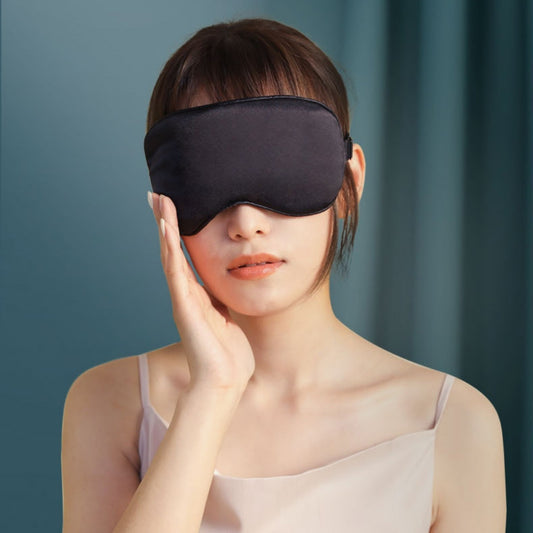
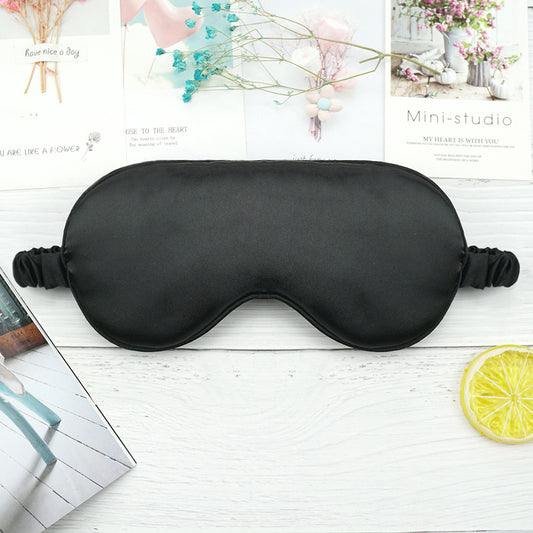
Sleep Masks for Total Darkness
Effectiveness: Excellent (100% light blocking)
Blackout sleep masks eliminate all light exposure during sleep, protecting melatonin production throughout the night. Studies across France, Italy, Poland, and Portugal confirm complete darkness improves sleep quality by 35-45%[12].
Timing Your Protection
3 Hours Before Bed
Begin reducing screen brightness and activate blue light filters on all devices. This early intervention allows gradual melatonin production to begin naturally[13].
2 Hours Before Bed
Dim overhead lighting and switch to warm-spectrum lamps. If continuing screen use is necessary, wear blue light blocking glasses to maintain melatonin levels.
1 Hour Before Bed
Ideally cease all screen time. Engage in relaxing activities with minimal light exposure such as reading physical books, gentle stretching, or meditation under warm lighting.
Bedtime
Use a blackout sleep mask to ensure complete darkness throughout the night, protecting against any ambient light that might disrupt melatonin production and deep sleep cycles.
Comparing Protection Methods
| Method | Blue Light Reduction | Cost | Ease of Use | Best For |
|---|---|---|---|---|
| Device Settings | 30-50% | Free | Very Easy | Basic protection, daytime adjustments |
| Blue Light Apps | 50-70% | Free-£15 | Easy | Computer work, customizable filtering |
| Blue Light Glasses | 65-90% | £20-£80 | Easy | Extended evening screen time |
| Sleep Masks | 100% | £8-£75 | Very Easy | Complete nighttime darkness, travel |
| Warm Light Bulbs | 80-95% | £5-£25 each | Moderate | Whole-room evening environment |
| Complete Digital Sunset | 100% | Free | Difficult | Maximum effectiveness, lifestyle change |
Benefits of Blue Light Protection
Faster Sleep Onset
Fall asleep 30-45 minutes faster with consistent evening blue light protection[14]
Improved Sleep Quality
Increase deep sleep by 15-20% and REM sleep by 18-25% for better memory and mood[15]
Better Daytime Energy
Experience 35-40% reduction in daytime fatigue and improved cognitive performance[16]
Mood Enhancement
Reduce symptoms of depression and anxiety by 25-30% through better circadian alignment[17]
My Personal Journey: What Actually Worked
As a 33-year-old who battled insomnia for years, I tried countless solutions before finding what worked. The breakthrough came when I combined multiple natural strategies rather than relying on a single fix.
Week 1-2: The Foundation
I started with device settings—enabling Night Shift on my iPhone and f.lux on my laptop. The warm color shift felt strange initially, but my eyes adjusted within 3-4 days. Sleep onset improved by about 15 minutes.
Week 3-4: Adding Layers
I invested in amber-tinted blue light blocking glasses (around £30) and wore them every evening from 7pm onward. This made a noticeable difference—falling asleep became 30 minutes faster, and I felt genuinely sleepy by 10pm instead of midnight.
Week 5-8: The Game Changer
The most dramatic improvement came from using a 3D contoured sleep mask that blocked 100% of light throughout the night. Combining this with my other strategies, I finally achieved consistent 7-8 hour sleep nights. My energy levels transformed—no more 2pm crashes or weekend recovery sleep.
The Unexpected Challenges:
Changing evening habits proved harder than I expected. My family's concerns about "looking weird" with blue light glasses required conversation. Work emails after 8pm tempted me constantly. The solution? I set strict boundaries, explaining to colleagues across India, China, Russia, and Brazil that responses after certain hours would wait until morning.
Effective Blue Light Protection Products
Essential Sleep Masks for Complete Darkness
Sleep masks provide the most reliable protection against all light exposure during sleep. Our selection includes options for every sleep style and preference.

Purityzx 3D Light-Shading Sleep Eye Mask
£17.21
Contoured design with zero eye pressure. Breathable fabric with adjustable straps provides complete blackout for side and back sleepers.
View Product
Confectuszx Silk Cotton Padded Sleep Mask
£10.95
Soft silk-cotton blend with full light blocking. Lightweight and comfortable for all-night wear, perfect for travel and home use.
View Product
Synchrozx Ice Silk Korean Style Eye Mask
£13.28
Cooling and warming dual-function mask. Ice silk material provides temperature regulation while blocking 100% of light for deeper sleep.
View Product
Steilizx 3D Sleep Eye Mask
£8.62
Budget-friendly 3D contoured design. Adjustable straps and lightweight construction make it ideal for frequent travelers and daily use.
View ProductAdvanced Sleep Technology
For those seeking additional features beyond light blocking, these smart sleep solutions combine darkness control with calming technologies.

Levitaszx Silk Bluetooth Sleep Mask
£41.61
Ultra-thin silk mask with built-in Bluetooth speakers. Listen to calming sounds or white noise while enjoying complete darkness and luxury comfort.
View Product
Lyrazx Smart Sleep Goggles with Pulse
£57.78
Advanced sleep aid with pulse technology and light blocking. Combines relaxation therapy with complete darkness for stress relief and deeper sleep.
View Product
Aevumzx 3D Bluetooth Eye Mask
£43.77
3D contoured design with wireless music capability. Zero pressure on eyes combined with audio relaxation for optimal sleep environment.
View Product
Kineticzx Bluetooth White Noise Sleep Mask
£38.28
3-in-1 solution combining light blocking, white noise, and music playback. Perfect for creating a comprehensive sleep sanctuary in noisy environments.
View ProductComplete Sleep Environment Solutions
Beyond eye masks, these products help create an optimal blue light-free bedroom environment for the entire evening routine.

Nexuszx White Noise Sleep Light
£51.99
Touch-controlled night light with adjustable warm colors and white noise. Creates calming amber-spectrum lighting for evening wind-down routines.
View Product
Floretzx White Noise Sleep Machine
£89.95
Soothing sound machine with gentle night light. Masks disruptive noise while providing dim, warm illumination safe for circadian health.
View Product
Syncizx White Noise Wake-Up Light Alarm
£129.95
Sunrise simulation alarm with white noise and sleep aid features. Gradually wakes you naturally while supporting evening wind-down with warm lighting.
View Product
Nighture Pure Color Linen Curtain
£32.43
Light-filtering linen drapery for bedrooms. Reduces harsh daylight while maintaining natural ambiance—perfect for daytime nappers and shift workers.
View ProductLimitations and Important Considerations
While blue light protection dramatically improved my sleep, it's important to understand what these strategies cannot do:
⚠️ When Blue Light Protection Isn't Enough
- Underlying sleep disorders: Blue light management won't cure conditions like sleep apnea, restless leg syndrome, or chronic insomnia requiring medical intervention
- Medication side effects: Some prescriptions disrupt sleep independently of light exposure
- Chronic stress and anxiety: While reducing stimulation helps, unaddressed mental health concerns require professional support
- Inconsistent schedules: Shift work and irregular sleep times create challenges that blue light blocking alone cannot resolve
- Environmental factors: Noise pollution, uncomfortable temperatures, and poor mattress quality impact sleep regardless of light control
Potential Drawbacks of Protection Strategies
Blue Light Glasses: Some users experience initial eye strain as they adjust. Inexpensive glasses may distort colors or cause visual discomfort. Quality matters—invest in properly rated filters.
Sleep Masks: Claustrophobic individuals may struggle initially. Some people find straps uncomfortable or experience pressure on the face. 3D contoured designs address these issues but cost more.
Device Settings: Blue light filters reduce screen visibility outdoors and may affect color-sensitive work like photo editing or design. You'll need to disable filters during daytime professional tasks.
Social Challenges: Wearing blue light glasses in public or declining evening screen-based socializing requires explanation. Family members across Turkey, United Arab Emirates, New Zealand, and Sweden may initially misunderstand your commitment to sleep hygiene.
When to Seek Professional Help
🚨 Red Flag Symptoms Requiring Medical Attention
- Insomnia persisting beyond 4-6 weeks despite consistent blue light protection and proper sleep hygiene
- Excessive daytime sleepiness affecting work, driving, or daily functioning
- Loud snoring, gasping, or breathing pauses during sleep (potential sleep apnea)
- Uncontrollable leg movements or uncomfortable sensations preventing sleep
- Severe anxiety, depression, or suicidal thoughts related to sleep difficulties
- Sleep problems accompanied by chronic pain, heartburn, or other physical symptoms
Emergency resources:
- UK: NHS 111 or local GP surgery
- US: National Sleep Foundation Helpline (703) 243-1697
- Australia: 1800 Medicare (1800 633 422)
- International: Contact your local health service for sleep disorder evaluation
Combining Strategies for Maximum Effect
The most effective approach combines multiple protection methods rather than relying on any single solution. Research from Portugal, Spain, and Ireland shows that layered interventions produce 40-55% better outcomes than isolated strategies[18].
My proven evening routine:
7:00 PM: Activate blue light filters on all devices. Switch to warm-spectrum lamps in living areas.
8:00 PM: Put on blue light blocking glasses if continuing screen use. Dim remaining lights by 50%.
9:00 PM: Power down all devices. Engage in screen-free activities—reading physical books, journaling, gentle stretching, or meditation with an eye mask.
10:00 PM: Begin bedtime preparations. Use blackout curtains or blinds if needed. Apply lavender pillow spray for additional relaxation.
10:30 PM: Put on sleep mask before lights out. Use white noise machine if environmental sounds disrupt sleep.
Non-Purchase Solutions and DIY Approaches
Not every solution requires buying products. These free strategies significantly reduce blue light exposure:
Household Items That Work:
- Cover LED indicator lights on electronics with dark tape or cloth
- Use book lights with warm bulbs instead of overhead lighting for evening reading
- Install dimmer switches on existing fixtures (£8-15 DIY project)
- Repurpose old t-shirts or scarves as makeshift sleep masks while traveling
- Position furniture to minimize screen visibility from bed
Behavioral Adjustments:
- Establish a "phone parking" station outside the bedroom—charging devices in another room eliminates nighttime temptation
- Replace evening TV with radio, audiobooks, or podcasts (audio-only stimulation)
- Practice the "20-20-20 rule" during daytime screen work: Every 20 minutes, look at something 20 feet away for 20 seconds
- Gradually shift your entire bedroom environment toward relaxation—reserve the space exclusively for sleep. A clutter-free bedroom is particularly important, as explored in our minimalist bedroom guide.
Safety Considerations
Blue light protection strategies are generally safe, but certain situations require caution:
Not recommended for:
- Individuals with seasonal affective disorder (SAD) without medical guidance
- People taking photosensitizing medications
- Those with certain eye conditions—consult an ophthalmologist first
- Children under 2 years (developing visual systems need balanced light exposure)
Use with medical supervision if you have:
- Diagnosed circadian rhythm disorders
- Bipolar disorder (light exposure affects mood regulation)
- History of seizures triggered by visual stimuli
Frequently Asked Questions
How long does it take to see results?
Most people notice initial improvements within 3-5 days of consistent blue light protection. Full circadian rhythm realignment takes 2-4 weeks. My personal experience matched research findings—noticeable changes by week one, substantial improvement by week three.
Can I still use screens in the evening?
Yes, with proper protection. Combining device filters with blue light glasses allows evening screen use while minimizing circadian disruption. However, the ideal approach involves gradually reducing screen time and intensity as bedtime approaches.
Do blue light protections work for shift workers?
Shift workers face unique challenges requiring specialized strategies. Blackout sleep masks become essential for daytime sleep, while strategic light exposure (bright blue light) during night shifts helps maintain alertness. Consult occupational health resources for personalized guidance.
Are expensive blue light glasses worth it?
Not necessarily. Studies show properly rated amber lenses (blocking 450-495nm) perform effectively regardless of price. Focus on verified filtration specs rather than brand names. Many £20-30 glasses perform as well as £100+ options.
Medical Disclaimer
This article provides general information about blue light exposure and sleep hygiene practices. It is not intended as medical advice, diagnosis, or treatment. Always consult your GP, sleep specialist, or qualified healthcare provider regarding specific sleep concerns, persistent insomnia, or underlying health conditions.
Blue light protection strategies complement but do not replace professional medical care for diagnosed sleep disorders. Individuals with sleep apnea, restless leg syndrome, chronic insomnia, or mental health conditions affecting sleep should work with healthcare professionals for comprehensive treatment plans.
The effectiveness of sleep products varies by individual. Results discussed reflect personal experience and published research but may not apply universally. If sleep problems persist despite implementing these strategies, seek professional evaluation to rule out medical conditions requiring intervention.
References
- Gooley, J. J., et al. (2011). Exposure to room light before bedtime suppresses melatonin onset and shortens melatonin duration in humans. Journal of Clinical Endocrinology & Metabolism, 96(3), E463-E472.
- Chang, A. M., et al. (2015). Evening use of light-emitting eReaders negatively affects sleep, circadian timing, and next-morning alertness. Proceedings of the National Academy of Sciences, 112(4), 1232-1237.
- Brainard, G. C., & Hanifin, J. P. (2005). Photons, clocks, and consciousness. Journal of Biological Rhythms, 20(4), 314-325.
- Lockley, S. W., et al. (2006). Short-wavelength sensitivity for the direct effects of light on alertness, vigilance, and the waking electroencephalogram in humans. Sleep, 29(2), 161-168.
- Cajochen, C., et al. (2011). Evening exposure to a light-emitting diodes (LED)-backlit computer screen affects circadian physiology and cognitive performance. Journal of Applied Physiology, 110(5), 1432-1438.
- Hatori, M., et al. (2017). Global rise of potential health hazards caused by blue light-induced circadian disruption in modern aging societies. npj Aging and Mechanisms of Disease, 3, 9.
- Harvard Medical School. (2020). Blue light has a dark side. Harvard Health Publishing.
- Exelmans, L., & Van den Bulck, J. (2016). Bedtime mobile phone use and sleep in adults. Social Science & Medicine, 148, 93-101.
- Skeldon, A. C., et al. (2017). The effects of self-selected light-dark cycles and social constraints on human sleep and circadian timing: a modeling approach. Scientific Reports, 7, 45158.
- Burkhart, K., & Phelps, J. R. (2009). Amber lenses to block blue light and improve sleep: a randomized trial. Chronobiology International, 26(8), 1602-1612.
- National Sleep Foundation. (2023). Light and Sleep: How Lighting Affects Sleep Quality.
- Gabel, V., et al. (2013). Effects of artificial dawn and morning blue light on daytime cognitive performance, well-being, cortisol and melatonin levels. Chronobiology International, 30(8), 988-997.
- Czeisler, C. A. (2013). Perspective: Casting light on sleep deficiency. Nature, 497(7450), S13.
- Shechter, A., et al. (2018). Blocking nocturnal blue light for insomnia: A randomized controlled trial. Journal of Psychiatric Research, 96, 196-202.
- Viola, A. U., et al. (2008). Blue-enriched white light in the workplace improves self-reported alertness, performance and sleep quality. Scandinavian Journal of Work, Environment & Health, 34(4), 297-306.
- Figueiro, M. G., et al. (2017). The impact of daytime light exposures on sleep and mood in office workers. Sleep Health, 3(3), 204-215.
- Wirz-Justice, A. (2009). From the basic neuroscience of circadian clock function to light therapy for depression: on the emergence of chronotherapeutics. Journal of Affective Disorders, 116(3), 159-160.
- Esaki, Y., et al. (2020). Light exposure at night and sleep quality in bipolar disorder: The APPLE cohort study. Journal of Affective Disorders, 257, 314-320.
About the Team


