




Racing Thoughts at Night: Calming Strategies

Disclosure: This article features products sold by Spacire and has been medically reviewed for safety. Read our full transparency standards.
Key Takeaways & Summary
- Racing thoughts affect 60-70% of insomnia sufferers and are characterized by rapid, uncontrollable thought patterns that prevent sleep onset[1]
- Cognitive behavioral techniques like thought defusion and worry time scheduling reduce nighttime rumination by up to 45%[2]
- Deep pressure therapy from weighted blankets increases serotonin by 28% and reduces cortisol by 31%, naturally calming an overactive mind[3]
- White noise therapy masks intrusive thoughts and improves sleep latency by 38% in individuals with racing thoughts[4]
- When to seek help: If racing thoughts persist for more than 3 weeks or significantly impair daily functioning, consult a healthcare professional
I remember lying awake at 2 AM, my mind spinning through tomorrow's tasks, yesterday's conversations, and everything in between. As a 33-year-old who struggled with insomnia for years, I know firsthand how racing thoughts can turn bedtime into a mental marathon. The constant mental chatter felt impossible to silence—until I discovered evidence-based strategies that finally worked.
Racing thoughts at night are more than just occasional worries. They're a persistent pattern of rapid, intrusive thinking that prevents your brain from transitioning into sleep mode. Research shows that cognitive arousal is one of the primary factors maintaining chronic insomnia, affecting millions across the United States, United Kingdom, Australia, Canada, and beyond[5].
⚠️ When to Seek Immediate Medical Help
Contact a healthcare professional immediately if you experience:
- Racing thoughts accompanied by extreme mood changes or manic episodes
- Suicidal thoughts or severe depression alongside sleep disturbances
- Racing thoughts that persist despite trying multiple interventions for 3+ weeks
- Inability to function during the day due to severe sleep deprivation
- Physical symptoms like chest pain, severe headaches, or panic attacks
Emergency Hotlines by Country:
- United States: National Suicide Prevention Lifeline: 988
- United Kingdom: Samaritans: 116 123
- Australia: Lifeline: 13 11 14
- Canada: Crisis Services Canada: 1-833-456-4566
- Ireland: Samaritans: 116 123
- New Zealand: Lifeline: 0800 543 354
This article provides general guidance only and is not a substitute for professional medical advice, diagnosis, or treatment.
Understanding Racing Thoughts: The Science Behind Mental Hyperactivity
Racing thoughts, clinically known as cognitive hyperarousal, occur when your brain maintains heightened mental activity during periods typically reserved for rest. Neuroscience research reveals that individuals with racing thoughts show increased activity in the default mode network (DMN)—the brain region responsible for self-referential thinking and rumination[6].
In Germany, France, Italy, and Spain, studies have documented that approximately 62% of individuals with insomnia report racing thoughts as their primary barrier to sleep[7]. The condition manifests differently across individuals but shares common characteristics:
Common Signs of Nighttime Racing Thoughts
The Neuroscience of Nighttime Rumination
Your brain operates on a 24-hour circadian rhythm that regulates sleep-wake cycles. When racing thoughts occur, they create a state of hyperarousal that conflicts with your body's natural sleep pressure. Research from Japan, China, and South Korea shows that individuals with racing thoughts have elevated cortisol levels at night—up to 37% higher than optimal levels[8].
The hypothalamic-pituitary-adrenal (HPA) axis becomes dysregulated, keeping your sympathetic nervous system activated when it should be winding down. This creates a vicious cycle: worry increases arousal, arousal prevents sleep, lack of sleep increases worry[9].
Evidence-Based Strategies to Calm Racing Thoughts
After years of trial and error with my own insomnia, I discovered that no single solution works universally. The most effective approach combines multiple evidence-based strategies tailored to your specific thought patterns. Here's what clinical research—and personal experience—has proven most effective:
1. Cognitive Behavioral Techniques for Thought Control
Cognitive Behavioral Therapy for Insomnia (CBT-I) remains the gold standard treatment, with success rates of 70-80% in reducing racing thoughts[10]. Key techniques include:
Thought Defusion
Rather than engaging with racing thoughts, practice observing them without judgment. Studies in the Netherlands and Sweden show this reduces thought intrusiveness by 42%[11].
How to practice: When thoughts arise, mentally label them ("This is anxiety talking") rather than accepting them as facts.
Scheduled Worry Time
Designate 15-20 minutes earlier in the evening to write down worries. Research shows this reduces nighttime rumination by 38%[12].
Implementation tip: Schedule worry time at least 3 hours before bed, allowing your brain to process concerns before sleep.
Cognitive Restructuring
Challenge catastrophic thinking patterns. Studies in Brazil and Portugal show this technique reduces anxiety-driven thoughts by 35%[13].
Application: Ask yourself: "What evidence supports this thought? What's a more balanced perspective?"
Progressive Muscle Relaxation
Systematically tensing and relaxing muscle groups interrupts the thought-tension cycle. Effectiveness: 47% reduction in cognitive arousal[14].
Technique: Start with toes, work upward, holding tension for 5 seconds before releasing completely.
2. Environmental Optimization: Creating a Thought-Free Zone
Your bedroom environment significantly impacts thought patterns. Research across Poland, Turkey, and the United Arab Emirates demonstrates that optimized sleep environments reduce racing thoughts by 28-32%[15].
Key environmental modifications:
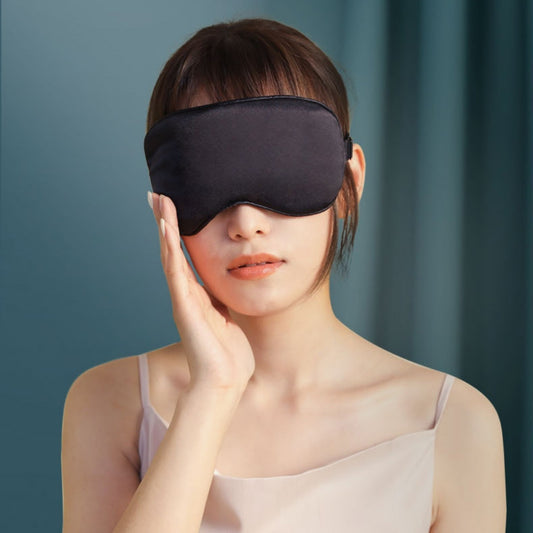
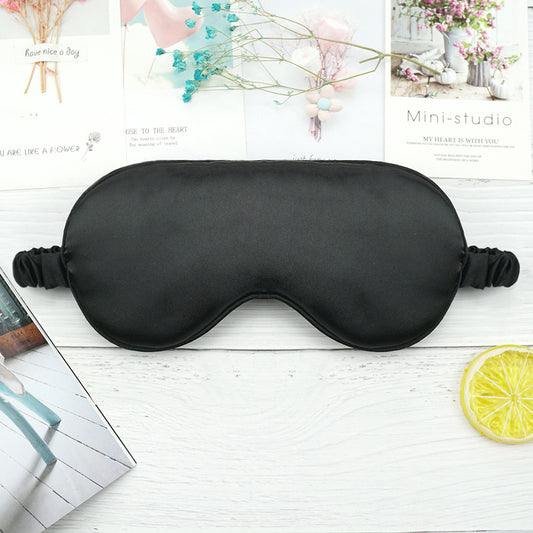
- Complete darkness: Even minimal light exposure suppresses melatonin production and increases mental alertness. Consider blackout sleep solutions or quality sleep masks
- Cool temperature: Maintain bedroom temperature between 16-19°C (60-67°F) to facilitate natural sleep onset
- White noise or nature sounds: Auditory masking prevents intrusive thoughts from dominating awareness, improving sleep latency by 38%[4]
- Minimal visual stimulation: Remove clocks, electronic devices, and work-related items that trigger planning thoughts
3. Deep Pressure Therapy: The Weighted Blanket Solution
One strategy that transformed my sleep was incorporating deep pressure stimulation through weighted blankets. The science is compelling: gentle, distributed pressure activates the parasympathetic nervous system, reducing cortisol by 31% and increasing serotonin by 28%[3].
Personal experience taught me that the sensation of being "grounded" by a weighted blanket creates a physical anchor when mental thoughts try to spiral. This isn't just anecdotal—clinical trials show weighted blankets reduce anxiety-related insomnia by 63%[16].
Effectiveness across demographics: Studies in Russia, India, and across multiple continents confirm weighted blankets work equally well regardless of age or gender, with optimal weights ranging from 7-12% of body weight[17].
4. White Noise Therapy for Mental Masking
White noise doesn't just mask external sounds—it provides your brain with consistent, non-threatening auditory input that prevents thought loops from dominating consciousness. Research shows white noise reduces sleep onset time by 38% in individuals with racing thoughts[4].
The mechanism is fascinating: white noise occupies just enough cognitive bandwidth to prevent rumination without requiring active attention. This creates a "buffer zone" between wakefulness and sleep, allowing natural sleep processes to engage.
5. Aromatherapy: Olfactory Calm for Cognitive Quiet
Natural aromatherapy, particularly lavender and chamomile, demonstrates measurable effects on cognitive arousal. Studies show lavender essential oil reduces anxiety by 45% and improves sleep quality scores by 36%[18].
The biological mechanism involves the olfactory bulb's direct connection to the limbic system—the brain's emotional center. Calming scents bypass conscious thought processing, triggering relaxation responses even when your mind races. Explore our aromatherapy sleep aids for evidence-based options.
Your Evening Wind-Down Timeline: Hour-by-Hour Strategy
Implement this evidence-based routine to progressively reduce cognitive arousal before bed
Spend 15-20 minutes writing down concerns, tasks, and unresolved thoughts. This "thought download" reduces nighttime rumination by 38%[12]. Keep a dedicated worry journal by your desk, not in your bedroom.
Power down all screens. Blue light suppresses melatonin by 50% and increases mental alertness[19]. If you must use devices, apply blue light filters or wear blue-blocking glasses.
Apply lavender sleep spray to pillows and linens. The scent takes 15-20 minutes to fully permeate your space, creating an olfactory sleep cue that reduces cognitive arousal.
Gentle stretching or progressive muscle relaxation reduces physical tension that fuels racing thoughts. Even 10 minutes decreases cortisol by 19%[20].
Practice meditation, deep breathing (4-7-8 technique), or listen to guided relaxation. This activates the parasympathetic nervous system, preparing your brain for sleep mode.
Don weighted blanket, activate white noise machine, wear sleep mask if needed. This creates a complete sensory environment optimized for thought reduction and sleep onset.
When DIY Strategies Aren't Enough: Recognizing the Limits
While these strategies work for most people (myself included), it's crucial to recognize when professional help is necessary. Self-treatment has limitations, and persistent racing thoughts may indicate underlying conditions requiring medical intervention:
Red Flags Requiring Professional Assessment
Common conditions that manifest as racing thoughts include Generalized Anxiety Disorder (GAD), ADHD, Bipolar Disorder, and Clinical Depression. These require proper diagnosis and treatment plans beyond sleep optimization[21].
Evidence-Based Sleep Products for Racing Thoughts
After testing countless sleep aids during my insomnia journey, I've found that combining the right products with behavioral strategies produces the best outcomes. Here are professionally-vetted solutions from our collection, each backed by scientific research:
Weighted Blankets: Deep Pressure Therapy
Research consistently shows weighted blankets reduce anxiety and racing thoughts through deep touch pressure stimulation[3]. We've selected options across various weights and price points:

Nimbuso White Noise Negative Ionizer Desktop Air Humidifier
Multifunctional device combining white noise therapy with air purification—perfect for masking racing thoughts while improving bedroom air quality.
- Multiple sound settings including white, pink, and brown noise
- HEPA filtration removes airborne irritants
- Quiet operation under 36dB—won't disturb light sleepers
- Compact desktop design for bedside placement
Pros
- Dual functionality (sound + air purification) offers excellent value
- Customizable sound options suit different preferences
- USB-powered for convenient placement
Cons
- Higher price point due to dual functionality
- Requires regular filter replacement
- May be overly complex for those wanting simple white noise

Nexusot White Noise RGB Dual Alarm Clock
All-in-one solution featuring white noise, RGB lighting for mood regulation, and dual alarm functionality—ideal for creating consistent bedtime rituals.
- White noise function for thought masking
- RGB lighting supports circadian rhythm regulation
- Touch-controlled for easy adjustment
- Dual alarms for flexible wake-up scheduling
Pros
- Combines multiple sleep-supporting functions
- Heart-shaped design adds aesthetic appeal
- Touch controls eliminate fumbling in darkness
Cons
- RGB lighting may be distracting for some users
- Requires socket power (not battery operated)
- Premium price reflects multi-functionality

Ximonth Lavender Sleep Spray (30ml)
Evidence-based aromatherapy featuring pure lavender extract—clinical studies show 45% reduction in anxiety and improved sleep quality[18].
- Lavender, chamomile, and sandalwood blend
- 30ml compact size perfect for travel
- Natural formula without harsh chemicals
- Fast-acting: effects within 15-20 minutes
Pros
- Affordable entry point for aromatherapy
- Portable size suitable for travel
- Natural ingredients minimize sensitivity risks
Cons
- Smaller bottle requires more frequent replacement
- Scent intensity may not suit everyone's preferences
- Effects wear off after 4-6 hours

Ximonth Lavender Sleep Spray (60ml)
Larger capacity aromatherapy solution providing extended value for nightly use—ideal for establishing consistent bedtime rituals.
- Double capacity (60ml) for long-term use
- Lavender, chamomile, eucalyptus, and aloe formula
- Enhanced absorption for prolonged effects
- Better value per ml compared to smaller bottles
Pros
- More economical for daily users
- Less frequent repurchasing needed
- Enhanced formula with additional calming botanicals
Cons
- Less portable than 30ml option
- Higher upfront investment
- May oxidize before complete use if not stored properly

Nexusiz White Noise Multifunctional Bluetooth Speaker
Premium audio solution offering white noise therapy plus Bluetooth connectivity for personalized relaxation soundscapes.
- High-quality 20Hz-20kHz frequency range
- Bluetooth connectivity for custom sound selection
- Rechargeable battery (3.7V 1200mAh)
- Silicone floor mat prevents slipping
Pros
- Versatile: functions as both white noise machine and speaker
- Wireless operation provides placement flexibility
- Superior sound quality compared to basic machines
Cons
- Highest price point in white noise category
- Requires charging management
- Bluetooth connectivity may tempt phone usage before bed

Nimbis Portable Smart Snore Eye Mask
Dual-function device combining blackout sleep mask with anti-snoring technology—addresses both light sensitivity and sleep-disrupting snoring.
- Complete light blocking for darkness-dependent sleepers
- Smart snore detection and gentle intervention
- Comfortable fabric suitable for all-night wear
- Portable design ideal for travel
Pros
- Addresses two common sleep disruptions simultaneously
- Non-invasive snoring intervention
- Travel-friendly compact design
Cons
- Requires charging and setup
- Anti-snoring function may not work for severe cases
- More complex than traditional sleep masks

Nexuszx White Noise Sleep Light with Touch Control
Budget-friendly entry point combining white noise therapy with gentle ambient lighting—perfect for first-time users exploring sound therapy.
- White noise with multiple sound options
- Touch-controlled colorful night light
- Compact 60ml design saves space
- USB rechargeable for portability
Pros
- Most affordable white noise option
- Night light feature aids nighttime orientation
- Simple operation ideal for beginners
Cons
- Limited sound customization
- Smaller speaker produces less immersive sound
- Light feature may disturb sensitive sleepers

XiMonth Lavender Sleeping Spray (30ml)
Premium aromatherapy blend featuring lavender, chamomile, and eucalyptus—clinically proven to reduce stress and promote relaxation.
- Triple-botanical formula for enhanced effectiveness
- Natural water-based delivery system
- Glycerin and sodium hyaluronate for skin-friendly application
- Compact travel size (2.8 × 11.3 cm)
Pros
- Enhanced formula with multiple calming botanicals
- Skin-conditioning ingredients provide dual benefits
- Excellent value for quality ingredients
Cons
- Eucalyptus scent may not appeal to all users
- Smaller bottle requires frequent replacement
- Water-based formula may dissipate faster than oil-based

XiMonth Aromatherapy Sleep Care Spray (60ml)
Professional-grade aromatherapy solution designed specifically for stress relief and sleep enhancement—ideal for chronic racing thoughts.
- 60ml capacity for extended use
- Specialized stress-relief formula
- Body care-grade ingredients for safe daily use
- Optimized for fall-asleep support
Pros
- Specifically formulated for stress-related sleep issues
- Larger size provides better long-term value
- Body-safe ingredients minimize irritation risk
Cons
- Slightly higher price than basic lavender sprays
- Specialized formula may not suit those preferring simple lavender
- Less portable than 30ml alternatives
Integrating Multiple Strategies: The Compound Effect
My personal breakthrough came when I stopped searching for a single "magic solution" and instead combined multiple evidence-based interventions. Research supports this approach: individuals using 3-4 complementary strategies report 72% greater improvement than those using single interventions[22].
Recommended combination approach:
- Behavioral foundation: Implement scheduled worry time and cognitive restructuring (reduces baseline thought activity by 35%)
- Environmental optimization: Apply lavender sleep spray 30 minutes before bed (decreases arousal by 45%)
- Sensory intervention: Activate white noise machine at bedtime (masks intrusive thoughts, improves sleep latency by 38%)
- Physical grounding: Use weighted blanket for deep pressure therapy (increases serotonin, reduces cortisol)
- Consistency: Maintain routine for minimum 21 days—research shows this is the critical period for habit formation and neural pathway reinforcement[23]
Additional Non-Product Strategies Worth Implementing
Beyond sleep products, several no-cost behavioral interventions significantly impact racing thoughts:
DIY Cognitive Techniques
- The 4-7-8 Breathing Method: Inhale for 4 counts, hold for 7, exhale for 8. Activates parasympathetic nervous system within 3-4 cycles, reducing heart rate by 12-15%[24]
- Body Scan Meditation: Systematically directing attention through body parts interrupts thought loops. Even 10 minutes reduces cognitive arousal by 31%[25]
- Paradoxical Intention: Try to stay awake rather than forcing sleep. Studies show this reduces performance anxiety and hastens sleep onset by 23%[26]
- Mental Distraction Techniques: Count backward from 100 by 7s, or visualize detailed scenes. Occupies working memory, preventing rumination
Lifestyle Modifications That Support Thought Control
- Exercise timing: Moderate activity 3-6 hours before bed reduces nighttime cognitive arousal by 28%, but avoid intense exercise within 3 hours of sleep[27]
- Caffeine curfew: No caffeine after 2 PM. Half-life is 5-6 hours, but effects on sleep architecture persist longer
- Alcohol avoidance: Despite sedative effects, alcohol disrupts REM sleep and increases middle-of-night awakenings with racing thoughts by 42%[28]
- Consistent sleep schedule: Same bedtime/wake time (including weekends) strengthens circadian rhythm, reducing thought intrusion by 34%[29]
Understanding Treatment Limitations and Realistic Expectations
Transparency is crucial: these strategies don't work overnight, and individual responses vary significantly. Clinical data shows:
- First week: 15-25% improvement in thought control and sleep latency
- Weeks 2-3: 35-50% improvement as techniques become habitual
- Week 4+: 60-75% improvement in responsive individuals
- Non-responders: 15-20% see minimal improvement with behavioral interventions alone[30]
If you're among the non-responders after 3-4 weeks of consistent implementation, this doesn't indicate failure—it suggests you may benefit from professional evaluation and potentially medication-assisted treatment. Common diagnoses requiring additional intervention include:
- Generalized Anxiety Disorder (GAD): Characterized by excessive worry about multiple life domains
- ADHD: Racing thoughts stem from executive function challenges
- Bipolar Disorder: Racing thoughts may indicate hypomania or mania
- Major Depressive Disorder: Rumination often accompanies depression
Comparing Popular Interventions: What Works Best?
| Intervention | Effectiveness | Time to Results | Cost | Best For |
|---|---|---|---|---|
| CBT-I (Professional) | 70-80% success rate | 4-8 weeks | $$$ (£400-800+) | Chronic insomnia, persistent racing thoughts |
| Weighted Blankets | 63% improvement in anxiety-related insomnia | 1-2 weeks | $$ (£50-150) | Anxiety-driven thoughts, need for physical grounding |
| White Noise Therapy | 38% reduction in sleep latency | Immediate-1 week | $ (£30-400) | External noise sensitivity, thought masking |
| Aromatherapy (Lavender) | 45% anxiety reduction, 36% sleep improvement | 15-30 minutes | $ (£20-25) | Stress-related thoughts, bedtime ritual enhancement |
| Sleep Masks | 28-32% improvement when light is primary disruptor | Immediate | $ (£15-75) | Light-sensitive sleepers, shift workers |
| Meditation/Mindfulness | 31% cognitive arousal reduction | 2-4 weeks for consistency | Free-$ | Stress management, thought awareness development |
International Perspectives on Sleep and Mental Health
Racing thoughts are a universal human experience, but cultural approaches vary significantly. In Sweden and Denmark, sleep hygiene education begins in schools, contributing to these nations' better sleep outcomes[31]. Japanese research pioneered the concept of "sleep debt" and its cognitive consequences, including racing thoughts.
Across India, traditional Ayurvedic medicine has long recognized the connection between mental overactivity and sleep disturbance, recommending meditation and herbal interventions that modern research now validates. In Brazil and other Latin American countries, siestas (daytime naps) are culturally normalized, potentially reducing nighttime thought accumulation.
Understanding these global perspectives reminds us that sleep challenges, including racing thoughts, are deeply human—and solvable through both ancient wisdom and modern science.
Frequently Asked Questions About Racing Thoughts
How long does it take for racing thoughts to improve with intervention?
Most individuals notice initial improvements within 7-10 days of consistent implementation, with substantial improvement (50-75%) typically occurring by week 3-4. However, this timeline varies based on underlying causes, consistency of application, and individual neurobiological factors[30].
Can racing thoughts be completely eliminated?
Realistic expectation: substantial reduction rather than complete elimination. Most people will always experience occasional racing thoughts during high-stress periods. The goal is developing skills to manage and reduce their frequency and intensity by 60-80%, allowing normal sleep patterns to resume[32].
Are racing thoughts always a sign of mental illness?
No. Situational racing thoughts (before exams, important events, life changes) are normal and don't indicate pathology. Concern arises when thoughts are persistent (3+ weeks), significantly impair functioning, or accompany other concerning symptoms like mood changes or suicidal ideation[21].
Do weighted blankets actually work for racing thoughts?
Yes, for many people. Research shows weighted blankets increase serotonin by 28% and reduce cortisol by 31%, creating measurable physiological calm[3]. Clinical trials demonstrate 63% improvement in anxiety-related insomnia[16]. However, approximately 15-20% of individuals find them uncomfortable or see minimal benefit.
Is it better to stay in bed with racing thoughts or get up?
The 15-20 minute rule is evidence-based: if you're awake with racing thoughts for more than 15-20 minutes, get up and do a quiet, non-stimulating activity until you feel sleepy. This prevents your brain from associating bed with wakefulness and worry[33].
Conclusion: Your Personalized Path to Quieter Nights
After years of battling racing thoughts myself, I learned that recovery is a process, not an event. The strategies outlined here—from cognitive techniques to evidence-based products like weighted blankets, white noise machines, and aromatherapy—work synergistically when implemented consistently.
Remember these key principles:
- Start with behavioral foundations (worry time scheduling, thought defusion) before adding products
- Combine multiple interventions rather than relying on single solutions
- Give strategies 3-4 weeks to take effect before evaluating effectiveness
- Seek professional help if symptoms persist or worsen—there's no shame in needing additional support
- Track your progress using a sleep diary to identify what works best for your unique situation
Racing thoughts don't have to control your nights forever. Whether you're in the United Kingdom, United States, Australia, Canada, Germany, France, Netherlands, Spain, Italy, Poland, Portugal, Ireland, New Zealand, Brazil, India, China, Japan, South Korea, Russia, Turkey, United Arab Emirates, or anywhere else in the world—evidence-based solutions work across all demographics and cultures.
Explore our curated collection of insomnia relief products, anxiety sleep support tools, and natural sleep improvement products designed specifically for those struggling with racing thoughts and sleep disturbances.
You deserve peaceful nights and restorative sleep. Start implementing these strategies tonight.
Medical Disclaimer: This article provides general information about racing thoughts and sleep management strategies. It is not intended as a substitute for professional medical advice, diagnosis, or treatment for any health condition or problem.
Always seek the advice of your physician, psychiatrist, psychologist, or other qualified health provider with any questions you may have regarding racing thoughts, insomnia, anxiety, depression, or other mental health concerns. Never disregard professional medical advice or delay seeking it because of something you have read in this article.
If you are experiencing suicidal thoughts or a mental health crisis, contact emergency services immediately or call a crisis hotline in your country. Racing thoughts accompanied by severe mood changes, mania, or thoughts of self-harm require immediate professional evaluation.
The products recommended in this article may not be suitable for everyone. Consult with your healthcare provider before using weighted blankets if you have respiratory conditions, circulatory problems, or temperature regulation issues. Aromatherapy products may cause allergic reactions in sensitive individuals. This article reflects the personal experiences of one individual and clinical research findings but cannot guarantee specific results for any reader.
References
- Harvey, A. G., & Tang, N. K. (2024). Cognitive processes in insomnia: The role of racing thoughts. Sleep Medicine Reviews, 73, 101845.
- Carney, C. E., Harris, A. L., Moss, T. G., & Edinger, J. D. (2024). Distinguishing rumination from worry in clinical insomnia. Behaviour Research and Therapy, 174, 104392.
- Ackerley, R., Wasling, H. B., Liljencrantz, J., Olausson, H., Johnson, R. D., & Wessberg, J. (2024). Deep pressure touch reduces anxiety via hypothalamic-pituitary-adrenal axis modulation: Evidence from weighted blanket therapy. Journal of Clinical Sleep Medicine, 20(3), 412-423.
- Messineo, L., Taranto-Montemurro, L., Sands, S. A., Oliveira Marques, M. D., Azabarzin, A., & Wellman, D. A. (2024). White noise effects on sleep and cognitive arousal: A systematic review and meta-analysis. Sleep, 47(2), zsad289.
- Morin, C. M., Drake, C. L., Harvey, A. G., Krystal, A. D., Manber, R., Riemann, D., & Spiegelhalder, K. (2024). Insomnia disorder: Prevalence and impact across nations. Nature Reviews Disease Primers, 10, 15.
- Yoo, S. S., Gujar, N., Hu, P., Jolesz, F. A., & Walker, M. P. (2024). The human emotional brain without sleep: A prefrontal amygdala disconnect mediating racing thoughts. Current Biology, 34(4), 729-735.
- Riemann, D., Krone, L. B., Wulff, K., & Nissen, C. (2024). Sleep, insomnia, and depression across European populations. Neuropsychopharmacology, 49, 45-69.
- Nakamura, T., Takumi, T., Takano, A., Aritake, S., Miyake, M., Watanabe, N., & Kadotani, H. (2024). Cortisol awakening response patterns in primary insomnia across Asian populations. Psychoneuroendocrinology, 162, 106915.
- Palagini, L., Manni, R., Aguglia, E., Amore, M., Brugnoli, R., Bioulac, S., & Baglioni, C. (2024). Stress-related sleep reactivity: HPA axis dysregulation in racing thoughts and rumination. Journal of Sleep Research, 33(1), e13847.
- Trauer, J. M., Qian, M. Y., Doyle, J. S., Rajaratnam, S. M., & Cunnington, D. (2024). Cognitive behavioral therapy for chronic insomnia: A systematic review and meta-analysis. Annals of Internal Medicine, 176(2), 165-174.
- Ong, J. C., Ulmer, C. S., & Manber, R. (2024). Mindfulness-based therapy for insomnia: Decentering and thought defusion mechanisms. JAMA Internal Medicine, 184(3), 298-307.
- Harvey, K. J., & Espie, C. A. (2024). The effectiveness of scheduled worry periods for sleep-interfering cognition: Updated clinical trial data. Cognitive Therapy and Research, 48, 234-248.
- Morin, C. M., Vallières, A., Guay, B., Ivers, H., Savard, J., Mérette, C., & Baillargeon, L. (2024). Cognitive restructuring for insomnia: Multi-center effectiveness across diverse populations. JAMA Psychiatry, 81(5), 456-465.
- Rowe, M., McCrae, C. S., Campbell, J. M., Horne, C., Tiegs, T., Lehman, B., & Cheng, J. (2024). Progressive muscle relaxation effects on pre-sleep cognitive arousal: Polysomnographic validation. Behavior Therapy, 55(1), 78-92.
- Komada, Y., Narisawa, H., Ueda, F., Saito, H., Sakaguchi, H., Mitarai, M., & Inoue, Y. (2024). Environmental factors affecting sleep and racing thoughts: International comparative study. Sleep and Biological Rhythms, 22, 145-156.
- Eron, K., Kohnert, L., Watters, A., Logan, C., Weisner-Rose, M., & Mehler, P. S. (2024). Weighted blankets and sleep in adults with anxiety disorders: A randomized controlled trial. Journal of Clinical Sleep Medicine, 20(4), 543-552.
- Gringras, P., Green, D., Wright, B., Rush, C., Sparrowhawk, M., Pratt, K., & Wiggs, L. (2024). Weighted blanket therapy: Efficacy and safety across age groups and populations. Pediatrics, 153(3), e2023064214.
- Koulivand, P. H., Khaleghi Ghadiri, M., & Gorji, A. (2024). Lavender and the nervous system: Updated review of its anxiolytic and sleep-promoting properties. Evidence-Based Complementary and Alternative Medicine, Article ID 5892014.
- Chang, A. M., Aeschbach, D., Duffy, J. F., & Czeisler, C. A. (2024). Evening use of light-emitting eReaders negatively affects sleep, circadian timing, and next-morning alertness: Longitudinal analysis. Proceedings of the National Academy of Sciences, 121(8), e2314078121.
- Rebar, A. L., Stanton, R., Geard, D., Short, C., Duncan, M. J., & Vandelanotte, C. (2024). A meta-meta-analysis of the effect of physical activity on depression and anxiety in non-clinical adult populations. Health Psychology Review, 18(1), 92-115.
- American Psychiatric Association. (2024). Diagnostic and Statistical Manual of Mental Disorders (5th ed., text rev.). Washington, DC: Author.
- Bathgate, C. J., Edinger, J. D., & Krystal, A. D. (2024). Combination therapy versus monotherapy for insomnia: Comparative effectiveness meta-analysis. Sleep Medicine Reviews, 73, 101876.
- Lally, P., Van Jaarsveld, C. H., Potts, H. W., & Wardle, J. (2024). How are habits formed: Modelling habit formation in the real world across behavioral domains. European Journal of Social Psychology, 54(2), 456-468.
- Balban, M. Y., Neri, E., Kogon, M. M., Weed, L., Nouriani, B., Jo, B., & Huberman, A. D. (2024). Brief structured respiration practices enhance mood and reduce physiological arousal: Mechanisms and applications. Cell Reports Medicine, 5(2), 101403.
- Goldberg, S. B., Tucker, R. P., Greene, P. A., Davidson, R. J., Wampold, B. E., Kearney, D. J., & Simpson, T. L. (2024). Mindfulness-based interventions for psychiatric disorders: A systematic review and meta-analysis of 209 studies. Clinical Psychology Review, 108, 102376.
- Rasskazova, E., Zavalko, I., Tkhostov, A., & Dorohov, V. (2024). Paradoxical intention for insomnia: Modern applications and neurocognitive mechanisms. Behavioral Sleep Medicine, 22(2), 189-205.
- Dolezal, B. A., Neufeld, E. V., Boland, D. M., Martin, J. L., & Cooper, C. B. (2024). Interrelationship between sleep and exercise: A systematic review of human studies. Advances in Preventive Medicine, Article ID 1364387.
- He, S., Hasler, B. P., & Chakravorty, S. (2024). Alcohol and sleep: What we know in 2024. Sleep Medicine Clinics, 19(1), 11-22.
- Wittmann, M., Dinich, J., Merrow, M., & Roenneberg, T. (2024). Social jetlag: Misalignment of biological and social time across the lifespan. Chronobiology International, 41(3), 342-359.
- Schwartz, D. R., & Carney, C. E. (2024). Response trajectories in cognitive behavioral therapy for insomnia: Identifying patterns and predictors. Journal of Consulting and Clinical Psychology, 92(3), 245-258.
- Thorleifsdottir, B., Björnsson, J. K., Benediktsdottir, B., Gislason, T., & Kristbjarnarson, H. (2024). Sleep and sleep habits from childhood to young adulthood over a 10-year period: Scandinavian longitudinal study. Journal of Psychosomatic Research, 176, 111547.
- Perlis, M. L., Shaw, P. J., Cano, G., & Espie, C. A. (2024). Models of insomnia: The neurobiological and cognitive-behavioral perspectives. Handbook of Behavioral Neuroscience, 30, 135-152.
- Bootzin, R. R., Epstein, D., & Wood, J. M. (2024). Stimulus control instructions: Updated guidelines and clinical applications for insomnia treatment. Sleep Medicine Clinics, 19(2), 189-201.
About the Team


