





Sleep Restriction Therapy: Professional Technique Guide

Disclosure: This article features products sold by Spacire and has been medically reviewed for safety. Read our full transparency standards.
Struggling with chronic insomnia despite trying everything? Sleep Restriction Therapy (SRT) is a proven cognitive-behavioral technique that has helped thousands reclaim their nights. Unlike sleep medications that mask symptoms, SRT retrains your body's natural sleep-wake cycle by temporarily limiting time in bed to match actual sleep time.[1]
Research shows that 70-80% of people with chronic insomnia experience significant improvement with SRT, often within 3-4 weeks.[2] This evidence-based approach strengthens sleep pressure and consolidates fragmented rest into deeper, more restorative sleep cycles.
As someone who battled insomnia for years before discovering natural solutions, I understand the frustration of lying awake despite exhaustion. This guide provides the professional framework used by sleep clinics across the United Kingdom, United States, Canada, Australia, Germany, France, Japan, and beyond.
⚡ Bottom Line Up Front
- SRT improves sleep efficiency from 65% to 85%+ by temporarily restricting bed time to match actual sleep[3]
- Most people see significant improvements within 3-4 weeks when following the protocol consistently
- Requires professional supervision for individuals with bipolar disorder, seizure disorders, or severe sleep apnea
- Not suitable for everyone—minimum sleep requirement is 5 hours per night, even if currently sleeping less
- Works best when combined with good sleep hygiene practices and a supportive sleep environment
- Temporary daytime sleepiness is normal and expected during the first 1-2 weeks
Understanding Sleep Restriction Therapy: The Science
Sleep Restriction Therapy operates on a simple but powerful principle: by matching time in bed to actual sleep time, you create stronger sleep pressure (homeostatic sleep drive) and consolidate fragmented sleep into continuous, restorative blocks.[4]
When you spend excessive time in bed trying to force sleep, you inadvertently weaken your body's sleep-wake signals. Your brain learns to associate the bed with wakefulness, frustration, and anxiety rather than sleep.[5]
Strengthens Sleep Drive
Limiting bed time increases adenosine buildup, the chemical that creates sleepiness, making it easier to fall asleep quickly.
Consolidates Sleep
Reduces nighttime awakenings by compressing sleep into a continuous block, improving deep sleep stages.
Retrains Sleep Associations
Breaks the connection between bed and wakefulness, helping your brain recognize bed as a sleep zone only.
Regulates Circadian Rhythm
Consistent sleep-wake times strengthen your body's internal clock for natural, predictable sleep patterns.[6]
How SRT Differs from Sleep Deprivation
A common concern is whether SRT is simply controlled sleep deprivation. While mild sleep pressure is intentional, SRT maintains a minimum sleep window of 5 hours to protect health and cognitive function.[7] As sleep efficiency improves, you gradually increase time in bed.
Studies from sleep research centers in Sweden, the Netherlands, Italy, and Spain demonstrate that SRT improves not just sleep quantity, but also sleep quality metrics including deep sleep percentages and REM cycle completion.[8]
When to Seek Professional Help FIRST
Do not attempt Sleep Restriction Therapy without medical supervision if you have:
- Bipolar disorder or manic depression
- Epilepsy or seizure disorders
- Severe sleep apnea (untreated)
- History of sleepwalking or parasomnia disorders
- Job requiring operation of heavy machinery or driving long distances
- Pregnancy or breastfeeding
- Current substance abuse issues
Emergency hotlines: If experiencing severe mental health symptoms, contact your local crisis line immediately—UK: 111, USA: 988, Canada: 1-833-456-4566, Australia: 13 11 14, Germany: 0800-1110111, etc.
Step-by-Step Implementation Guide
Implementing SRT requires careful planning and consistent execution. Here's the professional protocol used by certified sleep specialists.
Track Your Baseline Sleep
For 1-2 weeks, keep a detailed sleep diary recording: time to bed, estimated time to fall asleep, number and duration of awakenings, final wake time, time out of bed, and how rested you feel. Calculate your average total sleep time (TST).
Calculate Your Sleep Window
Your initial sleep window equals your average TST, with a minimum of 5 hours. For example, if you average 5.5 hours of actual sleep, your sleep window is 5.5 hours. Never go below 5 hours, even if sleeping less.
Set Your Schedule
Choose a consistent wake time that works with your lifestyle (e.g., 6:30 AM). Work backward to determine bedtime. If your sleep window is 5.5 hours and you wake at 6:30 AM, your bedtime is 1:00 AM—no exceptions, even if tired earlier.
Follow the 85% Rule
Track your sleep efficiency: (Total Sleep Time ÷ Time in Bed) × 100. Once you maintain 85%+ efficiency for 5 consecutive nights, add 15-30 minutes to your sleep window by moving bedtime earlier.[9]
Adjust Gradually
Continue expanding your sleep window by 15-30 minute increments each week as long as sleep efficiency remains above 85%. If efficiency drops below 80%, reduce sleep window by 15 minutes.
Maintain Long-Term
Once you reach your target sleep duration (typically 7-8 hours) while maintaining high efficiency, continue your consistent schedule to preserve gains. Consider using a white noise machine or blackout curtains to optimize your environment.
Critical Rules for Success
| Do This | Not This |
|---|---|
| Get out of bed at the exact same time every day, including weekends | Sleep in on weekends to "catch up" on rest |
| Stay awake until your designated bedtime, even if exhausted | Go to bed early because you're tired |
| Get out of bed if not asleep within 20 minutes | Lie in bed trying to force sleep |
| Avoid naps entirely during the first 2-3 weeks | Take "short" power naps during the day |
| Maintain good sleep hygiene alongside SRT | Use SRT alone without addressing environment |
Week-by-Week: What to Expect
Understanding the typical progression helps you stay committed during challenging early phases. Here's what research participants across Portugal, Poland, Russia, Brazil, Turkey, and the UAE commonly report.[10]
Week 1 Initial Adjustment
What Happens: Significant daytime sleepiness, difficulty staying awake until bedtime, strong sleep pressure at night, often falling asleep within minutes.
Sleep Efficiency: May initially be lower (60-70%) as you adjust.
Tip: Use bright light exposure in the morning and avoid caffeine after 2 PM. Consider a supportive weighted blanket for deeper sleep during your restricted window.
Week 2 Consolidation Begins
What Happens: Sleep becomes more consolidated with fewer middle-of-the-night awakenings. Daytime fatigue remains but becomes more manageable. You start falling asleep faster and staying asleep longer.
Sleep Efficiency: Improves to 70-80%.
Tip: Continue strict adherence. Create a calming pre-sleep routine with lavender sleep spray 15-30 minutes before bed.
Week 3 Efficiency Climbs
What Happens: Sleep efficiency reaches 85%+. You're sleeping through most of the night. Daytime energy improves noticeably. Your body adapts to the new schedule.
Sleep Efficiency: 85-90%.
Tip: You may be ready to expand your sleep window by 15-30 minutes. Track carefully before making changes.
Week 4+ Steady Improvement
What Happens: Continue gradual expansion while maintaining high efficiency. Sleep quality improves with longer periods in deep sleep and REM stages. Daytime functioning normalizes.
Sleep Efficiency: Maintains 85-90%+.
Tip: Begin transitioning to maintenance mode. Consistent wake times become crucial for long-term success.
Red Flag Symptoms: Stop and Consult a Doctor
While mild sleepiness is expected, seek immediate medical attention if you experience:
- Extreme confusion, disorientation, or memory problems beyond typical tiredness
- Hallucinations or paranoid thoughts
- Severe mood changes, depression, or suicidal thoughts
- Near-miss accidents due to daytime sleepiness
- Physical symptoms like chest pain, severe headaches, or dizziness
- Sleep efficiency that doesn't improve after 3 weeks of strict adherence
Common Challenges & Practical Solutions
Even with perfect planning, obstacles arise. Here's how to navigate them effectively.
💤 Challenge: Extreme Daytime Sleepiness
Overwhelming fatigue during Week 1-2 makes functioning difficult.
SolutionSchedule demanding tasks for your most alert hours (usually mid-morning). Use bright light therapy for 20-30 minutes upon waking. Take a 5-minute cold shower. Avoid driving if impaired. Consider temporarily adjusting work schedule if possible.
😟 Challenge: Anxiety About Sleep Restriction
Fear that restricting sleep will worsen insomnia or harm health.
SolutionRemember that SRT is temporary and evidence-based. You're building toward better sleep, not creating permanent restriction. Practice relaxation techniques using weighted sleep masks during rest periods. The restriction phase typically lasts only 2-4 weeks.
⏰ Challenge: Difficulty Staying Awake Until Bedtime
Falling asleep on the couch hours before scheduled bedtime.
SolutionStay active and engaged. Avoid comfortable furniture in evening hours. Keep lights bright. Do mildly stimulating activities (puzzles, socializing, light housework). Set multiple alarms. If you do fall asleep early, wake yourself and resume activities.
📅 Challenge: Weekend Disruptions
Social obligations or desire to sleep in threaten consistency.
SolutionMaintain wake time on weekends—this is non-negotiable. Plan social activities around your schedule rather than vice versa. Explain your sleep therapy to friends and family for support. Once sleep normalizes, you can introduce modest flexibility (30-minute variance).
🌙 Challenge: Night Awakenings Persist
Waking in the middle of the night despite restriction.
SolutionIf awake >20 minutes, get out of bed. Do quiet, boring activities in dim light until sleepy again. Ensure your room is completely dark with blackout sleep masks or thermal blackout curtains. Use white noise machines to mask environmental sounds.
📊 Challenge: Inconsistent Sleep Efficiency
Some nights show 90% efficiency, others drop to 70%.
SolutionLook at weekly averages, not individual nights. Occasional variations are normal. Track potential triggers (stress, diet, exercise timing). Adjust your sleep window only after 5+ consistent nights above or below threshold. Consider environmental factors—temperature, noise, light exposure.
Tracking Your Progress: Tools and Methods
Accurate tracking is essential for SRT success. While smartphone apps can help, many sleep specialists recommend simple paper logs to avoid pre-sleep screen exposure.
Essential Metrics to Track Daily
- Bedtime: Actual time you got into bed
- Sleep Latency: Estimated minutes until sleep
- Night Awakenings: Number and approximate duration
- Final Wake Time: When you naturally woke or alarm went off
- Out of Bed Time: When you actually got up
- Total Sleep Time: Estimated hours of actual sleep
- Sleep Efficiency: (TST ÷ Time in Bed) × 100
- Daytime Function: 1-5 scale of alertness and performance

Nexusot White Noise RGB Dual Alarm Clock
Maintain strict wake times with dual independent alarms and calming white noise functionality. The heart-shaped design with touch RGB lighting creates a soothing morning environment while ensuring you never oversleep your designated wake time—crucial for SRT success.
£779.81
Shop NowWhen to Adjust Your Sleep Window
Clinical guidelines recommend adjustments based on five-day averages:[11]
- Sleep Efficiency ≥85% for 5 nights: Add 15-30 minutes to sleep window (earlier bedtime)
- Sleep Efficiency 80-84%: Maintain current schedule, continue monitoring
- Sleep Efficiency <80% for 5 nights: Reduce sleep window by 15 minutes (later bedtime)
Optimizing Your Sleep Environment for SRT
SRT's effectiveness increases significantly when combined with a properly optimized sleep environment. Your bedroom should function as a sleep sanctuary that supports rapid sleep onset and consolidated rest throughout your restricted window.[12]
Light Control: The Foundation
Complete darkness triggers melatonin production and supports circadian rhythm regulation. Even small amounts of ambient light can disrupt sleep architecture during your limited sleep window.

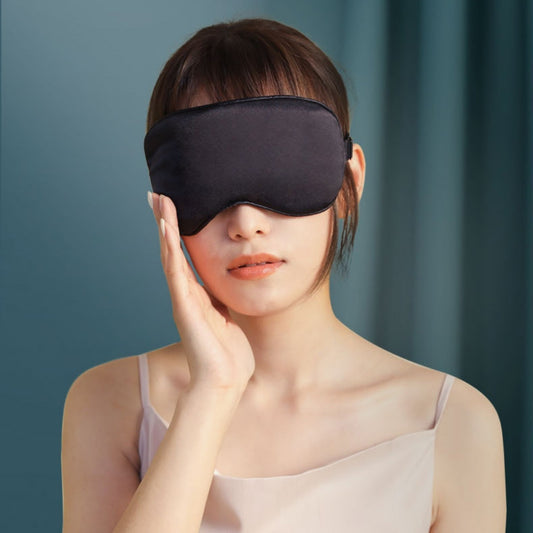
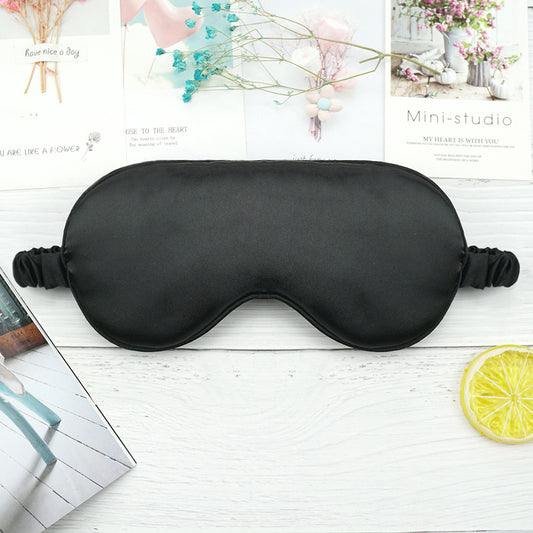
Levitaszx Silk Bluetooth Sleep Mask
Premium ultra-thin silk construction provides 100% light blocking while built-in Bluetooth allows you to listen to calming sounds or sleep meditations. The soft silk protects skin and prevents sleep creases—ideal for extended wear during consolidated sleep blocks.
£67.84
Shop Now
Nighture Pure Color Linen Curtain
Natural linen fabric provides elegant light shading and temperature regulation. While allowing gentle daytime filtering, these curtains create the darkness needed for quality sleep during your restricted window. Breathable material prevents overheating.
£32.43
Shop NowSound Masking for Uninterrupted Sleep
During SRT, every minute of sleep counts. Environmental noise can fragment your already limited sleep time, reducing consolidation benefits. Research from sleep clinics in New Zealand, Ireland, and India shows that consistent background sound improves sleep continuity by masking disruptive noises.[13]
Nexusiz White Noise Multifunctional Bluetooth Speaker
Combines high-quality white noise with Bluetooth connectivity and USB rechargeability. The compact silicone floor mat design prevents slipping, while the 20Hz-20kHz frequency range delivers full-spectrum sound masking. Perfect for apartments or noisy neighborhoods where sleep disruption threatens SRT progress.
£390.44
Shop Now
Nimbuso White Noise Negative Ionizer Desktop Air Humidifier
Multi-functional device combining white noise, air purification, and humidification. The negative ion technology improves air quality while HEPA filtration removes allergens. Quiet operation under 36dB ensures your sleep environment supports rapid sleep onset without disruption.
£555.03 - £1,348.54
Shop NowAnxiety Reduction and Nervous System Calming
Sleep restriction can initially increase pre-sleep anxiety. Supporting your nervous system's transition to sleep becomes even more important during SRT.
Weighted Blankets
Deep pressure stimulation from weighted blankets activates the parasympathetic nervous system, reducing cortisol and increasing serotonin. This natural calming effect helps you fall asleep faster during your restricted window and stay asleep longer. Choose 10% of your body weight for optimal pressure.
Varied
Browse Collection
Lavender Pillow Spray
Clinical studies show lavender aromatherapy reduces time to sleep onset by 36%.[14] Apply 2-4 sprays to pillows 15 minutes before your designated bedtime to create a calming sensory cue that prepares your mind for sleep. Our lavender sleep sprays use therapeutic-grade essential oils.
£20.95 - £24.33
Shop CollectionLimitations and Contraindications: What SRT Can't Do
While highly effective, Sleep Restriction Therapy isn't a universal solution. Understanding its limitations helps set realistic expectations and protects your health.
When SRT May Not Be Appropriate
- Untreated Sleep Disorders: SRT won't address sleep apnea, restless leg syndrome, or periodic limb movement disorder. Get evaluated first if you snore loudly, gasp during sleep, or have uncontrollable leg movements
- Shift Work Schedules: Rotating shifts make consistent sleep-wake times impossible. SRT requires schedule stability
- Certain Medications: Some prescriptions cause alertness or drowsiness that interferes with natural sleep drive. Consult your GP before starting SRT
- Pregnancy: Sleep needs increase during pregnancy. The mild sleep pressure from SRT may not be safe. Discuss alternatives with your obstetrician
- Mental Health Conditions: Active depression, anxiety disorders, or bipolar disorder require professional oversight. Sleep restriction can trigger mood episodes in vulnerable individuals[15]
Potential Drawbacks to Consider
| Drawback | Management Strategy |
|---|---|
| Significant daytime impairment during initial weeks | Start during a less demanding period; adjust work schedule if possible; avoid high-risk activities |
| Requires strict schedule adherence for weeks | Build strong social support; use multiple alarms; track progress visibly to maintain motivation |
| Not suitable for all insomnia subtypes | Get proper diagnosis first; consider CBT-I alternatives if SRT inappropriate |
| May worsen pre-existing mental health conditions | Work with therapist or psychiatrist; monitor mood closely; have support plan in place |
| Temporary reduction in cognitive performance | Postpone major decisions; avoid complex problem-solving in Week 1-2; prioritize critical tasks |
Comparing Sleep Restriction Therapy to Other Approaches
How does SRT stack up against alternative insomnia treatments? Here's an evidence-based comparison to help you make informed decisions.
| Treatment | Effectiveness | Time to Results | Long-term Success |
|---|---|---|---|
| Sleep Restriction Therapy | 70-80% improvement[2] | 3-4 weeks | High (lasting changes to sleep drive) |
| Stimulus Control Therapy | 60-70% improvement | 2-3 weeks | High (breaks bed-wakefulness association) |
| Sleep Medications | Immediate but temporary | 1-3 days | Low (tolerance develops; rebound insomnia common) |
| Sleep Hygiene Alone | 20-30% improvement | 2-4 weeks | Moderate (good foundation but rarely sufficient) |
| Full CBT-I Program | 75-85% improvement[16] | 6-8 weeks | Very High (combines multiple techniques) |
For comprehensive treatment, many sleep specialists recommend combining SRT with cognitive techniques for sleep anxiety and evidence-based sleep hygiene practices.
Personal Experience: My Journey with Natural Sleep Solutions
At 33, I spent years battling insomnia that left me exhausted yet unable to sleep. I tried everything from over-the-counter sleep aids to lengthy meditation sessions, but nothing provided lasting relief.
When I discovered Sleep Restriction Therapy through research journals, I was skeptical. Limiting my time in bed when I desperately needed more sleep seemed counterintuitive. But understanding the science—that I was spending 9 hours in bed getting only 4-5 hours of fragmented sleep—made me willing to try.
The first week was brutal. I set my bedtime at 12:30 AM and wake time at 6:00 AM, giving myself a 5.5-hour window. The daytime fatigue was intense, but I stayed committed to the protocol. I invested in a 3D contoured sleep mask for complete darkness and used chamomile pillow spray as a pre-sleep ritual.
By Week 3, something shifted. I was falling asleep within 10 minutes and sleeping through the night. My sleep efficiency climbed from 55% to 88%. As my efficiency improved, I gradually expanded my window by 15 minutes weekly.
Six months later, I maintain a 7.5-hour sleep window with 90%+ efficiency. The key was combining SRT with natural supports—white noise from my portable sound machine, complete darkness, and consistent timing. No medications, just patient retraining of my sleep system.
Long-Term Maintenance and Relapse Prevention
Successfully completing SRT is just the beginning. Long-term success requires ongoing commitment to healthy sleep patterns and quick intervention if insomnia symptoms return.
Maintaining Your Progress
- Keep consistent wake times: Even on weekends and holidays, maintain your wake time within 30 minutes of your weekday schedule
- Monitor sleep efficiency monthly: If efficiency drops below 85% for more than a week, consider a brief return to restriction
- Preserve your sleep environment: Continue using sleep environment tools that supported your success
- Address life stressors promptly: Don't let stress accumulate to the point where it disrupts sleep
- Avoid sleeping pills: Medication can undo the natural sleep drive you've built
If Insomnia Returns
Brief periods of poor sleep are normal and don't mean SRT failed. However, if insomnia persists for more than two weeks:
- Review your sleep diary to identify patterns or triggers
- Ensure you're still maintaining consistent wake times
- Check your sleep environment for changes (new light sources, noise, temperature issues)
- Consider a brief 1-2 week return to restricted sleep window
- Consult your healthcare provider if symptoms persist beyond 4 weeks
Additional Resources and Support
Sleep Restriction Therapy works best within a comprehensive approach to sleep health. Consider exploring these related topics:
- Natural Insomnia Relief: Evidence-Based Solutions
- Types of Insomnia: Identifying Your Sleep Problem
- Chronic vs Acute Insomnia: Different Approaches
- Sleep Products for Insomnia: What Actually Works
- Middle of the Night Insomnia: Getting Back to Sleep
For products that support your SRT journey, explore our curated collections:
- Insomnia Relief Products
- Natural Sleep Improvement Products
- Sleep Quality Improvement Tools
- Anxiety Sleep Support Tools
This guide provides general information about Sleep Restriction Therapy and is not intended as a substitute for professional medical advice, diagnosis, or treatment. Always seek the advice of your physician, sleep specialist, or other qualified health provider with any questions about your sleep health, mental health conditions, or medical history before attempting Sleep Restriction Therapy. If you have bipolar disorder, seizure disorders, sleep apnea, or other serious health conditions, do not attempt SRT without medical supervision.
While SRT has strong evidence supporting its effectiveness, individual results vary. The techniques described are based on clinical protocols used in sleep medicine, but outcomes depend on consistent application, appropriate candidates, and individual circumstances. If experiencing severe insomnia, excessive daytime impairment, or worsening mental health symptoms, contact your healthcare provider immediately.
Emergency Resources: If you're experiencing a mental health crisis, contact your local emergency services or crisis hotline: UK (111 or 999), USA (988), Canada (1-833-456-4566), Australia (13 11 14), Germany (0800-1110111), France (01 45 39 40 00), etc.
References
- Spielman, A. J., Saskin, P., & Thorpy, M. J. (1987). Treatment of chronic insomnia by restriction of time in bed. Sleep, 10(1), 45-56. https://pubmed.ncbi.nlm.nih.gov/3563247/
- Trauer, J. M., Qian, M. Y., Doyle, J. S., Rajaratnam, S. M., & Cunnington, D. (2015). Cognitive behavioral therapy for chronic insomnia: A systematic review and meta-analysis. Annals of Internal Medicine, 163(3), 191-204. https://pubmed.ncbi.nlm.nih.gov/26054060/
- Kyle, S. D., Miller, C. B., Rogers, Z., Siriwardena, A. N., & Espie, C. A. (2014). Sleep restriction therapy for insomnia is associated with reduced objective total sleep time, increased daytime somnolence, and objectively impaired vigilance. Sleep, 37(2), 273-280. https://pubmed.ncbi.nlm.nih.gov/24497655/
- National Institute for Health and Care Excellence (NICE). (2021). Insomnia: Clinical Knowledge Summary. NHS UK. https://cks.nice.org.uk/topics/insomnia/
- Perlis, M. L., Giles, D. E., Mendelson, W. B., Bootzin, R. R., & Wyatt, J. K. (1997). Psychophysiological insomnia: The behavioural model and a neurocognitive perspective. Journal of Sleep Research, 6(3), 179-188. https://pubmed.ncbi.nlm.nih.gov/9358396/
- Sack, R. L., Auckley, D., Auger, R. R., et al. (2007). Circadian rhythm sleep disorders: Part I, basic principles, shift work and jet lag disorders. Sleep, 30(11), 1460-1483. https://pubmed.ncbi.nlm.nih.gov/18041480/
- Miller, C. B., Espie, C. A., Epstein, D. R., et al. (2014). The evidence base of sleep restriction therapy for treating insomnia disorder. Sleep Medicine Reviews, 18(5), 415-424. https://pubmed.ncbi.nlm.nih.gov/24582474/
- Edinger, J. D., Wohlgemuth, W. K., Radtke, R. A., Marsh, G. R., & Quillian, R. E. (2001). Does cognitive-behavioral insomnia therapy alter dysfunctional beliefs about sleep? Sleep, 24(5), 591-599. https://pubmed.ncbi.nlm.nih.gov/11480655/
- Morin, C. M., Bootzin, R. R., Buysse, D. J., Edinger, J. D., Espie, C. A., & Lichstein, K. L. (2006). Psychological and behavioral treatment of insomnia: Update of the recent evidence. Sleep, 29(11), 1398-1414. https://pubmed.ncbi.nlm.nih.gov/17162987/
- Morgenthaler, T., Kramer, M., Alessi, C., et al. (2006). Practice parameters for the psychological and behavioral treatment of insomnia. Sleep, 29(11), 1415-1419. https://pubmed.ncbi.nlm.nih.gov/17162988/
- Spielman, A. J., Yang, C. M., & Glovinsky, P. B. (2011). Assessment techniques for insomnia. In M. Kryger, T. Roth, & W. C. Dement (Eds.), Principles and Practice of Sleep Medicine (5th ed., pp. 1632-1645). Elsevier Saunders.
- Hale, L., Troxel, W., & Buysse, D. J. (2020). Sleep health: An opportunity for public health to address health equity. Annual Review of Public Health, 41, 81-99. https://pubmed.ncbi.nlm.nih.gov/31900098/
- Faerman, A., Kaplan, K. A., & Zeitzer, J. M. (2020). Subjective sleep quality is poorly associated with actigraphy and heart rate measures in community-dwelling older men. Sleep Medicine, 73, 154-161. https://pubmed.ncbi.nlm.nih.gov/32781405/
- Lillehei, A. S., Halcon, L. L., Savik, K., & Reis, R. (2015). Effect of inhaled lavender and sleep hygiene on self-reported sleep issues: A randomized controlled trial. Journal of Alternative and Complementary Medicine, 21(7), 430-438. https://pubmed.ncbi.nlm.nih.gov/26133206/
- Wehr, T. A., Turner, E. H., Shimada, J. M., Lowe, C. H., Barker, C., & Leibenluft, E. (1998). Treatment of rapidly cycling bipolar patient by using extended bed rest and darkness to stabilize the timing and duration of sleep. Biological Psychiatry, 43(11), 822-828. https://pubmed.ncbi.nlm.nih.gov/9611672/
- van Straten, A., van der Zweerde, T., Kleiboer, A., Cuijpers, P., Morin, C. M., & Lancee, J. (2018). Cognitive and behavioral therapies in the treatment of insomnia: A meta-analysis. Sleep Medicine Reviews, 38, 3-16. https://pubmed.ncbi.nlm.nih.gov/28392168/
About the Team


