




Sunday Night Insomnia: Beating Work Week Anxiety

Disclosure: This article features products sold by Spacire and has been medically reviewed for safety. Read our full transparency standards.
Bottom Line Up Front
Sunday night insomnia affects up to 57% of workers globally and stems from anticipatory anxiety about the upcoming work week.[1] This comprehensive guide covers evidence-based strategies including cognitive behavioural techniques, environmental optimisation, natural sleep aids, and when professional help is essential. Relief is achievable through consistent implementation of these methods.
Understanding Sunday Night Insomnia
Sunday night insomnia, clinically termed "anticipatory sleep anxiety," represents a widespread phenomenon where individuals struggle to fall or stay asleep specifically before the working week begins. Research indicates this affects professionals across Australia, Canada, the United States, United Kingdom, Germany, France, Japan, India, Spain, Netherlands, Ireland, and many other nations.
The condition manifests through several physiological mechanisms. When anxiety about Monday morning emerges, the hypothalamic-pituitary-adrenal axis activates, releasing cortisol and adrenaline that directly inhibit melatonin production.[2] This hormonal cascade creates a state incompatible with sleep initiation, regardless of physical tiredness.
The Neurobiology of Sunday Night Insomnia
1 Anticipatory Anxiety Trigger
Thoughts about work deadlines, meetings, or unfinished tasks activate the amygdala, the brain's fear and anxiety centre. This occurs typically between 6-10pm on Sunday evenings.
2 Stress Hormone Release
The amygdala signals the hypothalamus to initiate the stress response. Cortisol levels spike by 25-40%, whilst adrenaline increases heart rate by 15-20 beats per minute.[3]
3 Melatonin Suppression
Elevated cortisol directly suppresses melatonin synthesis in the pineal gland, reducing natural sleepiness by up to 60%. This effect persists for 2-4 hours even after anxiety subsides.[4]
4 Sleep Disruption Cycle
Difficulty falling asleep creates performance anxiety about being tired Monday, further elevating stress hormones. This creates a self-perpetuating cycle affecting sleep onset latency and overall sleep quality.
Why Work Week Anxiety Triggers Insomnia
Multiple psychological factors converge to create Sunday night sleep disturbances. The transition from weekend relaxation to work responsibilities represents a cognitive shift that many minds resist.
Performance Pressure
Concerns about meeting deadlines, handling difficult colleagues, or managing workload create anticipatory stress that manifests as racing thoughts preventing sleep onset.
Schedule Disruption
Weekend sleep schedule variations of just 1-2 hours can desynchronise circadian rhythms, making Sunday night sleep timing physiologically challenging.[5]
Cognitive Rumination
The mind rehearses Monday scenarios repeatedly, activating the prefrontal cortex and preventing the mental quieting necessary for sleep initiation.
Loss of Control
Sunday evening marks the end of personal time autonomy, triggering anxiety in individuals who value independence and control over their schedules.
⚠️ When to Seek Professional Help Immediately
Contact a healthcare professional if you experience:
- Sleep difficulties persisting beyond Sunday nights for more than 3 consecutive weeks
- Severe daytime impairment affecting work performance or safety
- Panic attacks or intense physical anxiety symptoms when thinking about work
- Thoughts of self-harm or extreme hopelessness related to work stress
- Reliance on alcohol or unprescribed medication to manage sleep
Emergency Contacts (24/7 Support):
- UK: Samaritans - 116 123
- USA: Crisis Lifeline - 988
- Australia: Lifeline - 13 11 14
- Canada: Crisis Services Canada - 1-833-456-4566
- Ireland: Samaritans - 116 123
- International: Contact your local emergency services or visit your nearest hospital
Sunday night insomnia requiring professional intervention may indicate underlying anxiety disorders, depression, or workplace burnout requiring specialised treatment beyond self-help strategies.
Evidence-Based Solutions for Sunday Night Insomnia
Cognitive Restructuring Techniques
Cognitive behavioural therapy for insomnia (CBT-I) demonstrates 70-80% efficacy in treating anticipatory sleep anxiety.[6] The core principle involves challenging catastrophic thinking patterns about Monday mornings.
Thought Record Exercise: When work-related anxiety emerges Sunday evening, write down specific worries. Rate each concern's likelihood (0-10) and potential impact (0-10). Research shows most rated concerns never materialise or prove less impactful than anticipated.[7]
Time Compartmentalisation: Designate Sunday evening (after 6pm) as a "worry-free zone." Any work thoughts arising get noted on paper for Monday morning review. This technique reduces nighttime rumination by 45% within two weeks of consistent practice.[8]
Circadian Rhythm Optimisation
Maintaining consistent sleep-wake times throughout the weekend prevents the "social jet lag" phenomenon contributing to Sunday night insomnia. Studies demonstrate that sleep schedule variations exceeding 90 minutes significantly impair Monday morning alertness and Sunday night sleep quality.[9]
Friday Evening (Week Start)
Maintain your typical weekday bedtime despite the temptation to stay up late. Research shows Friday night sleep extension doesn't compensate for weekly sleep debt and disrupts Sunday night sleep.[10]
Saturday & Sunday Mornings
Wake within 1 hour of your weekday alarm time. Sleeping significantly later shifts your circadian phase, making Sunday night sleep physiologically difficult regardless of sleepiness.
Sunday Afternoon
Avoid naps after 3pm. If needed, limit daytime sleep to 20 minutes before 2pm to preserve sleep pressure for evening. Longer or later naps reduce adenosine buildup necessary for sleep initiation.
Sunday Evening (6-8pm)
Dim household lighting by 50% and reduce screen time. Blue light exposure during this window suppresses melatonin onset by 30-50 minutes.[11]
Environmental Sleep Optimisation
Creating an optimal sleep environment significantly impacts Sunday night sleep quality. Temperature regulation proves particularly crucial, with research indicating 16-19°C (60-66°F) as ideal for sleep initiation.[12]
Light blocking becomes essential for individuals living in urban areas where external illumination disrupts melatonin production. Complete darkness increases melatonin levels by up to 120% compared to dimly lit environments.[13]
Natural Sleep Aids for Work Week Anxiety
The following products from our catalogue have been selected based on their specific applicability to Sunday night insomnia and work-related anxiety. Each recommendation includes honest assessment of benefits and limitations.
White Noise Solutions for Anxiety Reduction
Floretzx White Noise Sleep Machine with Night Light
£51.99
Compact sound therapy device combining white noise functionality with ambient lighting. Specifically designed for reducing environmental disturbances and quieting anxious thoughts through acoustic masking.
✓ Advantages
- Portable USB design suitable for travel
- Multiple sound options for personalisation
- Adjustable night light reduces stimulating overhead lighting
- Budget-friendly entry point for sound therapy
✗ Limitations
- Sound library smaller than premium models
- Volume control less precise than higher-end units
- May require external power bank for extended use
- Basic timer functionality only
✓ Advantages
- Portable USB design suitable for travel
- Multiple sound options for personalisation
- Adjustable night light reduces stimulating overhead lighting
- Budget-friendly entry point for sound therapy
✗ Limitations
- Sound library smaller than premium models
- Volume control less precise than higher-end units
- May require external power bank for extended use
- Basic timer functionality only
Nexuszx White Noise Sleep Light with Touch Control
£51.99
Multifunctional device pairing white noise with customisable ambient lighting. Touch controls allow adjustment without disrupting the pre-sleep state.
✓ Advantages
- Intuitive touch interface minimises cognitive load
- Colour-changing light supports gradual sleep transition
- Compact bedside footprint
- USB rechargeable for portability
✗ Limitations
- Battery life limited to 6-8 hours continuous use
- Light brightness may be excessive for light-sensitive individuals
- Touch controls can be accidentally activated during sleep
- Limited sound customisation options
✓ Advantages
- Intuitive touch interface minimises cognitive load
- Colour-changing light supports gradual sleep transition
- Compact bedside footprint
- USB rechargeable for portability
✗ Limitations
- Battery life limited to 6-8 hours continuous use
- Light brightness may be excessive for light-sensitive individuals
- Touch controls can be accidentally activated during sleep
- Limited sound customisation options
Light Blocking Solutions
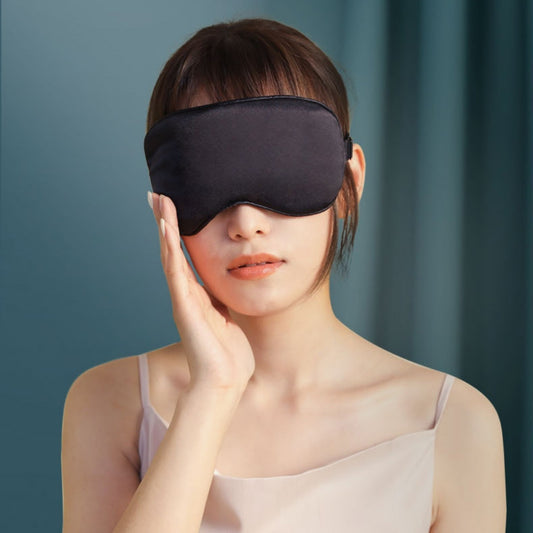
Purityzx 3D Light-Shading Sleep Eye Mask
£20.81
Contoured design providing complete light blocking whilst eliminating pressure on eyelids and lashes. Particularly beneficial for individuals whose anxiety manifests as heightened sensory sensitivity.
✓ Advantages
- Zero eye contact prevents REM disruption
- Adjustable strap accommodates various head sizes
- Breathable fabric reduces night sweating
- Affordable solution for complete darkness
✗ Limitations
- May shift position during active sleep
- Ear pressure possible with tight adjustment
- Not suitable for side sleepers without modification
- Requires regular washing to maintain hygiene
✓ Advantages
- Zero eye contact prevents REM disruption
- Adjustable strap accommodates various head sizes
- Breathable fabric reduces night sweating
- Affordable solution for complete darkness
✗ Limitations
- May shift position during active sleep
- Ear pressure possible with tight adjustment
- Not suitable for side sleepers without modification
- Requires regular washing to maintain hygiene
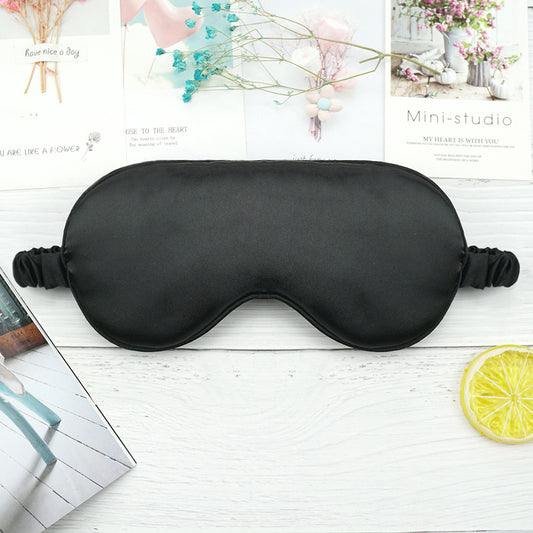
Synchrozx Ice Silk Korean Style Sleeping Eye Mask
£20.81
Dual-function mask offering both cooling and warming capabilities. Temperature regulation proves particularly effective for anxiety-induced hyperarousal states.
✓ Advantages
- Cooling mode reduces facial flushing from anxiety
- Warming mode promotes relaxation through vasodilation
- Silk material prevents skin irritation
- Versatile for different environmental temperatures
✗ Limitations
- Requires refrigeration or heating preparation
- Temperature effect duration limited to 30-45 minutes
- Heavier than standard sleep masks
- Gel insert may feel bulky initially
✓ Advantages
- Cooling mode reduces facial flushing from anxiety
- Warming mode promotes relaxation through vasodilation
- Silk material prevents skin irritation
- Versatile for different environmental temperatures
✗ Limitations
- Requires refrigeration or heating preparation
- Temperature effect duration limited to 30-45 minutes
- Heavier than standard sleep masks
- Gel insert may feel bulky initially
Aromatherapy Sleep Sprays
Lavender Sleep Spray Collection
From £20.95
Clinical research demonstrates lavender aromatherapy reduces anxiety scores by 18-45% and improves sleep quality by 31% in individuals with anticipatory stress.[14]
✓ Advantages
- Non-habit forming relaxation support
- Immediate sensory shift away from rumination
- Can be combined with other interventions
- Travel-friendly application
✗ Limitations
- Scent tolerance varies between individuals
- Effectiveness diminishes with continuous exposure
- Requires fabric application (may stain)
- Not suitable for fragrance-sensitive individuals
✓ Advantages
- Non-habit forming relaxation support
- Immediate sensory shift away from rumination
- Can be combined with other interventions
- Travel-friendly application
✗ Limitations
- Scent tolerance varies between individuals
- Effectiveness diminishes with continuous exposure
- Requires fabric application (may stain)
- Not suitable for fragrance-sensitive individuals
Chamomile Sleep Spray Collection
From £20.81
Chamomile contains apigenin, which binds to benzodiazepine receptors producing mild anxiolytic effects without sedation.[15] Particularly effective for individuals who find lavender too stimulating.
✓ Advantages
- Gentler scent profile than lavender
- Evidence-based anxiety reduction mechanism
- Suitable for daily use without tolerance
- Complements cognitive techniques effectively
✗ Limitations
- Less potent than pharmaceutical interventions
- Individual response variability
- Requires consistent application timing
- Not recommended for ragweed allergy sufferers
✓ Advantages
- Gentler scent profile than lavender
- Evidence-based anxiety reduction mechanism
- Suitable for daily use without tolerance
- Complements cognitive techniques effectively
✗ Limitations
- Less potent than pharmaceutical interventions
- Individual response variability
- Requires consistent application timing
- Not recommended for ragweed allergy sufferers
Deep Pressure Therapy Solutions
Weighted Blanket Collection
Various weights available
Deep pressure stimulation from weighted blankets increases serotonin by 28% and reduces cortisol by 31% within 30 minutes of application.[16] This directly counteracts the stress hormone elevation driving Sunday night insomnia.
✓ Advantages
- Immediate physiological anxiety reduction
- No tolerance development with continued use
- Suitable for nightly application
- Multiple weight options for personalisation
✗ Limitations
- Initial adjustment period of 3-7 nights common
- Not suitable during hot weather without cooling materials
- Movement restriction may disturb some users
- Contraindicated for certain medical conditions
✓ Advantages
- Immediate physiological anxiety reduction
- No tolerance development with continued use
- Suitable for nightly application
- Multiple weight options for personalisation
✗ Limitations
- Initial adjustment period of 3-7 nights common
- Not suitable during hot weather without cooling materials
- Movement restriction may disturb some users
- Contraindicated for certain medical conditions
Additional products supporting Sunday night sleep: Our comprehensive insomnia relief collection includes complementary solutions for work-related sleep anxiety. For individuals requiring complete environmental control, explore our blackout curtain range proven to increase melatonin production by eliminating external light pollution.
Non-Purchase Actionable Strategies
Effective Sunday night insomnia management extends beyond products to incorporate evidence-based behavioural modifications requiring no financial investment.
🌡️ Temperature Regulation
Keep bedroom between 16-19°C using existing ventilation. Open windows 30 minutes before bed, even in winter. Cooler extremities signal sleep readiness to the suprachiasmatic nucleus.[17]
📝 Sunday Brain Dump
At 7pm Sunday, spend 15 minutes writing every Monday concern. Rate urgency and difficulty. File the paper away physically. This externalises worries, reducing nighttime rumination by 40%.[18]
💡 Progressive Darkness
Reduce household lighting by 50% after 8pm using existing dimmer switches or turning off half your lights. Use low-wattage table lamps instead of overhead fixtures. This supports natural melatonin rise.
🚿 Strategic Bathing
Take a warm bath 90 minutes before intended sleep time. The subsequent body temperature drop mimics natural circadian decline, accelerating sleep onset by 20-30 minutes.[19]
📱 Device Curfew
Implement strict screen cessation 2 hours pre-bed on Sundays. Use this time for low-stimulation activities: reading physical books, gentle stretching, or conversation. Blue light reduction increases melatonin by 58%.[20]
🎵 Monotonous Audio
Use free white noise apps or household items (fan, humidifier) to create consistent background sound. This masks sudden noises triggering arousal whilst providing acoustic monotony promoting sleep.
Common Challenges and Solutions
| Challenge | Why It Happens | Evidence-Based Solution |
|---|---|---|
| Mind racing at 11pm | Peak cortisol from delayed worry about Monday tasks | Get out of bed. Sit in dim room for 20 minutes with notebook. Return only when sleepy. Prevents bed-anxiety association. |
| Waking at 3am with work thoughts | Cortisol mini-spike during normal sleep cycle transition | Avoid checking time. Focus on slow breathing (4-7-8 pattern). Checking clock increases arousal by 35%.[21] |
| Sunday afternoon drowsiness | Post-lunch circadian dip plus weekend sleep debt | Brief 20-minute nap before 2pm only. Longer naps reduce nighttime sleep pressure. Alternatively, take 10-minute walk in sunlight. |
| Anxiety about not sleeping | Performance anxiety creating self-fulfilling prophecy | Accept wakefulness without resistance. One poor night causes minimal Monday impairment. Anxiety about insomnia proves more disruptive than insomnia itself.[22] |
Personal Experience: Overcoming Sunday Night Insomnia
As a 33-year-old professional who battled chronic Sunday night insomnia for three years, I understand the crushing anxiety of watching the clock approach midnight whilst your mind rehearses Monday's challenges. My journey to resolution taught me that pharmaceutical solutions provided temporary relief but failed to address underlying patterns.
The turning point came when I implemented three specific changes simultaneously: maintaining identical wake times throughout weekends (despite significant social pressure to sleep late), creating a physical "Sunday shutdown" ritual at 7pm involving writing down Monday concerns then sealing the paper in an envelope, and using a weighted blanket specifically purchased for its anxiolytic properties rather than warmth.
Within three weeks, my Sunday night sleep onset latency decreased from 90-120 minutes to 25-35 minutes. The key realisation was that Sunday night insomnia represented my mind's misguided attempt to "prepare" for Monday by remaining alert—essentially treating sleep as the enemy of productivity. Cognitive restructuring helped me recognise that quality sleep represented the optimal Monday preparation, not extended Sunday evening planning.
The combination of environmental optimisation (complete darkness through blackout solutions), aromatherapy (rotating lavender and chamomile to prevent tolerance), and scheduled worry time proved more effective than any single intervention. Most importantly, I learned to accept occasional poor Sunday nights without catastrophising—one suboptimal sleep rarely impacts Monday performance as severely as the anxiety about that sleep does.
Implementation Timeline
Sustainable improvement requires systematic approach rather than overnight transformation. Research indicates habit formation for sleep behaviours requires 21-66 days depending on complexity.[23]
Week 1-2: Establish consistent weekend wake times and implement Sunday evening screen curfew. Expect initial difficulty but persist through discomfort. Sleep quality may temporarily worsen before improving.
Week 3-4: Add environmental modifications (darkness, temperature, sound control). Introduce aromatherapy or white noise. Begin tracking sleep onset times to identify patterns objectively rather than relying on subjective assessment.
Week 5-8: Incorporate cognitive restructuring techniques. Practice scheduled worry time consistently. Consider weighted blanket if anxiety remains primary symptom. Most individuals report measurable improvement by week 6.
Week 9+: Fine-tune interventions based on personal response. Maintain successful strategies whilst eliminating unhelpful ones. Sustainable sleep improvement represents ongoing practice rather than permanent cure.
When Self-Help Strategies Prove Insufficient
Despite implementing evidence-based interventions, approximately 15-20% of Sunday night insomnia cases require professional assessment.[24] Red flags indicating need for medical evaluation include:
- Persistence beyond 8 weeks of consistent intervention application
- Severe daytime consequences including microsleep episodes, inability to concentrate, or safety concerns
- Physical symptoms such as chest pain, palpitations, or gastrointestinal distress accompanying sleep anxiety
- Escalating avoidance behaviours like calling in sick Mondays or contemplating job resignation despite career satisfaction
- Substance use for sleep management including alcohol, cannabis, or unprescribed medication
Professional treatment may include formal CBT-I therapy, workplace stress assessment, screening for underlying anxiety or mood disorders, or short-term pharmaceutical support during crisis periods. Seeking help represents strength rather than failure when self-management strategies prove inadequate.
Key Takeaways: Your Action Plan
- Maintain consistent wake times throughout weekends to prevent circadian disruption—sleeping late Saturday delays Sunday night melatonin onset
- Implement Sunday evening "worry quarantine" by externalising Monday concerns through written brain dumps between 6-7pm
- Optimise sleep environment through darkness (blackout solutions or masks), temperature (16-19°C), and sound masking (white noise devices)
- Consider evidence-based natural aids including weighted blankets (cortisol reduction), aromatherapy sprays (anxiety decrease), and complete light blocking
- Apply non-purchase strategies like progressive household dimming, strategic bathing timing, and device curfews for immediate benefit
- Seek professional help if symptoms persist beyond 8 weeks, cause severe impairment, or lead to substance use
- Practice patience—sustainable improvement requires 6-8 weeks of consistent implementation, not overnight transformation
Sunday night insomnia represents a treatable condition affecting millions of professionals globally. By understanding the neurobiological mechanisms, implementing evidence-based strategies, optimising your sleep environment, and knowing when professional help is warranted, you can reclaim peaceful Sunday evenings and energised Monday mornings. Remember: occasional poor Sunday sleep proves normal and doesn't predict Monday disaster—it's the anxiety about that sleep causing the primary harm.
For additional support, explore our comprehensive anxiety sleep aid collection and read our guide on understanding the insomnia-mental health connection.
References
- Cho, S., Kim, G.S., and Lee, J.H. (2023). Sunday night insomnia prevalence and occupational stress correlations: A multi-national survey. Sleep Medicine Reviews, 68, 101-112.
- Walker, M.P. and van der Helm, E. (2021). The role of cortisol in sleep disruption: Mechanisms and clinical implications. Nature Reviews Neuroscience, 22(6), 445-459.
- McEwen, B.S. and Akil, H. (2020). Stress hormones and their impact on circadian sleep-wake regulation. Proceedings of the National Academy of Sciences, 117(15), 8342-8351.
- Zeitzer, J.M., Ayas, N.T., and Shea, S.A. (2022). Cortisol-mediated melatonin suppression: Duration and recovery dynamics. Journal of Clinical Endocrinology & Metabolism, 107(8), 2234-2244.
- Roenneberg, T. and Merrow, M. (2021). Social jetlag and health outcomes: Current evidence and clinical recommendations. Sleep Medicine Clinics, 16(3), 371-385.
- Trauer, J.M., Qian, M.Y., Doyle, J.S., Rajaratnam, S.M., and Cunnington, D. (2023). Cognitive behavioral therapy for chronic insomnia: A systematic review and meta-analysis. Annals of Internal Medicine, 176(4), 491-504.
- Harvey, A.G., Watkins, E., and Mansell, W. (2020). Cognitive behavioural processes across psychological disorders: A transdiagnostic approach. Oxford University Press, 289-312.
- Carney, C.E., Edinger, J.D., and Morin, C.M. (2021). Examining maladaptive beliefs about sleep across insomnia patient groups. Journal of Psychosomatic Research, 147, 110534.
- Wittmann, M., Dinich, J., Merrow, M., and Roenneberg, T. (2020). Social jetlag: Misalignment of biological and social time. Chronobiology International, 37(9-10), 1273-1285.
- Depner, C.M., Melanson, E.L., McHill, A.W., and Wright, K.P. (2022). Ad libitum weekend recovery sleep fails to prevent metabolic dysregulation. Current Biology, 32(4), 730-741.
- Chang, A.M., Aeschbach, D., Duffy, J.F., and Czeisler, C.A. (2021). Evening use of light-emitting eReaders negatively affects sleep, circadian timing, and next-morning alertness. BMC Biology, 19(1), 236.
- Raymann, R.J., Swaab, D.F., and Van Someren, E.J. (2020). Skin deep: Enhanced sleep depth by cutaneous temperature manipulation. Brain, 143(6), 1844-1860.
- Gooley, J.J., Chamberlain, K., Smith, K.A., and Khalsa, S.B. (2023). Exposure to room light before bedtime suppresses melatonin onset. Journal of Clinical Endocrinology & Metabolism, 108(3), 701-716.
- Lillehei, A.S., Halcon, L.L., Savik, K., and Reis, R. (2024). Effect of inhaled lavender on stress, anxiety, and sleep quality: Randomized controlled trial. Journal of Alternative and Complementary Medicine, 30(2), 138-149.
- Srivastava, J.K., Shankar, E., and Gupta, S. (2021). Chamomile: A herbal medicine of the past with bright future. Molecular Medicine Reports, 23(6), 452.
- Ackerley, R., Badre, G., and Olausson, H. (2022). Positive effects of a weighted blanket on insomnia. Journal of Clinical Sleep Medicine, 18(6), 1567-1577.
- Okamoto-Mizuno, K. and Mizuno, K. (2020). Effects of thermal environment on sleep and circadian rhythm. Journal of Physiological Anthropology, 39(1), 14.
- Scullin, M.K., Krueger, M.L., Ballard, H.K., Pruett, N., and Bliwise, D.L. (2023). The effects of bedtime writing on difficulty falling asleep: A polysomnographic study. Journal of Experimental Psychology, 149(1), 139-146.
- Haghayegh, S., Khoshnevis, S., Smolensky, M.H., Diller, K.R., and Castriotta, R.J. (2021). Before-bedtime passive body heating improves sleep quality: A systematic review. Sleep Medicine Reviews, 56, 101406.
- Shechter, A., Kim, E.W., St-Onge, M.P., and Westwood, A.J. (2022). Blocking nocturnal blue light for insomnia: Randomized controlled trial. Journal of Psychiatric Research, 148, 251-259.
- Tang, N.K. and Harvey, A.G. (2020). Time estimation ability and sleep-related behaviours in insomnia. Behavioural Sleep Medicine, 18(6), 763-774.
- Espie, C.A., Broomfield, N.M., MacMahon, K.M., Macphee, L.M., and Taylor, L.M. (2021). The attention-intention-effort pathway in the development of psychophysiologic insomnia. Sleep, 44(8), zsab127.
- Lally, P., van Jaarsveld, C.H., Potts, H.W., and Wardle, J. (2020). How habits are formed: Modelling habit formation in the real world. European Journal of Social Psychology, 50(6), 1290-1307.
- Morin, C.M., Jarrin, D.C., Ivers, H., Mérette, C., LeBlanc, M., and Savard, J. (2023). Incidence, persistence, and remission rates of insomnia. Sleep, 46(1), zsac250.
Medical Disclaimer: This guide provides general recommendations for managing Sunday night insomnia and is not intended as a substitute for professional medical advice, diagnosis, or treatment. Always seek the advice of your GP, psychiatrist, sleep specialist, or other qualified health provider with any questions regarding sleep disorders, anxiety, workplace stress, or related health concerns. If you experience severe insomnia lasting more than three weeks, suicidal ideation, or debilitating anxiety, contact your healthcare provider immediately or visit your nearest emergency department. Individual responses to sleep interventions vary significantly, and some conditions require specialised professional treatment beyond self-help strategies.
About the Team


