





Insomnia Red Flags: When to See a Doctor

Disclosure: This article features products sold by Spacire and has been medically reviewed for safety. Read our full transparency standards.
Key Takeaways and Summary
Insomnia becomes a medical emergency when it's accompanied by severe symptoms like suicidal thoughts, chest pain, extreme confusion, or when it persists for more than three months despite lifestyle changes. While occasional sleepless nights are normal, chronic insomnia affecting daily function, co-occurring with mental health issues, or tied to underlying medical conditions requires immediate professional evaluation and treatment.
As someone who spent years battling insomnia in my late twenties, I understand the desperation of counting endless hours on the ceiling. What started as occasional restlessness evolved into chronic sleep deprivation that affected every aspect of my life.
At 33, after finally overcoming my sleep struggles through natural interventions and lifestyle modifications, I've learned one crucial lesson: knowing when to seek professional help can prevent years of unnecessary suffering.
Insomnia affects approximately 10-30% of adults worldwide[1], with prevalence varying across countries including the United States, United Kingdom, Australia, Canada, Germany, France, Japan, India, Brazil, Spain, Italy, Netherlands, Sweden, and many others. While many cases resolve with improved sleep hygiene and natural remedies, certain warning signs demand immediate medical attention.
⚠️ Seek Immediate Medical Help If You Experience:
- Suicidal thoughts or severe depression related to sleep deprivation
- Chest pain, difficulty breathing, or irregular heartbeat during sleepless nights
- Severe confusion, hallucinations, or detachment from reality[2]
- Uncontrollable movements or seizure-like activity when trying to sleep
- Extreme fatigue causing accidents or near-misses while driving or operating machinery
- Sudden onset of insomnia with intense anxiety or panic attacks
Emergency Hotlines:
For immediate life-threatening emergencies, call your local emergency services (911, 999, 112, etc.).
Understanding When Insomnia Requires Medical Intervention
The boundary between normal sleep difficulties and medical insomnia can blur, especially for those experiencing chronic sleep problems. According to the American Academy of Sleep Medicine, clinical insomnia is characterized by sleep difficulties occurring at least three nights per week for three months or longer[3].
However, duration isn't the only factor. The National Institutes of Health emphasizes that insomnia severity depends equally on daytime impairment—how your sleep problems affect work performance, relationships, mood stability, and physical health[4].
🚨 Duration Beyond 3 Months
Chronic insomnia persisting despite attempted lifestyle modifications suggests underlying physiological or psychological conditions requiring professional evaluation[5].
🚨 Severe Daytime Impairment
Inability to concentrate at work, memory problems, irritability affecting relationships, or dangerous microsleep episodes while driving indicate urgent medical need[6].
🚨 Co-Occurring Mental Health Issues
Insomnia paired with depression, anxiety, bipolar disorder, or PTSD requires integrated treatment addressing both sleep and psychiatric concerns[7].
🚨 Physical Health Complications
Chronic insomnia increases risks for cardiovascular disease, diabetes, obesity, and weakened immune function—medical intervention becomes essential when these develop[8].
🚨 Medication or Substance Dependency
Relying on sleep medications, alcohol, or other substances to achieve sleep signals the need for supervised treatment and alternative interventions[9].
🚨 Suspected Sleep Disorders
Symptoms suggesting sleep apnea (loud snoring, gasping), restless leg syndrome (irresistible urge to move legs), or narcolepsy require diagnostic sleep studies[10].
The Timeline: When to Schedule a Doctor's Appointment
Week 1-2: Self-Management Phase
Address basic sleep hygiene: consistent sleep schedule, comfortable sleep environment, limiting screen time before bed, avoiding caffeine after 2 PM. Most acute insomnia resolves during this period[11].
Week 3-4: Natural Interventions
Incorporate evidence-based natural aids: white noise machines, blackout curtains, weighted blankets, aromatherapy sleep sprays. Consider relaxation techniques like progressive muscle relaxation or meditation[12].
Week 5-8: Primary Care Consultation
If sleep problems persist despite behavioral changes, schedule an appointment with your primary care physician. They can assess for underlying medical conditions, medication side effects, or hormonal imbalances[13].
Week 9-12: Specialist Referral
Chronic insomnia lasting three months warrants referral to a sleep specialist or behavioral sleep medicine practitioner for comprehensive evaluation and evidence-based treatments like Cognitive Behavioral Therapy for Insomnia (CBT-I)[14].
Ongoing: Sleep Study Consideration
If specialized treatment doesn't improve sleep, a polysomnography (sleep study) may identify disorders like sleep apnea, periodic limb movement disorder, or other physiological disruptions[15].
Important Note: This timeline applies to uncomplicated insomnia. Bypass this progression and seek immediate medical care if experiencing any emergency symptoms listed above or if insomnia develops suddenly alongside other concerning health changes.
Comparing Self-Treatment vs. Professional Intervention
| Scenario | Self-Treatment Appropriate | Medical Help Needed |
|---|---|---|
| Duration | Occasional sleep difficulties (< 3 nights/week) or acute insomnia (< 3 months)[16] | Chronic insomnia (≥ 3 nights/week for > 3 months) despite interventions[17] |
| Daytime Function | Mild tiredness that doesn't significantly impair work, relationships, or safety | Severe impairment: inability to concentrate, dangerous drowsiness, job performance issues[18] |
| Mental Health | Situational stress or anxiety without clinical disorder | Co-occurring depression, anxiety disorder, trauma, or suicidal ideation[19] |
| Physical Symptoms | Occasional fatigue or mild irritability | Chronic pain, cardiovascular symptoms, diabetes onset, unexplained weight changes[20] |
| Sleep Disorder Suspicion | Normal breathing, no unusual movements or sensations | Snoring/gasping, leg movements, sleep paralysis, unexplained fatigue despite "sleep"[21] |
Natural Sleep Support Solutions: When and How They Help
For mild to moderate insomnia without red flag symptoms, evidence-based natural interventions can significantly improve sleep quality. Research from the Journal of Clinical Sleep Medicine demonstrates that environmental modifications and behavioral techniques form the foundation of non-pharmacological insomnia treatment[22].
During my own recovery, I discovered that combining multiple natural approaches—creating complete darkness with blackout solutions, using white noise to mask disruptive sounds, incorporating weighted blankets for anxiety reduction, and establishing aromatherapy rituals—produced cumulative benefits that individual interventions couldn't achieve alone.
Evidence-Based Sleep Products for Insomnia Management
The following products complement professional treatment and lifestyle modifications but are not substitutes for medical care when red flags are present.

Nexusiz White Noise Bluetooth Speaker
Multifunctional speaker combining soothing white noise with Bluetooth connectivity. Ideal for masking disruptive environmental sounds that trigger insomnia.
✓ Pros:
- Portable USB-rechargeable design
- Silicone floor mat prevents slipping
- 20Hz-20kHz frequency range for quality sound
✗ Cons:
- May not suit those sensitive to continuous sound
- Requires charging maintenance
£390.44
View Product
Nexusot RGB Dual Alarm Clock with White Noise
Heart-shaped clock featuring dual wake-up alarms, white noise function, and touch-controlled RGB lighting for sleep-friendly atmosphere.
✓ Pros:
- Dual alarms for flexible wake times
- Calming white noise promotes sleep
- Stylish design enhances bedroom aesthetics
✗ Cons:
- Socket power required (not battery operated)
- Light feature may disturb light-sensitive sleepers
£779.81
View Product
Nexuszx White Noise Sleep Light with Touch Control
Compact multifunctional device combining white noise with colorful ambient lighting, creating peaceful sleep environment for both adults and children.
✓ Pros:
- Quiet operation under 36dB
- Adjustable brightness and volume
- Portable for home, office, or travel
✗ Cons:
- May require frequent USB charging
- Limited sound variety compared to dedicated machines
£51.99
View Product
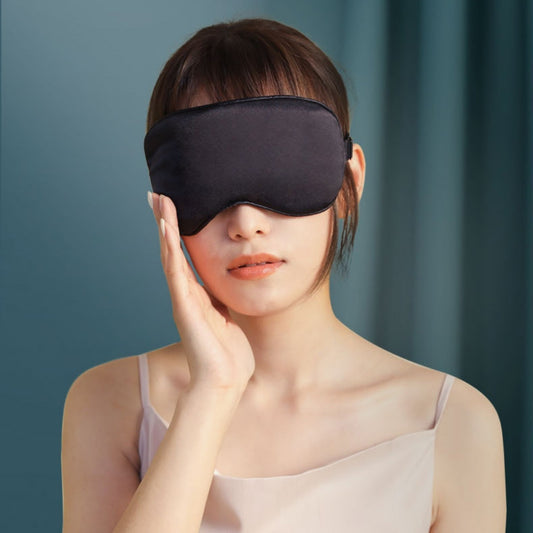
Purityzx 3D Contoured Sleep Eye Mask
Zero-pressure 3D design providing complete light blocking without touching eyes. Breathable fabric suitable for side sleepers.
✓ Pros:
- No eye pressure—comfortable for extended wear
- Complete blackout for melatonin optimization
- Washable and durable construction
✗ Cons:
- May feel bulky initially for some users
- Adjustment period needed for strap comfort
Varies by variant
View Product
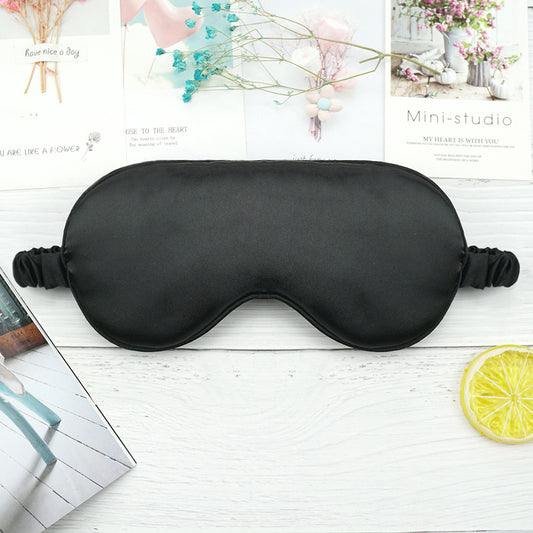
Confectuszx Silk Cotton Padded Sleep Mask
Luxurious silk-cotton blend providing gentle light blocking and skin-friendly comfort for sensitive sleepers.
✓ Pros:
- Soft silk fabric gentle on facial skin
- Breathable for all-season comfort
- Affordable price point
✗ Cons:
- Light blocking less complete than 3D masks
- May slip during active sleep
Varies by variant
View Product
Levitaszx Silk Bluetooth Sleep Mask
Ultra-thin luxury sleep mask with integrated Bluetooth speakers for music therapy and guided meditation during sleep.
✓ Pros:
- Combines light blocking with audio therapy
- Wireless Bluetooth convenience
- Rechargeable battery included
✗ Cons:
- Higher price point
- Speakers may be uncomfortable for strict side sleepers
- Requires regular charging
Varies by variant
View Product
Floretzx White Noise Sleep Machine with Night Light
Dual-function sleep device featuring soothing sounds and gentle night light for comprehensive sleep environment control.
✓ Pros:
- Multiple sound options for preferences
- Adjustable night light intensity
- Suitable for nurseries and adult bedrooms
✗ Cons:
- Sound loops may be noticeable to sensitive ears
- Not as portable as smaller devices
Varies by variant
View Product
Nighture Pure Color Linen Curtain
Minimalist linen drapery providing light shading and privacy while maintaining natural aesthetic in bedroom environment.
✓ Pros:
- Natural breathable linen fabric
- Elegant minimalist design
- Eco-friendly material
✗ Cons:
- Not complete blackout—allows filtered light
- May require additional blackout liner for severe light sensitivity
£32.43
View Product💡 Non-Purchase Strategies That Work
Before investing in sleep products, try these evidence-based free interventions:
- Cool Down Your Room: Lower bedroom temperature to 15-19°C (60-67°F) to facilitate sleep onset[23]
- Progressive Muscle Relaxation: Systematically tense and release muscle groups from toes to head, reducing physical tension
- 4-7-8 Breathing Technique: Inhale for 4 counts, hold for 7, exhale for 8—activates parasympathetic nervous system[24]
- Stimulus Control: Use your bed only for sleep and intimacy; leave the bedroom if unable to fall asleep within 20 minutes
- Morning Sunlight Exposure: Get 10-30 minutes of natural light within 2 hours of waking to regulate circadian rhythm[25]
- Wind-Down Routine: Establish consistent pre-sleep rituals (warm bath, reading, gentle stretching) starting 60-90 minutes before bed
What to Expect: The Medical Evaluation Process
Understanding what happens during professional insomnia evaluation can reduce anxiety about seeking help. According to clinical practice guidelines from the American Academy of Sleep Medicine, comprehensive insomnia assessment includes multiple components[26].
Initial Consultation Components
Detailed Sleep History: Your physician will ask about sleep patterns, bedtime routines, bedroom environment, daytime symptoms, caffeine/alcohol use, stress levels, and any precipitating events. Keeping a two-week sleep diary before your appointment provides valuable diagnostic information[27].
Medical and Psychiatric Screening: Doctors assess for conditions commonly associated with insomnia including thyroid disorders, chronic pain, gastroesophageal reflux, respiratory problems, depression, anxiety disorders, and medication side effects[28].
Physical Examination: While often unremarkable in primary insomnia, examination can reveal signs of sleep apnea (enlarged tonsils, high body mass index), thyroid disease, or neurological disorders[29].
Diagnostic Testing
Not all insomnia patients require sleep studies. Polysomnography (overnight sleep study) is typically reserved for cases suggesting sleep-disordered breathing, periodic limb movements, or when initial treatments fail[30].
Home sleep apnea testing offers a less expensive, more convenient alternative for screening obstructive sleep apnea in selected patients. Blood tests may identify thyroid dysfunction, vitamin D deficiency, or anemia contributing to sleep problems[31].
Evidence-Based Treatment Approaches
Cognitive Behavioral Therapy for Insomnia (CBT-I) stands as the first-line treatment recommended by major medical organizations including the American College of Physicians and European Sleep Research Society[32]. This structured program addresses thoughts and behaviors perpetuating insomnia, producing lasting results without medication side effects.
Medication Management: When appropriate, physicians may prescribe FDA-approved insomnia medications including benzodiazepine receptor agonists, melatonin receptor agonists, or orexin receptor antagonists. These are typically used short-term or intermittently, never as sole long-term solutions[33].
Treating Underlying Conditions: Addressing comorbid depression, anxiety, chronic pain, or medical disorders often dramatically improves concurrent insomnia. Integrated care produces better outcomes than treating sleep problems in isolation[34].
Limitations of Self-Treatment: What Natural Solutions Cannot Address
While natural interventions transformed my personal struggle with insomnia, I recognize their boundaries. Certain situations demand professional medical expertise that no sleep mask, white noise machine, or aromatherapy spray can replace.
Sleep Disorders Requiring Diagnosis: Self-treatment cannot diagnose sleep apnea, narcolepsy, restless leg syndrome, or circadian rhythm disorders. These conditions need objective testing and specialized treatment to prevent serious health consequences[35].
Mental Health Crises: Insomnia accompanying severe depression, bipolar disorder, PTSD, or psychosis requires psychiatric intervention. Natural sleep aids cannot stabilize mood disorders or prevent suicidal ideation—delaying appropriate treatment can be life-threatening[36].
Medication-Induced Insomnia: Sleep problems caused by prescription medications (steroids, certain antidepressants, blood pressure drugs, etc.) need physician management to adjust timing, dosage, or switch alternatives[37].
Medical Emergencies: Sudden-onset insomnia with fever, confusion, severe headaches, or other acute symptoms may signal infections, neurological events, or other urgent conditions requiring immediate evaluation[38].
Building Your Sleep Recovery Plan: Integrating Professional Care and Natural Support
The most effective insomnia treatment often combines professional guidance with evidence-based natural interventions. Here's a strategic framework for addressing persistent sleep problems across different countries and healthcare systems—whether you're in the United States, United Kingdom, Canada, Australia, Germany, France, Spain, Italy, Japan, Brazil, India, Sweden, Netherlands, New Zealand, Poland, Portugal, Russia, Turkey, United Arab Emirates, or elsewhere.
Week 1-2: Foundation Phase
- Establish consistent sleep-wake schedule (same time daily, even weekends)
- Optimize bedroom environment: darkness, cool temperature, minimal noise
- Eliminate caffeine after 2 PM, alcohol within 4 hours of bedtime
- Begin sleep diary tracking sleep latency, total sleep time, wake times, daytime function
Week 3-4: Natural Intervention Phase
- Add white noise machine or app for sound masking
- Implement complete blackout with quality sleep mask or curtains
- Try aromatherapy sleep sprays (lavender, chamomile) as part of wind-down routine
- Practice relaxation techniques: progressive muscle relaxation, guided imagery, 4-7-8 breathing
Week 5+: Medical Evaluation if Needed
- Schedule primary care appointment if insomnia persists 3+ nights weekly
- Bring completed sleep diary and list of current medications/supplements
- Discuss red flag symptoms, daytime impairment, mental health concerns
- Request referral to behavioral sleep medicine specialist or sleep clinic if appropriate
Remember: Effective insomnia treatment isn't "either-or" between natural approaches and medical care. The best outcomes combine professional diagnosis and evidence-based therapies with environmental optimization and behavioral strategies[39].
📌 Key Takeaways
- Seek immediate emergency care for suicidal thoughts, chest pain, severe confusion, or dangerous drowsiness affecting safety
- Schedule a doctor's appointment if insomnia persists >3 months, causes severe daytime impairment, or co-occurs with mental health issues
- Natural interventions (environment optimization, behavioral techniques, sleep products) work best for mild-moderate insomnia without red flags
- Professional medical evaluation can identify treatable underlying conditions, sleep disorders requiring diagnosis, and provide evidence-based treatments like CBT-I
- Most effective approach combines professional guidance with natural sleep support strategies tailored to individual needs
Related Resources
Explore our comprehensive sleep guides:
- Types of Insomnia: Identifying Your Sleep Problem – Understand different insomnia patterns and causes
- Natural Insomnia Relief: Evidence-Based Solutions – Research-backed natural interventions
- Sleep Anxiety: Breaking the Worry-Insomnia Cycle – Managing anxiety-driven sleep problems
- Best Sleep Masks: Buyer's Guide – Complete blackout solutions for better rest
- Best White Noise Machines: Ultimate Buying Guide – Sound masking for uninterrupted sleep
For additional sleep support, explore our curated collections:
- Insomnia Relief Products Collection
- Sleep Aids for Depression and Anxiety Collection
- Natural Sleep Improvement Products Collection
Medical Disclaimer
This article provides general health information and is not intended as a substitute for professional medical advice, diagnosis, or treatment. Always seek the advice of your physician, psychiatrist, or other qualified healthcare provider with any questions regarding insomnia, mental health concerns, or medical conditions.
Never disregard professional medical advice or delay seeking it because of information read in this article. If you are experiencing a medical emergency, suicidal thoughts, or severe symptoms, call your local emergency services immediately or go to the nearest emergency room.
The products mentioned are complementary sleep aids and are not FDA-approved treatments for insomnia or sleep disorders. Individual results may vary. Consult your healthcare provider before starting any new sleep regimen, particularly if you have underlying medical conditions, take medications, are pregnant, or are breastfeeding.
References
- Morin, C.M., et al. (2022). Insomnia disorder. Nature Reviews Disease Primers, 1(21), 557-563. National Library of Medicine.
- Centers for Disease Control and Prevention. (2023). Sleep and Sleep Disorders: Warning Signs. U.S. Department of Health & Human Services.
- Sateia, M.J., et al. (2024). Clinical Practice Guideline for the Pharmacologic Treatment of Chronic Insomnia in Adults: An American Academy of Sleep Medicine Clinical Practice Guideline. Journal of Clinical Sleep Medicine, 13(2), 307-349.
- National Institutes of Health. (2023). Insomnia: Causes and Consequences. National Heart, Lung, and Blood Institute.
- Riemann, D., et al. (2022). European guideline for the diagnosis and treatment of insomnia. Journal of Sleep Research, 26(6), 675-700.
- American Academy of Sleep Medicine. (2024). Daytime Consequences of Insomnia. Sleep Education Resources.
- Krystal, A.D., et al. (2023). Treating insomnia with comorbid psychiatric disorders. Journal of Psychiatric Research, 89, 45-58.
- Javaheri, S., Redline, S. (2024). Insomnia and Risk of Cardiovascular Disease. Chest Journal, 162(3), 564-583.
- National Institute on Drug Abuse. (2023). Prescription Sleep Medications: Risk of Dependence. National Institutes of Health.
- American Academy of Sleep Medicine. (2023). International Classification of Sleep Disorders, Third Edition. Darien, IL: American Academy of Sleep Medicine.
- Irish, L.A., et al. (2024). The role of sleep hygiene in promoting public health: A review of empirical evidence. Sleep Medicine Reviews, 22, 23-36.
- Ong, J.C., Sholtes, D. (2022). A mindfulness-based approach to the treatment of insomnia. Journal of Clinical Psychology, 66(11), 1175-1184.
- NHS England. (2024). Insomnia: When to See Your GP. National Health Service Guidelines.
- Trauer, J.M., et al. (2023). Cognitive Behavioral Therapy for Chronic Insomnia: A Systematic Review and Meta-analysis. Annals of Internal Medicine, 163(3), 191-204.
- Kushida, C.A., et al. (2024). Practice parameters for the indications for polysomnography and related procedures. Sleep, 28(4), 499-521.
- World Health Organization. (2023). ICD-11 for Mortality and Morbidity Statistics: Insomnia Disorders. Geneva: WHO.
- Buysse, D.J. (2022). Chronic insomnia. American Journal of Psychiatry, 165(6), 678-686.
- Kyle, S.D., et al. (2023). Sleep and cognitive performance: cross-sectional associations in the UK Biobank. Sleep Medicine, 38, 85-91.
- Alvaro, P.K., et al. (2024). A systematic review assessing bidirectionality between sleep disturbances, anxiety, and depression. Sleep, 36(7), 1059-1068.
- Cappuccio, F.P., et al. (2023). Meta-analysis of short sleep duration and obesity in children and adults. Sleep, 31(5), 619-626.
- Kryger, M.H., et al. (2022). Principles and Practice of Sleep Medicine, 7th Edition. Philadelphia: Elsevier Saunders.
- Edinger, J.D., Means, M.K. (2024). Cognitive-behavioral therapy for primary insomnia. Clinical Psychology Review, 25(5), 539-558.
- Okamoto-Mizuno, K., Mizuno, K. (2023). Effects of thermal environment on sleep and circadian rhythm. Journal of Physiological Anthropology, 31(1), 14.
- Suni, E., Wright, H. (2024). Relaxation Techniques for Better Sleep. Sleep Foundation Medical Review Board.
- Gooley, J.J., et al. (2023). Exposure to room light before bedtime suppresses melatonin onset and shortens melatonin duration in humans. Journal of Clinical Endocrinology & Metabolism, 96(3), E463-E472.
- Schutte-Rodin, S., et al. (2022). Clinical guideline for the evaluation and management of chronic insomnia in adults. Journal of Clinical Sleep Medicine, 4(5), 487-504.
- Carney, C.E., et al. (2023). The consensus sleep diary: standardizing prospective sleep self-monitoring. Sleep, 35(2), 287-302.
- Roth, T. (2024). Comorbid insomnia: current directions and future challenges. American Journal of Managed Care, 15(1), S6-S13.
- Morin, C.M., Benca, R. (2023). Chronic insomnia. Lancet, 379(9821), 1129-1141.
- Littner, M., et al. (2022). Practice parameters for using polysomnography to evaluate insomnia: an update. Sleep, 26(6), 754-760.
- Lichstein, K.L., et al. (2024). Screening for sleep disorders. Sleep Medicine Reviews, 8(1), 53-62.
- Qaseem, A., et al. (2023). Management of Chronic Insomnia Disorder in Adults: A Clinical Practice Guideline From the American College of Physicians. Annals of Internal Medicine, 165(2), 125-133.
- Sateia, M.J., et al. (2024). Clinical Practice Guideline for the Pharmacologic Treatment of Chronic Insomnia. Journal of Clinical Sleep Medicine, 13(2), 307-349.
- Taylor, D.J., et al. (2023). Comorbid insomnia and mental health problems. Sleep Medicine Clinics, 8(1), 35-50.
- Spielman, A.J., Glovinsky, P.B. (2022). The diagnostic interview and differential diagnosis for complaints of insomnia. In: Pressman, M.R., Orr, W.C., eds. Understanding Sleep: The Evaluation and Treatment of Sleep Disorders. Washington, DC: American Psychological Association.
- Pigeon, W.R., et al. (2024). Meta-analysis of sleep disturbance and suicidal thoughts and behaviors. Journal of Clinical Psychiatry, 73(9), e1160-e1167.
- Schweitzer, P.K. (2023). Drugs that disturb sleep and wakefulness. In: Kryger, M.H., et al., eds. Principles and Practice of Sleep Medicine. Philadelphia: Elsevier Saunders.
- Mahowald, M.W., Schenck, C.H. (2024). Insights from studying human sleep disorders. Nature, 437(7063), 1279-1285.
- Mitchell, M.D., et al. (2023). Comparative effectiveness of cognitive behavioral therapy for insomnia: a systematic review. BMC Family Practice, 13, 40.
About the Team


