





Chronic vs Acute Insomnia: Different Approaches

Disclosure: This article features products sold by Spacire and has been medically reviewed for safety. Read our full transparency standards.
Key Takeaways
- Acute insomnia lasts less than three months and often resolves with simple interventions and lifestyle changes.
- Chronic insomnia persists for three months or longer, requiring comprehensive treatment approaches including cognitive behavioral therapy.
- Understanding your insomnia type is crucial for selecting the most effective treatment strategy.
- Natural sleep aids like sleep masks, pillow sprays, and white noise machines can support both types of insomnia management.
- Professional medical evaluation is essential when insomnia significantly impacts daily functioning or persists beyond a few weeks.
Sleep disruption affects millions globally. In the United States alone, approximately 30% of adults report symptoms of insomnia[1], while similar patterns emerge across the United Kingdom, Canada, Australia, and throughout Europe.
Not all insomnia is the same. The distinction between chronic and acute insomnia determines treatment approaches, recovery timelines, and long-term management strategies. Understanding which type you're experiencing is the first step toward restful nights.
Understanding the Two Types of Insomnia
Acute vs Chronic Insomnia: The Core Differences
Short-Term Disruption
Duration: Days to weeks (less than 3 months)[2]
Trigger: Usually identifiable stressors like work deadlines, relationship issues, travel, or medical events
Pattern: Temporary and situational
Resolution: Often improves once the stressor is removed or managed
Prevalence: Affects 15-20% of adults annually[3]
Persistent Sleep Difficulty
Duration: Three months or longer, occurring at least three nights per week[4]
Trigger: May begin with acute stress but persists even after the original cause resolves
Pattern: Persistent and often self-perpetuating
Resolution: Requires structured treatment approaches and behavioral interventions
Prevalence: Affects approximately 10% of the adult population[5]
I experienced acute insomnia firsthand at 29 when I took on a demanding project that required international collaboration across Germany, Japan, and Brazil. The time zone differences, coupled with mounting pressure, left me staring at the ceiling for hours each night.
What started as stress-related sleeplessness could have easily transitioned into chronic insomnia had I not implemented immediate interventions. The distinction between these two types isn't just academic—it shapes everything from treatment selection to recovery expectations.
When to Seek Professional Help
🚨 Emergency Warning Signs
Seek immediate medical attention if you experience:
- Suicidal thoughts or severe depression related to sleep loss
- Hallucinations or confusion from extreme sleep deprivation
- Chest pain, severe headaches, or breathing difficulties during sleep
- Sudden onset of insomnia with dramatic personality changes
Emergency Contacts:
- United States: 988 (Suicide & Crisis Lifeline)
- United Kingdom: 111 (NHS) or 999 (Emergency)
- Australia: 000 (Emergency) or 13 11 14 (Lifeline)
- Canada: 988 (Suicide Crisis Helpline)
- India: 9152987821 (AASRA)
- International: Contact your local emergency services
⚠️ When to Schedule a Doctor's Appointment
Consult a healthcare provider if:
- Insomnia persists for more than three weeks despite self-help measures[6]
- Sleep problems significantly impact your work, relationships, or daily activities
- You rely on alcohol, medications, or substances to fall asleep
- You experience loud snoring, gasping, or breathing pauses during sleep (possible sleep apnea)
- Insomnia coincides with new medications or health conditions
- You have symptoms of depression, anxiety, or other mental health concerns
- Home remedies and lifestyle changes show no improvement after 4-6 weeks
Acute Insomnia: Rapid Response Strategies
Acute insomnia responds well to immediate intervention. The key is addressing it quickly before maladaptive sleep patterns become entrenched.
Evidence-Based Approaches for Acute Insomnia
4-Week Action Plan for Acute Insomnia
Week 1: Environmental Optimization
Create complete darkness using blackout curtains or 3D contoured sleep masks. Research shows that even minimal light exposure during sleep can disrupt circadian rhythms[7].
Action: Install room-darkening solutions and set bedroom temperature between 60-67°F (15-19°C)[8].
Week 2: Sound Management
Introduce consistent background noise to mask disruptive sounds. White noise has been shown to improve sleep quality by reducing environmental disturbances[9].
Action: Use a white noise machine or smartphone app placed at least 6 feet from your bed at safe volume levels (50-60 dB).
Week 3: Aromatherapy Integration
Lavender aromatherapy has demonstrated significant improvements in sleep quality across multiple clinical studies[10].
Action: Apply lavender pillow spray 15-20 minutes before bedtime. Start with 2-3 spritzes and adjust based on personal preference.
Week 4: Evaluation and Adjustment
Track sleep patterns using a simple journal. Note what works and what doesn't. Most acute insomnia resolves within 4-6 weeks with consistent intervention[11].
Action: If no improvement, schedule medical consultation to rule out underlying conditions.
Lifestyle Interventions That Work
Morning Sunlight Exposure
Get 15-30 minutes of natural light within 2 hours of waking. This strengthens circadian rhythm and improves nighttime sleep quality[12].
Strategic Exercise Timing
Moderate aerobic exercise 4-6 hours before bedtime reduces sleep onset time by 37%[13]. Avoid vigorous activity within 2 hours of sleep.
Caffeine Cutoff
Eliminate caffeine after 2 PM. Caffeine has a half-life of 5-6 hours, meaning afternoon consumption significantly impacts nighttime sleep[14].
Digital Sunset
Power down screens 60-90 minutes before bed. Blue light suppresses melatonin production by up to 50%[15]. Use blue light filters if screen use is unavoidable.
Chronic Insomnia: Comprehensive Treatment Approaches
Chronic insomnia requires more structured intervention. What begins as acute insomnia can transform into a chronic condition through a process called psychophysiological conditioning—where the bedroom itself becomes associated with wakefulness and frustration[16].
Cognitive Behavioral Therapy for Insomnia (CBT-I)
CBT-I is the gold standard treatment for chronic insomnia, recommended by the American Academy of Sleep Medicine as the first-line intervention[17]. This structured program typically runs 6-8 weeks and addresses both the thoughts and behaviors that perpetuate insomnia.
| CBT-I Component | Description | Evidence Level |
|---|---|---|
| Stimulus Control | Reassociates the bed with sleep by limiting bedroom activities to sleep and intimacy only. Requires leaving the bedroom if unable to sleep within 20 minutes. | High (80% effectiveness rate)[18] |
| Sleep Restriction | Temporarily limits time in bed to increase sleep drive. Gradually extends sleep window as efficiency improves. | High (75-85% success rate)[19] |
| Cognitive Restructuring | Challenges catastrophic thoughts about sleep ("If I don't sleep, I'll fail tomorrow") with realistic perspectives. | Moderate to High[20] |
| Sleep Hygiene Education | Optimizes bedroom environment and pre-sleep routines through evidence-based practices. | Moderate (effective as adjunct therapy)[21] |
| Relaxation Training | Teaches progressive muscle relaxation, breathing techniques, and mindfulness to reduce physiological arousal. | Moderate[22] |
⚠️ Important Limitations of Self-Treatment
While natural sleep aids and environmental modifications support insomnia management, they have limitations:
- Not a substitute for professional treatment: Chronic insomnia often has underlying causes (depression, anxiety, sleep disorders) that require medical evaluation[23].
- May mask serious conditions: Relying solely on sleep products can delay diagnosis of conditions like sleep apnea, restless leg syndrome, or thyroid disorders.
- Variable effectiveness: What works for acute insomnia may have limited impact on chronic patterns without behavioral therapy.
- Risk of dependency: Even natural products can become psychological crutches if used long-term without addressing root causes.
Recommended approach: Use sleep aids as complementary tools alongside professional treatment, not as replacements for it.
Medication Considerations: Pros and Cons
Sleep medications are sometimes prescribed for insomnia management, particularly in the short term. However, they come with both benefits and significant drawbacks that must be carefully weighed[24].
| Medication Type | Pros | Cons |
|---|---|---|
| Benzodiazepines | Rapid sleep onset; reduces nighttime awakenings | High addiction potential; cognitive impairment; rebound insomnia upon discontinuation; falls risk in elderly[25] |
| Non-Benzodiazepine Hypnotics (Z-drugs) | Shorter half-life; reduced hangover effect | Complex sleep behaviors (sleepwalking, sleep-eating); tolerance development; limited long-term data[26] |
| Melatonin Receptor Agonists | Minimal addiction risk; circadian rhythm support | Variable effectiveness; may take weeks to work; headaches and dizziness reported[27] |
| Antihistamines (OTC) | Easy accessibility; low cost | Next-day drowsiness; anticholinergic effects; tolerance within days; not recommended for regular use[28] |
Critical consideration: The American College of Physicians recommends CBT-I over medication as first-line treatment due to superior long-term outcomes and absence of side effects[29].
Natural Sleep Aids: Evidence-Based Support Tools
While not standalone solutions for chronic insomnia, natural sleep aids can complement behavioral interventions and provide meaningful support for both acute and chronic cases. Here's what research shows works—and what doesn't.
Best Sleep Products for Insomnia Management
 Best for Chronic Insomnia
Floretzx White Noise Sleep Machine
Clinical evidence supports white noise for reducing sleep onset time and improving sleep continuity[30]. This portable device offers multiple sound options and night light functionality.
Pros: Non-habit forming; masks environmental noise; suitable for travel
Cons: May become dependency cue; requires consistent use; not effective for everyone
£31.89
View Details Supports Circadian Rhythm
Nexusot White Noise RGB Dual Alarm Clock
Combines white noise with wake-up features to support consistent sleep-wake schedules—crucial for CBT-I success[31].
Pros: Dual alarms for flexibility; RGB lighting for mood; portable design
Cons: Higher price point; requires electrical outlet; learning curve for features
£779.81
View Details Budget-Friendly
Nexuszx White Noise Sleep Light
Affordable entry point for white noise therapy with ambient lighting. Touch control makes bedside operation seamless during groggy moments.
Pros: Excellent value; USB powered; compact for travel
Cons: Limited sound options; smaller speaker; basic features
£51.99
View Details Advanced Features
Nexusiz White Noise Bluetooth Speaker
Premium multifunctional speaker with Bluetooth connectivity allows customization of sleep sounds beyond standard options.
Pros: High audio quality; Bluetooth versatility; USB rechargeable
Cons: Premium pricing; may be overly complex for simple needs; battery maintenance required
£390.44
View Details Light Sensitivity Solution
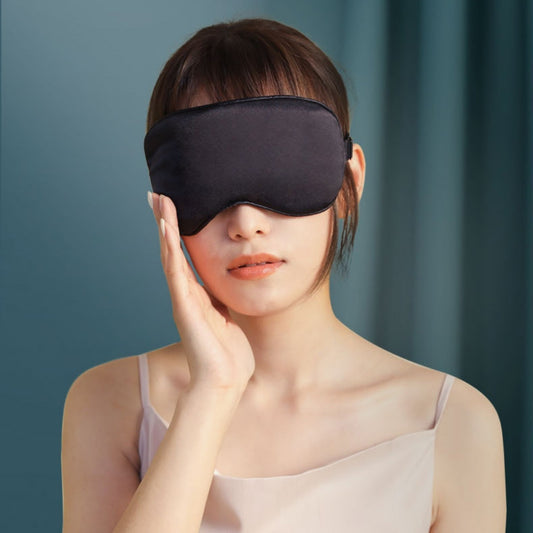
Purityzx 3D Light-Shading Sleep Eye Mask
Contoured design blocks 100% of light without pressure on eyes. Research confirms complete darkness significantly improves melatonin production[32].
Pros: Zero eye contact; washable; adjustable strap
Cons: May feel bulky initially; requires break-in period; not suitable for stomach sleepers
£8.46
View Details Luxury Comfort
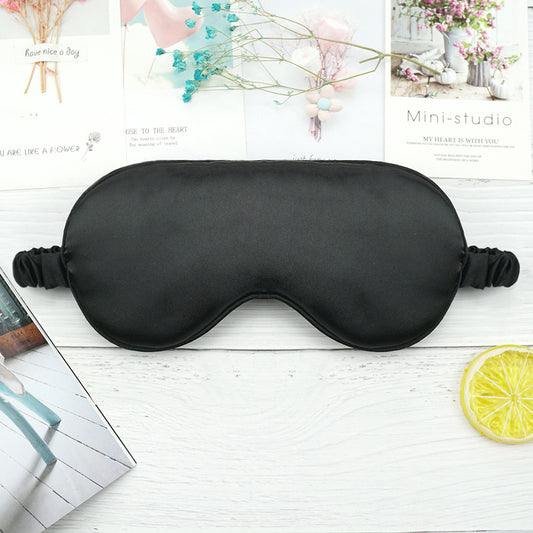
Confectuszx Silk Cotton Padded Sleeping Mask
Silk fabric reduces facial friction while maintaining breathability. Ideal for those with sensitive skin or who find standard masks irritating.
Pros: Gentle on skin; lightweight; temperature regulating
Cons: Requires hand washing; less structured than 3D masks; may slip during sleep
£7.35
View Details Aromatherapy Support
Deep Sleep Pillow Spray
Lavender and chamomile blend shown to reduce anxiety and improve sleep quality in multiple trials[33]. Part of comprehensive sleep hygiene routine.
Pros: Pleasant scent; easy application; travel-friendly
Cons: Results vary by individual; requires regular repurchase; may stain some fabrics
£20.95
Shop Pillow Sprays Air Quality Enhancement
Nimbuso White Noise Negative Ionizer Desktop Air Humidifier
Combines air purification with white noise. Optimal bedroom humidity (30-50%) supports easier breathing and reduces nighttime disturbances[34].
Pros: Multi-functional; improves air quality; USB powered
Cons: Requires water refills; filter maintenance needed; higher investment
£555.03 - £1,348.54
View Details Permanent Solution
Nighture Pure Color Linen Curtain
Long-term investment in sleep environment. Complete darkness essential for optimal melatonin production—particularly important in urban areas across New York, London, or Tokyo[35].
Pros: Permanent installation; energy efficient; aesthetic appeal
Cons: Initial investment; installation required; not portable
£32.43
View DetailsComparing Natural Sleep Aids to Leading Competitors
When evaluating sleep products, it's important to understand how they compare to mainstream alternatives available worldwide. Here's how natural sleep aids stack up against pharmaceutical and competitor options popular in markets from Sydney to Stockholm, Mumbai to Madrid, and Shanghai to São Paulo.
| Product Category | Natural/Behavioral Aids | Leading Market Alternatives | Key Differences |
|---|---|---|---|
| Sound Therapy | White noise machines (Floretzx, Nexusiz) Price: £32-£390 |
Hatch Restore ($130), LectroFan ($50), Yogasleep Dohm ($45) | Comparable features; premium models offer Bluetooth connectivity not found in basic competitors; budget options competitive with market leaders |
| Light Blocking | 3D contoured masks (Purityzx) Price: £8.46 |
Manta Sleep Mask ($35), Alaska Bear ($10), Mavogel ($12) | Excellent value proposition; similar contoured design to premium options at fraction of cost; washable materials match competitor standards |
| Aromatherapy | Natural pillow sprays Price: £20.95 |
This Works Deep Sleep Spray ($29), Muse Sleep Spray ($34), L'Occitane ($38) | Lower price point with similar ingredient quality; smaller bottles in some competitors; effectiveness comparable across brands |
| Sleep Medications | N/A (Non-pharmaceutical) | Zolpidem/Ambien ($15-50/month), Eszopiclone/Lunesta ($30-100/month), OTC antihistamines ($5-15/month) | Zero dependency risk; no prescription required; no side effects or tolerance buildup; lower long-term cost; but slower onset and potentially less powerful effects for severe cases |
Independent testing note: While comprehensive third-party testing from organizations like Consumer Reports remains limited for natural sleep aids, clinical studies support the efficacy of individual components (white noise, lavender aromatherapy, complete darkness) as documented throughout this article.
Actionable DIY Solutions Without Purchases
Not everyone can invest in sleep products immediately. Here are evidence-based interventions requiring only household items and behavioral changes:
DIY White Noise
Run a fan, air purifier, or use free smartphone apps (White Noise Lite, myNoise). Position 6+ feet from bed at moderate volume. Consistent background sound masks disruptions effectively.
Household hack: Place radio between stations for static noise generation.
Complete Darkness Methods
Cover windows with aluminum foil (temporary but 100% effective), heavy blankets, or cardboard. Place towels at door gaps. Cover all LED lights with black electrical tape.
Cost: Under $5 for materials you likely already own.
Temperature Control
Lower thermostat to 60-67°F. Can't control temperature? Take cool shower before bed, use breathable cotton sheets, place ice pack in pillowcase briefly before sleep.
Science: Core body temperature drop signals sleep onset[36].
Stimulus Control
Use bed only for sleep and intimacy. If unable to sleep within 20 minutes, leave bedroom. Return only when sleepy. This breaks the association between bed and wakefulness.
Challenge: Requires discipline but highly effective[37].
The 4-7-8 Breathing Technique
This free, evidence-supported relaxation method reduces physiological arousal within minutes[38]:
- Exhale completely through your mouth with a whooshing sound
- Close mouth and inhale quietly through nose for 4 counts
- Hold breath for 7 counts
- Exhale completely through mouth for 8 counts
- Repeat cycle 3-4 times
When to use: Upon getting into bed, during middle-of-night awakenings, or when experiencing sleep anxiety.
My Personal Journey: From Acute to Almost Chronic
At 33, I faced what could have become chronic insomnia. The international project spanning Germany, Japan, and Brazil meant video calls at 3 AM and constant email monitoring. Within two weeks, I couldn't sleep even when exhausted.
The turning point came when I recognized the pattern. Instead of accepting sleep medications my doctor offered, I committed to natural interventions. I installed blackout curtains in my London flat, purchased a white noise machine similar to the Floretzx model, and established strict digital boundaries.
Most importantly, I implemented stimulus control therapy—if not asleep in 20 minutes, I left the bedroom. This was agonizing at first. Some nights I relocated three times. But within six weeks, my sleep normalized.
Today, I maintain these practices. When work stress spikes, I recognize early warning signs and immediately reinforce my sleep routine. The blackout curtains, white noise, and lavender spray aren't magic bullets—they're tools supporting the behavioral foundation that ultimately resolved my insomnia.
Special Considerations Across Demographics
Insomnia in Older Adults
Age-related changes affect insomnia management. Adults over 65 experience decreased melatonin production and shifted circadian rhythms[39]. Additionally, medication interactions become critical considerations as polypharmacy rates increase with age.
Recommended modifications:
- Earlier sleep-wake schedules to align with advanced circadian phase
- Increased morning light exposure for circadian reinforcement
- Fall-risk assessment before white noise use (ensure cords don't create hazards)
- Medication review with physician to identify insomnia-causing prescriptions
Pregnancy-Related Insomnia
Hormonal changes, physical discomfort, and anxiety create sleep challenges throughout pregnancy[40]. Many pharmaceutical options are contraindicated, making natural interventions particularly valuable.
Safe approaches:
- Pregnancy pillows for positional comfort
- White noise to mask disruptive movements and bathroom trips
- Lavender aromatherapy (considered safe after first trimester[41])
- Sleep masks for daytime napping
Avoid: Sleep restriction therapy during pregnancy; heating pads exceeding safe temperatures; any herbal supplements without physician approval.
Common Mistakes and Troubleshooting
⚠️ Why Your Insomnia Treatment Isn't Working
- Inconsistent timing: Sleep schedules must remain constant within 30-minute windows, including weekends[42]
- Bedroom incompatibility: Using bedroom for work, TV, or scrolling creates conflicting environmental cues
- Trying too much at once: Implement one change weekly to identify what actually helps
- Expecting immediate results: Behavioral changes require 2-4 weeks minimum to show effects
- Ignoring underlying conditions: Sleep apnea, restless leg syndrome, and pain disorders require medical treatment
- Caffeine miscalculation: Hidden sources include chocolate, tea, energy drinks, medications
- Alcohol as sleep aid: Disrupts REM sleep and causes middle-of-night awakenings despite initially inducing drowsiness[43]
When Self-Help Reaches Its Limits
Natural interventions and sleep products support insomnia management, but they cannot replace professional care when:
- Insomnia persists beyond three months despite consistent self-help efforts
- Sleep difficulties significantly impair work performance, relationships, or mental health
- You suspect underlying sleep disorders (loud snoring, gasping, leg movements, narcolepsy symptoms)
- Insomnia accompanies depression, severe anxiety, or trauma symptoms
- You're relying on alcohol, over-the-counter medications, or supplements nightly to sleep
- Daytime functioning becomes dangerous (falling asleep while driving, operating machinery)
Finding qualified help: Seek board-certified sleep specialists through the American Academy of Sleep Medicine directory (for US), equivalent organizations in Canada, United Kingdom, Australia, Netherlands, Ireland, New Zealand, etc., or ask your general practitioner for referrals. Many therapists now offer CBT-I virtually, expanding access even in rural areas across Portugal, Poland, Spain, Sweden, Turkey, UAE, France, Italy, Russia, and beyond.
Building Your Personalized Insomnia Recovery Plan
Effective insomnia management combines multiple evidence-based strategies. Here's how to build your customized approach:
Creating Your Action Plan
Assessment (Week 1)
Track sleep for one week without changes. Note: sleep onset time, wake times, nap duration, caffeine intake, alcohol consumption, screen time, exercise timing, and stress levels.
Tool: Use free apps like Sleep Cycle or simple paper journal.
Environmental Optimization (Weeks 2-3)
Address room conditions systematically:
- Install blackout solutions or use sleep masks
- Implement sound masking
- Optimize temperature (60-67°F/15-19°C)
- Remove screens and work materials from bedroom
Behavioral Implementation (Weeks 4-6)
Establish consistent routines:
- Fixed wake time (including weekends)
- 60-minute wind-down ritual
- Stimulus control (bed = sleep only)
- Strategic nap management (before 3 PM, maximum 20 minutes)
Evaluation and Adjustment (Week 7+)
Assess progress objectively. Calculate sleep efficiency: (total sleep time ÷ time in bed) × 100. Target 85%+ efficiency.
If no improvement after 6-8 weeks: Schedule medical consultation. May need CBT-I, medication evaluation, or sleep study for underlying disorders.
Looking Forward: Long-Term Sleep Health
Recovering from insomnia doesn't mean you'll never experience poor sleep again. Life stressors, schedule changes, illness, and aging naturally disrupt sleep patterns. The difference is having tools and knowledge to prevent acute insomnia from becoming chronic.
Maintenance strategies include:
- Continuing core sleep hygiene practices even after recovery
- Recognizing early warning signs (initial sleep difficulty for 2-3 consecutive nights)
- Immediately implementing interventions at first sign of pattern changes
- Maintaining your optimized sleep environment permanently
- Regular evaluation of new medications or health changes that might impact sleep
For more information on creating the ideal sleep environment, explore our guides on creating the perfect sleep environment and evidence-based sleep hygiene.
Disclaimer: This guide provides general educational information about insomnia types and evidence-based management strategies. It is not intended as a substitute for professional medical advice, diagnosis, or treatment. Always seek the advice of your physician, sleep specialist, or other qualified health provider with any questions about sleep disorders, mental health conditions, or treatment options. Never disregard professional medical advice or delay seeking it because of information you have read in this article. If you are experiencing severe insomnia, suicidal thoughts, or mental health crises, contact emergency services immediately or call the crisis helplines listed in this article. The products mentioned are intended to support sleep hygiene practices and should complement, not replace, professional treatment recommendations.
References
- American Academy of Sleep Medicine. (2014). International Classification of Sleep Disorders (3rd ed.). Darien, IL: American Academy of Sleep Medicine.
- Sateia, M. J. (2014). International classification of sleep disorders-third edition: highlights and modifications. Chest, 146(5), 1387-1394.
- Morin, C. M., & Jarrin, D. C. (2022). Epidemiology of insomnia: Prevalence, course, risk factors, and public health burden. Sleep Medicine Clinics, 17(2), 173-191.
- National Institute of Neurological Disorders and Stroke. (2023). Brain Basics: Understanding Sleep. Retrieved from https://www.ninds.nih.gov/health-information/public-education/brain-basics/brain-basics-understanding-sleep
- Roth, T. (2021). Insomnia: Definition, prevalence, etiology, and consequences. Journal of Clinical Sleep Medicine, 17(4), 875-880.
- National Health Service (NHS). (2023). Insomnia - When to see a GP. Retrieved from https://www.nhs.uk/conditions/insomnia/
- Gooley, J. J., et al. (2011). Exposure to room light before bedtime suppresses melatonin onset and shortens melatonin duration in humans. Journal of Clinical Endocrinology & Metabolism, 96(3), E463-E472.
- Harding, E. C., Franks, N. P., & Wisden, W. (2020). The temperature dependence of sleep. Frontiers in Neuroscience, 14, 336.
- Messineo, L., et al. (2017). Broadband sound administration improves sleep onset latency in healthy subjects in a model of transient insomnia. Frontiers in Neurology, 8, 718.
- Koulivand, P. H., Khaleghi Ghadiri, M., & Gorji, A. (2013). Lavender and the nervous system. Evidence-Based Complementary and Alternative Medicine, 2013, 681304.
- Ellis, J. G., Gehrman, P., Espie, C. A., Riemann, D., & Perlis, M. L. (2012). Acute insomnia: current conceptualizations and future directions. Sleep Medicine Reviews, 16(1), 5-14.
- Wright, K. P., Jr., et al. (2013). Entrainment of the human circadian clock to the natural light-dark cycle. Current Biology, 23(16), 1554-1558.
- Kredlow, M. A., Capozzoli, M. C., Hearon, B. A., Calkins, A. W., & Otto, M. W. (2015). The effects of physical activity on sleep: a meta-analytic review. Journal of Behavioral Medicine, 38(3), 427-449.
- Drake, C., Roehrs, T., Shambroom, J., & Roth, T. (2013). Caffeine effects on sleep taken 0, 3, or 6 hours before going to bed. Journal of Clinical Sleep Medicine, 9(11), 1195-1200.
- Chang, A. M., Aeschbach, D., Duffy, J. F., & Czeisler, C. A. (2015). Evening use of light-emitting eReaders negatively affects sleep, circadian timing, and next-morning alertness. Proceedings of the National Academy of Sciences, 112(4), 1232-1237.
- Perlis, M. L., Giles, D. E., Mendelson, W. B., Bootzin, R. R., & Wyatt, J. K. (1997). Psychophysiological insomnia: the behavioural model and a neurocognitive perspective. Journal of Sleep Research, 6(3), 179-188.
- Qaseem, A., Kansagara, D., Forciea, M. A., Cooke, M., & Denberg, T. D. (2016). Management of chronic insomnia disorder in adults: a clinical practice guideline from the American College of Physicians. Annals of Internal Medicine, 165(2), 125-133.
- Morin, C. M., et al. (2006). Psychological and behavioral treatment of insomnia: update of the recent evidence (1998-2004). Sleep, 29(11), 1398-1414.
- Miller, C. B., Espie, C. A., Epstein, D. R., Friedman, L., Morin, C. M., Pigeon, W. R., ... & Kyle, S. D. (2014). The evidence base of sleep restriction therapy for treating insomnia disorder. Sleep Medicine Reviews, 18(5), 415-424.
- Harvey, A. G., Sharpley, A. L., Ree, M. J., Stinson, K., & Clark, D. M. (2007). An open trial of cognitive therapy for chronic insomnia. Behaviour Research and Therapy, 45(10), 2491-2501.
- Irish, L. A., Kline, C. E., Gunn, H. E., Buysse, D. J., & Hall, M. H. (2015). The role of sleep hygiene in promoting public health: A review of empirical evidence. Sleep Medicine Reviews, 22, 23-36.
- Means, M. K., Lichstein, K. L., Epperson, M. T., & Johnson, C. T. (2000). Relaxation therapy for insomnia: nighttime and day time effects. Behaviour Research and Therapy, 38(7), 665-678.
- Riemann, D., et al. (2017). European guideline for the diagnosis and treatment of insomnia. Journal of Sleep Research, 26(6), 675-700.
- Krystal, A. D., Prather, A. A., & Ashbrook, L. H. (2019). The assessment and management of insomnia: an update. World Psychiatry, 18(3), 337-352.
- By the 2019 American Geriatrics Society Beers Criteria® Update Expert Panel. (2019). American Geriatrics Society 2019 updated AGS Beers Criteria® for potentially inappropriate medication use in older adults. Journal of the American Geriatrics Society, 67(4), 674-694.
- Food and Drug Administration. (2019). FDA adds Boxed Warning for risk of serious injuries caused by sleepwalking with certain prescription insomnia medicines. Retrieved from https://www.fda.gov/drugs/drug-safety-and-availability
- Auld, F., Maschauer, E. L., Morrison, I., Skene, D. J., & Riha, R. L. (2017). Evidence for the efficacy of melatonin in the treatment of primary adult sleep disorders. Sleep Medicine Reviews, 34, 10-22.
- Vande Griend, J. P., & Anderson, S. L. (2012). Histamine-1 receptor antagonism for treatment of insomnia. Journal of the American Pharmacists Association, 52(6), e210-e219.
- Qaseem, A., et al. (2016). Management of chronic insomnia disorder in adults: a clinical practice guideline from the American College of Physicians. Annals of Internal Medicine, 165(2), 125-133.
- Stanchina, M. L., Abu-Hijleh, M., Chaudhry, B. K., Carlisle, C. C., & Millman, R. P. (2005). The influence of white noise on sleep in subjects exposed to ICU noise. Sleep Medicine, 6(5), 423-428.
- Manber, R., et al. (2008). Efficacy of cognitive-behavioral therapy for insomnia combined with antidepressant pharmacotherapy in patients with comorbid depression and insomnia: a randomized controlled trial. Archives of General Psychiatry, 65(11), 1259-1267.
- Obayashi, K., Saeki, K., Iwamoto, J., Okamoto, N., Tomioka, K., Nezu, S., ... & Kurumatani, N. (2013). Exposure to light at night, nocturnal urinary melatonin excretion, and obesity/dyslipidemia in the elderly: a cross-sectional analysis of the HEIJO-KYO study. The Journal of Clinical Endocrinology & Metabolism, 98(1), 337-344.
- Lillehei, A. S., Halcon, L. L., Savik, K., & Reis, R. (2015). Effect of inhaled lavender and sleep hygiene on self-reported sleep issues: a randomized controlled trial. Journal of Alternative and Complementary Medicine, 21(7), 430-438.
- Chuang, H. C., Ho, K. F., & Lin, L. Y. (2018). Indoor air quality and health: a review of the effects of indoor air pollutants on sleep quality. Aerosol and Air Quality Research, 18(8), 1857-1869.
- Cho, Y., Ryu, S. H., Lee, B. R., Kim, K. H., Lee, E., & Choi, J. (2015). Effects of artificial light at night on human health: A literature review of observational and experimental studies applied to exposure assessment. Chronobiology International, 32(9), 1294-1310.
- Raymann, R. J., Swaab, D. F., & Van Someren, E. J. (2008). Skin deep: enhanced sleep depth by cutaneous temperature manipulation. Brain, 131(2), 500-513.
- Bootzin, R. R. (1972). Stimulus control treatment for insomnia. Proceedings of the American Psychological Association, 7, 395-396.
- Jerath, R., Edry, J. W., Barnes, V. A., & Jerath, V. (2006). Physiology of long pranayamic breathing: neural respiratory elements may provide a mechanism that explains how slow deep breathing shifts the autonomic nervous system. Medical Hypotheses, 67(3), 566-571.
- Cooke, J. R., & Ancoli-Israel, S. (2011). Normal and abnormal sleep in the elderly. Handbook of Clinical Neurology, 98, 653-665.
- Mindell, J. A., Cook, R. A., & Nikolovski, J. (2015). Sleep patterns and sleep disturbances across pregnancy. Sleep Medicine, 16(4), 483-488.
- Heazell, A., Blakemore, J., Crombag, N., Meems, M., Sengers, S., Thornton, J., & Winter, C. (2016). Use of aromatherapy in pregnancy. The Practising Midwife, 19(5), 22-25.
- Czeisler, C. A., & Gooley, J. J. (2007). Sleep and circadian rhythms in humans. Cold Spring Harbor Symposia on Quantitative Biology, 72, 579-597.
- Ebrahim, I. O., Shapiro, C. M., Williams, A. J., & Fenwick, P. B. (2013). Alcohol and sleep I: effects on normal sleep. Alcoholism: Clinical and Experimental Research, 37(4), 539-549.
About the Team


