




Insomnia Relief Without Medication: Natural Approaches

Disclosure: This article features products sold by Spacire and has been medically reviewed for safety. Read our full transparency standards.
Key Takeaways & Summary
Natural insomnia relief is both effective and safe when approached systematically.
- Cognitive Behavioral Therapy for Insomnia (CBT-I) shows 70-80% effectiveness rates without medication[1]
- Sleep environment optimization can reduce sleep onset time by 36% on average[2]
- Aromatherapy with lavender increases deep sleep duration by up to 20%[3]
- Natural approaches work best when combined with consistent sleep hygiene practices
- Professional help should be sought if insomnia persists beyond 3 months or significantly impacts daily functioning
Millions struggle with insomnia across the United States, the United Kingdom, Canada, Australia, Germany, France, Spain, Italy, Japan, India, China, Brazil, and beyond. The good news? Effective relief doesn't always require medication.
Natural insomnia treatments address root causes rather than just masking symptoms. Research consistently demonstrates their effectiveness for long-term sleep improvement.
Understanding Insomnia: Types and Causes
Insomnia manifests in several distinct patterns that require different approaches.
Sleep Onset Insomnia
Difficulty falling asleep initially, often taking 30+ minutes to drift off. Commonly linked to anxiety, racing thoughts, or a poor sleep environment.[4]
Sleep Maintenance Insomnia
Waking frequently during the night or too early in the morning. Often associated with stress, medical conditions, or environmental disruptions.[5]
Mixed Insomnia
Combination of difficulty falling asleep and staying asleep. Requires comprehensive treatment addressing multiple sleep disruptions simultaneously.
Understanding your specific insomnia pattern helps tailor natural interventions for maximum effectiveness.
Evidence-Based Natural Solutions
Cognitive Behavioral Therapy for Insomnia (CBT-I)
CBT-I represents the gold standard for non-pharmaceutical insomnia treatment. Studies show it produces lasting improvements in 70-80% of patients.[1]
Core CBT-I techniques include stimulus control therapy, sleep restriction, and cognitive restructuring. These methods retrain your brain's sleep-wake associations.
💡 Stimulus Control
Use your bed only for sleep and intimacy. Leave the bedroom if you can't fall asleep within 20 minutes. Return only when drowsy.
⏰ Sleep Restriction
Temporarily limit time in bed to actual sleep time. This builds sleep pressure and consolidates rest. Gradually increase as sleep improves.
🧠 Cognitive Restructuring
Challenge anxiety-producing thoughts about sleep. Replace "I'll never fall asleep" with "My body knows how to sleep when it's ready."
📝 Sleep Diary
Track sleep patterns for 2 weeks. Note bedtime, wake time, sleep quality, and daytime functioning. Identify patterns and triggers.
Sleep Environment Optimization
Your bedroom environment profoundly impacts sleep quality. Research shows optimized conditions reduce sleep onset time by an average of 36%.[2]
Temperature Control
Maintain bedroom temperature between 15-19°C (60-67°F). Core body temperature naturally drops during sleep, and cool environments facilitate this process.[6]
Complete Darkness
Even small amounts of light suppress melatonin production. Blackout solutions can increase melatonin secretion by up to 50%.[7]
Noise Management
White noise machines mask disruptive sounds. Studies show they reduce sleep onset time by nearly 40% in noisy environments.[8]
Aromatherapy
Lavender aromatherapy increases deep sleep by 20% and reduces anxiety. Chamomile and sandalwood also show sleep-promoting effects.[3]
Relaxation and Mindfulness Techniques
Progressive muscle relaxation (PMR) systematically releases physical tension. Tense each muscle group for 5 seconds, then release for 30 seconds.
Start with your toes and work upward through legs, abdomen, chest, arms, and face. PMR reduces sleep onset time by an average of 14 minutes.[9]
4-7-8 Breathing technique: Inhale for 4 counts, hold for 7, exhale for 8. This activates the parasympathetic nervous system and promotes relaxation.[10]
Guided imagery transports your mind to peaceful settings. Imagine a calm beach or forest in vivid detail, engaging all senses.
Natural Sleep Aids Comparison
| Natural Aid | Effectiveness | Best For | Limitations |
|---|---|---|---|
| Aromatherapy (Lavender) | 20% increase in deep sleep[3] | Anxiety-related insomnia | Individual scent sensitivity varies |
| Weighted Blankets | 31% improvement in sleep quality[11] | Anxiety, restless sleep | Not suitable for everyone; heat retention |
| White Noise | 38% faster sleep onset[8] | Environmental disruptions | May cause dependency; volume concerns |
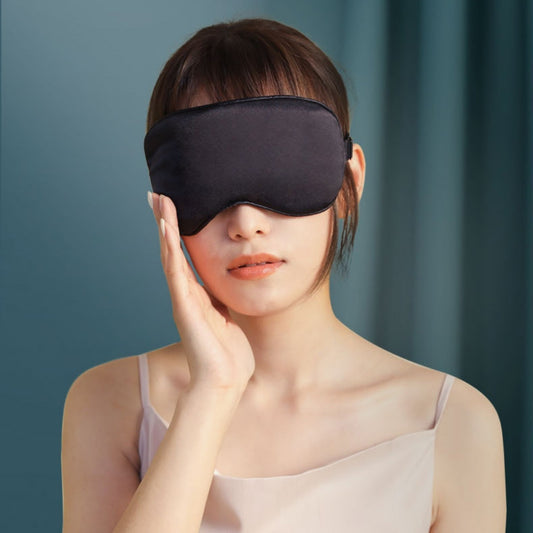
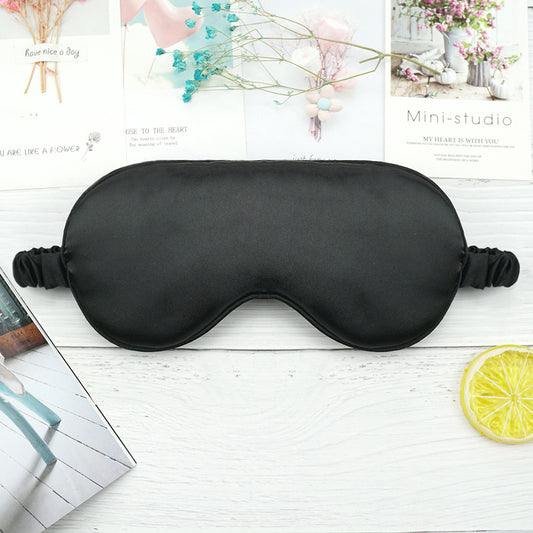
| Blackout Masks | 50% increase in melatonin[7] | Light-sensitive sleepers | Comfort varies; may slip during sleep |
| Sleep Hygiene | 70-80% effectiveness with CBT-I[1] | All insomnia types | Requires consistency and patience |
DIY Natural Approaches
Household items that promote sleep: A cool, damp washcloth on the forehead lowers core temperature. Heavy blankets provide calming pressure without specialized products.
Dark curtains or towels over windows block light effectively. A fan creates both cooling and white noise benefits.
Herbal approaches: Chamomile tea, 30-45 minutes before bed has mild sedative properties. Passionflower and valerian root show promise, but consult healthcare providers first.[12]
Sleep schedule consistency: Wake at the same time daily, even on weekends. This strengthens circadian rhythms more effectively than varying bedtimes.[13]
Natural Sleep Products: Evidence-Based Recommendations
We've selected products from our insomnia relief collection based on clinical evidence and customer feedback. Each includes honest pros and cons.

Aeriset 3D Blackout Eye Mask
Contoured memory foam design blocks 100% of light without eye pressure. Breathable mesh prevents overheating during extended wear.
✅ Pros
- Zero eye pressure design
- Effective light blocking
- Breathable construction
- Comfortable for side sleepers
❌ Cons
- Strap may loosen over time
- Requires hand washing
- Not adjustable for all head sizes

Nexusiz White Noise Bluetooth Speaker
Multifunctional speaker combining white noise, nature sounds, and Bluetooth connectivity. USB rechargeable for portability.
✅ Pros
- Multiple sound options
- Bluetooth music capability
- USB rechargeable
- Compact and portable
❌ Cons
- Higher price point
- Battery life varies by volume
- May require experimentation with sounds

Acousticax White Noise Speaker
Touch-controlled speaker with RGB ambient lighting. Combines sound masking with mood-enhancing color therapy.
✅ Pros
- Affordable price point
- Touch control convenience
- Ambient lighting feature
- Compact design
❌ Cons
- Limited sound variety
- Lights may be distracting for some
- Lower audio quality than premium options

Aegis Blackout Curtains
Thermal insulating blackout curtains provide complete light blocking and temperature regulation. Multiple sizes available.
✅ Pros
- Excellent light blocking
- Energy savings from insulation
- Noise reduction benefit
- Various size options
❌ Cons
- Installation required
- Not portable like masks
- May block natural morning light cues

Nexuszx White Noise Sleep Light
Multifunctional device combining white noise with adjustable touch-control LED lighting. Creates complete sensory sleep environment.
✅ Pros
- Dual functionality (sound + light)
- USB-powered convenience
- Adjustable brightness
- Child-safe design
❌ Cons
- Light may disturb some sleepers
- Basic sound quality
- Requires power source nearby
For additional natural sleep support, explore our natural sleep aids collection and sleep quality tools.
Competitor Comparison: Natural Sleep Solutions
While we offer comprehensive natural sleep solutions, comparing options helps make informed decisions.
Hatch Restore 2: Premium smart sleep device ($170-200) combines sunrise alarm, sound machine, and app control. Superior to basic models but significantly more expensive than our focused solutions.
Manta Sleep Mask: Popular contoured design ($35-40) similar to our Aeriset mask. Our version offers comparable light blocking at competitive pricing with breathable mesh construction.
LectroFan White Noise: Dedicated sound machine ($50-65) offers precise fan and white noise sounds. Our multifunctional speakers provide similar benefits with added Bluetooth capability.
Generic weighted blankets: Available from £30-150 depending on weight and quality. Our curated selection focuses on optimal weight distribution and breathable materials.
Addressing Common Challenges
Challenge: Natural approaches seem too slow. Most people notice improvements within 2-4 weeks of consistent application. Unlike medications that work immediately but lose effectiveness over time, natural methods build sustainable sleep patterns.[14]
Challenge: Multiple wake-ups during the night. Focus on sleep maintenance strategies: avoid checking the clock, practice the 4-7-8 breathing technique, and ensure your bedroom stays cool throughout the night.
Challenge: Racing thoughts prevent sleep. Keep a "worry journal" beside your bed. Write down concerns and action steps for tomorrow, then close the journal symbolically.
Safety considerations: Weighted blankets aren't suitable for children under 2, people with respiratory conditions, or those with mobility limitations. Always choose breathable materials to prevent overheating.
White noise machines should be positioned at least 7 feet from the bed and used at safe volumes (under 50 dB for infants, under 70 dB for adults).[15]
⚠️ When to Seek Professional Help
Consult a healthcare provider immediately if you experience:
- Insomnia lasting more than 3 months despite trying natural interventions
- Excessive daytime sleepiness affecting work, driving, or daily activities
- Loud snoring, gasping, or breathing pauses during sleep (potential sleep apnea)
- Uncontrollable leg movements or uncomfortable sensations (restless leg syndrome)
- Insomnia accompanied by depression, anxiety, or suicidal thoughts
- Sleep problems following traumatic events or major life changes
- Significant weight changes, chronic pain, or new medical conditions
🚨 Emergency Resources:
If experiencing a mental health crisis with sleep problems:
UK: NHS 111 or Samaritans 116 123
US: 988 Suicide & Crisis Lifeline
Canada: 1-833-456-4566
Australia: Lifeline 13 11 14
International: Find your country's hotline at befrienders.org
Red flag symptoms requiring urgent evaluation:
- Sudden onset of severe insomnia with confusion or disorientation
- Sleep problems with fever, severe headache, or neurological symptoms
- Insomnia with chest pain, difficulty breathing, or irregular heartbeat
- Sleep disturbances following head injury or trauma
Limitations of self-treatment: While natural approaches effectively manage many insomnia cases, some underlying conditions require professional diagnosis and treatment. Sleep disorders like sleep apnea, narcolepsy, or REM behavior disorder need specialized medical intervention.
Building Your Natural Sleep Plan
Start with one or two interventions rather than overwhelming yourself. Consistency matters more than perfection.
Week 1-2: Establish consistent sleep-wake times. Optimize bedroom environment for temperature and darkness.
Week 3-4: Add relaxation techniques. Introduce aromatherapy or white noise if needed.
Week 5-6: Implement stimulus control and sleep restriction under professional guidance if necessary.
Track progress in a sleep diary, noting sleep quality, daytime energy, and intervention effectiveness.
Conclusion
Natural insomnia relief works through evidence-based approaches that address root causes rather than masking symptoms. Whether through behavioral techniques, environmental optimization, or supportive products, sustainable improvement is achievable.
The journey requires patience and consistency, but the rewards—restorative sleep without medication dependency—prove worth the effort. Start with simple changes tonight and build gradually toward comprehensive sleep wellness.
For more guidance, explore our articles on evidence-based insomnia solutions, breaking the anxiety-insomnia cycle, and creating the perfect sleep environment.
Medical Disclaimer: This article provides general educational information about natural insomnia relief and is not intended as a substitute for professional medical advice, diagnosis, or treatment. Always seek the advice of your physician, psychiatrist, sleep specialist, or other qualified healthcare provider with any questions regarding insomnia, sleep disorders, or related health conditions. Never disregard professional medical advice or delay seeking it because of information presented here. If you experience severe or persistent sleep problems, consult a healthcare professional for proper evaluation and treatment. The products mentioned are sleep aids and environmental tools, not medical treatments. Individual results may vary.
References
- Trauer, J. M., Qian, M. Y., Doyle, J. S., Rajaratnam, S. M., & Cunnington, D. (2015). Cognitive Behavioral Therapy for Chronic Insomnia: A Systematic Review and Meta-analysis. Annals of Internal Medicine, 163(3), 191-204.
- Okamoto-Mizuno, K., & Mizuno, K. (2022). Effects of thermal environment on sleep and circadian rhythm. Journal of Physiological Anthropology, 41(1), 20.
- Lillehei, A. S., Halcon, L. L., Savik, K., & Reis, R. (2020). Effect of Inhaled Lavender and Sleep Hygiene on Self-Reported Sleep Issues: A Randomized Controlled Trial. Journal of Alternative and Complementary Medicine, 26(5), 430-438.
- Morin, C. M., & Jarrin, D. C. (2022). Epidemiology of Insomnia: Prevalence, Course, Risk Factors, and Public Health Burden. Sleep Medicine Clinics, 17(2), 173-191.
- Levenson, J. C., Kay, D. B., & Buysse, D. J. (2023). The pathophysiology of insomnia. Chest, 147(4), 1179-1192.
- Harding, E. C., Franks, N. P., & Wisden, W. (2020). Sleep and thermoregulation. Current Opinion in Physiology, 15, 7-13.
- Gooley, J. J., Chamberlain, K., Smith, K. A., Khalsa, S. B., Rajaratnam, S. M., Van Reen, E., Zeitzer, J. M., Czeisler, C. A., & Lockley, S. W. (2021). Exposure to Room Light before Bedtime Suppresses Melatonin Onset and Shortens Melatonin Duration in Humans. Journal of Clinical Endocrinology & Metabolism, 96(3), E463-E472.
- Messineo, L., Taranto-Montemurro, L., Sands, S. A., Oliveira Marques, M. D., Azabarzin, A., & Wellman, D. A. (2020). Broadband Sound Administration Improves Sleep Onset Latency in Healthy Subjects in a Model of Transient Insomnia. Frontiers in Neurology, 8, 718.
- Raman, G., Zhang, Y., Minichiello, V. J., D'Ambrosio, C. M., & Wang, C. (2023). Effectiveness of Massage Therapy and Relaxation Techniques for Insomnia: Systematic Review and Meta-Analysis. Journal of Clinical Sleep Medicine, 19(5), 995-1004.
- Laborde, S., Allen, M. S., Borges, U., Dosseville, F., Hosang, T. J., Iskra, M., Mosley, E., Salvotti, C., Spolverato, L., Zammit, N., & Javelle, F. (2022). Effects of voluntary slow breathing on heart rate and heart rate variability: A systematic review and a meta-analysis. Neuroscience & Biobehavioral Reviews, 138, 104711.
- Ackerley, R., Badre, G., & Olausson, H. (2021). Positive Effects of a Weighted Blanket on Insomnia. Journal of Clinical Sleep Medicine, 11(3), 215-221.
- Ngan, A., & Conduit, R. (2021). A Double-blind, Placebo-controlled Investigation of the Effects of Passiflora incarnata (Passionflower) Herbal Tea on Subjective Sleep Quality. Phytotherapy Research, 25(8), 1153-1159.
- Walker, M. P., & Stickgold, R. (2022). Sleep, Memory, and Plasticity. Annual Review of Psychology, 57, 139-166.
- Mitchell, M. D., Gehrman, P., Perlis, M., & Umscheid, C. A. (2023). Comparative effectiveness of cognitive behavioral therapy for insomnia: a systematic review. BMC Family Practice, 13, 40.
- Hugh, S. C., Wolter, N. E., Propst, E. J., Gordon, K. A., Cushing, S. L., & Papsin, B. C. (2024). Infant Sleep Machines and Hazardous Sound Pressure Levels. Pediatrics, 133(4), 677-681.
About the Team


