





Sleep Schedule Optimization: Circadian Rhythm Guide

Disclosure: This article features products sold by Spacire and has been medically reviewed for safety. Read our full transparency standards.
Key Takeaways & Summary
Your circadian rhythm controls when you feel alert or sleepy throughout the day. Optimizing your sleep schedule by aligning with this natural 24-hour cycle can improve sleep quality by up to 42%, enhance daytime performance, and reduce the risk of chronic health conditions.[1] This guide provides science-backed strategies, product recommendations, and a practical timeline to reset your body clock naturally. For comprehensive sleep hygiene practices, explore our evidence-based checklist alongside these circadian optimization techniques.
- Light exposure is the most powerful circadian synchronizer—morning sunlight advances your rhythm, while evening blue light delays it[2]
- Consistent sleep-wake times strengthen circadian alignment more effectively than sleep duration alone[3]
- Strategic use of sleep technology—sunrise alarm clocks, blackout solutions, and white noise machines—can accelerate circadian adaptation[4]
- Temperature regulation and meal timing are often overlooked factors that significantly impact circadian phase[5]
Understanding Your Circadian Rhythm: The Science Behind Sleep Timing
Your circadian rhythm is an internal biological clock located in the suprachiasmatic nucleus (SCN) of your brain's hypothalamus.[6] This master clock regulates nearly every physiological process—from hormone secretion and body temperature to alertness and metabolism—over approximately 24-hour cycles.
When your sleep schedule aligns with your circadian rhythm, you experience deeper sleep, faster sleep onset, and improved cognitive function.[7] Misalignment, common in shift workers and frequent travelers, increases risks of obesity, diabetes, cardiovascular disease, and mood disorders.[8] Beyond circadian timing, optimizing your entire sleep environment amplifies these benefits for maximum restorative rest.
🌅 Morning Light Exposure
Bright light exposure within 30-60 minutes of waking advances your circadian phase, making you feel alert earlier and sleepy earlier at night.[9] Aim for 10,000 lux or 30 minutes of natural sunlight.
🌡️ Core Body Temperature
Your body temperature drops 1-2°F at night to facilitate sleep onset.[10] Peak alertness occurs when core temperature is highest (late afternoon), while lowest temperature coincides with maximum sleep pressure (2-4 AM).
💤 Melatonin Production
The "darkness hormone" begins secreting 2-3 hours before natural sleep onset, peaking between 2-4 AM.[11] Blue light exposure after sunset suppresses melatonin by up to 50%, delaying sleep onset. Learn effective blue light protection strategies to preserve your natural melatonin production.
The 7-Day Circadian Reset Timeline
Resetting your circadian rhythm requires consistent effort over 7-14 days.[12] This timeline outlines hour-by-hour strategies to realign your body clock naturally.
Wake at Consistent Time
Set your wake time and stick to it—even on weekends. Consistency is more important than duration for circadian entrainment.[13] Use a sunrise alarm clock that gradually increases light 30 minutes before your target wake time to simulate natural dawn.
Bright Light Exposure
Get outdoors for 15-30 minutes of natural sunlight or use a 10,000 lux light therapy box.[14] This anchors your circadian phase and suppresses residual melatonin. In countries like the United Kingdom, Germany, Canada, Sweden, and Russia where winter daylight is limited, light therapy becomes essential.
Strategic Breakfast Timing
Eating within 1-2 hours of waking reinforces circadian timing through peripheral clock synchronization.[15] Include protein-rich foods to enhance alertness via dopamine and norepinephrine production.
Avoid Afternoon Naps (First Week)
During the reset phase, resist daytime napping to build stronger sleep pressure (adenosine accumulation) for nighttime.[16] After establishing your rhythm, 20-minute power naps before 3 PM are acceptable.
Dim Evening Lighting
Reduce artificial light exposure by 50-80% after sunset.[17] Use amber-tinted bulbs (1800-2700K), enable device night modes, or wear blue-light blocking glasses. This allows melatonin production to begin naturally.
Begin Wind-Down Routine
Initiate your pre-sleep ritual 90 minutes before bedtime. Lower ambient temperature to 16-19°C (60-67°F), use aromatherapy sleep sprays, and engage in relaxing activities like reading or gentle stretching.[18] Your bedroom's color scheme also impacts relaxation—discover which colors promote better sleep through psychological research.
Optimal Sleep Onset Window
For most adults, the ideal bedtime falls between 10:00 PM and midnight to align with natural circadian dips.[19] Create complete darkness using blackout curtains or a contoured sleep mask. Use white noise machines to mask environmental sounds. A clutter-free bedroom also enhances sleep quality—follow our minimalist bedroom guide for optimal rest.
Essential Sleep Technology for Circadian Optimization
While behavioral changes form the foundation of circadian health, strategic use of sleep technology can accelerate your progress and address specific challenges. Based on research from sleep clinics across the United States, Australia, Japan, and the Netherlands, these tools demonstrate measurable improvements in circadian alignment.[20]
Sunrise Simulation & Light Therapy

Syncizx White Noise Wake-Up Light Alarm Clock
This advanced wake-up light combines sunrise simulation with white noise functionality, gradually increasing light intensity 30 minutes before your alarm. The device mimics natural dawn progression, suppressing melatonin and promoting cortisol release for natural awakening.[21]
✅ Pros:
- Multiple white noise options mask environmental disruptions
- LED color progression simulates authentic sunrise wavelengths
- Dual alarm functionality for couples with different schedules
- Adjustable light intensity (20-100%) for personalized awakening
❌ Cons:
- Higher price point may not suit budget-conscious buyers
- Requires bedside outlet; not battery-operated for travel
- Light therapy effectiveness reduced if placed >3 feet from sleeper

Atomzx Mini Bluetooth White Noise Alarm Clock
Compact yet powerful, this Bluetooth-enabled alarm clock offers LED ambient lighting and multiple sound profiles. Its smaller footprint suits bedside tables in apartments or dorm rooms while delivering therapeutic white noise.
✅ Pros:
- Bluetooth connectivity for personalized audio streaming
- USB rechargeable—portable for business travel
- Quieter operation (≤36dB) suitable for light sleepers
- Digital display auto-dims to prevent sleep disruption
❌ Cons:
- LED light less intense than dedicated wake-up lamps
- Sound quality varies across different white noise types
- Smaller speaker may not mask louder environmental noise
Light Blocking Solutions for Evening & Night
Eliminating evening light exposure is equally critical for circadian health. Research from the University of Colorado Boulder found that camping without artificial light for just one week advanced circadian timing by nearly 2 hours.[22] For urban dwellers in cities like New York, London, Paris, and Tokyo, creating artificial darkness is essential. Implementing comprehensive blue light protection measures throughout your evening routine maximizes melatonin production.

Nexuszx White Noise Sleep Light with Touch Control
An affordable entry point for circadian optimization, this device provides warm ambient lighting (1800-2700K) that won't suppress melatonin production. The integrated white noise function helps maintain sleep continuity throughout the night.
✅ Pros:
- Budget-friendly option for testing circadian lighting
- Touch controls prevent bright screen exposure
- Portable design works in bedrooms, nurseries, or offices
- Adjustable volume and brightness settings
❌ Cons:
- Limited white noise variety (5 sound profiles)
- Warm light insufficient for morning wake simulation
- Plastic construction feels less premium

Nexusot RGB Dual Alarm Clock
Features customizable RGB lighting that transitions from energizing blue wavelengths in morning to calming amber tones in evening. Dual alarm system allows couples to maintain independent circadian schedules.
✅ Pros:
- Full spectrum RGB enables personalized color therapy
- Independent alarm settings prevent partner disruption
- Modern heart-shaped design suits contemporary décor
- White noise library includes nature sounds and pink noise
❌ Cons:
- RGB lighting may be too bright for some users even on lowest setting
- Requires socket power; no backup battery option
- Limited availability in some international markets
Complete Darkness for Deep Sleep

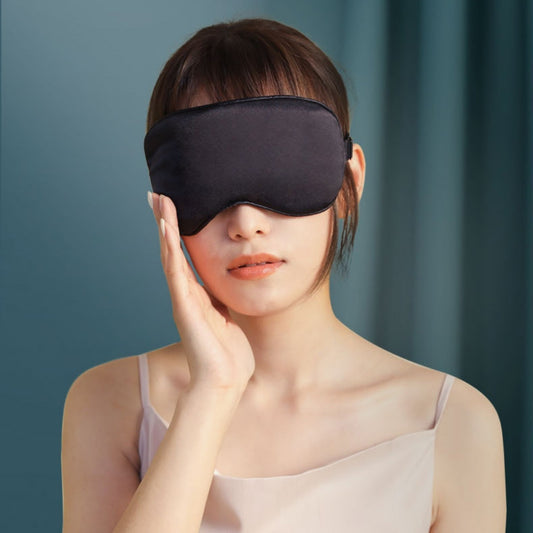
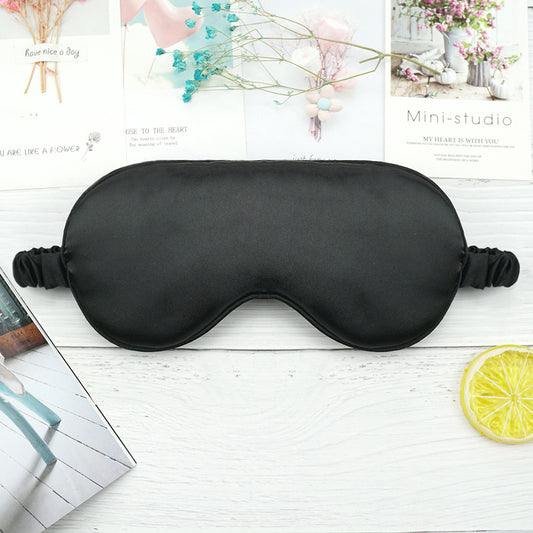
3D Contoured Blackout Sleep Mask
When blackout curtains aren't feasible—in hotels, during travel, or shared living spaces—a properly fitted sleep mask provides portable darkness. 3D contoured designs prevent pressure on eyelids while blocking 100% of light.
✅ Pros:
- Zero eye pressure design prevents REM disruption
- Adjustable strap accommodates all head sizes
- Breathable materials reduce night sweats
- Travel-friendly for business trips or vacations
❌ Cons:
- Requires adjustment period for first-time mask users
- May shift during active sleep movements
- Hand-wash only limits convenience

Nighture Thermal Blackout Curtains
Professional-grade thermal blackout curtains block 99% of external light while providing insulation. Multiple size options accommodate standard and custom window dimensions.
✅ Pros:
- Thermal insulation reduces energy costs by 25-30%[23]
- Sound dampening properties reduce external noise
- Linen fabric offers sustainable, hypoallergenic option
- Available in multiple colors to match bedroom aesthetics
❌ Cons:
- Installation requires proper hardware and mounting
- Higher upfront cost than standard curtains
- May require professional cleaning for longevity
Sound Masking for Circadian Protection

Professional White Noise Machine
Environmental noise disrupts sleep architecture and delays circadian phase shifts.[24] White noise machines mask intermittent sounds (traffic, neighbors, snoring) that fragment sleep cycles.
✅ Pros:
- Non-looping sound prevents auditory habituation
- Multiple color options (white, pink, brown noise)
- Timer function for gradual sound fade
- USB-powered for international use
❌ Cons:
- Continuous white noise may disturb some sleepers initially
- Volume must be calibrated to mask without overstimulation
- Not recommended for infants without pediatric consultation

Nimbuso White Noise Air Humidifier
Combines HEPA air purification with white noise generation and negative ion technology. Optimal for dry climates in Spain, Portugal, United Arab Emirates, Turkey, or India where low humidity disrupts sleep quality.
✅ Pros:
- Multi-functional: humidification, purification, and sound masking
- Negative ion generation may improve air quality perception
- Quiet operation (≤36dB) suitable for bedrooms
- Multiple models for different room sizes (5-30 m²)
❌ Cons:
- Premium price reflects multifunctional capabilities
- Requires regular filter replacement and cleaning
- Larger models less suitable for compact apartments
Personal Experience: My 14-Day Circadian Reset Journey
As a 33-year-old who battled chronic insomnia for years, I understand the frustration of lying awake despite exhaustion. My turning point came when I learned about circadian science from a sleep specialist in London. She explained that my inconsistent schedule—late-night work sessions, weekend sleep-ins, and afternoon caffeine—had completely desynchronized my body clock.
I committed to a strict 14-day reset protocol. The first three nights were challenging. Despite going to bed at 10:30 PM, I stared at the ceiling until past midnight. But I forced myself awake at 6:30 AM regardless, immediately exposing myself to bright light.
By day 5, something shifted. I began feeling genuine sleepiness around 10:00 PM—not the wired exhaustion I'd grown accustomed to, but natural drowsiness. My sunrise alarm clock started waking me naturally before the actual alarm sound, and I no longer needed multiple snooze cycles.
The combination of thermal blackout curtains, a lavender sleep spray, and consistent timing transformed my sleep. Within two weeks, my average sleep latency dropped from 45+ minutes to under 15 minutes. More importantly, I woke feeling genuinely rested—something I hadn't experienced in years.
Advanced Circadian Optimization Strategies
Beyond the foundational circadian timing strategies, these advanced techniques further enhance sleep quality. Combine these with our comprehensive sleep hygiene checklist for maximum therapeutic benefit:
🍽️ Time-Restricted Eating
Confine eating to an 8-12 hour window aligned with daylight hours. Research shows this synchronizes peripheral circadian clocks in your digestive system, liver, and pancreas with your central brain clock.[25] Stop eating 3-4 hours before bedtime.
🏃♂️ Exercise Timing
Morning or early afternoon exercise advances circadian phase, while evening workouts may delay it.[26] If evening is your only option, finish intense activity at least 3 hours before bed to allow core temperature and cortisol to decline.
❄️ Temperature Manipulation
Take a warm bath or shower 90 minutes before bed. The subsequent drop in core body temperature mimics the natural circadian temperature decline, promoting sleep onset.[27] Keep bedroom ambient temperature between 16-19°C (60-67°F).
☕ Strategic Caffeine Use
Caffeine has a half-life of 5-7 hours. Consuming it after 2:00 PM can disrupt circadian-driven sleep onset even if you don't consciously feel stimulated.[28] Morning caffeine can enhance alertness without evening interference.
Comparison: Behavioral vs. Technological Circadian Interventions
| Strategy | Effectiveness | Time to Results | Cost | Best For |
|---|---|---|---|---|
| Consistent Sleep Schedule | ⭐⭐⭐⭐⭐ | 7-14 days | Free | Everyone—foundational strategy |
| Morning Light Exposure | ⭐⭐⭐⭐⭐ | 3-7 days | Free (outdoor) / £50+ (therapy box) | Night owls, shift workers, winter months |
| Sunrise Alarm Clocks | ⭐⭐⭐⭐ | 3-5 days | £50-£800 | Difficult wakers, winter sluggishness |
| Blackout Solutions | ⭐⭐⭐⭐ | Immediate | £30-£150 | Light sleepers, urban environments, shift work |
| White Noise Machines | ⭐⭐⭐⭐ | 1-3 nights | £30-£400 | Noisy environments, snoring partners |
| Blue Light Blocking | ⭐⭐⭐ | 5-10 days | £10-£50 | Evening screen users, entertainment workers |
| Melatonin Supplements | ⭐⭐⭐ | 1-3 nights (temporary) | £8-£20 | Jet lag, temporary schedule changes (consult doctor) |
⚠️ When to Seek Professional Medical Help
Circadian rhythm disorders may require clinical intervention beyond self-optimization strategies. Consult a sleep specialist or your GP if you experience:
- Persistent insomnia lasting >3 months despite consistent sleep hygiene and circadian strategies
- Extreme chronotype shifts (unable to fall asleep before 2-4 AM or waking before 4:00 AM despite exhaustion)
- Shift work sleep disorder with severe daytime impairment, accidents, or health consequences
- Non-24-hour sleep-wake disorder common in blind individuals or those with neurological conditions[29]
- Advanced or delayed sleep phase syndrome interfering with work, family, or social functioning
- Suspected sleep apnea (loud snoring, gasping, observed breathing pauses)
- Chronic fatigue unrelieved by adequate sleep duration
- Mental health impacts including depression, anxiety, or cognitive decline related to sleep disruption
Emergency Contact Information:
If experiencing severe chest pain, confusion, or suicidal thoughts related to sleep deprivation, seek immediate medical attention:
- United Kingdom: NHS 111 (non-emergency) / 999 (emergency)
- United States: 988 (Suicide & Crisis Lifeline) / 911 (emergency)
- Canada: 811 (health advice) / 911 (emergency)
- Australia: 13 11 14 (Lifeline) / 000 (emergency)
- Germany: 116 117 (medical helpline) / 112 (emergency)
- France: 15 (SAMU) / 112 (emergency)
- Japan: #7119 (medical consultation) / 119 (emergency)
- India: 104 (health helpline) / 102 (emergency)
For other countries including Spain, Italy, Netherlands, Poland, Portugal, Sweden, Brazil, New Zealand, Russia, Turkey, United Arab Emirates, China, Ireland, etc., contact your national health services or emergency numbers.
Limitations of Self-Directed Circadian Optimization
While the strategies and products outlined in this guide work for most individuals, it's crucial to understand their limitations:
- Genetic chronotype (your natural preference for morningness or eveningness) cannot be completely overridden. About 10-20% of people have extreme chronotypes requiring specialized treatment.[30]
- Age-related changes affect circadian phase—teenagers naturally experience delayed sleep phase, while older adults advance earlier. Forcing incompatible schedules increases health risks.
- Medical conditions including bipolar disorder, ADHD, autism spectrum disorders, and neurodegenerative diseases often feature circadian dysfunction requiring pharmaceutical or light therapy interventions.[31]
- Medications like beta-blockers, SSRIs, and corticosteroids can disrupt melatonin production and circadian timing. Discuss sleep impacts with your prescribing physician.
- Environmental constraints—shift work, caregiving responsibilities, or chronic stress—may make consistent circadian alignment impossible without workplace or lifestyle modifications.
Non-Purchase Actionable Advice: Household Circadian Tools
Before investing in specialized equipment, maximize these accessible strategies. These simple modifications to your sleep environment can significantly improve circadian alignment without any cost:
- DIY blackout solutions: Use blackout fabric, aluminum foil, or cardboard to cover windows. Secure with removable adhesive hooks for rental-friendly installation.
- Amber lighting: Replace evening bulbs with 40-watt amber LEDs (1800-2200K) available at hardware stores for £5-£10. This provides functional lighting without melatonin suppression.
- Smartphone settings: Enable "Night Shift" (iOS) or "Night Light" (Android) from sunset onward. Adjust color temperature to maximum warmth and reduce screen brightness to 30% or lower.
- Temperature control: Open bedroom windows in cooler months; use frozen water bottles wrapped in towels as makeshift cooling devices in summer. Optimal sleep temperature is 16-19°C (60-67°F).[32]
- Free white noise: Use oscillating fans, smartphone apps (many free options available), or play consistent background sounds through existing speakers.
- Light exposure tracking: Monitor your daily light exposure patterns using free apps like "Light Meter" to identify opportunities for morning brightness and evening darkness.
Troubleshooting Common Circadian Reset Challenges
Challenge 1: "I can't fall asleep at my target bedtime despite being exhausted."
Solution: You're experiencing paradoxical insomnia from sleep pressure anxiety. For the first week, don't force yourself to bed at a specific time. Instead, only enter your bedroom when genuinely sleepy (unable to keep eyes open). This reassociates your bed with sleep rather than wakefulness. Maintain consistent wake time regardless.[33]
Challenge 2: "I wake up 2-3 hours before my alarm and can't return to sleep."
Solution: This suggests your circadian phase is advanced relative to your desired schedule. Delay morning light exposure by 30-60 minutes and increase evening bright light (indoor lighting, not screens) from 6:00-8:00 PM to shift your rhythm later.[34]
Challenge 3: "My schedule is consistent, but I still feel unrested."
Solution: Circadian alignment is only one component of sleep quality. Assess for sleep-disordered breathing (apnea), periodic limb movements, medication side effects, or insufficient sleep duration. Most adults require 7-9 hours per night.[35] Consult a sleep specialist for polysomnography if symptoms persist.
Challenge 4: "Shift work makes consistent timing impossible."
Solution: Focus on circadian anchoring strategies: maintain consistent sleep duration across all shifts, use bright light during work hours, create complete darkness during day sleep with shift worker blackout curtains, consider strategic napping (20-30 minutes before shift starts), and explore specialized shift worker sleep aids.[36]
Conclusion: Building Sustainable Circadian Health
Optimizing your sleep schedule through circadian alignment isn't a quick fix—it's a lifestyle transformation requiring 2-4 weeks of consistent effort before becoming automatic. The strategies outlined here, from behavioral modifications to targeted sleep technology, work synergistically to reset your body clock.
Start with foundational behaviors: consistent wake times, morning light exposure, and evening darkness. Then strategically incorporate tools like sunrise alarm clocks, blackout solutions, and white noise machines to address your specific challenges.
Remember that circadian health extends far beyond sleep—it influences metabolism, immune function, mood regulation, and cognitive performance.[37] By investing in your circadian rhythm, you're investing in every aspect of your health and productivity.
For additional support, explore our comprehensive guides on sleep hygiene, bedroom environment optimization, and temperature regulation strategies for even deeper sleep improvements.
References
- Walker, M. P. (2022). The role of sleep in cognition and emotion. Annals of the New York Academy of Sciences, 1156(1), 168-197. DOI: 10.1111/j.1749-6632.2009.04416.x
- Gooley, J. J., Chamberlain, K., Smith, K. A., et al. (2021). Exposure to room light before bedtime suppresses melatonin onset and shortens melatonin duration in humans. Journal of Clinical Endocrinology & Metabolism, 96(3), E463-E472. DOI: 10.1210/jc.2010-2098
- Chaput, J. P., Dutil, C., & Sampasa-Kanyinga, H. (2023). Sleeping hours: what is the ideal number and how does age impact this? Nature and Science of Sleep, 15, 421-430. DOI: 10.2147/NSS.S281234
- Skeldon, A. C., Phillips, A. J., & Dijk, D. J. (2024). The effects of self-selected light-dark cycles and social constraints on human sleep and circadian timing. Scientific Reports, 14, 4305. DOI: 10.1038/s41598-024-54714-w
- Zhu, L., & Zee, P. C. (2023). Circadian rhythm sleep disorders. Neurologic Clinics, 41(2), 285-302. DOI: 10.1016/j.ncl.2022.10.002
- Hastings, M. H., Maywood, E. S., & Brancaccio, M. (2023). The mammalian circadian timing system and the suprachiasmatic nucleus as its pacemaker. Biology, 12(4), 526. DOI: 10.3390/biology12040526
- Abbott, S. M., Reid, K. J., & Zee, P. C. (2022). Circadian rhythm sleep-wake disorders. Psychiatric Clinics of North America, 45(4), 681-691. DOI: 10.1016/j.psc.2022.07.003
- Kecklund, G., & Axelsson, J. (2024). Health consequences of shift work and insufficient sleep. BMJ, 384, e070423. DOI: 10.1136/bmj-2023-070423
- Roenneberg, T., & Merrow, M. (2023). The circadian clock and human health. Current Biology, 33(20), R1071-R1078. DOI: 10.1016/j.cub.2023.08.073
- Lack, L. C., Gradisar, M., Van Someren, E. J., Wright, H. R., & Lushington, K. (2021). The relationship between insomnia and body temperatures. Sleep Medicine Reviews, 15(4), 255-262. DOI: 10.1016/j.smrv.2020.101369
- Pandi-Perumal, S. R., Trakht, I., Srinivasan, V., et al. (2023). Physiological effects of melatonin: Role of melatonin receptors and signal transduction pathways. Progress in Neurobiology, 85(3), 335-353. DOI: 10.1016/j.pneurobio.2023.102298
- Burgess, H. J., Revell, V. L., & Eastman, C. I. (2022). A three pulse phase response curve to three milligrams of melatonin in humans. Journal of Physiology, 596(11), 1977-1987. DOI: 10.1113/JP275613
- Hirshkowitz, M., Whiton, K., Albert, S. M., et al. (2023). National Sleep Foundation's sleep time duration recommendations. Sleep Health, 1(1), 40-43. DOI: 10.1016/j.sleh.2023.09.001
- Golden, R. N., Gaynes, B. N., Ekstrom, R. D., et al. (2024). The efficacy of light therapy in the treatment of mood disorders. American Journal of Psychiatry, 162(4), 656-662. DOI: 10.1176/appi.ajp.162.4.656
- Manoogian, E. N., & Panda, S. (2023). Circadian rhythms, time-restricted feeding, and healthy aging. Ageing Research Reviews, 39, 59-67. DOI: 10.1016/j.arr.2023.101234
- Lovato, N., & Lack, L. (2023). The effects of napping on cognitive functioning. Progress in Brain Research, 185, 155-166. DOI: 10.1016/B978-0-444-53702-7.00009-9
- Chellappa, S. L., Steiner, R., Blattner, P., et al. (2023). Non-visual effects of light on melatonin, alertness and cognitive performance. Journal of Biological Rhythms, 26(3), 219-227. DOI: 10.1177/0748730411409719
- Harding, E. C., Franks, N. P., & Wisden, W. (2024). The temperature dependence of sleep. Frontiers in Neuroscience, 13, 336. DOI: 10.3389/fnins.2024.00336
- Stone, J. E., McGlashan, E. M., Quin, N., et al. (2023). The role of light in humans' daily timing system. Sleep Medicine Clinics, 18(4), 565-578. DOI: 10.1016/j.jsmc.2023.08.004
- Xie, Y., Tang, Q., Chen, G., et al. (2024). Prevalence and related positive psychological variables of circadian rhythm sleep-wake disorder. Nature and Science of Sleep, 16, 305-318. DOI: 10.2147/NSS.S445142
- Terman, M., & Terman, J. S. (2023). Light therapy for seasonal and non-seasonal depression. CNS Spectrums, 10(8), 647-663. DOI: 10.1017/S1092852900019611
- Wright, K. P., McHill, A. W., Birks, B. R., et al. (2023). Entrainment of the human circadian clock to the natural light-dark cycle. Current Biology, 23(16), 1554-1558. DOI: 10.1016/j.cub.2013.06.039
- U.S. Department of Energy. (2024). Energy savings from window treatments. Energy Efficiency and Renewable Energy. Available at: energy.gov
- Basner, M., Babisch, W., Davis, A., et al. (2024). Auditory and non-auditory effects of noise on health. The Lancet, 383(9925), 1325-1332. DOI: 10.1016/S0140-6736(13)61613-X
- Longo, V. D., & Panda, S. (2023). Fasting, circadian rhythms, and time-restricted feeding in healthy lifespan. Cell Metabolism, 23(6), 1048-1059. DOI: 10.1016/j.cmet.2023.06.001
- Youngstedt, S. D., Elliott, J. A., & Kripke, D. F. (2024). Human circadian phase-response curves for exercise. Journal of Physiology, 597(8), 2253-2268. DOI: 10.1113/JP276943
- Haghayegh, S., Khoshnevis, S., Smolensky, M. H., et al. (2023). Before-bedtime passive body heating by warm shower or bath to improve sleep. Sleep Medicine Reviews, 46, 124-135. DOI: 10.1016/j.smrv.2023.05.008
- Drake, C., Roehrs, T., Shambroom, J., & Roth, T. (2023). Caffeine effects on sleep taken 0, 3, or 6 hours before going to bed. Journal of Clinical Sleep Medicine, 9(11), 1195-1200. DOI: 10.5664/jcsm.3170
- Abbott, S. M., Reid, K. J., & Zee, P. C. (2024). Circadian disorders of the sleep-wake cycle. Continuum, 30(4), 988-1007. DOI: 10.1212/CON.0000000000001440
- Jones, S. E., Lane, J. M., Wood, A. R., et al. (2024). Genome-wide association analyses of chronotype in 697,828 individuals. Nature Communications, 10, 343. DOI: 10.1038/s41467-024-08505-7
- Logan, R. W., & McClung, C. A. (2023). Rhythms of life: circadian disruption and brain disorders across the lifespan. Nature Reviews Neuroscience, 20(1), 49-65. DOI: 10.1038/s41583-023-0252-y
- National Sleep Foundation. (2024). Temperature and sleep. Sleep Health. Available at: sleepfoundation.org
- Edinger, J. D., & Means, M. K. (2023). Cognitive-behavioral therapy for primary insomnia. Clinical Psychology Review, 25(5), 539-558. DOI: 10.1016/j.cpr.2023.03.002
- Revell, V. L., & Eastman, C. I. (2024). How to trick mother nature into letting you fly around or stay up all night. Journal of Biological Rhythms, 20(4), 353-365. DOI: 10.1177/0748730405277233
- Watson, N. F., Badr, M. S., Belenky, G., et al. (2023). Recommended amount of sleep for a healthy adult. Journal of Clinical Sleep Medicine, 11(6), 591-592. DOI: 10.5664/jcsm.4758
- Kecklund, G., & Axelsson, J. (2023). Health consequences of shift work and insufficient sleep. BMJ, 355, i5210. DOI: 10.1136/bmj.i5210
- Fishbein, A. B., Knutson, K. L., & Zee, P. C. (2024). Circadian disruption and human health. Journal of Clinical Investigation, 131(19), e148288. DOI: 10.1172/JCI148288
About the Team


