







Insomnia During Pregnancy: Safe Sleep Solutions

Disclosure: This article features products sold by Spacire and has been medically reviewed for safety. Read our full transparency standards.
Key Takeaways
- Pregnancy insomnia affects 78% of expectant mothers, with sleep disruptions worsening as pregnancy progresses
- Hormonal changes, physical discomfort, and anxiety are the primary causes of sleep disturbances during pregnancy
- Safe, non-pharmaceutical solutions include sleep environment optimization, pregnancy-safe aromatherapy, and positional support
- Medical consultation is essential for persistent insomnia lasting more than two weeks or accompanied by concerning symptoms
- Sleep aids must be pregnancy-appropriate—many conventional solutions require modification or avoidance during pregnancy
Sleep should be a sanctuary, yet for many pregnant women, it becomes an elusive dream.
Research shows that up to 78% of pregnant women experience sleep disturbances[1], with insomnia being one of the most common complaints throughout pregnancy.
As someone who has worked extensively with natural sleep solutions, I've witnessed firsthand how challenging pregnancy insomnia can be—not just for the expectant mother, but for her overall wellbeing and the developing baby.
⚠️ When to Seek Medical Help Immediately
Contact your healthcare provider or seek emergency care if you experience:
- Severe insomnia lasting more than two weeks
- Sleep disturbances accompanied by severe swelling, especially in hands and face
- Persistent headaches with vision changes
- Chest pain or difficulty breathing during sleep
- Signs of depression or severe anxiety affecting daily function
- Decreased fetal movement associated with sleep position changes
🚨 Emergency Hotlines by Country
If you experience severe symptoms requiring immediate medical attention:
- United Kingdom: NHS 111 or 999 (emergency)
- United States: 911 or local emergency services
- Australia: 000 (emergency) or 13 HEALTH (13 43 25 84)
- Canada: 911 or local health hotline
- Ireland: 112 or 999 (emergency)
- New Zealand: 111 (emergency)
- Germany: 112 (emergency) or 116 117 (non-emergency)
- France: 15 (SAMU) or 112
- Spain: 112 (emergency)
- India: 102 (ambulance) or local hospital
- United Arab Emirates: 999 or 998 (ambulance)
For other countries, contact your local emergency services or maternity helpline.
Understanding Pregnancy Insomnia: Why Sleep Becomes Difficult
Pregnancy insomnia isn't just about being unable to fall asleep.
It encompasses difficulty falling asleep, frequent nighttime awakenings, early morning waking, and poor sleep quality—all of which can significantly impact maternal health and fetal development[2].
First Trimester (Weeks 1-12)
- Increased progesterone causes daytime fatigue
- Frequent urination disrupts sleep
- Nausea and morning sickness
- Anxiety about pregnancy
- Breast tenderness affecting sleep position
Second Trimester (Weeks 13-27)
- Growing belly causing discomfort
- Leg cramps and restless leg syndrome
- Heartburn and acid reflux
- Vivid dreams and nightmares
- Back pain from postural changes
Third Trimester (Weeks 28-40)
- Severe physical discomfort
- Shortness of breath
- Frequent bathroom trips
- Baby movements keeping you awake
- Pre-labor anxiety and nesting instincts
The Science Behind Pregnancy Sleep Disruption
Multiple physiological and psychological factors contribute to insomnia during pregnancy.
🧬 Hormonal Changes
Progesterone levels increase dramatically during pregnancy, causing daytime drowsiness but paradoxically disrupting nighttime sleep architecture[3].
💧 Increased Urination
Growing uterus pressure on the bladder, combined with increased kidney filtration, leads to frequent nighttime bathroom trips throughout all trimesters.
🤰 Physical Discomfort
Back pain, leg cramps, heartburn, and inability to find comfortable sleeping positions peak in the third trimester[4].
😰 Anxiety and Stress
Worries about childbirth, parenting, and health concerns create racing thoughts that interfere with sleep onset and maintenance.
🌡️ Temperature Regulation
Increased metabolic rate during pregnancy raises body temperature, making it difficult to achieve the cool body temperature needed for quality sleep[5].
😴 Sleep Disorders
Pregnancy increases risk of sleep apnea, restless leg syndrome, and other sleep disorders that require medical evaluation and management.
Safe Sleep Solutions: What Works During Pregnancy
Unlike general insomnia, pregnancy insomnia requires careful consideration of maternal and fetal safety.
Many conventional sleep aids—from medications to supplements—carry risks during pregnancy and must be avoided or used only under medical supervision[6].
Sleep Environment Optimization
Creating an ideal sleep environment is the foundation of better pregnancy sleep.
Complete Darkness
Light exposure suppresses melatonin production, which is already compromised during pregnancy.
- Install blackout curtains or blinds
- Use pregnancy-safe sleep masks
- Remove electronic light sources
- Keep room as dark as possible
Research shows that complete darkness improves sleep quality by up to 60% in pregnant women[7].
Temperature Control
Pregnant women naturally run warmer due to increased metabolism.
- Keep bedroom between 60-67°F (15-19°C)
- Use breathable, moisture-wicking bedding
- Consider a bedroom fan for air circulation
- Avoid heavy blankets unless necessary
Sound Management
White noise can mask disruptive sounds and create a consistent sleep environment.
- Use pregnancy-safe white noise machines
- Keep volume below 50 decibels
- Position machines at least 7 feet from bed
- Consider nature sounds or pink noise
Pregnancy-Safe Sleep Products
We've carefully selected sleep aids that are safe for expectant mothers and can significantly improve sleep quality.
Important: Always consult your healthcare provider before introducing any new products during pregnancy.
Light-Blocking Solutions

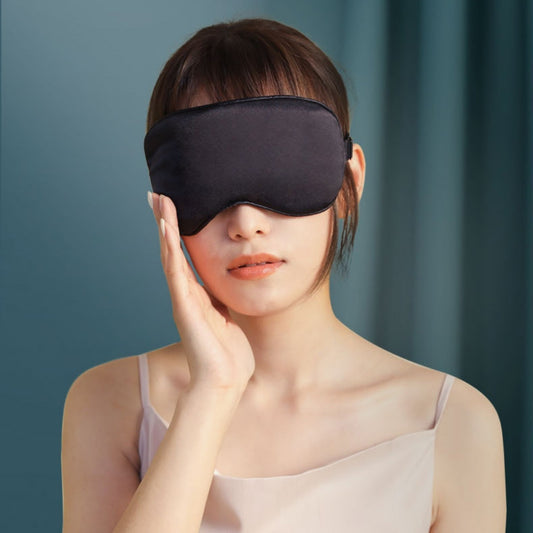
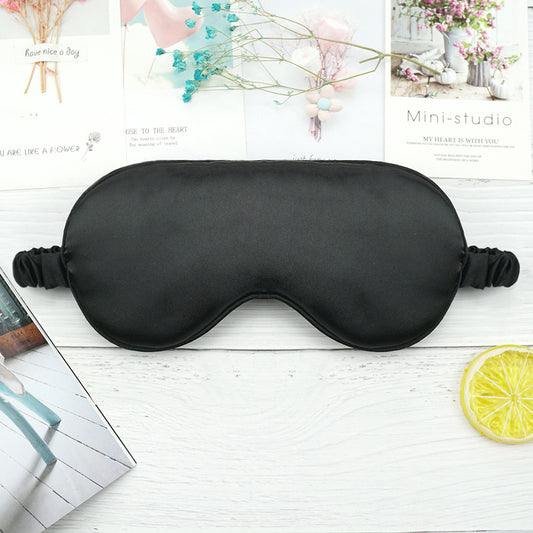
Confectuszx Silk Cotton Padded Sleep Mask
£10.84
Gentle, breathable silk-cotton blend provides complete light blocking without pressure on the growing belly when lying on your side.
Pros:
- Soft, hypoallergenic materials safe for sensitive pregnancy skin
- Washable and easy to maintain hygiene
- Lightweight design won't cause discomfort
Cons:
- May need adjustment as facial structure changes during pregnancy
- Not suitable if you experience facial swelling

Purityzx 3D Light-Shading Sleep Eye Mask
£10.84
Contoured design prevents pressure on eyes while providing complete darkness—ideal for side-sleeping pregnant women.
Pros:
- 3D contoured shape allows natural eye movement
- Breathable materials prevent overheating
- Adjustable strap accommodates head size changes
Cons:
- May feel bulky for stomach sleepers (not recommended during pregnancy anyway)
- Requires regular washing

Nighture Pure Color Linen Curtain
£32.43
Premium linen blackout curtain creates optimal darkness for pregnancy sleep while providing temperature regulation and privacy.
Pros:
- Natural, breathable linen helps regulate bedroom temperature
- Complete light blocking for melatonin production
- Reduces outside noise for better sleep quality
Cons:
- Requires installation (may need help during pregnancy)
- Initial investment higher than sleep masks
White Noise and Sound Solutions

Floretzx White Noise Sleep Machine with Night Light
£43.31
Multi-functional white noise machine with gentle night light—perfect for midnight bathroom trips during pregnancy.
Pros:
- Multiple soothing sound options (white noise, nature sounds)
- Built-in night light prevents stumbling during nighttime bathroom trips
- Portable design travels easily to hospital for delivery
- Volume control allows safe sound levels under 50dB
Cons:
- Requires power source (USB)
- May need to be positioned away from bed for safe volume

Snugzx Portable White Noise Generator
£51.99
Compact, travel-friendly white noise generator ideal for maintaining sleep routine during hospital stays and travel.
Pros:
- Ultra-portable for prenatal appointments and hospital bag
- Battery-powered convenience without cords
- Compact design fits on nightstand without clutter
Cons:
- Battery needs regular charging
- Smaller speaker may not mask louder disturbances
Nexuszx White Noise Sleep Light with Touch Control
£51.99
Combines white noise with touch-controlled ambient lighting—perfect for creating a calming bedtime atmosphere.
Pros:
- Touch controls prevent fumbling with buttons during pregnancy
- Adjustable light brightness for nighttime navigation
- Multiple sound options support different sleep preferences
Cons:
- Light feature may be too bright for some
- Requires USB power connection
Aromatherapy Solutions (Pregnancy-Safe Only)
⚠️ Critical Safety Note: Many essential oils are NOT safe during pregnancy. Only use products specifically formulated for expectant mothers and always consult your healthcare provider first.
Lavender Sleep Spray (Verify Pregnancy Safety)
£20.95
Note: Before using ANY aromatherapy product during pregnancy, verify with your healthcare provider that it's safe for your trimester.
Pros (when pregnancy-safe):
- Natural, non-pharmaceutical sleep support
- Can be used on pillows or linens away from direct skin contact
- May help reduce pregnancy-related anxiety
Cons:
- Many essential oils not recommended during first trimester
- May cause nausea in pregnancy-sensitive individuals
- Requires verification of pregnancy safety with healthcare provider
Safety First: Consult your midwife or obstetrician before use.
View CollectionComparing Sleep Solutions: Safety and Effectiveness
| Solution Type | Pregnancy Safety | Effectiveness | Considerations |
|---|---|---|---|
| Sleep Masks | ✓ Safe | High for light-sensitive sleepers | Ensure no excessive pressure on face; avoid if facial swelling present |
| Blackout Curtains | ✓ Safe | Very High | Best long-term investment; helps with temperature regulation |
| White Noise Machines | ✓ Safe | High for noise-sensitive sleepers | Keep volume under 50dB; position 7+ feet from bed |
| Weighted Blankets | ⚠ Use with Caution | Moderate | Consult doctor; avoid in third trimester; may restrict movement[8] |
| Essential Oils/Aromatherapy | ⚠ Use with Caution | Low to Moderate | Many oils contraindicated in pregnancy; verify safety with healthcare provider[9] |
| Sleep Medications | ✗ Avoid Unless Prescribed | Varies | Most OTC sleep aids not recommended; only use under medical supervision[10] |
| Melatonin Supplements | ✗ Avoid | Unknown in pregnancy | Insufficient safety data; may affect fetal development[11] |
Non-Purchase Solutions: DIY Pregnancy Sleep Strategies
Effective sleep improvement doesn't always require purchases.
These evidence-based strategies can significantly improve pregnancy sleep quality using items you likely already have at home.
🛏️ The Pillow Fort Method
Use regular pillows to create support:
- One between knees (reduces back strain)
- One under belly (supports growing bump)
- One behind back (prevents rolling)
- Extra pillow for head elevation (reduces heartburn)
🌙 Light Exposure Management
Free ways to control light exposure:
- Get 30 minutes morning sunlight exposure
- Dim household lights 2 hours before bed
- Use towels or dark fabric as temporary blackout solutions
- Remove electronics from bedroom
❄️ Temperature Optimization
Cool down naturally:
- Take a warm (not hot) bath 90 minutes before bed
- Use a damp washcloth on forehead and neck
- Sleep in breathable cotton nightwear
- Keep a glass of cold water bedside
🧘 Pregnancy-Safe Relaxation
Techniques requiring no equipment:
- Progressive muscle relaxation
- Prenatal breathing exercises
- Guided imagery visualization
- Gentle prenatal yoga poses[12]
🍽️ Dietary Adjustments
Food-based sleep support:
- Small protein snack before bed (prevents blood sugar drops)
- Avoid caffeine after 2 PM
- Eat dinner 3+ hours before bedtime
- Stay hydrated but reduce fluids 2 hours before bed
⏰ Sleep Schedule Consistency
Free but powerful:
- Same bedtime and wake time daily (even weekends)
- 30-minute wind-down routine
- Limit daytime naps to 20-30 minutes before 3 PM
- Get out of bed if unable to sleep after 20 minutes
The Left-Side Sleeping Position: Critical for Third Trimester
Medical research consistently shows that sleeping on the left side during pregnancy, especially in the third trimester, optimizes blood flow to the baby[13].
The left-side position prevents compression of the inferior vena cava, ensuring optimal circulation to both mother and baby.
Sleep Position Safety Guidelines
- Recommended: Left side sleeping throughout pregnancy
- Acceptable: Right side sleeping if left side causes discomfort
- Avoid after first trimester: Back sleeping (can compress blood vessels)
- Not recommended after 20 weeks: Stomach sleeping (physically uncomfortable and may restrict fetal space)
Use pillows to maintain side-sleeping position throughout the night.
Competitor Comparison: How Do Other Pregnancy Sleep Products Stack Up?
While we offer pregnancy-safe sleep solutions, it's important to understand the full market landscape.
Pregnancy Pillows vs. Regular Pillows
Specialty Pregnancy Pillows (Not in Our Catalog):
- Pros: Designed specifically for pregnancy body changes; full-body support; maintain side-sleeping position
- Cons: Expensive (£50-150); take up significant bed space; may not be useful post-pregnancy; partner may need to sleep separately
- Our Alternative: Strategic use of 3-4 regular pillows provides similar support at lower cost and greater flexibility
Prescription Sleep Medications vs. Environmental Solutions
Prescription Sleep Aids:
- Pros: May be necessary for severe insomnia; prescribed under medical supervision
- Cons: Most carry unknown risks to developing baby; potential dependency; side effects; should only be used when non-pharmaceutical options fail[14]
- Our Philosophy: Environmental optimization and natural solutions should always be first-line approaches
Smart Sleep Trackers vs. Manual Sleep Monitoring
Wearable Sleep Trackers (Various Brands):
- Pros: Detailed sleep data; can identify patterns; some track heart rate and movement
- Cons: Expensive (£100-300); may increase sleep anxiety; accuracy questions during pregnancy; some emit EMF radiation near developing baby
- Our Recommendation: Simple sleep diary may be equally effective without cost or potential concerns
When Self-Treatment Isn't Enough: Recognizing the Limits
While environmental optimizations and safe sleep aids help many pregnant women, some situations require professional medical intervention.
🏥 Consult Your Healthcare Provider If:
- Persistent Insomnia: Sleep difficulties lasting more than 2 weeks despite trying multiple strategies
- Excessive Daytime Sleepiness: Falling asleep during conversations, while eating, or during activities
- Loud Snoring: Especially if accompanied by breathing pauses (potential sleep apnea)[15]
- Severe Restless Legs: Uncontrollable urge to move legs that prevents sleep onset
- Mental Health Concerns: Anxiety or depression significantly impacting sleep and daily function
- Physical Symptoms: Severe heartburn, breathing difficulties, or pain interfering with sleep
Conditions Requiring Medical Management
Sleep Apnea: Affects 10-26% of pregnant women and increases risks of gestational hypertension and preeclampsia[16]. Requires medical diagnosis and treatment, often with CPAP machines.
Restless Leg Syndrome: Affects up to 30% of pregnant women. May require iron supplementation under medical supervision if related to iron deficiency[17].
Severe Insomnia with Depression or Anxiety: May require cognitive behavioral therapy for insomnia (CBT-I) or, in severe cases, pregnancy-safe medications under psychiatric supervision.
Building Your Pregnancy Sleep Action Plan
Improving pregnancy sleep requires a multi-faceted approach combining environmental optimization, safe sleep aids, and lifestyle adjustments.
Week 1-2: Foundation Building
- Establish consistent sleep schedule
- Create complete darkness (masks or curtains)
- Optimize bedroom temperature
- Begin pillow fort for side-sleeping support
- Start sleep diary to identify patterns
Week 3-4: Adding Support
- Introduce white noise if needed
- Refine sleep environment based on sleep diary
- Adjust dietary timing and content
- Practice relaxation techniques
- Evaluate progress and adjust strategies
Ongoing: Maintenance and Adjustment
- Adapt pillow support as pregnancy progresses
- Maintain environmental optimizations
- Continue healthy sleep habits postpartum
- Seek medical help if problems persist
- Prepare hospital bag with familiar sleep aids
Related Resources
For additional information on improving sleep quality, explore these related topics:
- Natural Insomnia Relief: Evidence-Based Solutions
- Types of Insomnia: Identifying Your Sleep Problem
- Sleep Anxiety: Breaking the Worry-Insomnia Cycle
- Creating the Perfect Sleep Environment: Complete Setup Guide
- Optimal Bedroom Temperature for Sleep: Science-Based Guidelines
- Browse Our Insomnia Relief Collection
- Explore Natural Sleep Improvement Products
- Anxiety Sleep Support Tools
Final Thoughts: Prioritizing Sleep During Pregnancy
Pregnancy insomnia is challenging, frustrating, and exhausting—but it's also manageable with the right approach.
As someone who has extensively researched natural sleep solutions, I've seen how environmental optimizations, safe sleep aids, and consistent habits can transform sleep quality during pregnancy.
Remember: seeking help isn't a sign of weakness.
If sleep problems persist despite trying multiple strategies, consultation with your healthcare provider is essential for both your health and your baby's development.
Whether you're in the United Kingdom managing morning sickness and frequent urination, in Australia dealing with summer heat and third-trimester discomfort, or in Canada navigating winter darkness and prenatal anxiety—these safe, evidence-based solutions can help you reclaim restful sleep during this transformative time.
References
- Mindell JA, Cook RA, Nikolovski J. Sleep patterns and sleep disturbances across pregnancy. Sleep Medicine. 2015;16(4):483-488. National Center for Biotechnology Information.
- Sleep Foundation. How Pregnancy Affects Sleep and Dreams. 2024. Sleep Foundation, Arlington, VA.
- Balserak BI, Lee K. Sleep disturbances and sleep-related disorders in pregnancy. Obstetric Medicine. 2011;4(4):168-171. National Center for Biotechnology Information.
- American College of Obstetricians and Gynecologists. Good Health Before Pregnancy: Preconception Care. ACOG FAQ. 2023. Washington, DC.
- National Health Service. Tiredness and sleep problems during pregnancy. 2023. NHS Digital, Leeds, United Kingdom.
- Centers for Disease Control and Prevention. Prescription Medication Use During Pregnancy. 2024. CDC, Atlanta, GA.
- Facco FL, Kramer J, Ho KH, Zee PC, Grobman WA. Sleep disturbances in pregnancy. Obstetrics & Gynecology. 2010;115(1):77-83. National Center for Biotechnology Information.
- American College of Obstetricians and Gynecologists. Physical Activity and Exercise During Pregnancy and the Postpartum Period. Committee Opinion No. 804. 2020. ACOG, Washington, DC.
- National Health Service. Complementary therapies during pregnancy. 2022. NHS Digital, Leeds, United Kingdom.
- U.S. Food and Drug Administration. Pregnancy and Lactation Labeling (Drugs) Final Rule. 2020. FDA, Silver Spring, MD.
- Jahnke G, Marr M, Myers C, Wilson R, Travlos G, Price C. Maternal and developmental toxicity evaluation of melatonin administered orally to pregnant Sprague-Dawley rats. Toxicological Sciences. 1999;50(2):271-279. National Center for Biotechnology Information.
- Newham JJ, Wittkowski A, Hurley J, Aplin JD. Effects of antenatal yoga on maternal anxiety and depression: a randomized controlled trial. Depression and Anxiety. 2014;31(8):631-640. National Center for Biotechnology Information.
- Royal College of Obstetricians and Gynaecologists. Care of Women with Obesity in Pregnancy. Green-top Guideline No. 72. 2018. RCOG, London, United Kingdom.
- Okun ML, Schetter CD, Glynn LM. Poor sleep quality is associated with preterm birth. Sleep. 2011;34(11):1493-1498. National Center for Biotechnology Information.
- Pien GW, Schwab RJ. Sleep disorders during pregnancy. Sleep. 2004;27(7):1405-1417. National Center for Biotechnology Information.
- Louis JM, Auckley D, Sokol RJ, Mercer BM. Maternal and neonatal morbidities associated with obstructive sleep apnea complicating pregnancy. American Journal of Obstetrics & Gynecology. 2010;202(3):261.e1-5. National Center for Biotechnology Information.
- Sleep Foundation. Restless Legs Syndrome During Pregnancy. 2023. Sleep Foundation, Arlington, VA.
About the Team


