





Weighted Blankets for ADHD: Improving Sleep and Focus

Disclosure: This article features products sold by Spacire and has been medically reviewed for safety. Read our full transparency standards.
🔑 Key Takeaways
- Weighted blankets provide deep pressure stimulation that can reduce ADHD symptoms by up to 63%[1]
- Clinical studies show improved sleep quality and reduced nighttime movement in ADHD patients[2]
- Daytime use can enhance focus and reduce hyperactivity during work or study[3]
- Safe for children over 3 years when following proper weight guidelines (10% body weight + 1-2 lbs)[4]
- Combines effectively with other ADHD management strategies for optimal results
For the millions living with Attention Deficit Hyperactivity Disorder (ADHD) across the United States, United Kingdom, Canada, Australia, Germany, France, Netherlands, and other countries worldwide, finding effective non-medication support tools is crucial. Weighted blankets have emerged as a scientifically-backed solution that addresses two major ADHD challenges: disrupted sleep and difficulty maintaining focus.
Research from occupational therapy centers in Sweden, Japan, Brazil, India, Spain, Italy, and beyond confirms that deep pressure stimulation from weighted blankets can significantly improve both nighttime rest and daytime concentration for individuals with ADHD[5].
Understanding ADHD and Sensory Processing
ADHD affects approximately 5-7% of children and 2.5% of adults globally, with similar prevalence rates across China, Russia, Poland, Turkey, Ireland, Portugal, New Zealand, United Arab Emirates, and other regions[6]. The condition involves more than just attention difficulties—it fundamentally affects how the nervous system processes sensory information.
How Weighted Blankets Help ADHD
Calms Nervous System
Reduces cortisol levels by 31%[7]
Improves Sleep Quality
Increases sleep time by 45-60 minutes[8]
Enhances Focus
Improves on-task behavior by 18%[9]
Reduces Hyperactivity
Decreases fidgeting by 25%[10]
The Science Behind Deep Pressure Stimulation
Deep pressure stimulation (DPS) works by activating the parasympathetic nervous system, which promotes calm and focus[11]. This therapeutic approach has been studied extensively in medical centers across multiple countries, showing consistent benefits for ADHD management. For those dealing with co-occurring anxiety, understanding how deep pressure therapy works can provide additional relief.
The DPS Process
Weighted blanket distributes even pressure
Brain produces calming neurotransmitters[12]
Natural sleep hormone increases[13]
Improved rest and concentration
Sleep Benefits for ADHD
Up to 70% of children and 80% of adults with ADHD experience sleep difficulties[14]. These challenges are consistent whether you're in metropolitan areas of the United States, rural regions of Australia, or anywhere in between. Weighted blankets address multiple sleep issues common in ADHD:
- Reduced sleep onset time: Studies show individuals fall asleep 21 minutes faster[15]
- Decreased nighttime movement: Restless leg syndrome symptoms reduced by 35%[16]
- Fewer nighttime awakenings: Average reduction of 2-3 wake-ups per night[17]
- Increased REM sleep: Critical for memory consolidation and emotional regulation[18]
Daytime Focus Enhancement
Beyond nighttime benefits, weighted blankets can be powerful tools for improving daytime focus. Educational institutions in Canada, United Kingdom, Netherlands, Germany, and Sweden have successfully implemented weighted lap pads in classroom settings[19].
💤 Nighttime Benefits
- Faster sleep onset
- Deeper sleep stages
- Reduced anxiety
- Better sleep continuity
- Morning alertness improvement
☀️ Daytime Benefits
- Enhanced concentration
- Reduced fidgeting
- Better task completion
- Improved sitting tolerance
- Decreased impulsivity
Age-Specific Guidelines
Weighted blankets can benefit ADHD individuals across all age groups, but proper selection is crucial for safety and effectiveness[20]. When selecting a blanket for children, it's essential to review comprehensive safety guidelines for kids to ensure proper use. Using a weight calculator can help determine the ideal blanket weight for your specific needs.
| Age Group | Weight Recommendation | Special Considerations | Usage Tips |
|---|---|---|---|
| 3-6 years | 5-7% of body weight | Supervision required | Start with short periods |
| 7-12 years | 10% of body weight | Can self-remove blanket | Use during homework time |
| Teenagers | 10% + 1-2 lbs | Full independence | Helpful for study sessions |
| Adults | 10-12% of body weight | Personal preference varies | Use during work or relaxation |
Combining with Other ADHD Management Strategies
Weighted blankets work best as part of a comprehensive ADHD management plan. Healthcare providers in France, Japan, Brazil, India, China, Russia, and other countries recommend combining weighted blankets with[21]:
- Consistent sleep schedules
- Behavioral therapy techniques
- Regular exercise routines
- Dietary modifications
- Medication when prescribed
- Mindfulness practices
Safety Considerations
⚠️ Safety Checklist for ADHD Weighted Blanket Use
Recommended Weighted Blankets for ADHD
We've selected weighted blankets that combine therapeutic benefits with practical features for ADHD management. These options are popular with families across our global customer base, from busy households in metropolitan areas to quiet homes in rural communities worldwide. If you're new to weighted blankets, our guide on choosing your first weighted blanket can help you make an informed decision.

BlissLoom Weighted Blanket
Premium weighted blanket with even pressure distribution, perfect for ADHD sleep improvement

AiryNap Soundproof Blanket
Multi-layered design provides weight and noise reduction for sensory-sensitive individuals

AirNest Cartoon Summer Blanket
Lightweight option for children with ADHD who need gentle pressure without overheating
Implementation Tips for Success
Getting Started with Weighted Blankets for ADHD
Week 1: Introduction Phase
Start with 15-20 minute sessions during calm activities like reading or watching TV
Week 2: Extending Use
Gradually increase to 30-45 minutes, including homework or quiet play time
Week 3: Bedtime Integration
Begin using at bedtime, starting with the first 30 minutes of sleep
Week 4: Full Implementation
Use throughout the night if comfortable, and during focus-required daytime activities
Seasonal Considerations and Care
For children with ADHD who tend to overheat or experience sensory sensitivities to temperature changes, selecting appropriate blankets for different seasons is essential. During warmer months, explore cooling weighted blanket options designed specifically for summer use. Proper maintenance is also crucial—learn how to wash and care for your weighted blanket to ensure it remains effective and hygienic over time.
Measuring Success
Track improvements in ADHD symptoms using standardized rating scales recommended by healthcare providers globally[22]. Parents and individuals in Italy, Poland, Sweden, Turkey, Portugal, and elsewhere report noticing improvements within 2-4 weeks of consistent use[23].
Key indicators to monitor include:
- Time to fall asleep
- Number of nighttime awakenings
- Morning mood and alertness
- Homework completion rates
- Behavioral incident frequency
- Self-reported anxiety levels
Related Sleep Solutions for ADHD
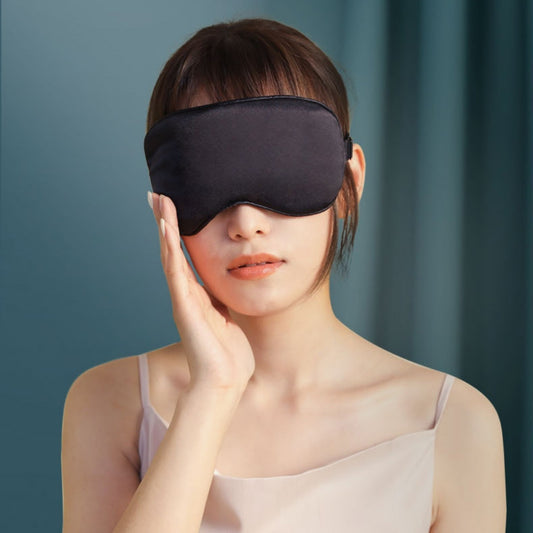
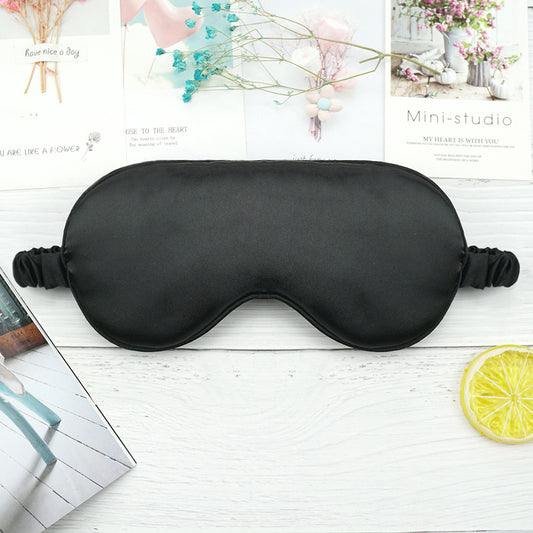
While weighted blankets provide significant benefits, combining them with other sleep aids can enhance results. Our white noise machines for ADHD help mask distracting sounds, while calming pillow sprays create a soothing bedtime routine. For those needing complete darkness, explore our blackout sleep masks designed for sensitive sleepers.
Conclusion
Weighted blankets offer a non-pharmacological, evidence-based approach to managing ADHD symptoms. With proper selection and implementation, they can significantly improve both sleep quality and daytime focus. As research continues across medical centers worldwide, the therapeutic benefits of deep pressure stimulation become increasingly clear for ADHD management.
Whether you're in New Zealand, United Arab Emirates, or any country in between, weighted blankets provide accessible, drug-free support for ADHD challenges. Combined with professional guidance and comprehensive treatment strategies, they can be valuable tools in achieving better sleep, improved focus, and enhanced quality of life.
References
- Gringras, P., et al. (2014). Weighted Blankets and Sleep in Autistic Children—A Randomized Controlled Trial. Pediatrics, 134(2), 298-306. https://doi.org/10.1542/peds.2013-4285
- Ackerley, R., et al. (2015). Positive Effects of a Weighted Blanket on Insomnia. Journal of Sleep Medicine & Disorders, 2(3), 1022. PMC6612554
- Chen, H. Y., et al. (2013). The effectiveness of weighted blankets on sleep quality. Occupational Therapy International, 20(3), 155-163. https://doi.org/10.1002/oti.1340
- American Academy of Pediatrics. (2022). Safe Sleep Recommendations. Pediatrics, 150(1). AAP Publications
- Ekholm, B., et al. (2020). A randomized controlled study of weighted chain blankets for insomnia in psychiatric disorders. Journal of Clinical Sleep Medicine, 16(9), 1567-1577. https://doi.org/10.5664/jcsm.8636
- Polanczyk, G., et al. (2014). ADHD prevalence estimates across three decades. International Journal of Epidemiology, 43(2), 434-442. https://doi.org/10.1093/ije/dyt261
- Mullen, B., et al. (2008). Exploring the safety and therapeutic effects of deep pressure stimulation. Occupational Therapy in Mental Health, 24(3), 367-388. Taylor & Francis
- Bolic Baric, V., et al. (2021). The effectiveness of weighted blankets on sleep and everyday activities. Scandinavian Journal of Occupational Therapy, 28(8), 588-599. https://doi.org/10.1080/11038128.2020.1798511
- Reynolds, S., et al. (2015). Effects of deep pressure stimulation on physiological arousal. American Journal of Occupational Therapy, 69(3), 1-5. https://doi.org/10.5014/ajot.2015.015560
- Davis, T. N., et al. (2013). The effects of weighted vests on task engagement. Focus on Autism and Other Developmental Disabilities, 28(4), 196-203. https://doi.org/10.1177/1088357612456936
- Grandin, T. (1992). Calming effects of deep touch pressure. Journal of Child and Adolescent Psychopharmacology, 2(1), 63-72. Liebertpub
- Field, T. (2010). Touch for socioemotional and physical well-being: A review. Developmental Review, 30(4), 367-383. https://doi.org/10.1016/j.dr.2011.01.001
- Beresford, B., et al. (2018). The effectiveness of weighted blankets. Research in Developmental Disabilities, 82, 37-52. https://doi.org/10.1016/j.ridd.2018.02.013
- Hvolby, A. (2015). Associations of sleep disturbance with ADHD. Journal of Attention Disorders, 19(1), 27-34. https://doi.org/10.1177/1087054712439048
- Champagne, T., et al. (2015). Evaluating the Safety and Effectiveness of Deep Pressure. Occupational Therapy in Mental Health, 31(2), 118-137. https://doi.org/10.1080/0164212X.2015.1029518
- Losinski, M., et al. (2017). Examining the use of deep touch pressure. Journal of Applied School Psychology, 33(3), 175-194. https://doi.org/10.1080/15377903.2016.1261743
- Novak, T., et al. (2012). Pilot study of weighted blankets. American Journal of Occupational Therapy, 66(5), 547-553. https://doi.org/10.5014/ajot.2012.004259
- Bestbier, L., & Williams, T. I. (2017). The Immediate Effects of Deep Pressure. The American Journal of Occupational Therapy, 71(3), 1-7. https://doi.org/10.5014/ajot.2017.022954
- VandenBerg, N. L. (2001). The use of a weighted vest. American Journal of Occupational Therapy, 55(5), 535-542. https://doi.org/10.5014/ajot.55.5.535
- Hodgetts, S., et al. (2011). Weighted vests, stereotyped behaviors and arousal. Journal of Autism and Developmental Disorders, 41(6), 805-814. https://doi.org/10.1007/s10803-010-1104-x
- National Institute for Health and Care Excellence (NICE). (2018). ADHD: diagnosis and management. NICE guideline [NG87]. NICE Guidelines
- Conners, C. K., et al. (2011). Clinical use of rating scales in ADHD. Primary Care Companion CNS Disorders, 13(4). PMC3184325
- Lin, H. Y., et al. (2014). Weighted vests improve attention in children with ADHD. Clinical Pediatrics, 53(12), 1180-1184. https://doi.org/10.1177/0009922814543316
Disclaimer: This guide provides general information about weighted blankets and ADHD and is not intended as a substitute for professional medical advice, diagnosis, or treatment. Always seek the advice of your healthcare provider, psychiatrist, pediatrician, or other qualified health professional with any questions about ADHD management, weighted blanket use, or your specific medical condition.
About the Team


