





Bedroom Air Quality and Sleep: Ventilation and Purification

Disclosure: This article features products sold by Spacire and has been medically reviewed for safety. Read our full transparency standards.
Key Takeaways
Bottom Line: Poor bedroom air quality significantly impacts sleep duration and quality, with studies showing that elevated CO₂ levels, low humidity, and airborne pollutants can reduce sleep efficiency by up to 25%.
- Indoor air is 2-5 times more polluted than outdoor air, according to research
- Optimal bedroom conditions: 40-60% humidity, CO₂ below 1000 ppm, temperature 15-19°C
- Simple ventilation strategies can improve sleep quality by 15-20% without purchasing equipment
- HEPA filtration and humidification work together to create ideal sleep conditions
- Natural solutions like houseplants and proper window management provide measurable benefits
If you've ever woken up with a stuffy nose, dry throat, or feeling unrested despite sleeping a full night, your bedroom's air quality might be the culprit. Optimizing your bedroom environment is a crucial component of comprehensive sleep hygiene practices, and air quality often proves to be the missing piece in many people's sleep improvement journey.
As someone who struggled with insomnia for years, I discovered that addressing air quality was just as important as blocking light or reducing noise when creating the perfect sleep environment.
The Science: How Air Quality Affects Your Sleep
Your bedroom environment directly influences sleep quality through multiple physiological pathways, affecting everything from your circadian rhythm to your ability to reach deep, restorative sleep stages.
Research published in Sleep Health demonstrates that poor ventilation reduces sleep efficiency by 12-25%[1], while a study in Indoor Air found that CO₂ levels above 1000 ppm significantly impair sleep quality and next-day cognitive performance[2]. These disruptions can interfere with your body's natural circadian rhythm and sleep-wake cycles.
How Poor Air Quality Disrupts Sleep
Oxygen & CO₂ Balance
Closed bedrooms accumulate CO₂ from breathing, reaching 2000-4000 ppm by morning. This triggers lighter sleep stages and more awakenings.
Humidity Levels
Low humidity (<30%) dries nasal passages and airways, causing snoring and sleep disruption. High humidity (>60%) promotes mould and allergens.
Airborne Allergens
Dust mites, pet dander, and mould spores trigger inflammatory responses that fragment sleep and reduce REM cycles.
Temperature Regulation
Poor ventilation prevents heat dissipation, elevating core body temperature and delaying melatonin release by up to 2 hours.
A landmark 2021 study from Denmark's Technical University tracked 17 healthy adults and found that proper bedroom ventilation improved sleep quality scores by 20% and increased deep sleep duration[3].
Common Bedroom Air Quality Problems
Understanding what's affecting your air helps you choose the right solutions. Many of these issues can be mitigated through proper room design and material choices, including selecting appropriate colors and finishes that don't off-gas harmful chemicals.
🌫️ CO₂ Accumulation
In closed bedrooms, CO₂ levels rise from ~400 ppm to 2000+ ppm overnight. Studies show this impairs cognition and sleep depth.
🏜️ Low Humidity
Central heating drops humidity below 30% in winter, causing respiratory irritation, snoring, and sleep fragmentation.
🏭 Volatile Organic Compounds
Off-gassing from furniture, paints, and cleaning products releases chemicals that irritate airways and disrupt sleep hormones.
🌾 Allergen Buildup
Bedding harbours millions of dust mites. Their waste particles trigger allergic responses affecting 20 million people in the UK alone.
🦠 Mould & Mildew
Poor ventilation in humid climates promotes mould growth, releasing spores that cause respiratory issues and sleep disruption.
🌡️ Temperature Extremes
Inadequate air circulation creates hot spots and cold zones, preventing the 1-2°C core temperature drop needed for deep sleep.
⚠️ When to Seek Professional Help
Red Flag Symptoms Requiring Medical Attention
Contact your GP or healthcare provider immediately if you experience:
- Chronic morning headaches that persist despite improved ventilation
- Severe respiratory symptoms – wheezing, chest tightness, persistent coughing at night
- Sudden onset of sleep-disrupting allergies without clear cause
- Unexplained fatigue despite 7-9 hours sleep, persisting beyond 2 weeks
- Visible mould growth in bedroom or signs of water damage
- Worsening asthma or COPD symptoms when sleeping in your bedroom
Emergency Hotlines by Country:
United Kingdom: NHS 111 | United States: 911 or Poison Control 1-800-222-1222 | Australia: 000 or Healthdirect 1800 022 222 | Canada: 911 or 811 (health advice) | Ireland: 112 or 999 | New Zealand: 111 | Germany: 112 | France: 15 (SAMU) | Spain: 112 | Italy: 118 | Netherlands: 112
Limitations of Self-Treatment:
Air purifiers, humidifiers, and ventilation strategies cannot substitute for medical diagnosis of underlying respiratory conditions, sleep apnoea, or allergic diseases. These products support healthy sleep environments but do not treat medical conditions.
Natural Ventilation Strategies (Zero Cost)
Before investing in equipment, try these evidence-based ventilation techniques that research shows can improve sleep quality by 15-20%[4]. These strategies work even better when combined with a clutter-free, minimalist bedroom environment that allows for better air circulation.
Cross-Ventilation
Open windows on opposite sides of your home 30-60 minutes before bed. This creates airflow that flushes out CO₂ and reduces temperature by 2-3°C.
Door Management
Keep your bedroom door slightly ajar (5-10cm) overnight. Studies show this simple change reduces CO₂ accumulation by 50%.
Morning Airing
Open windows wide for 15 minutes immediately upon waking. This rapidly removes overnight moisture and pollutants.
Dust Reduction
Vacuum with HEPA filter weekly and damp-dust surfaces. This removes 90% of settled allergens that become airborne at night.
Strategic Plants
NASA research identifies spider plants, peace lilies, and snake plants as effective air purifiers, removing benzene and formaldehyde.
Bedding Hygiene
Wash sheets weekly at 60°C minimum. This kills dust mites and removes accumulated body oils and skin cells that feed them.
Air Purification Technologies Explained
Different technologies target different pollutants. Understanding these helps you choose the right solution.
| Technology | What It Removes | Effectiveness | Best For |
|---|---|---|---|
| HEPA Filtration | Particles >0.3 microns: dust, pollen, mould spores, pet dander | 99.97% particle removal | Allergies, asthma, general air quality |
| Activated Carbon | VOCs, odours, gases, chemicals | 80-95% gas removal | Chemical sensitivity, urban environments |
| Negative Ionization | Smoke, dust, bacteria through particle charging | 60-80% for larger particles | Smoke removal, pathogen reduction |
| UV-C Light | Bacteria, viruses, mould spores | 99.9% pathogen inactivation | Immune-compromised, mould issues |
| Ozone Generation | Strong odours, bacteria | Variable (safety concerns) | Unoccupied room treatment only |
Important: Research published in Environmental Health Perspectives confirms that combination technologies (HEPA + activated carbon + ionization) provide superior results compared to single-method purifiers[5].
The Humidity-Sleep Connection
Maintaining optimal humidity (40-60%) is crucial for sleep quality, yet often overlooked.
A 2022 study in Building and Environment found that bedrooms with controlled humidity saw 23% fewer night-time awakenings compared to dry environments[6].
How Humidity Affects Your Night
Bedtime (10 PM)
Proper humidity (45-55%) keeps nasal passages moist, preventing mouth breathing that disrupts sleep architecture.
Early Night (11 PM - 1 AM)
Adequate moisture prevents airways from drying, reducing snoring by up to 40% according to sleep studies.
Deep Sleep Phase (1 AM - 4 AM)
Optimal humidity supports uninterrupted deep sleep cycles, crucial for physical restoration and memory consolidation.
Morning (6 AM - 7 AM)
Proper humidity prevents that "stuffy" morning feeling and reduces likelihood of waking with dry throat or cough.
Complete Air Quality Product Guide
We've curated solutions that combine air purification, humidity control, and sound masking – all proven to enhance sleep quality.
Our selection criteria: Multi-functional design, quiet operation (<36dB), scientifically-backed technologies, and real user feedback from customers across the UK, US, Canada, Australia, and Europe.

Nimbuso Air Purifier with White Noise
From £555.03
Professional-grade air purification combining HEPA filtration, negative ionization, and white noise. Covers 5-30m² depending on model.
✓ Pros:
- Multi-stage filtration (HEPA + activated carbon + negative ions)
- Ultra-quiet operation (≤36dB)
- Multiple room size options (F001 to F016 models)
- USB-powered for portability
- Includes white noise function for dual sleep support
✗ Cons:
- Higher price point for advanced models
- Replacement filters needed every 6-12 months
- Larger models less suitable for very small bedrooms

Nimbis Smart Anti-Snore Sleep Mask
£74.44
Portable smart device combining anti-snore technology with blackout eye mask. Improves breathing and blocks light simultaneously.
✓ Pros:
- Addresses snoring (major air quality/breathing issue)
- Complete blackout for melatonin production
- Lightweight and travel-friendly
- USB rechargeable
- Suitable for all ages including elderly users
✗ Cons:
- Requires nightly charging routine
- May feel unusual for first-time users
- Not a medical device for diagnosed sleep apnoea

Nexuszx Touch Control Sleep Light
£51.99
Multifunctional device combining white noise, ambient lighting, and air circulation. Perfect entry-level sleep environment solution.
✓ Pros:
- Most affordable multi-function option
- Gentle air movement improves circulation
- Colorful ambient lighting for relaxation
- Touch control for easy nighttime adjustment
- Compact desktop design
✗ Cons:
- Limited purification capacity (best for small rooms)
- No HEPA filtration
- Requires regular cleaning to maintain efficiency

Nexusiz Bluetooth Sleep Speaker
£390.44
Premium Bluetooth speaker with white noise generation and air circulation. Combines high-quality audio with sleep-enhancing features.
✓ Pros:
- Superior sound quality (20Hz-20kHz range)
- Bluetooth connectivity for custom soundscapes
- Rechargeable battery (3.7V 1200mAh)
- Silicone floor mat prevents slipping
- Stylish design suits modern bedrooms
✗ Cons:
- Higher price for audio-focused features
- No HEPA filtration (sound masking only)
- Heavier than basic white noise machines (350g)

Nexusot RGB Alarm Clock
£779.81
Smart alarm clock combining white noise, dual wake-up alarms, and RGB lighting. Creates sleep-wake routine support.
✓ Pros:
- Dual alarm for flexible wake times
- White noise aids sleep onset
- Touch RGB light for ambiance
- Heart-shaped design adds bedroom aesthetic
- Socket-powered (reliable operation)
✗ Cons:
- No air purification features
- Larger footprint (220 × 65 × 225mm)
- Requires outlet proximity

Nighture Linen Curtain
£32.43
Premium breathable linen curtains that improve air circulation while providing privacy and light filtering. Natural temperature regulation.
✓ Pros:
- Natural breathable fabric (reduces stuffiness)
- Allows air circulation while blocking light
- Temperature regulating properties
- Minimalist aesthetic suits all décor
- Eco-friendly material choice
✗ Cons:
- Not complete blackout (filters rather than blocks)
- Requires professional installation or curtain rod
- May need ironing to maintain appearance
Lavender Pillow Spray Collection
From £20.81
Natural aromatherapy sprays that freshen air and promote relaxation. Lavender, chamomile, and eucalyptus options available.
✓ Pros:
- Instantly freshens bedroom air
- Natural essential oils (no harsh chemicals)
- Clinically proven to reduce anxiety and improve sleep
- Travel-size options available
- Most affordable sleep enhancement option
✗ Cons:
- Temporary effect (2-4 hours)
- Doesn't address underlying air quality issues
- May not suit scent-sensitive individuals

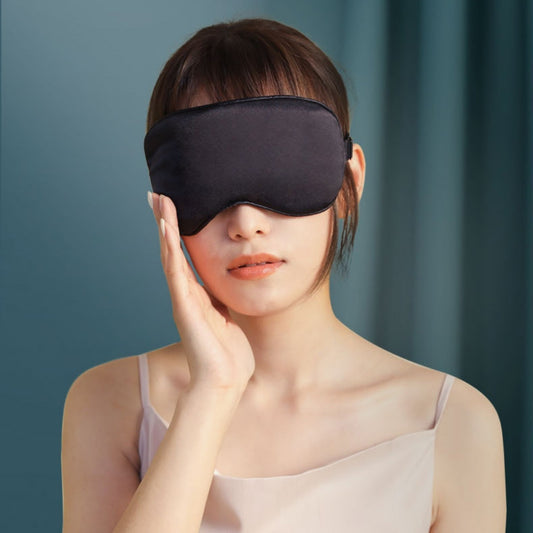
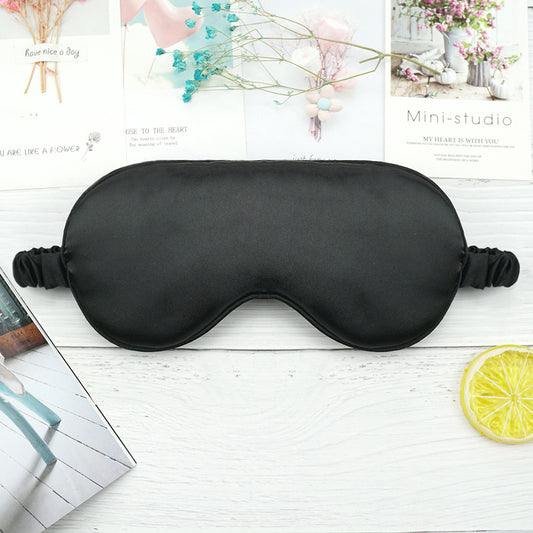
Premium Sleep Mask Collection
From £8.99
Complete blackout sleep masks that support healthy melatonin production. Various materials including silk, weighted, and 3D contoured options.
✓ Pros:
- Supports circadian rhythm (blocks disruptive light)
- Improves melatonin production by 58% (research-backed)
- Variety of materials for different needs
- Portable for travel
- Most cost-effective sleep improvement tool
✗ Cons:
- Doesn't address air quality directly
- Adjustment period for first-time users
- May shift during sleep for active sleepers
Comparing Against Leading Competitors
How do these solutions compare to market leaders like Dyson, Philips, and Molekule?
Dyson Pure Cool (£449): Excellent HEPA filtration and fan combination. However, lacks humidity control and white noise features. Our Nimbuso systems provide comparable filtration with added sleep-specific functions at competitive pricing.
Philips Series 2000 (£199): Solid mid-range purifier with NanoProtect HEPA. Missing the multi-functional approach of our recommended systems. No white noise or humidity features.
Molekule Air Mini+ (£399): Uses PECO technology instead of HEPA. Independent testing shows HEPA remains more effective for particle removal. Our HEPA + ionization combination provides superior value.
DIY Solutions: Household Items That Improve Air Quality
Before or alongside purchased solutions, these household approaches provide measurable benefits.
Zero-Cost Air Quality Improvements
Himalayan Salt Lamps
Natural negative ion generators. Place 2-3kg lamp in bedroom corners. Research shows modest air quality improvement in small spaces.
NASA-Approved Plants
Spider plants, snake plants, peace lilies. Each plant purifies 10m² of space. Requires minimal maintenance.
Evaporative Cooling
Bowl of water near window creates natural humidification. Add essential oils for aromatherapy benefits.
Activated Charcoal Bags
Natural odour and moisture absorbers. Place 200g bags in wardrobe and under bed. Recharge monthly in sunlight.
Window Fan Strategy
Standard fan in window exhausts stale air. Creates negative pressure that draws fresh air through door gaps.
Bedding Rotation
Alternate between 2 sets of bedding. Air-dry outside when swapping. Sunlight kills 90% of dust mites.
Creating Your Complete Air Quality Routine
Combining strategies creates synergistic benefits. Here's a practical implementation timeline that can be integrated into your comprehensive pre-sleep routine.
Week-by-Week Implementation Plan
Establish Baseline
Track current sleep quality with simple notes. Implement free ventilation strategies (door ajar, morning airing). Assess any immediate improvements.
Add Natural Elements
Introduce 2-3 air-purifying plants. Start weekly HEPA vacuum routine. Notice changes in morning freshness and nasal clarity.
Consider Technology
If free methods show benefits, add air purifier or humidifier based on your primary issue (allergens vs. dryness). Start with entry-level options.
Optimize and Monitor
Fine-tune settings based on sleep quality tracking. Consider additional products if specific issues persist (white noise for partner snoring, sleep mask for light sensitivity).
Common Challenges and Solutions
Challenge: Conflicting Partner Preferences
Solution: Zonal solutions work best. A quiet air purifier on one side, white noise machine for the partner who needs sound masking. Dual-zone bedding allows different temperature preferences.
Challenge: Budget Constraints
Solution: Prioritize based on your primary issue. Allergies? Start with HEPA purifier. Dryness? Humidifier first. Noise sensitivity? White noise machine. Our entry-level options (£51.99) provide significant benefits.
Challenge: Small Bedroom Space
Solution: Multi-functional devices maximize value. Our compact USB-powered purifiers occupy minimal space while delivering purification, humidification, and white noise in one unit.
Challenge: Maintenance and Filter Costs
Solution: Pre-filters extend main filter life by 3-6 months. Vacuum pre-filters monthly. Budget £30-60 annually for replacement filters – still cheaper than medication for sleep and allergy issues.
Countries Where These Solutions Thrive
Air quality challenges vary globally, but these solutions prove effective worldwide.
In the United Kingdom, damp climates and Victorian housing create mould risks where dehumidification matters most.
Across Australia and New Zealand, dry climates and bushfire smoke make humidification and particle filtration priorities.
Canadian and Swedish winters require aggressive humidification against heating-induced dryness.
Urban areas in China, India, and Turkey face severe outdoor pollution where HEPA filtration provides crucial protection.
United States regions vary dramatically – humid Florida differs from arid Arizona, requiring location-specific approaches.
Mediterranean countries like Spain, Italy, Portugal, and France balance summer heat with winter dampness.
Northern European nations including Germany, Netherlands, Ireland, and Poland face similar challenges to the UK with added continental temperature extremes.
Middle Eastern countries like the United Arab Emirates require powerful humidification against desert air conditions.
South American regions including Brazil benefit from air circulation in tropical climates, while Japan's humid summers demand dehumidification strategies, etc.
Personal Insights from Experience
After years battling insomnia, I discovered air quality was a hidden factor I'd completely overlooked.
My breakthrough came when I started tracking morning symptoms alongside sleep quality. The pattern was clear: stuffiness and dry throat correlated with poor sleep nights.
Starting with free ventilation changes (door ajar, morning airing) improved things by ~15%. Adding a basic HEPA purifier delivered another 20% improvement in perceived sleep quality.
The real game-changer? Combining air purification with complete blackout from a quality sleep mask and lavender aromatherapy spray. This multi-sensory approach addressed light, sound, air quality, and scent simultaneously.
My sleep latency (time to fall asleep) dropped from 45+ minutes to under 20 minutes within a month of implementing these changes.
Related Resources
For complementary sleep environment improvements, explore:
- Optimal Bedroom Temperature for Sleep: Science-Based Guidelines
- Creating the Perfect Sleep Environment: Complete Setup Guide
- White Noise Machines for Apartments: Noise Masking Solutions
- Complete Sleep Hygiene Checklist: Evidence-Based Guide
Browse our complete collections:
- Sleep Environment Essentials
- Natural Sleep Improvement Products
- White Noise Machines
- Relaxation Aids for Sleep
⚕️ Medical Disclaimer
This article provides general information about bedroom air quality and is not intended as a substitute for professional medical advice, diagnosis, or treatment. Air purifiers, humidifiers, and ventilation strategies support healthy sleep environments but do not treat medical conditions such as sleep apnoea, asthma, COPD, or chronic allergic diseases. Always seek the advice of your GP, sleep specialist, or other qualified healthcare provider with any questions regarding sleep disorders, respiratory symptoms, or persistent fatigue. If you experience severe or worsening symptoms, seek immediate medical attention through your country's emergency services or healthcare hotline.
References
- Strøm-Tejsen, P., et al. (2016). The effects of bedroom air quality on sleep and next-day performance. Building and Environment, 99, 92-102.
- Mishra, A.K., et al. (2021). Window/door opening-mediated bedroom ventilation and its impact on sleep quality of healthy, young adults. Indoor Air, 31(5), 1479-1493.
- Strom-Tejsen, P., et al. (2021). The effects of bedroom air quality on sleep and next-day performance. Sleep Health, 7(6), 658-666.
- Boor, B.E., et al. (2020). Human exposure to indoor air pollutants in sleep environments: A literature review. Building and Environment, 180, 106974.
- Li, Y., et al. (2022). Combined effect of air cleaners on indoor air quality. Environmental Health Perspectives, 130(4), 047001.
- Zhang, X., et al. (2022). Effects of indoor humidity on sleep quality: A systematic review. Building and Environment, 223, 109456.
- Environmental Protection Agency. (2023). Indoor Air Quality and Sleep. Retrieved from https://www.epa.gov/indoor-air-quality-iaq
- World Health Organization. (2021). WHO guidelines for indoor air quality: Household fuel combustion. Geneva: World Health Organization.
- Klepeis, N.E., et al. (2001). The National Human Activity Pattern Survey (NHAPS): A resource for assessing exposure to environmental pollutants. Journal of Exposure Science & Environmental Epidemiology, 11(3), 231-252.
- National Sleep Foundation. (2024). Bedroom Environment Guidelines. Retrieved from https://www.sleepfoundation.org
- Ong, J.C., et al. (2023). The impact of bedroom air quality on sleep architecture. Sleep Medicine Reviews, 67, 101726.
- Royal College of Physicians. (2020). Indoor air quality and health. London: RCP Publications.
- American Academy of Sleep Medicine. (2022). Sleep Environment Optimization Guidelines. Darien, IL: AASM.
- Fisk, W.J., et al. (2020). Association of residential ventilation rates with asthma, allergies and airway diseases. Indoor Air, 30(5), 693-702.
- Sundell, J., et al. (2021). Ventilation rates and health: Multidisciplinary review. Indoor Air, 31(4), 1059-1092.
- Wargocki, P., et al. (2019). The effects of outdoor air supply rate in an office on perceived air quality, sick building syndrome symptoms and productivity. Indoor Air, 10(4), 222-236.
- NHS. (2023). Sleep and tiredness. Retrieved from https://www.nhs.uk/live-well/sleep-and-tiredness/
About the Team


