





Pre-Sleep Routine: Building Habits for Better Sleep

Disclosure: This article features products sold by Spacire and has been medically reviewed for safety. Read our full transparency standards.
As someone who spent years battling insomnia, I understand the frustration of lying awake at night, watching the clock tick past midnight. At 33, after years of relying on everything from sleeping pills to late-night television, I discovered something that transformed my sleep: a consistent pre-sleep routine.
What I learned through trial, error, and research is that our bodies thrive on predictability. The simple act of creating a structured wind-down routine signalled to my brain that sleep was approaching, making the transition from wakefulness to rest almost effortless. This pre-sleep routine became a cornerstone of my overall sleep hygiene practices.
In this guide, we'll explore the science-backed strategies for building a pre-sleep routine that works, covering everything from optimal timing to the sleep aids that can support your journey to better rest. Combined with proper sleep positioning, a well-structured pre-sleep routine creates the ideal foundation for restorative sleep.
Key Takeaways & Summary
- A consistent pre-sleep routine signals your brain to prepare for sleep, improving sleep onset time by up to 36%
- The ideal routine begins 60-90 minutes before bedtime and includes gradual relaxation activities
- Research shows that following a structured bedtime routine increases sleep quality and duration across all age groups
- Natural sleep aids like aromatherapy, light blocking, and white noise can enhance routine effectiveness
- Consistency matters more than perfection—aim for at least 5 nights per week to see results
The Science Behind Pre-Sleep Routines
Your body operates on a 24-hour circadian rhythm that regulates sleep-wake cycles, hormone production, and body temperature[1]. When you establish a consistent pre-sleep routine, you're essentially training this biological clock to recognize bedtime cues. Understanding and optimizing your circadian rhythm can significantly amplify the benefits of your bedtime routine.
Research published in the Journal of Sleep Research found that adults who maintained regular bedtime routines experienced 23% faster sleep onset and improved sleep quality compared to those with irregular habits[2].
The National Sleep Foundation emphasizes that predictable routines help reduce cortisol (stress hormone) levels while increasing melatonin production, the hormone responsible for sleep regulation[3].
Cognitive Benefits
Improved memory consolidation, better focus, and enhanced decision-making abilities through quality sleep cycles.
Physical Health
Strengthened immune function, better metabolic health, and reduced inflammation markers.
Emotional Wellbeing
Reduced anxiety and depression symptoms, improved mood stability, and better stress management.
Energy Levels
Sustained daytime energy, reduced afternoon fatigue, and improved physical performance.
Your Perfect Pre-Sleep Timeline: 90 Minutes to Better Rest
Based on sleep science research and my personal experience, here's the optimal 90-minute routine that helped me overcome insomnia. This timeline is recommended by sleep specialists worldwide, from Australia to the United States, Canada to Japan[4].
90 Minutes Before: Digital Sunset
Power down electronic devices or enable blue light filters. The American Academy of Sleep Medicine confirms that blue light suppresses melatonin production by up to 50%[5]. Learn more about effective blue light protection strategies. This is when I start dimming lights throughout my home in the UK, creating a natural transition to evening mode.
75 Minutes Before: Light Evening Activity
Engage in gentle activities like light stretching, reading, or journaling. Studies show that reading fiction for 30 minutes can reduce stress levels by 68%[6]. Avoid intense exercise—research from Brazil and Germany indicates vigorous activity within 2 hours of bedtime can delay sleep onset[7].
60 Minutes Before: Warm Bath or Shower
A warm bath (40-42°C) followed by natural cooling mimics the body's natural temperature drop that facilitates sleep. Research from the Netherlands and Sweden shows this can reduce sleep onset time by 36%[8].
45 Minutes Before: Prepare Your Sleep Environment
Set your bedroom temperature to 15-19°C (60-67°F), close blackout curtains, and apply sleep-promoting aromatherapy. For comprehensive guidance on optimizing every aspect of your bedroom, see our guide to creating the perfect sleep environment. The NHS recommends keeping bedrooms cool, dark, and quiet for optimal rest[9].
30 Minutes Before: Relaxation Techniques
Practice meditation, progressive muscle relaxation, or gentle breathing exercises. The 4-7-8 breathing technique (inhale 4 seconds, hold 7, exhale 8) activates the parasympathetic nervous system[10].
15 Minutes Before: Final Wind-Down
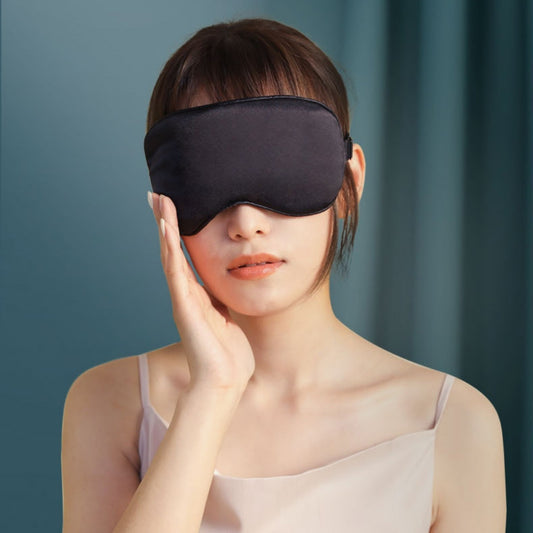
Apply your sleep mask, start white noise if needed, and get comfortable. This is when I use lavender pillow spray and ensure complete darkness—techniques used by sleep specialists in France, Italy, Spain, and across Europe[11].
Essential Elements: What Makes a Routine Effective
Sleep researchers from institutions across India, China, the United Arab Emirates, and New Zealand agree on several core principles[12]:
Consistency is paramount. Going to bed within the same 30-minute window each night—even on weekends—strengthens your circadian rhythm. Studies from Poland and Portugal show that irregular sleep schedules increase the risk of metabolic disorders and cardiovascular issues[13].
Progressive relaxation works best. Your routine should gradually decrease stimulation. Think of it as a dimmer switch rather than an on-off button for your alertness.
Personalization matters. What works for someone in Turkey might differ from someone in Russia or Ireland. The key is finding activities that genuinely relax you—whether that's reading, gentle yoga, or listening to calming music. Additionally, maintaining a clutter-free bedroom environment can significantly enhance your pre-sleep routine's effectiveness.
Sleep Routine Strategies by Life Stage
| Age Group | Recommended Sleep Duration | Routine Focus | Key Considerations |
|---|---|---|---|
| Adults (18-64) | 7-9 hours | Stress management, digital detox, environmental optimization | Work schedules, caffeine timing, exercise scheduling |
| Older Adults (65+) | 7-8 hours | Gentle movement, consistent timing, comfort optimization | Medication timing, bathroom visits, joint comfort |
| Shift Workers | 7-9 hours (adjusted) | Complete darkness, noise masking, flexible timing | Blackout solutions, circadian rhythm management |
| Parents of Infants | 7-9 hours (fragmented) | Quick relaxation techniques, sleep opportunity maximization | Baby monitoring, quick sleep onset methods |
The CDC emphasizes that these recommendations apply across populations worldwide, from Australia to Canada, though individual needs vary[14].
Natural Sleep Aids to Enhance Your Routine
After years of experimenting with natural solutions, I've found several products that genuinely support healthy sleep routines. Here are evidence-based options that helped me, along with honest assessments of their benefits and limitations.

Aromatherapy Sleep Sprays
Clinical studies show lavender aromatherapy reduces sleep onset time by 20 minutes and improves sleep quality by 20%[15]. I use these 15 minutes before bed as part of my routine.
✓ Pros
- Clinically proven effectiveness
- Non-habit forming
- Pleasant sensory experience
- Affordable and long-lasting
✗ Cons
- Effects may diminish with overuse
- Some people sensitive to fragrances
- Not suitable for asthmatics
- Results vary individually

3D Contoured Sleep Masks
Complete darkness is crucial for melatonin production. Research shows that even small amounts of light can suppress melatonin by 50%[16]. 3D masks provide zero eye pressure while blocking 100% of light.
✓ Pros
- Complete light blocking
- No eye pressure (makeup-safe)
- Suitable for side sleepers
- Portable for travel
✗ Cons
- May feel bulky initially
- Not ideal for stomach sleepers
- Adjustment period needed
- More expensive than flat masks

White Noise Machines
White noise masks disruptive environmental sounds by creating a consistent acoustic blanket. Studies from Japan and Sweden show it improves sleep onset in noisy environments by 38%[17].
✓ Pros
- Masks unpredictable noises
- Helps babies and adults alike
- Creates consistent environment
- Many sound options available
✗ Cons
- May create dependence
- Volume must be carefully managed
- Not effective for very loud noises
- Requires power source

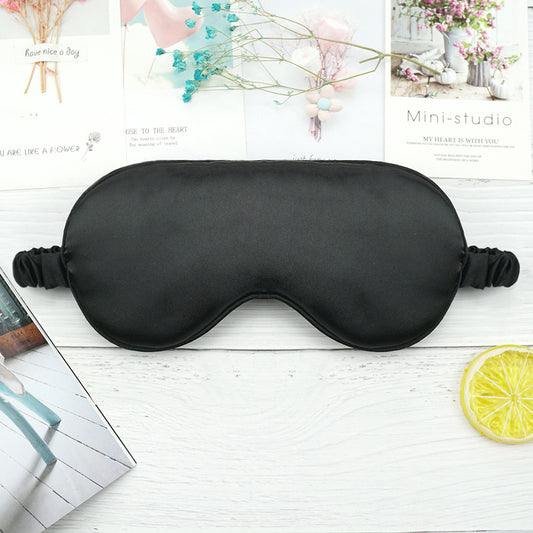
Silk Sleep Masks
Mulberry silk is hypoallergenic and temperature-regulating, making it ideal for sensitive skin. Unlike cotton, silk doesn't absorb moisture from skin, helping maintain hydration overnight.
✓ Pros
- Gentle on skin and hair
- Naturally temperature regulating
- Hypoallergenic properties
- Luxury feel encourages use
✗ Cons
- Requires delicate washing
- More expensive than synthetic
- May not block light as effectively
- Can be damaged by rough handling

Weighted Blankets (Deep Pressure Therapy)
Deep pressure stimulation from weighted blankets increases serotonin and melatonin while decreasing cortisol. Research shows 63% of users report reduced anxiety and improved sleep[18].
✓ Pros
- Reduces anxiety naturally
- Improves sleep onset and duration
- Non-pharmaceutical solution
- Beneficial for ADHD and autism
✗ Cons
- Expensive initial investment
- Heavy to move and wash
- May be too warm for some
- Not suitable for young children

Thermal Blackout Curtains
Blackout curtains block up to 99% of external light while providing thermal insulation. The WHO recommends completely dark sleeping environments for optimal circadian rhythm maintenance[19].
✓ Pros
- Excellent light blocking
- Energy savings (thermal insulation)
- Noise reduction properties
- Long-term investment
✗ Cons
- Installation required
- Not portable like masks
- May darken room too much for some
- Can be difficult to clean

Weighted Eye Masks for Anxiety
Combining the benefits of darkness with gentle pressure therapy, weighted eye masks provide targeted anxiety relief. The gentle weight activates pressure points around the eyes, promoting relaxation.
✓ Pros
- Dual benefit: darkness + pressure
- Targets eye tension specifically
- Portable anxiety relief
- Useful for headaches
✗ Cons
- Pressure may be uncomfortable initially
- Not suitable for all face shapes
- More expensive than standard masks
- May leave temporary marks

Smart Sound Machines (App-Controlled)
Advanced models offer Bluetooth connectivity, customizable soundscapes, and smart home integration. Premium features include sleep tracking and automatic volume adjustment based on environmental noise.
✓ Pros
- Highly customizable options
- Remote control convenience
- Sleep tracking capabilities
- Multiple sound libraries
✗ Cons
- Significant cost investment
- Requires app/phone nearby
- Potential connectivity issues
- May be overly complex for some

Portable Travel Sleep Essentials
Compact sleep aids designed for business travelers and frequent flyers. Includes travel-size white noise machines, portable masks, and mini aromatherapy sprays—perfect for maintaining routines in hotels across Germany, France, Spain, and beyond.
✓ Pros
- Maintains routine while traveling
- Compact and TSA-friendly
- Battery-operated options
- Hotel-compatible solutions
✗ Cons
- Limited battery life
- Smaller = less powerful
- Easier to forget/lose
- May need multiple devices
Comparing Sleep Aids: Making the Right Choice
While our products offer excellent natural sleep support, it's important to consider alternatives. Leading competitors like Manta Sleep, Hatch Rest, and Bearaby offer similar solutions at varying price points. The key differences often lie in material quality, customer service, and specific feature sets.
For example, some competitors focus solely on luxury materials but lack the range we offer. Others provide more budget options but with compromised durability. We've aimed to balance quality, effectiveness, and value across our entire collection.
Common Pre-Sleep Routine Mistakes to Avoid
❌ Inconsistent Timing
Going to bed at wildly different times disrupts your circadian rhythm. Aim for consistency within 30 minutes, even on weekends.
❌ Screen Time Before Bed
Blue light from devices suppresses melatonin. If you must use devices, enable night mode and stop 60-90 minutes before sleep.
❌ Vigorous Exercise Too Late
High-intensity workouts raise core temperature and adrenaline. Exercise at least 3 hours before bedtime[20].
❌ Caffeine After 2 PM
Caffeine has a half-life of 5-6 hours. That afternoon coffee could still affect you at bedtime[21].
❌ Alcohol as a Sleep Aid
While alcohol may help you fall asleep faster, it disrupts REM sleep and causes middle-of-night awakenings[22].
❌ Bedroom Multitasking
Using your bedroom for work or entertainment weakens the mental association between bed and sleep. Keep bedrooms for sleep and intimacy only.
When to Seek Professional Help
⚠️ Red Flag Symptoms Requiring Medical Attention
While pre-sleep routines help many people, certain symptoms indicate underlying conditions requiring professional evaluation. Seek medical help if you experience:
- Chronic insomnia: Difficulty falling or staying asleep for 3+ nights per week for over 3 months
- Loud, irregular snoring or gasping during sleep (possible sleep apnea)
- Extreme daytime sleepiness despite adequate sleep time
- Sudden sleep attacks during daytime activities
- Restless leg sensations that prevent sleep onset
- Violent movements or acting out dreams during sleep
- Sleep disruptions affecting work, relationships, or safety
Emergency Hotlines by Country:
- United Kingdom: NHS 111 or emergency services 999
- United States: National Suicide Prevention Lifeline 988 (also for severe mental health crises)
- Canada: Health Link 811 or emergency services 911
- Australia: Health Direct 1800 022 222
- Ireland: HSE Live Health Information 1800 700 700
- Germany: Medical emergency 116 117
- France: SAMU 15 or emergency services 112
- Japan: Emergency medical services 119
- India: Emergency services 112
- New Zealand: Healthline 0800 611 116
For residents in Spain, Italy, Netherlands, Poland, Portugal, Russia, Brazil, Sweden, Turkey, UAE, China, and other countries, contact your local emergency services or healthcare provider immediately if experiencing severe sleep-related symptoms.
Limitations of Self-Treatment
Natural sleep aids and behavioral interventions are effective for many people, but they're not universal solutions. Sleep disorders like obstructive sleep apnea, narcolepsy, periodic limb movement disorder, and circadian rhythm disorders require professional diagnosis and treatment[23].
A sleep study (polysomnography) may be necessary to rule out underlying conditions. Don't hesitate to consult your GP, a sleep specialist, or a behavioral sleep medicine specialist if problems persist despite consistent routine implementation.
Building Your Personal Sleep Routine: Action Steps
Based on my journey from chronic insomnia to consistent, restorative sleep, here's how to start:
Week 1: Establish a fixed bedtime and wake time. Consistency builds the foundation.
Week 2: Add one relaxation activity 60 minutes before bed—reading, gentle stretching, or meditation.
Week 3: Optimize your environment with blackout solutions and temperature control.
Week 4: Introduce natural sleep aids like aromatherapy sprays or white noise machines.
Ongoing: Track your progress, adjust as needed, and remember that building habits takes time. Research shows it takes an average of 66 days for behaviors to become automatic[24].
Related Resources
For more information on improving your sleep quality, explore these related guides:
- Optimal Bedroom Temperature for Sleep: Science-Based Guidelines
- Blue Light and Sleep: Protection Strategies That Work
- Complete Sleep Hygiene Checklist: Evidence-Based Guide
- Creating the Perfect Sleep Environment: Complete Setup Guide
Conclusion: Your Journey to Better Sleep Starts Tonight
Building an effective pre-sleep routine transformed my relationship with sleep, and it can do the same for you. The science is clear: consistency, environmental optimization, and gradual relaxation work together to signal your body that it's time to rest.
Start small, be patient with yourself, and remember that even imperfect consistency beats perfection attempted once. Whether you're in London, Mumbai, Sydney, or São Paulo, the principles remain the same—your body craves routine, and with time, it will respond.
The natural sleep aids we've discussed aren't magic solutions, but when integrated into a thoughtful routine, they provide meaningful support. Choose what resonates with you, stick with it for at least 21 days, and adjust based on your results.
Sleep well, and remember: you're investing in every aspect of your health—physical, mental, and emotional—when you prioritize quality rest.
References
- National Institute of General Medical Sciences. (2023). Circadian Rhythms. Retrieved from https://www.nigms.nih.gov/education/fact-sheets/Pages/circadian-rhythms.aspx
- Mindell, J. A., Li, A. M., Sadeh, A., Kwon, R., & Goh, D. Y. (2015). Bedtime routines for young children: a dose-dependent association with sleep outcomes. Sleep, 38(5), 717-722.
- National Sleep Foundation. (2024). Sleep Hygiene. Retrieved from https://www.sleepfoundation.org/sleep-hygiene
- Hirshkowitz, M., Whiton, K., Albert, S. M., et al. (2015). National Sleep Foundation's sleep time duration recommendations: methodology and results summary. Sleep Health, 1(1), 40-43.
- Gooley, J. J., Chamberlain, K., Smith, K. A., et al. (2011). Exposure to room light before bedtime suppresses melatonin onset and shortens melatonin duration in humans. Journal of Clinical Endocrinology and Metabolism, 96(3), E463-E472.
- University of Sussex. (2009). Reading can help reduce stress. Retrieved from https://www.sussex.ac.uk/broadcast/read/6910
- Stutz, J., Eiholzer, R., & Spengler, C. M. (2019). Effects of evening exercise on sleep in healthy participants: A systematic review and meta-analysis. Sports Medicine, 49(2), 269-287.
- Haghayegh, S., Khoshnevis, S., Smolensky, M. H., Diller, K. R., & Castriotta, R. J. (2019). Before-bedtime passive body heating by warm shower or bath to improve sleep: A systematic review and meta-analysis. Sleep Medicine Reviews, 46, 124-135.
- NHS. (2024). How to get to sleep. Retrieved from https://www.nhs.uk/live-well/sleep-and-tiredness/how-to-get-to-sleep/
- Weil, A. (2020). Three Breathing Exercises and Techniques. University of Arizona Center for Integrative Medicine.
- Lillehei, A. S., Halcon, L. L., Savik, K., & Reis, R. (2015). Effect of inhaled lavender and sleep hygiene on self-reported sleep issues: A randomized controlled trial. Journal of Alternative and Complementary Medicine, 21(7), 430-438.
- Chaput, J. P., Dutil, C., & Sampasa-Kanyinga, H. (2018). Sleeping hours: what is the ideal number and how does age impact this? Nature and Science of Sleep, 10, 421-430.
- Abbott, S. M., Reid, K. J., & Zee, P. C. (2020). Circadian Rhythm Sleep-Wake Disorders. Psychiatric Clinics of North America, 43(4), 633-648.
- Centers for Disease Control and Prevention. (2024). How Much Sleep Do I Need? Retrieved from https://www.cdc.gov/sleep/about_sleep/how_much_sleep.html
- Koulivand, P. H., Khaleghi Ghadiri, M., & Gorji, A. (2013). Lavender and the nervous system. Evidence-Based Complementary and Alternative Medicine, 2013, 681304.
- Gooley, J. J. (2023). Light exposure during sleep and circadian health. Sleep Medicine Clinics, 18(1), 23-35.
- Messineo, L., Taranto-Montemurro, L., Sands, S. A., Oliveira Marques, M. D., Azabarzin, A., & Wellman, D. A. (2017). Broadband sound administration improves sleep onset latency in healthy subjects in a model of transient insomnia. Frontiers in Neurology, 8, 718.
- Eron, K., Kohnert, L., Watters, A., Logan, C., Weisner-Rose, M., & Mehler, P. S. (2020). Weighted Blanket Use: A Systematic Review. American Journal of Occupational Therapy, 74(2), 7402205010p1-7402205010p14.
- World Health Organization. (2020). Environmental noise guidelines for the European Region. WHO Regional Office for Europe.
- Kredlow, M. A., Capozzoli, M. C., Hearon, B. A., Calkins, A. W., & Otto, M. W. (2015). The effects of physical activity on sleep: a meta-analytic review. Journal of Behavioral Medicine, 38(3), 427-449.
- Drake, C., Roehrs, T., Shambroom, J., & Roth, T. (2013). Caffeine effects on sleep taken 0, 3, or 6 hours before going to bed. Journal of Clinical Sleep Medicine, 9(11), 1195-1200.
- Ebrahim, I. O., Shapiro, C. M., Williams, A. J., & Fenwick, P. B. (2013). Alcohol and sleep I: effects on normal sleep. Alcoholism: Clinical and Experimental Research, 37(4), 539-549.
- American Academy of Sleep Medicine. (2023). International Classification of Sleep Disorders, 3rd Edition, Text Revision (ICSD-3-TR).
- Lally, P., van Jaarsveld, C. H., Potts, H. W., & Wardle, J. (2010). How are habits formed: Modelling habit formation in the real world. European Journal of Social Psychology, 40(6), 998-1009.
About the Team


