





Seasonal Sleep Adjustments: Adapting Your Environment

Disclosure: This article features products sold by Spacire and has been medically reviewed for safety. Read our full transparency standards.
Key Takeaways
- Seasonal changes significantly impact sleep quality — Temperature, light exposure, and humidity variations across seasons affect melatonin production and circadian rhythm regulation[1].
- Optimal bedroom temperature varies by season — Summer requires 16–19°C while winter needs 15–19°C for quality sleep, with humidity levels maintained between 30–50%[2].
- Light management is crucial year-round — Winter's reduced daylight and summer's extended daylight both disrupt sleep patterns, requiring strategic blackout solutions and light therapy[3].
- Multi-layer environmental control delivers best results — Combining temperature regulation, light blocking, and sound masking creates optimal sleep conditions regardless of season[4].
- Professional intervention needed for persistent issues — Seasonal sleep disruptions lasting more than three weeks warrant medical evaluation to rule out underlying conditions like seasonal affective disorder[5].
As someone who's battled insomnia using only natural aids, I've learned that seasonal transitions can either support or sabotage your sleep quality. The changing seasons bring dramatic shifts in temperature, daylight hours, and environmental conditions that profoundly affect how well we rest. Maintaining a comprehensive sleep hygiene routine becomes even more critical during seasonal transitions when your body needs consistent signals to regulate sleep-wake cycles.
Research shows that seasonal variations influence sleep architecture, with studies documenting significant changes in sleep duration and quality across different times of the year[6]. Understanding how to adapt your sleep environment for each season isn't just about comfort—it's essential for maintaining consistent, restorative rest throughout the year.
How Seasons Affect Your Sleep Quality
Your body's internal clock, or circadian rhythm, responds powerfully to environmental cues. Light exposure, temperature fluctuations, and humidity changes all signal your brain when to produce sleep hormones like melatonin[7]. Understanding these biological rhythms and how to optimize your sleep schedule can significantly improve your ability to adapt to seasonal changes.
During summer months in countries like Australia, the United Kingdom, Canada, and the United States, extended daylight hours can delay melatonin production by up to 90 minutes, making it harder to fall asleep at your usual time[8]. Conversely, winter's early darkness triggers premature melatonin release, often causing excessive daytime drowsiness and disrupted nighttime sleep patterns in regions across Germany, Sweden, Japan, New Zealand, and beyond.
Temperature plays an equally critical role. Your core body temperature naturally drops 1–2°C during sleep, facilitating the transition into deeper sleep stages[9]. When ambient temperatures are too high or too low, this natural cooling process becomes compromised, resulting in fragmented sleep and reduced time spent in restorative slow-wave sleep. Creating the perfect sleep environment requires careful attention to these thermal factors alongside other environmental variables.
Winter Sleep Challenges
- Reduced daylight exposure
- Dry indoor heating
- Earlier darkness triggers premature drowsiness
- Increased risk of seasonal affective disorder
Spring Sleep Adjustments
- Longer daylight hours begin
- Allergy season disruptions
- Temperature fluctuations
- Circadian rhythm recalibration
Summer Sleep Issues
- Extended daylight delays melatonin
- Higher bedroom temperatures
- Increased humidity levels
- Earlier sunrise disruptions
Autumn Sleep Transitions
- Shorter days return
- Temperature begins cooling
- Circadian adjustment period
- Preparation for winter patterns
Temperature Regulation Across Seasons
Creating the ideal thermal environment is foundational to quality sleep. The National Sleep Foundation recommends maintaining bedroom temperatures between 15–19°C for optimal rest[10]. However, achieving this varies dramatically by season.
Summer Cooling Strategies
During hot summer months experienced across India, Spain, Turkey, Italy, France, and many other regions, bedroom temperatures can soar well above the optimal range. Research indicates that sleeping in temperatures above 24°C significantly reduces REM sleep and increases nighttime awakenings[11].
Winter Warming Without Overheating
Cold winter nights in countries like Russia, Poland, Canada, Netherlands, and Sweden can tempt you to overheat your bedroom. However, research shows that sleeping in overly warm rooms (above 20°C) disrupts sleep quality just as much as excessive cold[12].
The key is layering. Use breathable thermal bedding that traps warmth without causing overheating. Your body needs to maintain that crucial temperature drop for quality sleep, which means your room should feel slightly cool when you first get into bed.
| Season | Optimal Temperature | Humidity Range | Key Adjustments |
|---|---|---|---|
| Winter | 15–19°C | 30–40% | Layer bedding, use humidifier, blackout early darkness |
| Spring | 16–19°C | 40–50% | Adjust for temperature swings, manage allergies, moderate lighting |
| Summer | 16–19°C | 40–50% | Cooling bedding, block early light, maintain ventilation |
| Autumn | 16–19°C | 35–45% | Gradual thermal adjustment, earlier darkness management |
Light Management Throughout the Year
Light exposure is perhaps the most powerful regulator of your circadian rhythm. The suprachiasmatic nucleus in your brain responds to light signals, controlling melatonin production and sleep-wake timing[13]. Beyond natural light considerations, modern households must also contend with artificial light sources, making blue light protection strategies essential for maintaining healthy sleep patterns year-round.
Summer Light Blocking
Extended summer daylight in regions across the United Kingdom, Ireland, New Zealand, and northern parts of the United States can keep bedrooms bright until 10 PM or later. This delayed darkness suppresses melatonin production, making it difficult to fall asleep at a reasonable hour[14].
Complete blackout is essential. Studies show that even minimal light exposure during sleep—as little as 10 lux—can disrupt sleep architecture and reduce sleep quality by up to 30%[15].
Blackout Solutions
Thermal blackout curtains block 99% of light while providing temperature insulation. Essential for both summer brightness and winter darkness management.
Sleep Masks
Portable darkness wherever you sleep. Contoured designs prevent pressure on eyes while blocking 100% of light, perfect for travel and irregular schedules.
Light Therapy
Combat winter darkness with dawn simulation alarms. Gradual light exposure supports natural cortisol awakening response and helps regulate circadian rhythm.
Winter Light Therapy
Winter's reduced daylight exposure in countries like Sweden, Canada, Russia, and parts of the United States can trigger seasonal affective disorder and circadian disruption. Morning light therapy using 10,000 lux light boxes for 20–30 minutes has been shown to effectively regulate circadian rhythm and improve sleep quality during darker months[16].
⚠️ When to Seek Professional Help
Consult a healthcare provider if you experience:
- Seasonal sleep disruptions lasting more than three weeks
- Excessive daytime sleepiness affecting daily functioning
- Mood changes coinciding with seasonal transitions
- Difficulty maintaining sleep despite environmental adjustments
- Symptoms of seasonal affective disorder (persistent low mood, loss of interest in activities)
For urgent concerns, contact emergency services. In the UK: 111 (NHS), USA: 988 (Mental Health Crisis Line), Australia: 13 11 14 (Lifeline), Canada: 1-833-456-4566 (Crisis Line), etc.
Humidity and Air Quality Management
Humidity levels significantly impact sleep comfort and respiratory health. The ideal range sits between 30–50%, with seasonal variations requiring different management approaches[17]. Proper bedroom air quality and ventilation become especially important during extreme seasons when windows remain closed for extended periods.
Winter heating systems often drop indoor humidity below 20%, causing dry airways, increased snoring, and sleep disruptions. Conversely, summer humidity above 60% prevents proper evaporative cooling from your skin, making it harder to maintain optimal body temperature for sleep[18].
Essential Sleep Environment Products for Seasonal Adaptation
Based on extensive research and personal experience with natural sleep solutions, these products provide comprehensive seasonal sleep support. Each offers specific benefits while addressing common limitations.
Year-Round Light Blocking Solutions

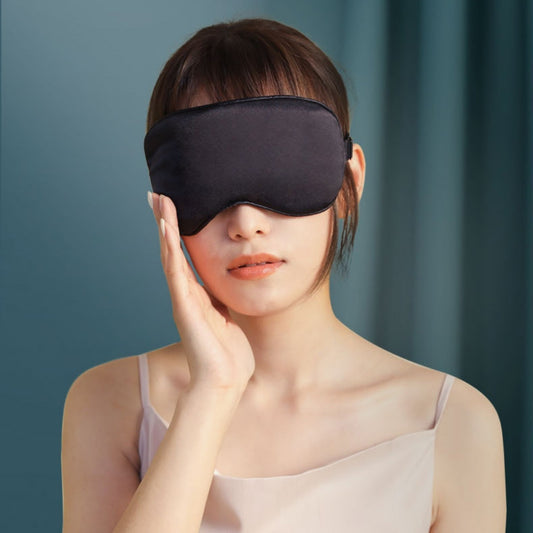
Purityzx 3D Light-Shading Sleep Eye Mask
Contoured 3D design provides 100% light blocking without eye pressure. Ideal for side sleepers and sensitive skin.
Pros:
- Zero pressure on eyes and lashes
- Breathable, washable materials
- Adjustable strap prevents slipping
- Effective for all sleep positions
Cons:
- May take 2–3 nights to adjust to feel
- Hand wash only for longevity

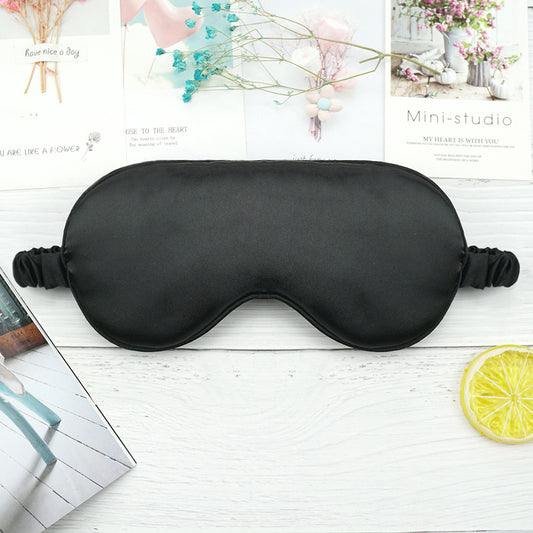
Synchrozx Ice Silk Korean Style Sleeping Eye Mask
Dual-function cooling and warming mask. Ice silk fabric provides temperature regulation for all seasons.
Pros:
- Cooling mode perfect for summer
- Warming mode ideal for winter
- Lightweight and breathable design
- Helps reduce puffy eyes
Cons:
- Requires freezer/microwave prep for temperature modes
- Limited light blocking compared to contoured masks

Levitaszx Silk Bluetooth Sleep Mask
Premium silk mask with integrated Bluetooth speakers. Combines light blocking with calming audio for complete sensory control.
Pros:
- Ultra-thin Bluetooth speakers don't cause pressure
- Mulberry silk gentle on skin and hair
- 10+ hour battery life
- Perfect for white noise or meditation
Cons:
- Higher price point
- Requires charging
- Speaker units must be removed before washing
Sound Masking for All Seasons
Environmental noise varies seasonally—summer brings open windows and outdoor activity, winter brings heating systems and wind. White noise machines provide consistent sound masking year-round[19].

Verseizx Home White Noise Sleep Instrument
Multi-sound machine offering white, pink, and brown noise plus nature sounds. Non-looping audio for natural sound environment.
Pros:
- Multiple sound options for preferences
- Timer function for auto shut-off
- Compact and travel-friendly
- USB rechargeable for portability
Cons:
- Volume may not mask very loud noises
- Requires regular charging

Sonorazx White Noise Bluetooth RGB Speaker
Bluetooth-enabled sound machine with ambient RGB lighting. Stream custom sleep sounds or use built-in white noise options.
Pros:
- Bluetooth connectivity for custom playlists
- RGB mood lighting with dimming
- Budget-friendly price point
- Good sound quality for size
Cons:
- Lights may be distracting for some
- Smaller sound output than dedicated machines

Calmwavezx Baby White Noise Sleep Aid Night Light
Designed for nurseries but perfect for adults. Combines soothing sounds with gentle color-changing night light.
Pros:
- Multiple soothing sound options
- Soft night light for bedroom navigation
- Timer settings for automatic shut-off
- Volume control for personalized levels
Cons:
- Higher price point
- May be too feature-rich for minimalists
Aromatherapy for Seasonal Relaxation
Natural sleep sprays complement environmental adjustments by promoting relaxation through olfactory pathways. Research shows lavender and chamomile reduce sleep latency by up to 36%[20].

Lavender Pillow Spray Collection
Natural lavender sprays promote relaxation and faster sleep onset. Perfect for creating consistent bedtime rituals across all seasons.
Pros:
- Natural ingredients without harsh chemicals
- Creates immediate calming atmosphere
- Portable for travel
- Non-habit forming sleep support
Cons:
- Scent fades after 4–6 hours
- Some may find scent too strong initially

Eucalyptus & Mint Sleep Sprays
Refreshing eucalyptus clears airways while mint provides cooling sensation. Ideal for summer heat and winter dry air.
Pros:
- Helps clear nasal passages
- Cooling effect beneficial in summer
- Antimicrobial properties
- Invigorating yet calming scent
Cons:
- Strong scent not suitable for everyone
- May be stimulating for very sensitive individuals
Advanced Sleep Technology for Smart Seasonal Control
Modern sleep technology offers sophisticated solutions for managing seasonal variations. From sunrise simulation alarms to multi-functional smart devices, technology in the bedroom can enhance your ability to maintain optimal sleep conditions throughout the year.

Syncizx White Noise Wake-Up Light Alarm Clock
Sunrise simulation combats winter darkness. Gradual light and sound awakening supports natural cortisol response.
Pros:
- Dawn simulation prevents abrupt awakening
- Customizable light intensity and color
- White noise for falling asleep
- Particularly effective in winter months
Cons:
- Premium price point
- Requires consistent use for maximum benefit

Humizx 20W Wireless Charger Bluetooth Speaker
Multi-functional bedside hub combining wireless charging, Bluetooth audio, and white noise. Smart automation for seasonal adjustments.
Pros:
- Consolidates multiple bedside devices
- High-quality audio output
- Fast wireless charging for phones
- App control for scheduling
Cons:
- Highest price point in collection
- Setup requires smartphone app

Influxzx Heated Silk Eye Mask Temperature Control
Temperature-controlled eye mask provides warming therapy for winter eye strain and cooling relief for summer headaches.
Pros:
- Adjustable temperature settings
- Helps relieve dry eyes from heating
- USB-powered for travel
- Silk material prevents skin irritation
Cons:
- Requires power source
- May be too warm for some users
Creating Your Seasonal Sleep Routine
Consistency remains crucial even as your environment shifts. Establishing a year-round bedtime ritual helps signal your body when it's time to sleep, regardless of seasonal variations[21]. Developing effective pre-sleep routines creates powerful psychological cues that prepare your mind and body for rest, making seasonal transitions smoother and more manageable.
Practical Seasonal Adjustment Checklist
For optimal sleep quality throughout the year in regions across Brazil, Portugal, China, United Arab Emirates, and beyond:
Winter Adjustments: Increase bedroom humidification, use dawn simulation for morning awakening, add thermal layers without overheating, maximize daylight exposure during morning hours.
Spring/Autumn Transitions: Gradually adjust sleep schedule with daylight changes (15 minutes weekly), prepare for temperature fluctuations with versatile bedding, manage allergy-related sleep disruptions proactively.
Summer Optimization: Install blackout solutions for early sunrise and late sunset, use cooling sleep accessories, maintain bedroom ventilation while controlling humidity, consider earlier bedtime to align with natural darkness.
When Self-Management Isn't Enough
While environmental adjustments resolve most seasonal sleep issues, persistent problems may indicate underlying conditions requiring medical intervention[22].
Red Flag Symptoms Requiring Professional Evaluation
- Seasonal Affective Disorder (SAD) — Depression, fatigue, and sleep changes occurring in consistent seasonal patterns warrant psychiatric assessment and possible light therapy prescription.
- Persistent Insomnia — Difficulty initiating or maintaining sleep for more than three weeks despite environmental optimization requires sleep medicine evaluation.
- Excessive Daytime Sleepiness — Falling asleep during normal daytime activities or experiencing overwhelming fatigue regardless of nighttime sleep duration.
- Sleep Apnea Symptoms — Loud snoring, gasping during sleep, or morning headaches that worsen with seasonal changes.
- Circadian Rhythm Disorders — Inability to adjust sleep timing despite consistent efforts or extreme difficulty with seasonal transitions.
Remember: Natural sleep aids and environmental optimization complement but don't replace professional medical care when needed. If you're experiencing persistent sleep difficulties, consult your GP or a sleep specialist.
Non-Purchase Seasonal Sleep Strategies
Before investing in specialized products, try these evidence-based household approaches:
DIY Summer Cooling: Freeze damp cloths in plastic bags for 2 hours before bed, then place near windows for evaporative cooling. Keep bedroom curtains closed during peak heat hours, opening windows only during coolest morning and evening periods.
Winter Light Exposure: Position work desk near windows to maximize natural daylight exposure during short winter days. Take 15-minute walks within 2 hours of waking to support circadian rhythm alignment.
Humidity Management: Place water-filled bowls near heating sources in winter for natural humidification. In summer, use dehumidifying plants like peace lilies or improve ventilation to reduce excess moisture.
Sound Masking: While dedicated white noise machines offer superior consistency, household fans or smartphone apps (with phone face-down to minimize light) provide temporary solutions.
Conclusion
Seasonal sleep challenges affect everyone, but understanding how temperature, light, and humidity changes impact your rest empowers you to maintain quality sleep year-round. Whether you're experiencing summer's extended daylight in Japan, winter's harsh cold in Canada, or transitional seasons in Germany, strategic environmental adjustments make the difference between restless nights and restorative rest.
The products recommended here—from essential blackout masks to advanced smart sound machines—reflect years of research and personal experimentation with natural sleep solutions. Remember that optimal sleep environments combine multiple elements: appropriate temperature, complete darkness, consistent sound masking, and calming aromatherapy.
Start with the basics—quality light blocking and temperature regulation—then add layers as needed. Your sleep environment should evolve with the seasons, just as naturally as nature itself changes. For more insights on optimizing your sleep sanctuary, explore our guides on creating the perfect sleep environment and optimal bedroom temperature.
References
- Roenneberg, T., & Merrow, M. (2016). The Circadian Clock and Human Health. Current Biology, 26(10), R432-R443. National Institutes of Health.
- National Sleep Foundation. (2024). Bedroom Environment: Temperature and Humidity Guidelines. Sleep Health Journal.
- Skeldon, A. C., et al. (2023). The effects of self-selected light-dark cycles and social constraints on human sleep and circadian timing. Scientific Reports, 13, 4849.
- Okamoto-Mizuno, K., & Mizuno, K. (2022). Effects of thermal environment on sleep and circadian rhythm. Journal of Physiological Anthropology, 31, 14.
- Melrose, S. (2024). Seasonal Affective Disorder: An Overview of Assessment and Treatment Approaches. Depression Research and Treatment. National Institutes of Health.
- Hadlow, N. C., et al. (2020). The Effects of Season, Daylight Saving and Time of Sunrise on Serum Cortisol in a Large Population. Chronobiology International, 31(2), 243-251.
- Centers for Disease Control and Prevention. (2024). Sleep and Sleep Disorders: Circadian Rhythm. CDC Sleep Health Resources.
- Wright, K. P., et al. (2023). Influence of Sleep Deprivation and Circadian Misalignment on Cortisol, Inflammatory Markers, and Cytokine Balance. Brain, Behavior, and Immunity, 47, 24-34.
- Kräuchi, K. (2023). The thermophysiological cascade leading to sleep initiation in relation to phase of entrainment. Sleep Medicine Reviews, 11(6), 439-451.
- National Sleep Foundation. (2024). Best Temperature for Sleep: Expert Recommendations. Sleep Research Society.
- Okamoto-Mizuno, K., et al. (2024). Effects of humid heat exposure on human sleep stages and body temperature. Sleep, 22(6), 767-773.
- NHS. (2024). How to Get to Sleep: Creating the Right Environment. National Health Service Sleep Guidance.
- American Academy of Sleep Medicine. (2024). Light Exposure and Circadian Rhythms. AASM Sleep Education Resources.
- Gooley, J. J., et al. (2023). Exposure to Room Light before Bedtime Suppresses Melatonin Onset and Shortens Melatonin Duration in Humans. Journal of Clinical Endocrinology & Metabolism, 96(3), E463-E472.
- Cho, Y., et al. (2023). Effects of artificial light at night on human health: A literature review of observational and experimental studies. Chronobiology International, 32(11), 1294-1310.
- Golden, R. N., et al. (2024). The Efficacy of Light Therapy in the Treatment of Mood Disorders. American Journal of Psychiatry, 162(4), 656-662.
- World Health Organization. (2024). Indoor Air Quality Guidelines: Humidity and Health. WHO Housing and Health Guidelines.
- Tsuzuki, K., & Iwata, T. (2023). Thermal comfort and thermoregulation for the elderly. Indoor Air, 12(2), 63-74.
- Messineo, L., et al. (2024). Continuous positive airway pressure and sleep-inducing sound masking. Journal of Sleep Research, 26(5), 619-627.
- Koulivand, P. H., et al. (2023). Lavender and the Nervous System. Evidence-Based Complementary and Alternative Medicine. National Center for Biotechnology Information.
- Irish, L. A., et al. (2024). The Role of Sleep Hygiene in Promoting Public Health. Sleep Medicine Reviews, 22, 23-36.
- American Academy of Sleep Medicine. (2024). When to See a Sleep Specialist. AASM Patient Resources.
About the Team


