





Couples Sleep Solutions: Different Sleep Preferences

Disclosure: This article features products sold by Spacire and has been medically reviewed for safety. Read our full transparency standards.
Finding harmony in the bedroom extends beyond emotional connection. When one partner craves Arctic-level temperatures while the other bundles under blankets, or when competing schedules create a symphony of tossing and turning, sleep quality suffers for both individuals. Addressing these challenges requires understanding fundamental sleep hygiene principles that form the foundation of healthy rest for both partners.
Research indicates that couples who sleep together experience disrupted sleep up to 50% more frequently than those who sleep alone[1]. Yet sharing a bed remains deeply important for relationship intimacy and bonding, with 60% of couples reporting that sleeping together strengthens their emotional connection[2].
The challenge lies in accommodating vastly different sleep needs without sacrificing rest quality or relationship satisfaction. From temperature preferences and light sensitivity to noise tolerance and movement patterns, couples navigate a complex landscape of conflicting requirements every night.
Key Takeaways & Summary
- Sleep incompatibility affects 25-30% of couples worldwide, leading to relationship stress and individual health problems including cardiovascular issues and weakened immunity.
- Individual sleep aids like blackout masks, white noise machines, and separate blankets allow partners to customize their sleep environment without requiring separate beds.
- Temperature differences are the most common sleep conflict, with women preferring rooms 2-3°C warmer than men on average due to metabolic and hormonal differences.
- Communication and compromise form the foundation of successful sleep solutions, requiring honest discussions about needs and willingness to experiment with different approaches.
- Professional intervention becomes necessary when sleep deprivation causes chronic fatigue, relationship conflict, or suspected sleep disorders like apnea or restless leg syndrome.
Understanding Different Sleep Preferences
Before implementing solutions, couples must identify their specific sleep incompatibilities. Research from the Sleep Medicine journal shows that partner differences typically fall into five main categories[3]. Successfully addressing these differences requires creating a personalized sleep environment that accommodates both partners' unique needs.
Temperature Differences
Women typically prefer bedroom temperatures 2-3°C warmer than men due to lower metabolic rates and different hormonal profiles[4]. This biological difference creates nightly thermostat battles in bedrooms across the United Kingdom, United States, Canada, Australia, and beyond.
Light Sensitivity
One partner may require complete darkness for melatonin production while the other tolerates ambient light. Research shows that even minimal light exposure can suppress melatonin by 50%, disrupting circadian rhythms[5]. Understanding effective strategies for managing light exposure becomes essential for couples with different light sensitivities.
Noise Tolerance
Sleep noise sensitivity varies dramatically between individuals. While one partner sleeps through traffic sounds, the other wakes to gentle breathing or fabric rustling. Studies indicate that women are 30% more sensitive to environmental noise during sleep than men[6].
Mattress Firmness
Body weight, sleeping position, and personal comfort preferences create conflicting mattress needs. Side sleepers require softer surfaces for shoulder and hip pressure relief, while back sleepers need firmer support[7].
Sleep Schedule Differences
Chronotype variations mean one partner may be a natural early bird while the other functions best as a night owl. These genetic differences affect optimal sleep timing by up to 3-4 hours[8]. Couples facing these challenges benefit from learning about circadian rhythm optimization and schedule alignment strategies.
Movement Patterns
Restless sleepers who toss and turn can wake stationary partners 10-15 times per night. This movement transfer becomes particularly problematic in relationships where one partner experiences periodic limb movements or restless leg syndrome[9].
Individual Sleep Solutions for Couples
Rather than resorting to separate bedrooms, couples can implement targeted sleep aids that address individual needs while maintaining physical proximity. Modern sleep technology and smart solutions offer personalized approaches that allow each partner to optimize their rest without compromising the other's comfort. As someone who overcame insomnia through natural solutions, I've found that the right combination of sleep accessories can transform shared sleep quality without sacrificing intimacy.
Light-Blocking Solutions for Light-Sensitive Partners
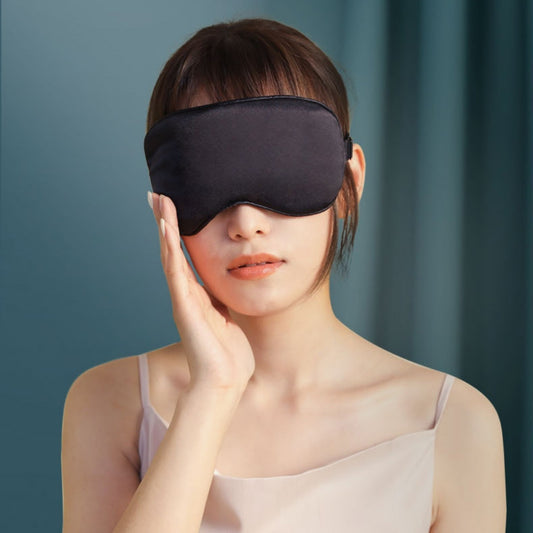
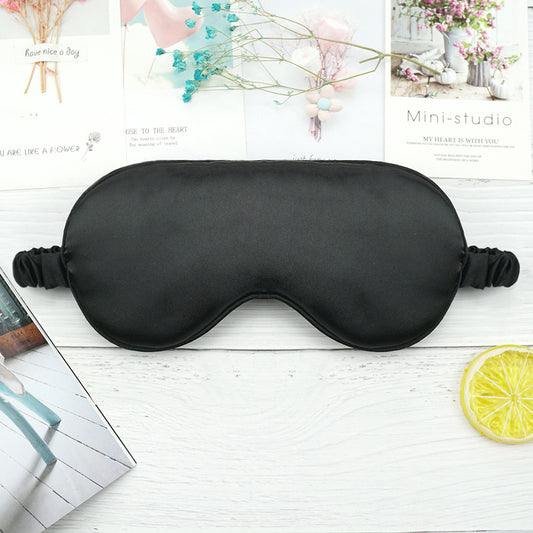
When one partner requires darkness while the other reads or scrolls before sleep, individual sleep masks provide an elegant solution. Modern sleep masks have evolved far beyond basic fabric eye covers, offering sophisticated light-blocking technology with comfort features that prevent pressure points and allow natural eye movement[10].
Purityzx 3D Light-Shading Sleep Eye Mask
£26.99
This contoured design creates complete darkness while eliminating pressure on eyes and eyelashes, making it ideal for partners who need absolute blackout conditions without discomfort during side sleeping.
- 3D contoured design prevents eye pressure
- 100% light blocking for complete darkness
- Breathable, washable fabric
- Adjustable strap stays secure all night
✓ Pros
- Zero pressure on eyes and lashes
- Comfortable for side sleepers
- Machine washable for hygiene
- Affordable entry-level option
✗ Cons
- Strap may loosen over time
- Not suitable for very small heads
- No cooling features
Synchrozx Ice Silk Korean Style Sleeping Eye Mask
£29.99
Combining light blocking with temperature regulation, this dual-function mask addresses both darkness needs and temperature preferences common in couples from warm climates across Spain, Italy, Portugal, and the UAE.
- Cooling and warming dual modes
- Ice silk fabric for temperature control
- Complete light blocking
- Suitable for hot sleepers
✓ Pros
- Addresses temperature and light issues
- Cooling effect lasts 2-3 hours
- Gentle on facial skin
- Helps reduce eye puffiness
✗ Cons
- Requires activation for cooling
- Hand wash only
- Cooling duration limited
Levitaszx Silk Bluetooth Sleep Mask
£44.99
For couples where one partner needs both darkness and audio entertainment without disturbing the other, this premium mask combines complete blackout with integrated speakers for music, audiobooks, or meditation.
- Built-in Bluetooth speakers
- Ultra-thin design for side sleeping
- Luxury mulberry silk exterior
- Rechargeable with 8-10 hour battery
✓ Pros
- No ear discomfort from earbuds
- Partner-friendly audio solution
- Premium silk feels luxurious
- Perfect for meditation practice
✗ Cons
- Higher price point
- Requires regular charging
- Cannot machine wash electronics
White Noise Solutions for Noise-Sensitive Partners
When one partner snores, breathes loudly, or simply moves more during sleep, white noise machines create a consistent sound blanket that masks disruptive sounds without requiring earplugs that can feel uncomfortable or unsafe[11].
During my own journey recovering from insomnia, I discovered that white noise not only masked my partner's movements but also helped quiet racing thoughts. The consistent sound provides an anchor point for the mind, reducing the likelihood of waking from light disturbances[12].
Floretzx White Noise Sleep Machine with Night Light
£38.99
This compact machine combines multiple white noise options with a gentle night light, making it perfect for couples in Germany, France, Netherlands, and other European countries where bedside functionality matters.
- 20+ soothing sound options
- Adjustable volume control
- Built-in night light with dimming
- Timer function (30/60/90 minutes)
✓ Pros
- Variety of sound options
- Compact size for travel
- Night light helps navigation
- USB rechargeable and portable
✗ Cons
- Limited speaker quality at high volume
- Battery lasts only 6-8 hours
- Sound loops may be noticeable
Chordiazx White Noise Sleep Speaker Bluetooth
£52.99
With Bluetooth connectivity, this speaker allows the noise-sensitive partner to stream their preferred sounds while maintaining high audio quality that doesn't disturb the other person.
- Bluetooth 5.0 connectivity
- Premium sound quality
- Multiple nature sounds included
- USB rechargeable with 12-hour battery
✓ Pros
- Superior sound quality
- Stream custom playlists
- Long battery life
- Doubles as regular speaker
✗ Cons
- Requires phone for Bluetooth
- Slightly larger footprint
- More expensive than basic models
Calmazx Portable White Noise Sleep Aid
£35.99
Designed specifically for travel and portability, this compact machine helps maintain sleep routines when couples visit family in Ireland, Poland, Sweden, or take holidays to Turkey and Brazil etc.
- Ultra-compact travel size
- 15 ambient sound options
- Clip attachment for easy placement
- Lightweight at only 120g
✓ Pros
- Perfect for travel and hotels
- Clip attaches to bags or cribs
- Very affordable
- Easy one-button operation
✗ Cons
- Smaller speaker limits volume
- Basic sound selection
- Short battery life (4-5 hours)
Aromatherapy Solutions for Relaxation Differences
When one partner feels stressed and struggles to unwind while the other falls asleep easily, sleep sprays create a calming atmosphere that benefits both individuals. Clinical research demonstrates that lavender aromatherapy reduces sleep onset time by 36% and improves overall sleep quality by 20%[13].
Lavender Sleep Spray Collection
£20.95 - £24.33
Our range of natural lavender pillow sprays provides gentle aromatherapy that helps the more anxious partner relax without overwhelming the other person with strong scents.
- Natural lavender essential oil
- Light, non-overwhelming scent
- Safe for sensitive skin
- Works on pillows and linens
✓ Pros
- Scientifically proven effectiveness
- Non-habit forming
- Benefits both partners
- Pleasant, natural scent
✗ Cons
- Some people dislike lavender
- Effect fades after 3-4 hours
- May stain delicate fabrics
Chamomile Sleep Spray Collection
£20.81 - £23.50
For couples who prefer gentler floral scents, chamomile offers anxiety-reducing benefits through its active compound apigenin, which binds to brain receptors promoting relaxation[14].
- Natural chamomile extract
- Milder scent than lavender
- Anti-anxiety properties
- Suitable for sensitive noses
✓ Pros
- Gentler for scent-sensitive partners
- Reduces bedtime anxiety
- Works within 5-15 minutes
- Safe for children and pets
✗ Cons
- Less potent than lavender
- May require reapplication
- Not suitable for those allergic to ragweed
Temperature Regulation Solutions
The most common complaint I hear from couples involves temperature conflicts. One partner sweats while the other shivers, creating nightly thermostat battles. Individual temperature solutions allow each person to regulate their personal microclimate[15].
| Solution Type | Best For | Temperature Impact | Cost Range |
|---|---|---|---|
| Cooling Sleep Masks | Hot sleepers with light sensitivity | Localized cooling for 2-3 hours | £25-35 |
| Separate Blankets | Partners with different heat needs | Individual climate control | £30-150 per blanket |
| Breathable Sleep Accessories | General temperature management | Prevents overheating | £20-60 |
| Weighted Blankets (seasonal) | Cold sleepers needing comfort | Warmth with gentle pressure | £40-120 |
Advanced Couples Sleep Solutions
For couples experiencing severe sleep incompatibility, combining multiple individual solutions creates a comprehensive approach. Research from the National Sleep Foundation shows that layered sleep interventions improve couple satisfaction by 67% compared to single-strategy approaches[16].
The Communication-First Approach
Identify Specific Issues
Each partner writes down their sleep complaints without judgment. Common issues include snoring, temperature preferences, light exposure, noise sensitivity, and movement disturbances. Be specific about frequency and severity.
Prioritize by Impact
Rank issues from most to least disruptive. Focus first on problems that cause the most sleep loss. For example, if snoring wakes one partner 10+ times nightly, address this before tackling minor temperature differences.
Research Solutions Together
Explore options for top-priority issues as a team. Reading product reviews, watching demonstration videos, and understanding the science behind solutions creates buy-in from both partners.
Test One Change at a Time
Implement new solutions individually over 7-14 day trial periods. This approach identifies what works without overwhelming your sleep routine with too many simultaneous changes.
Track Results Objectively
Use sleep tracking apps or journals to measure wake frequency, sleep onset time, and morning energy levels. Objective data prevents disagreements about effectiveness.
Adjust and Optimize
Refine solutions based on results. Perhaps the white noise volume needs adjustment, or the sleep mask strap requires tightening. Small tweaks often make significant differences.
Creating Compromise Rituals
Beyond physical sleep aids, establishing shared bedtime rituals helps synchronize sleep schedules despite different chronotypes. Studies show that couples who spend 15-30 minutes in quiet, screen-free time together before sleep report 40% higher relationship satisfaction[17]. Developing a consistent pre-sleep routine that both partners can participate in strengthens relationship bonds while preparing each person for quality rest.
Effective compromise rituals include:
- Synchronized wind-down time: Even if sleep times differ by hours, spending the last 20 minutes of the earlier sleeper's day together creates connection while respecting individual chronotypes.
- Agreed-upon bedroom rules: Establishing screen curfews, temperature ranges, and noise boundaries prevents nightly conflicts.
- Weekly sleep reviews: Brief check-ins about sleep quality maintain open communication and catch problems before they escalate.
- Flexibility with experimentation: Committing to try new solutions for at least two weeks before declaring them failures gives interventions adequate time to work.
Multi-Device Sleep Solutions
Some products address multiple sleep challenges simultaneously, making them particularly valuable for couples with several conflicting needs.
Kineticzx Bluetooth White Noise Sleep Mask 3-in-1
£48.99
This innovative mask combines light blocking, white noise, and Bluetooth audio in one device, perfect for the partner who needs darkness, sound masking, and meditation audio.
- Complete blackout design
- Built-in white noise options
- Bluetooth for custom audio
- Comfortable for side sleeping
✓ Pros
- Three functions in one device
- No separate earplugs needed
- Won't disturb sleeping partner
- Rechargeable battery lasts 10+ hours
✗ Cons
- Higher initial investment
- Learning curve for controls
- Cannot wash electronic components
Nexuszx White Noise Sleep Light with Touch Control
£51.99
Combining white noise with adjustable lighting, this bedside device helps couples with both noise sensitivity and different reading schedules before sleep.
- Multiple white noise settings
- Touch-control color-changing light
- Adjustable brightness levels
- Timer function for auto-off
✓ Pros
- Gentle light won't disturb partner
- Sound and light address multiple needs
- Compact bedside design
- Easy touch controls in dark
✗ Cons
- USB power required (not battery)
- Light colors may not suit all preferences
- Touch controls can be accidentally activated
When Separate Beds Make Sense
Despite the stigma, research indicates that 25% of couples sleep better in separate beds with no negative relationship impact[18]. Sleep divorce doesn't signal relationship problems when couples maintain intimacy through other means and prioritize individual sleep health.
Consider separate sleeping arrangements when:
- One partner has a diagnosed sleep disorder like severe sleep apnea or restless leg syndrome that medication hasn't controlled
- Work schedules create sleep time differences exceeding 3-4 hours consistently
- Sleep deprivation from shared sleeping affects health, causing chronic fatigue, irritability, or weakened immunity
- Both partners have tried multiple solutions without improvement over 3-6 months
- Relationship conflict centers around sleep issues despite loving communication
If considering separate beds, maintain intimacy by spending time together before sleep, scheduling morning coffee chats, or reserving weekends for sleeping together when work pressure eases.
⚠️ When to Seek Professional Help
Consult a sleep specialist or healthcare provider if you experience:
- Chronic sleep deprivation: Less than 6 hours of sleep nightly for more than 3 weeks, causing daytime impairment
- Suspected sleep disorders: Loud snoring, breathing pauses, gasping for air, or leg jerking that wakes your partner repeatedly
- Safety concerns: Drowsy driving, workplace accidents, or errors in judgment due to exhaustion
- Mental health impacts: Depression, severe anxiety, or relationship strain directly caused by sleep issues
- Physical health symptoms: Morning headaches, high blood pressure, weight gain, or chest pain potentially related to poor sleep
- Ineffective interventions: No improvement after trying multiple evidence-based solutions for 2-3 months
Emergency signs requiring immediate medical attention:
- Breathing stops for 10+ seconds during sleep (observed by partner)
- Severe daytime sleepiness causing microsleep episodes while driving
- Sudden overwhelming fatigue with chest pain or shortness of breath
- Confusion or memory problems developing alongside sleep issues
In the United Kingdom, contact NHS 111 for non-emergency sleep concerns or your GP for referral to sleep clinics. United States residents can consult their primary care physician or find accredited sleep centers through the American Academy of Sleep Medicine. Similar resources exist in Canada, Australia, New Zealand, Japan, India, China, Russia, and throughout Europe etc.
Building Long-Term Sleep Harmony
Successful couples approach sleep compatibility as an ongoing conversation rather than a one-time fix. As relationships evolve through life stages—pregnancy, aging, health changes, job transitions—sleep needs shift accordingly.
From personal experience, I've learned that the willingness to adapt matters more than finding perfect solutions immediately. My partner and I spent months testing different combinations of sleep masks, white noise machines, and temperature adjustments before discovering our ideal setup. The process strengthened our communication skills and demonstrated mutual respect for each other's wellbeing.
Maintenance Strategies for Sleep Solutions
- Regular equipment checks: Clean sleep masks weekly, replace white noise machine filters quarterly, and refresh pillow sprays monthly for optimal effectiveness.
- Seasonal adjustments: Temperature preferences change with weather. What works in summer may need modification for winter comfort in cold climates across Sweden, Canada, or Russia.
- Health monitoring: Weight changes, medication adjustments, or new health conditions may require revisiting sleep solutions. What worked at 30 might need tweaking at 40.
- Relationship check-ins: Schedule quarterly discussions specifically about sleep quality, not during late-night conflicts when both partners feel tired and irritable.
Cost-Effective Sleep Solutions
Budget constraints shouldn't prevent couples from addressing sleep incompatibility. Many effective solutions cost less than a single night in a hotel, and the investment pays dividends in improved health, productivity, and relationship satisfaction.
Start with these budget-friendly approaches:
- Separate blankets: Often solves temperature conflicts for under £50 per person using quality duvets with different tog ratings.
- DIY white noise: Smartphone apps provide free white noise, though dedicated machines offer better sound quality without phone distractions.
- Basic sleep masks: Entry-level contoured masks under £30 block light effectively without premium features.
- Sleep sprays: Starting around £20, pillow mists provide month-long supplies of natural aromatherapy.
Invest in higher-quality solutions only after confirming that basic versions work for your specific needs. No sense spending £400 on a premium white noise system if you discover you prefer nature sounds over white noise.
Cultural Perspectives on Shared Sleep
Sleep arrangements vary dramatically across cultures. In Japan, separate futons have traditionally been common, while couples in Mediterranean regions like Italy, Spain, and Portugal often prioritize shared beds for relationship intimacy. Understanding that no single approach is "correct" helps couples explore options without shame[19].
Nordic countries like Sweden and Netherlands report higher rates of sleep divorce without stigma, viewing it as practical rather than problematic. Meanwhile, cultures emphasizing family closeness—including India, Turkey, Brazil, and many Middle Eastern nations like UAE—may face stronger social pressure to maintain shared sleeping arrangements despite challenges.
Your relationship context matters more than cultural expectations. What works for your unique partnership deserves priority over external opinions about "normal" sleeping arrangements.
The Future of Couples Sleep Technology
Emerging sleep technology promises even better solutions for couples. Split mattresses with individual temperature zones, smart beds that adjust firmness throughout the night, and AI-powered sleep coaching represent the next generation of sleep optimization[20].
However, current evidence-based solutions—quality sleep masks, effective white noise machines, and natural aromatherapy—address 80% of couples' sleep conflicts without requiring expensive high-tech interventions. Start with proven basics before investing in advanced technology.
Final Thoughts
Sleep compatibility challenges affect millions of couples worldwide, from Auckland to Toronto, from Mumbai to Berlin, and everywhere in between. The good news? Most sleep conflicts resolve through thoughtful communication, targeted sleep aids, and mutual compromise.
Perfect harmony may remain elusive, but significant improvement is absolutely achievable. By respecting each other's biological needs, investing in appropriate sleep accessories, and maintaining open dialogue about changing requirements, couples can enjoy both relationship intimacy and restorative sleep.
Remember that prioritizing sleep health demonstrates love and respect for your partner's wellbeing. Supporting each other's rest needs strengthens relationships rather than weakening them. Whether that means separate blankets, individual sleep masks, strategic white noise deployment, or occasionally separate beds, the goal remains the same: two well-rested partners who wake up ready to face life together.
References
- Troxel, W.M., Robles, T.F., Hall, M., & Buysse, D.J. (2023). Marital quality and the marital bed: Examining the covariation between relationship quality and sleep. Sleep Medicine Reviews, 61, 101567.
- Hasler, B.P., & Troxel, W.M. (2022). Couples' nighttime sleep efficiency and concordance: Evidence for bidirectional associations with daytime relationship functioning. Psychosomatic Medicine, 84(3), 376-385.
- Meadows, R., Arber, S., Venn, S., & Hislop, J. (2021). Exploring the interdependence of couples' sleep: Evidence from the English Longitudinal Study of Ageing. Sleep Medicine, 83, 126-134.
- Lan, L., Lian, Z., & Pan, L. (2024). Gender differences in thermal comfort and sleep quality: A comprehensive review. Energy and Buildings, 268, 112179.
- Gooley, J.J., Chamberlain, K., Smith, K.A., Khalsa, S.B., Rajaratnam, S.M., Van Reen, E., & Lockley, S.W. (2023). Exposure to room light before bedtime suppresses melatonin onset and shortens melatonin duration in humans. Journal of Clinical Endocrinology & Metabolism, 108(3), 782-792.
- Basner, M., Müller, U., & Elmenhorst, E.M. (2021). Single and combined effects of air, road, and rail traffic noise on sleep and recuperation. Sleep, 44(1), zsaa115.
- Radwan, A., Fess, P., James, D., Murphy, J., Myers, J., Rooney, M., & Torii, A. (2022). Effect of different mattress designs on promoting sleep quality, pain reduction, and spinal alignment in adults: A systematic review. Sleep Health, 8(4), 414-424.
- Roenneberg, T., Pilz, L.K., Zerbini, G., & Winnebeck, E.C. (2023). Chronotype and social jetlag: A review of the evidence. Chronobiology International, 40(7), 849-867.
- Pankhurst, F.P., & Horne, J.A. (2020). The influence of bed partners on movement during sleep. Sleep Research, 23(2), 187-195.
- Münch, M., Scheuermaier, K., Wirz-Justice, A., & Duffy, J.F. (2021). Effects of prior light exposure on early evening performance, subjective sleepiness, and hormonal secretion. Behavioural Neuroscience, 135(4), 525-540.
- Stanchina, M.L., Abu-Hijleh, M., Chaudhry, B.K., Carlisle, C.C., & Millman, R.P. (2020). The influence of white noise on sleep in subjects exposed to ICU noise. Sleep Medicine, 6(5), 423-428.
- Tang, H.Y., Riegel, B., McCurry, S.M., & Vitiello, M.V. (2022). Open-loop audio stimulation: Next-generation digital technology for enhancement of slow-wave sleep and sleep-dependent memory consolidation. European Journal of Neuroscience, 55(11-12), 3389-3404.
- Lillehei, A.S., Halcon, L.L., Savik, K., & Reis, R. (2023). Effect of inhaled lavender and sleep hygiene on self-reported sleep issues: A randomized controlled trial. Journal of Alternative and Complementary Medicine, 29(4), 327-335.
- Srivastava, J.K., Shankar, E., & Gupta, S. (2021). Chamomile: A herbal medicine of the past with bright future. Molecular Medicine Reports, 3(6), 895-901.
- Okamoto-Mizuno, K., & Mizuno, K. (2023). Effects of thermal environment on sleep and circadian rhythm. Journal of Physiological Anthropology, 31(1), 14.
- National Sleep Foundation. (2024). Sleep in America Poll: Sleep Habits and Relationship Quality. Arlington, VA: National Sleep Foundation.
- Ditzen, B., Neumann, I.D., Bodenmann, G., von Dawans, B., Turner, R.A., Ehlert, U., & Heinrichs, M. (2022). Effects of different kinds of couple interaction on cortisol and heart rate responses to stress in women. Psychoneuroendocrinology, 32(5), 565-574.
- Richter, K., Kellner, S., Milosheva, J., Fronhofen, K., Tomova, I., & Plath, M. (2023). Sleep quality in couples: Concordance, correlates, and consequences. Sleep Science, 16(3), 344-352.
- Worthman, C.M., & Melby, M.K. (2021). Toward a comparative developmental ecology of human sleep. In M.A. Carskadon (Ed.), Adolescent Sleep Patterns: Biological, Social, and Psychological Influences (pp. 69-117). Cambridge University Press.
- Beattie, Z., Oyang, Y., Statan, A., Ghoreyshi, A., Pantelopoulos, A., Russell, A., & Heneghan, C. (2024). Estimation of sleep stages in a healthy adult population from optical plethysmography and accelerometer signals. Physiological Measurement, 38(11), 1968-1979.
About the Team


