





Sleep Position Guide: Best Positions for Quality Rest

Disclosure: This article features products sold by Spacire and has been medically reviewed for safety. Read our full transparency standards.
Key Takeaways
- Back sleeping is generally considered the best position for spinal alignment, though it can worsen sleep apnea and snoring
- Side sleeping (particularly on the left) benefits pregnant women, those with sleep apnea, acid reflux, and chronic lower back pain
- Stomach sleeping is the worst position for spine health, causing neck strain and lower back problems
- The right pillow and mattress can dramatically improve any sleeping position's effectiveness. Combined with a clutter-free bedroom environment, proper sleep accessories create the ideal conditions for rest.
- Seek immediate medical attention for back or neck pain accompanied by numbness, loss of bowel/bladder control, fever, or severe weakness
As someone who battled insomnia for years before finding relief through natural methods, I learned that sleep position plays a far more significant role in sleep quality than most people realize. After countless restless nights trying different positions, pillows, and mattresses, I discovered that optimizing your sleeping posture—combined with proper sleep hygiene practices—can be the difference between waking up refreshed or suffering through another day of neck pain and fatigue.
Your sleep position affects everything from spinal alignment and breathing patterns to circulation and even wrinkle formation[1]. Research shows that improper sleeping posture can lead to chronic pain, reduced sleep quality, and long-term musculoskeletal problems[2]. Understanding optimal sleep positioning is a crucial component of creating the perfect sleep environment. Whether you're in London, New York, Tokyo, Sydney, Berlin, Toronto, Mumbai, Dubai, São Paulo, Paris, Madrid, Amsterdam, Dublin, etc., understanding how your nightly position impacts your health is crucial for achieving restorative rest.
Understanding Spinal Alignment During Sleep
Your spine has three natural curves: the cervical curve (neck), thoracic curve (upper back), and lumbar curve (lower back). Proper spinal alignment means maintaining these natural curves while keeping your head, shoulders, and hips aligned[3].
During sleep, you have no active control over spine alignment[4]. This is why your mattress, pillow, and sleeping position become critical factors. Poor alignment applies lateral bending and unbalanced loading on intervertebral disks and facet joints, potentially leading to deterioration over time.
When your spine maintains its neutral position during sleep, surrounding muscles can fully relax. This relaxation reduces muscle tension and stiffness, promoting deeper, more restorative sleep[5]. Combined with proper circadian rhythm alignment, optimal sleeping posture creates the foundation for truly restorative rest. Conversely, misalignment causes muscles to overwork throughout the night, leading to morning stiffness and disrupted sleep patterns.
Sleep Position Comparison: Pros & Cons
🛏️ Back Sleeping
Best For: Spinal alignment, reducing facial wrinkles, preventing acid reflux
Pros:
- Maintains natural spine curvature
- Evenly distributes body weight
- Reduces pressure points
- Minimizes facial contact with pillow
Cons:
- Worsens snoring and sleep apnea
- Not safe for pregnant women (after first trimester)
- May cause lower back pain without proper support
↔️ Side Sleeping
Best For: Sleep apnea, pregnancy, acid reflux, chronic lower back pain
Pros:
- Reduces snoring and sleep apnea symptoms
- Improves circulation (especially left side)
- Safe for all trimesters of pregnancy
- Aids digestion and reduces heartburn
Cons:
- Can cause shoulder and hip pain
- May contribute to facial wrinkles
- Requires pillow between knees for proper alignment
⬇️ Stomach Sleeping
Best For: Reducing snoring (but not recommended overall)
Pros:
- May reduce snoring in some cases
- Keeps airways more open
Cons:
- Forces neck into twisted position
- Causes lower back strain and arching
- Can lead to chronic neck and shoulder pain
- Worst position for long-term spinal health
Back Sleeping: The Gold Standard for Spinal Health
Sleeping on your back is considered the optimal position for maintaining proper spinal alignment[6]. In this position, your body weight is evenly distributed across the largest surface area, reducing pressure points and preserving your spine's natural curves.
A 2025 systematic review published in Musculoskeletal Care found that supine (back) sleeping supports spinal alignment and is associated with lower prevalence of low back pain[7]. The position allows your head, neck, and spine to rest in a neutral position, minimizing strain on muscles, ligaments, and joints.
Optimizing Back Sleeping Position
To maximize the benefits of back sleeping:
✓ Pillow Placement
Use a pillow that supports your neck's natural curve without tilting your head too far forward or backward. Place a small pillow or rolled towel under your knees to maintain lumbar curve and reduce lower back strain.
✓ Mattress Firmness
Choose a medium-firm mattress that allows your buttocks to sink moderately while supporting your spine. Too soft causes misalignment; too firm creates pressure points. Proper bedroom temperature also plays a crucial role in maintaining comfort throughout the night.
✓ Leg Positioning
Keep legs in a straight line without spreading too wide or twisting. Some people benefit from a pillow beneath the lumbar region for additional support[8].
Important Exception: Back sleeping is not recommended for pregnant women, especially during the second and third trimesters. Studies show it can reduce blood flow to the heart and baby, increasing risk of maternal hypotension and adverse outcomes[9].
Side Sleeping: The Most Popular Position
Approximately 60% of adults prefer side sleeping[10], making it the most common sleep position worldwide. While not quite as optimal as back sleeping for spinal alignment, side sleeping offers numerous health benefits, particularly for specific conditions.
Research shows side sleeping helps maintain a neutral spine position, putting less stress on your head, neck, shoulders, and spine[11]. The position prevents airways from collapsing and can significantly reduce snoring and sleep apnea symptoms[12].
Left Side vs. Right Side: Does It Matter?
| Condition | Recommended Side | Why It Matters |
|---|---|---|
| Pregnancy | Left Side | Improves circulation to fetus, reduces pressure on liver, increases blood flow to heart, uterus, and kidneys[13] |
| Acid Reflux/GERD | Left Side | Prevents stomach acid from flowing back into esophagus[14] |
| Heart Conditions | Right Side | May reduce pressure on the heart; consult cardiologist for personalized advice |
| Sleep Apnea | Either Side | Both sides help keep airways open; turning head to side even while on back helps[15] |
| Lower Back Pain | Either Side | Place pillow between knees for proper alignment |
Perfecting Side Sleeping Technique
To optimize side sleeping and prevent common issues like shoulder pain or hip discomfort:
- Pillow between knees: This is non-negotiable. A pillow keeps your hips, pelvis, and spine aligned, preventing the upper leg from pulling your spine out of alignment[16]
- Proper head pillow: Use a higher-loft pillow designed for side sleepers that fills the space between your neck and mattress, keeping your head level with your spine
- Avoid tight curling: While the fetal position is popular, being too tightly curled can restrict your diaphragm and cause breathing issues. Keep your legs only slightly bent
- Waist support: Consider a small cushion under your waist to maintain alignment between ribs and pelvis
- Mattress consideration: Side sleepers need a mattress that contours to shoulders and hips while supporting the spine
Stomach Sleeping: Why Experts Advise Against It
"The worst place to sleep is on your stomach, just because it hyper accentuates a not so optimal position to sleep in," explains Dr. Richardson, a fellowship-trained spine surgeon[17].
Stomach sleeping forces your neck into an unnatural twisted position for hours, as you must turn your head to one side to breathe. This position also causes your lower back to arch, placing excessive strain on the lumbar spine[18].
Most spine experts agree that stomach sleeping is the least healthy position for spinal alignment and can lead to long-term problems including chronic neck pain, shoulder issues, and lower back complications.
If You Must Sleep on Your Stomach
For those who can't break the stomach-sleeping habit, these modifications can reduce harm:
- Use a very thin pillow or no pillow at all under your head to prevent excessive neck elevation
- Place a pillow under your pelvis and lower abdomen to reduce lower back arching
- Choose a firm mattress to prevent excessive sinking
- Gradually train yourself to transition to side sleeping using body pillows for support
Essential Sleep Accessories for Every Position
The right pillow can make or break your sleeping position's effectiveness. Here are our top recommendations from across various price points to support optimal alignment in any position:

Nexusiz White Noise Bluetooth Speaker
£390.44
Create the perfect sleep environment with soothing white noise that masks disruptive sounds, helping you maintain any sleep position throughout the night.
✓ Pros:
- Multifunctional Bluetooth connectivity
- 20Hz–20kHz frequency range for quality sound
- USB-powered with rechargeable battery
- Compact and portable design
✗ Cons:
- Higher price point
- Requires USB power source

Nexusot White Noise RGB Dual Alarm Clock
£779.81
Perfect for maintaining sleep schedules across time zones. The white noise function helps you fall asleep faster in any position, while the dual alarm ensures you wake up refreshed.
✓ Pros:
- Dual alarm function for flexibility
- Touch RGB light for ambiance
- Heart-shaped modern design
- White noise for better sleep
✗ Cons:
- Premium price point
- Socket power supply required

Nexuszx White Noise Sleep Light
£51.99
Budget-friendly option combining white noise with touch-control lighting. Ideal for creating a calming bedtime environment that supports any sleeping position.
✓ Pros:
- Affordable price point
- Touch control for easy adjustment
- Colorful ambient lighting
- Portable and compact
✗ Cons:
- Limited sound variety
- Smaller size than premium options

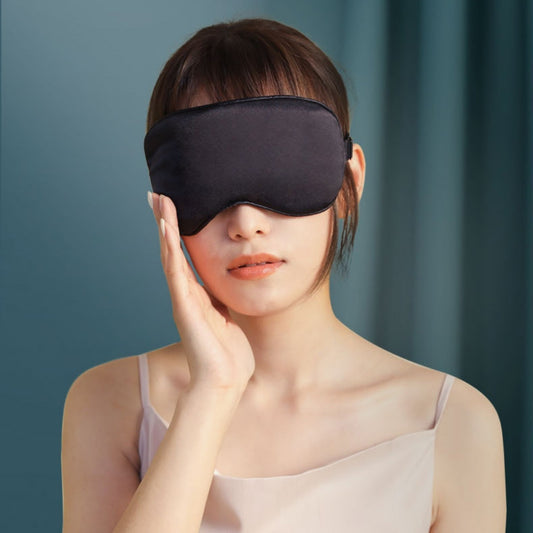
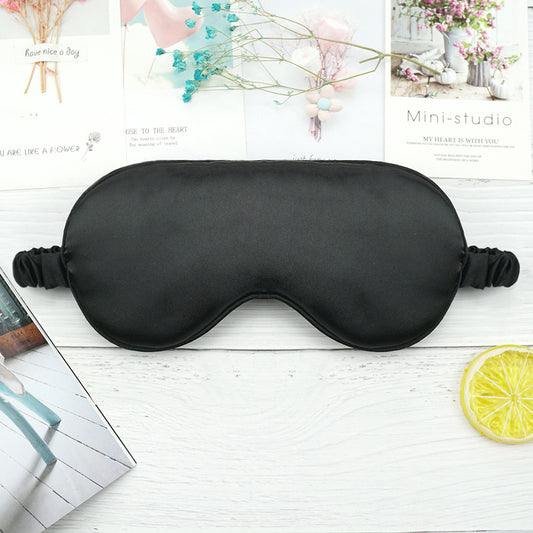
Influxzx Heated Silk Eye Mask
£74.44
Temperature-controlled comfort for any sleeping position. The heated feature soothes tired eyes while the silk material prevents wrinkles—especially beneficial for side and stomach sleepers.
✓ Pros:
- Temperature control with hot compress
- Luxurious silk material
- Ergonomic design for comfort
- Light-blocking for complete darkness
✗ Cons:
- USB-powered (requires nearby outlet)
- May be too warm for hot climates

Visiozx Bluetooth Heated Eye Massager
£98.52
Premium eye care for side sleepers suffering from pressure points. The vibrating airbag kneading therapy and Bluetooth music create ultimate relaxation.
✓ Pros:
- Vibrating airbag kneading therapy
- Bluetooth music integration
- Hot compress eye therapy
- Portable and foldable
✗ Cons:
- Higher price point
- May be too stimulating for some users

Aevumzx 3D Bluetooth Eye Mask
£62.14
Perfect for side sleepers needing complete blackout without pressure. The 3D contoured design prevents compression on eyes while wireless music helps you relax.
✓ Pros:
- 3D contoured zero-pressure design
- Bluetooth music functionality
- Complete blackout effectiveness
- Adjustable for perfect fit
✗ Cons:
- Requires charging
- Bluetooth may need pairing adjustments

Nimbis Smart Snore Eye Mask
£74.44
Innovative anti-snore technology combined with blackout eye mask. Ideal for back sleepers who want to reduce snoring while maintaining proper position.
✓ Pros:
- Anti-snore technology with smart ring
- Portable and travel-friendly
- Includes shading eye mask
- Suitable for all ages
✗ Cons:
- Requires getting used to smart ring
- Fabric and electronics combination needs careful cleaning
Syncizx Wake-Up Light Alarm Clock
£189.33
Sunrise simulation helps you transition naturally from any sleeping position. The white noise function aids falling asleep while the gentle wake-up light ensures you rise refreshed.
✓ Pros:
- Sunrise LED simulation for natural waking
- White noise for falling asleep
- Multifunctional alarm clock
- Supports relaxation and sleep aid
✗ Cons:
- Mid-range price point
- Requires bedside table space
Atomzx Mini Bluetooth Alarm Clock
£112.08
Compact solution combining white noise, alarm, and LED speaker. Perfect for travelers maintaining sleep schedules across time zones while in hotels or Airbnbs.
✓ Pros:
- Compact desktop design
- Bluetooth music capability
- Multi-function alarm clock
- USB rechargeable
✗ Cons:
- Smaller size may have limited volume
- LED display brightness may need adjustment

Nighture Pure Color Linen Curtain
£32.43
Create the ideal dark sleeping environment for any position. These minimalist blackout curtains block disruptive light that can interrupt deep sleep cycles.
✓ Pros:
- Premium breathable linen fabric
- Excellent value for money
- Light shading with privacy
- Versatile minimalist design
✗ Cons:
- Not complete blackout for shift workers
- May require professional installation
Special Considerations for Different Groups
Pregnant Women
Pregnant women should prioritize left side sleeping, especially during the second and third trimesters. This position protects the liver, increases blood flow to the fetus, uterus, and kidneys, and prevents the uterus from pressing on the vena cava (the largest vein carrying blood back to the heart)[19].
Tips for comfortable pregnancy sleep:
- Place a pillow under your baby bump for support
- Use a pillow between your knees to align hips and spine
- Consider a full-body pregnancy pillow for comprehensive support
- Place a rolled blanket at the small of your back to relieve pressure
- If you roll onto your back during sleep, don't panic—it's common. Simply return to your left side
People with Sleep Apnea
Side sleeping is strongly recommended for managing obstructive sleep apnea. The position helps keep airways open and can reduce symptoms by up to 50% compared to back sleeping[20].
Recent research shows that even for back sleepers, turning the head to the side while maintaining supine position can significantly reduce OSA severity[21]. However, side sleeping remains the most effective positional therapy.
Chronic Pain Sufferers
For those with chronic back pain, the 2025 systematic review in Musculoskeletal Care found that both back sleeping and supported side-lying positions may alleviate symptoms[22].
The key is ensuring your mattress provides adequate support—not too soft (which allows excessive sinking) and not too firm (which creates pressure points). A medium-firm mattress typically works best for most body types.
⚠️ Non-Purchase Sleep Position Solutions
Before investing in new sleep accessories, try these DIY approaches:
- Rolled towels: Place under your neck (back sleepers) or between knees (side sleepers) for support
- Extra pillows: Stack or arrange existing pillows for elevation or positioning
- Tennis ball technique: Sew a tennis ball to the back of your pajama top to prevent rolling onto your back
- Gradual position training: Shift position slightly each week rather than changing abruptly
- Pre-sleep stretching: 10 minutes of gentle stretches can improve spinal flexibility and reduce morning stiffness
- Room temperature optimization: Keep bedroom between 15-19°C (60-67°F) for optimal sleep regardless of position. Also consider implementing blue light protection strategies to enhance your sleep environment.
🚨 When to Seek Professional Medical Help
Contact your doctor if you experience:
- Back or neck pain lasting more than one week despite position changes
- Numbness, tingling, or "pins and needles" sensations that won't resolve
- Leg weakness or hands/legs frequently "falling asleep"
- Difficulty maintaining balance when walking
- Pain that worsens in certain positions, especially lying down
- Persistent swollen glands in the neck
- Pain accompanied by unexplained weight loss
Seek IMMEDIATE emergency care (call 911 or your local emergency number) if you experience:
- Loss of bowel or bladder control
- Severe neck pain with fever, headache, and inability to touch chin to chest (possible meningitis)[23]
- Neck or back pain with symptoms of heart attack (chest pain, shortness of breath, arm or jaw pain)
- Pain following traumatic injury, fall, blow, or accident—especially if unable to move arm or hand[24]
- Severe back pain with intense abdominal pain
- Signs of nerve paralysis or extreme instability
Emergency Hotlines by Country:
- United Kingdom: 999 or 111 (NHS non-emergency)
- United States & Canada: 911
- Australia: 000
- New Zealand: 111
- Ireland: 112 or 999
- Germany: 112
- France: 112
- Spain: 112
- Italy: 112
- Netherlands: 112
- India: 112
- United Arab Emirates: 999
- Japan: 119
- China: 120
- Brazil: 192
- Most EU countries: 112
Making the Transition to Better Sleep Positions
Changing your sleep position after years of habit can be challenging. From my personal experience battling insomnia, I learned that patience and gradual adjustment are key. Here's a realistic approach:
Week 1-2: Simply become aware of your current position. Notice how you fall asleep and where you wake up. Don't try to change anything yet.
Week 3-4: Begin positioning yourself in your desired sleep position at bedtime. Don't worry if you wake up in a different position—this is normal and will improve over time.
Week 5-8: Use positioning aids (pillows, rolled towels, etc.) to make your new position more comfortable. Your body should start adapting naturally.
Month 3+: Most people find their new position feels natural by this point. However, it's normal to occasionally revert to old habits, especially during stressful periods.
Remember, some rolling and position changes during the night are completely normal and healthy. The goal isn't to remain perfectly still, but to spend the majority of sleep time in a spine-friendly position.
Conclusion: Finding Your Optimal Sleep Position
While back sleeping generally offers the best spinal alignment, the "best" sleep position ultimately depends on your individual circumstances, health conditions, and comfort preferences. Side sleeping benefits pregnant women, those with sleep apnea, and individuals with acid reflux. Even stomach sleeping can be optimized with proper pillow placement, though transitioning to a healthier position is advisable for long-term spinal health.
The key factors for any sleep position are:
- Maintaining neutral spinal alignment from head to hips
- Using appropriate pillows and mattress support
- Making gradual adjustments rather than forced changes
- Listening to your body and seeking medical advice when pain persists
As I learned through my own sleep journey, optimizing your sleep position, combined with the right sleep accessories and environment, can transform your rest quality. Whether you're in Sydney, Mumbai, Berlin, Paris, Toronto, or anywhere else around the world, these evidence-based principles apply universally.
For more sleep optimization strategies, explore our guides on creating the perfect sleep environment, optimal bedroom temperature, and comprehensive sleep hygiene practices.
References
- Comprehensive Spine Care. (2024). The Importance Of Sleep Position For Spinal Alignment. Retrieved from https://compspinecare.com/blogs/the-importance-of-sleep-position-for-spinal-alignment/
- Saini, Y., Rai, A., & Sen, S. (2025). Relationship Between Sleep Posture and Low Back Pain: A Systematic Review. Musculoskeletal Care, 23(2), e70114. https://doi.org/10.1002/msc.70114
- Ortho San Antonio. (2024, November 20). Sleep Position Importance for Spinal Health. Retrieved from https://www.ortho-sa.com/blog/why-is-sleep-position-important-for-spinal-health
- Leilnahari, K., Fatouraee, N., Khodalotfi, M., & Sadeghein, M. A. (2011). Spine alignment in men during lateral sleep position: experimental study and modeling. Biomedical Engineering Online, 10, 103. https://doi.org/10.1186/1475-925X-10-103
- Verhaert, V., et al. (2011). Ergonomics in bed design: the effect of spinal alignment on sleep parameters. Ergonomics, 54(2), 169-178.
- The Spinery. (2024, January 23). The Importance of Spinal Alignment for Sleep. Retrieved from https://thespinery.com/blog/the-importance-of-spinal-alignment-for-sleep/
- Saini, Y., Rai, A., & Sen, S. (2025). Relationship Between Sleep Posture and Low Back Pain: A Systematic Review. Musculoskeletal Care, 23(2), e70114.
- Spine Medicine and Surgery of Long Island. (2024, June 24). Sleep and Spine Health: Best Practices for a Pain-Free Night. Retrieved from https://www.spinemedli.com/sleep-spine-health-best-practices-for-pain-free-night/
- Mya Care. (2024, August 2). Sleeping Positions: The Pros and Cons of Back and Side Sleeping. Retrieved from https://myacare.com/blog/sleeping-positions-the-pros-and-cons-of-back-and-side-sleeping
- TMJ & Sleep Therapy Centre of St. Louis. (2025, February 18). The Best Sleep Positions for Sleep Apnea. Retrieved from https://tmjsleepstlouis.com/sleep-apnea-best-sleeping-position/
- Sleepopolis. (2020, May 6). The Best Sleeping Position for Better Sleep and Other Health Benefits. Retrieved from https://sleepopolis.com/education/the-best-sleeping-position-for-better-health-and-sleep/
- Mayo Clinic. (2023, March 17). Mayo Clinic Minute: What is the best sleeping position? Retrieved from https://newsnetwork.mayoclinic.org/discussion/mayo-clinic-minute-what-is-the-best-sleeping-position/
- Sleep Foundation. (2025, July 16). How to Sleep Better While Pregnant. Retrieved from https://www.sleepfoundation.org/pregnancy/tips-for-better-sleep
- Johns Hopkins Medicine. (2025). Choosing the Best Sleep Position. Retrieved from https://www.hopkinsmedicine.org/health/wellness-and-prevention/choosing-the-best-sleep-position
- TMJ & Sleep Therapy Centre of St. Louis. (2025, February 18). The Best Sleep Positions for Sleep Apnea. Retrieved from https://tmjsleepstlouis.com/sleep-apnea-best-sleeping-position/
- Sleep Foundation. (2021, August 17). Side Sleeping: Which Side Should You Sleep On? Retrieved from https://www.sleepfoundation.org/sleeping-positions/side-sleeping
- Ortho San Antonio. (2024, November 20). Sleep Position Importance for Spinal Health. Retrieved from https://www.ortho-sa.com/blog/why-is-sleep-position-important-for-spinal-health
- International Spine, Pain & Performance Center. (2024). How Your Sleeping Position Affects Your Back and Neck Health. Retrieved from https://www.isppcenter.com/blog/how-your-sleeping-position-affects-your-back-and-neck-health
- Sleep Care Online. (2025, April 30). Manage Sleep Apnea During Pregnancy. Retrieved from https://www.sleepcareonline.com/articles/how-to-deal-with-sleep-apnea-during-pregnancy/
- Center For Sleep & TMJ. Managing Sleep Apnea During Pregnancy. Retrieved from https://www.sleepva.com/managing-sleep-apnea-during-pregnancy
- TMJ & Sleep Therapy Centre of St. Louis. (2025, February 18). The Best Sleep Positions for Sleep Apnea. Retrieved from https://tmjsleepstlouis.com/sleep-apnea-best-sleeping-position/
- Saini, Y., Rai, A., & Sen, S. (2025). Relationship Between Sleep Posture and Low Back Pain: A Systematic Review. Musculoskeletal Care, 23(2), e70114.
- UPMC HealthBeat. (2024, November 29). When Is Neck Pain A Warning Sign? Retrieved from https://share.upmc.com/2024/10/neck-pain-warning-sign/
- Harvard Health Publishing. (2024, January 31). When to seek immediate medical attention for neck pain. Retrieved from https://www.health.harvard.edu/pain/when-to-seek-immediate-medical-attention-for-neck-pain
About the Team


